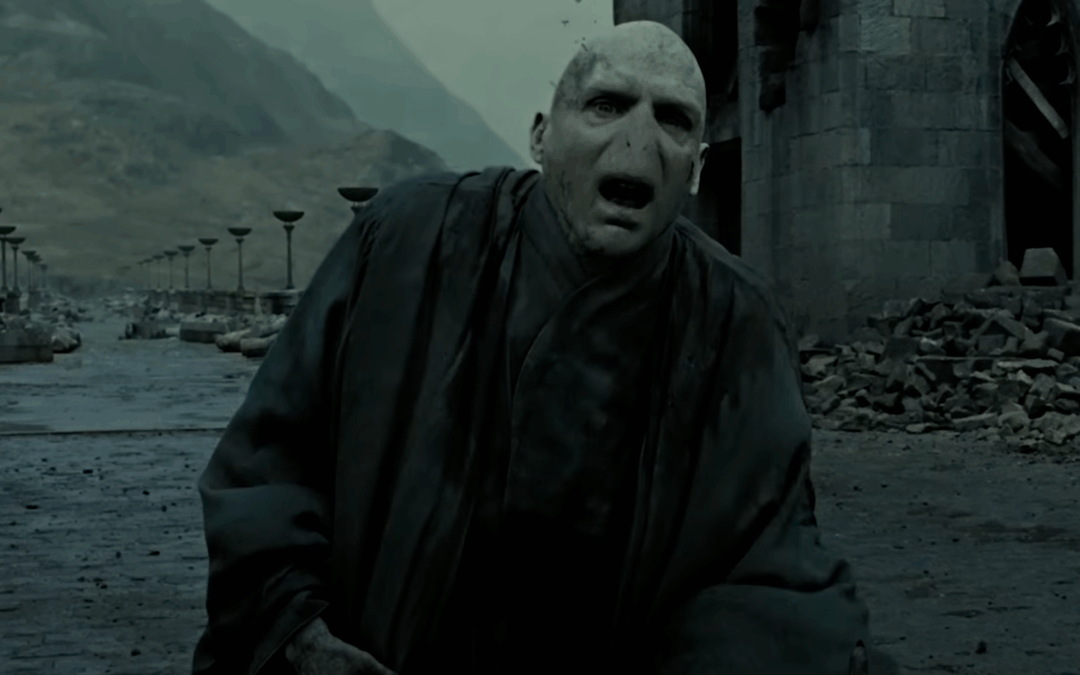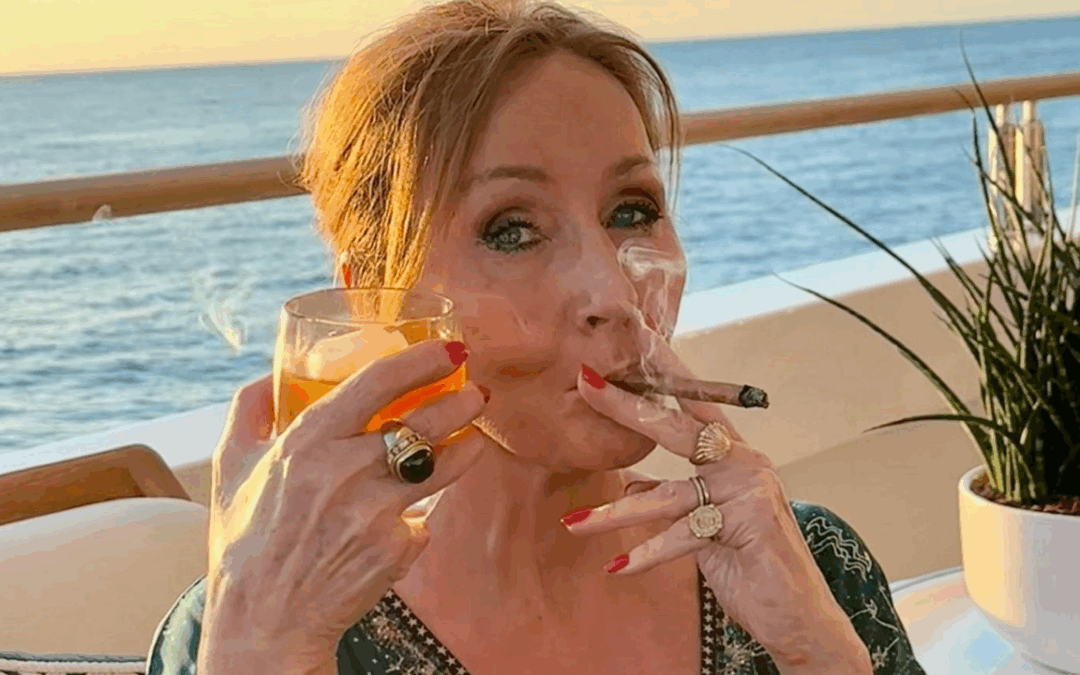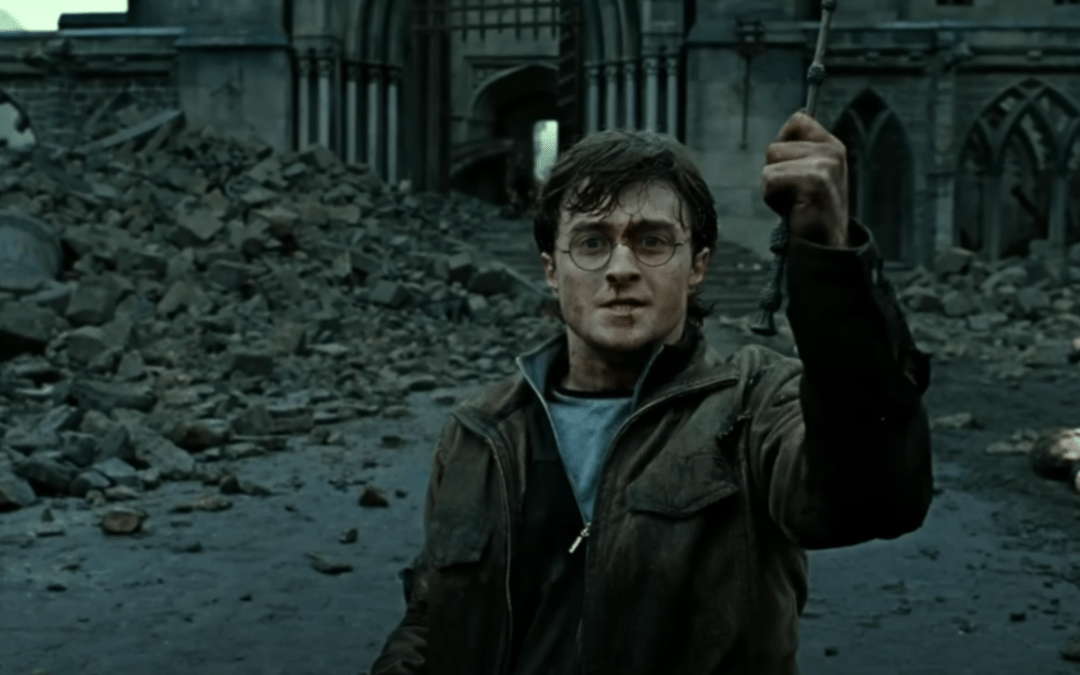
Variety is facing backlash after attempting to link brief comment from J.K. Rowling on the new Harry Potter trailer to her views on gender.
The Last of Us Season 3 is officially happening, and according to those involved, it’s set to focus heavily on Abby — one of the most divisive characters in modern gaming history. Despite significant backlash following her debut in The Last of Us: Part II, showrunners Neil Druckmann and Craig Mazin are staying the course, cementing Abby as the centerpiece of the next chapter.
In a move that signals serious trouble for one of the biggest names in entertainment, S&P Global Ratings has officially downgraded Warner Bros. Discovery credit rating to junk bond status, citing an ongoing collapse of its cable television operations that continues to overshadow any forward momentum in streaming.
First it was HBO Max. Then just Max. Now, in an announcement that feels less like a rebrand and more like a corporate U-turn, Warner Bros. Discovery (WBD) says it’s bringing back the original name. The change back to HBO Max will launch in summer of 2025.
Like him or hate him, Pedro Pascal’s portrayal of Joel Miller helped anchor The Last of Us as one of HBO’s standout successes. But just two episodes into its second season, the showrunners made the bold decision to maintain one of the original video game’s more controversial decisions and end the character. This sparked not only controversy but a sharp decline in The Last of Us season 2’s viewership.
Warner Bros. Discovery (WBD) trounced expectations in Q1, gaining more streaming subscribers than Disney despite the Mouse House’s optimistic earnings and surprise theme park announcement in Abu Dhabi.
In other words, the streaming war just took an unexpected turn—and it’s not in Disney’s favor.
JK Rowling has already found herself at odds with Snape actor Paapa Essiedu ahead of the upcoming HBO Harry Potter series.
The divide surrounding HBO’s upcoming Harry Potter series has deepened, as several Potter franchise actors—both past and present—signed an open letter opposing the United Kingdom’s Supreme Court decision affirming that the legal definition of “sex” refers to biological sex. Among the signatories were Fantastic Beasts star Eddie Redmayne, original film series actress Katie Leung, and most notably Paapa Essiedu, who will portray Severus Snape in the new television adaptation.
Collider has officially lost the plot on The Last of Us.
In its latest screed defending HBO’s The Last of Us Season 2, the outlet through writer Rahul Malhotra doesn’t just double down on the tired “review bombing” narrative—it openly calls for the censorship of dissenting opinions. And no, that’s not exaggeration.
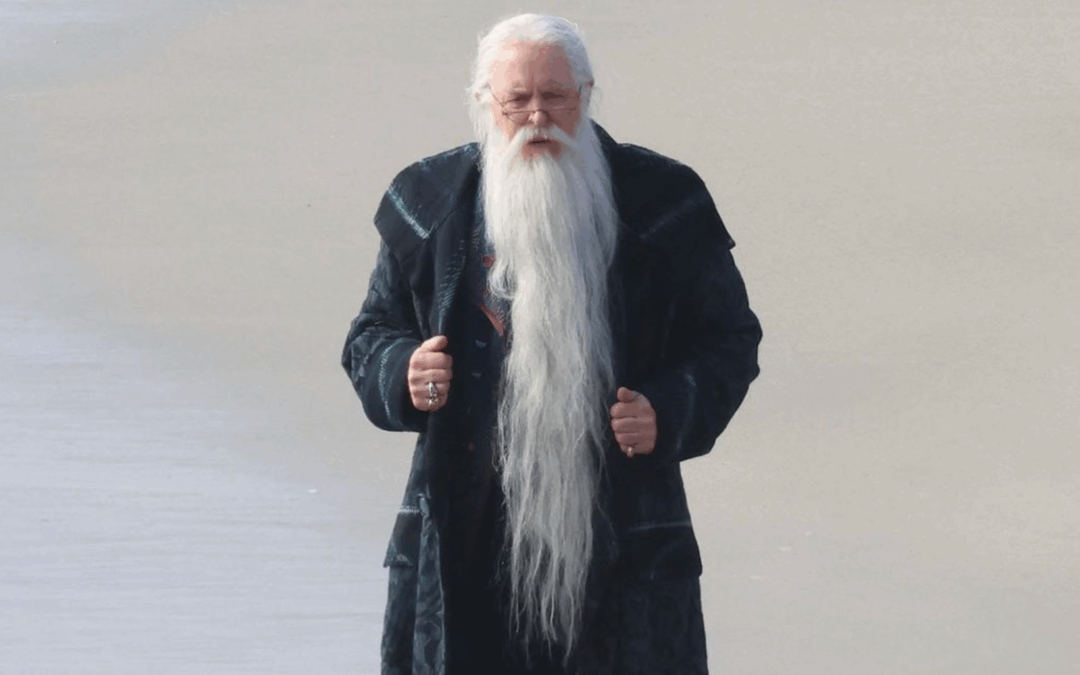
John Lithgow has made it clear that outside pressure will not influence his involvement in HBO’s upcoming Harry Potter television series. In a new interview with The Times of London, the 79-year-old actor addressed the controversy surrounding J.K. Rowling and the backlash he has personally received since signing on to play Professor Albus Dumbledore.
Pedro Pascal, best known for his role in The Mandalorian and The Last of Us has inserted himself into the ongoing debate over gender terminology and women’s spaces by publicly disparaging bestselling Harry Potter author J.K. Rowling. The actor left a comment on activist Tariq Ra’ouf’s Instagram post calling Rowling a “heinous loser,” following her support for a recent UK Supreme Court ruling that clarified legal definitions around biological sex.
Something strange is happening with The Last of Us Season 2. Not just in the narrative—but in the way the media is covering it. Or more accurately… refusing to. This week, Beyond the Trailer host Grace Randolph tweeted that she’s stepping away from The Last of Us show entirely.
Despite mainstream media rushing to frame the reaction to The Last of Us Season 2 as manufactured “review bombing” outrage, the backlash surrounding Joel’s early departure is much deeper—and far more authentic—than critics would have audiences believe.
In a now widely circulated article from Collider, the site claims that the Last of Us show has fallen prey to “review bombing,” dismissing the outcry from viewers as little more than coordinated trolling.