


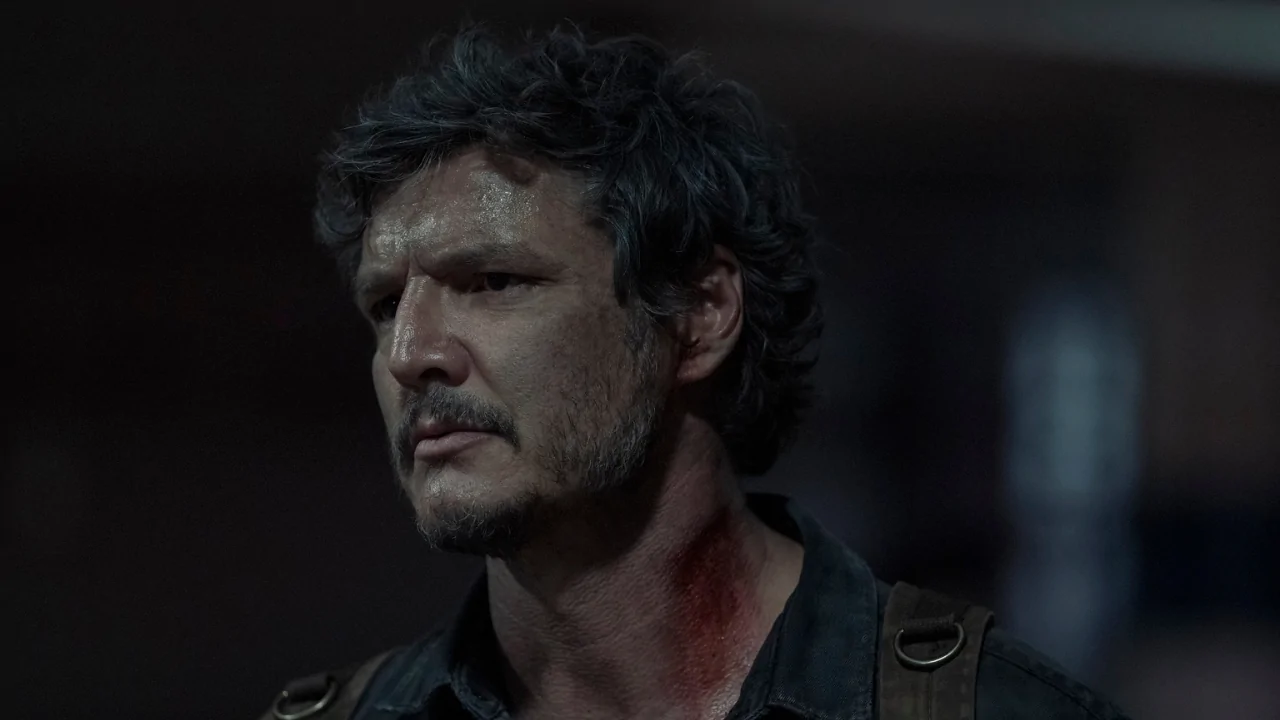
Like him or hate him, Pedro Pascal’s portrayal of Joel Miller helped anchor The Last of Us as one of HBO’s standout successes. But just two episodes into its second season, the showrunners made the bold decision to maintain one of the original video game’s more controversial decisions and end the character. This sparked not only controversy but a sharp decline in The Last of Us season 2’s viewership.
The moment arrived in Episode 2, “Through the Valley,” which aired on April 20, 2025. In a near frame-for-frame adaptation of the original video game, Joel is ambushed just outside Jackson, Wyoming, and taken out in an unexpectedly swift and jarring sequence.
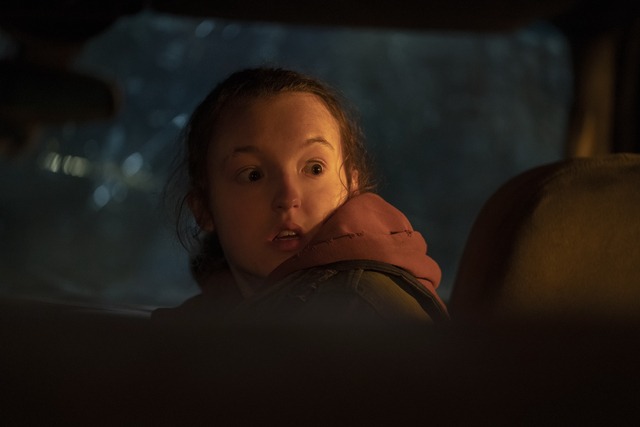
Bella Ramsey as Ellie Williams in The Last of Us (2023), HBO
For audiences unfamiliar with the source material, the scene landed like a gut punch. The numbers show that many viewers may have purposely avoided the second episode after hearing about the brutal scene and many others still didn’t return the following week.
According to Programming Insider, the Season 2 premiere pulled in 938,000 linear viewers in the U.S. Episode 2 saw that number fall to just 643,000—a staggering 31.5% drop. Episode 3 posted a partial recovery with 768,000 viewers, but still trailed the premiere by over 170,000. The numbers point to a clear reaction: viewers were blindsided, and some checked out.
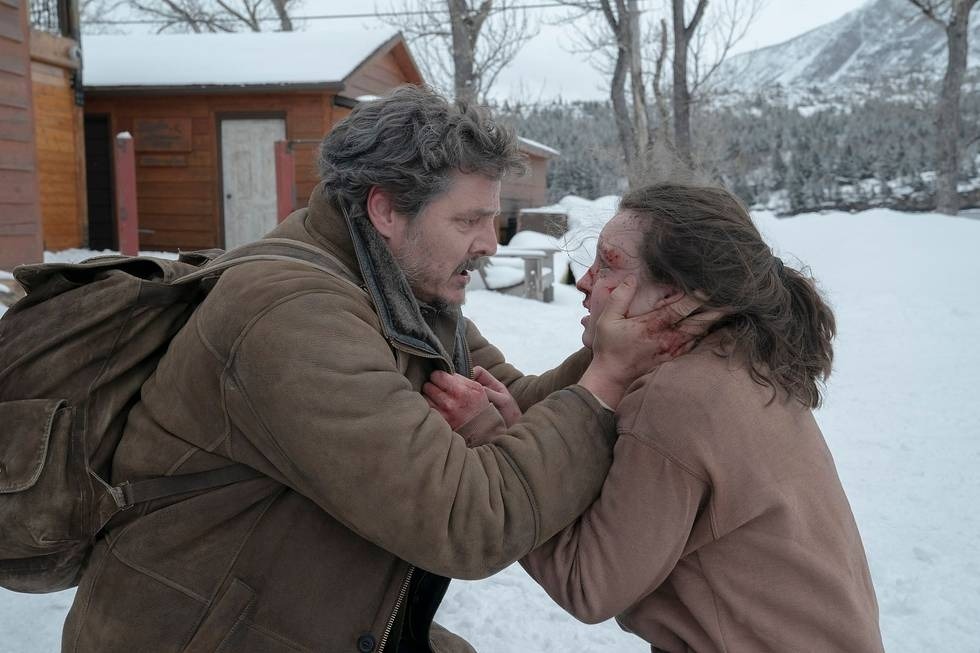
Pedro Pascal as Joel and Bella Ramsey as Ellie in The Last of Us (2023), HBO
Rotten Tomatoes also reflected a shift in sentiment. The audience score, once comfortably in the mid-60s, fell to 49% following the controversial episode. Metacritic showed a similar trend, with its user rating dropping from 6.3 to 4.1.
For gamers, Joel’s removal was a known narrative turn. But for television audiences—especially those new to the franchise—it felt abrupt. The character was the emotional spine of the series, and without him, many were left struggling to reorient themselves around the story’s new direction.
Reactions online were swift and emotional. Many commented on the scene’s tone, describing it as more intense than expected, especially due to Ellie’s helplessness and the drawn-out pacing. The adaptation’s decision to amplify the brutality sparked debate, with some praising the faithfulness to the game, while others argued it leaned more into shock than substance.
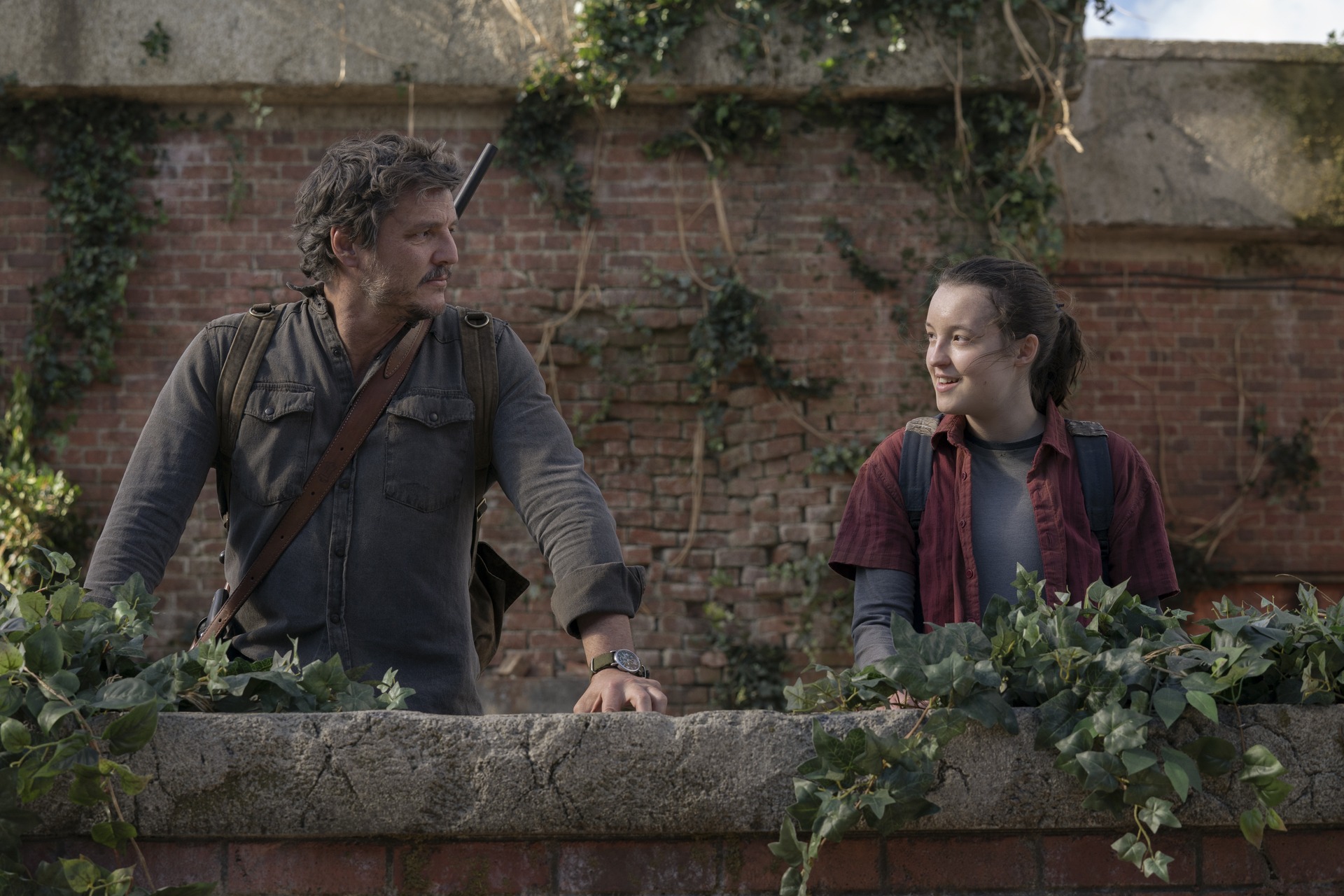
Pedro Pascal as Joel and Bella Ramsey as Ellie in The Last of Us (2023), HBO
Critics have largely praised Kaitlyn Dever’s performance as Abby, but even among positive reviews, there’s acknowledgment that Joel’s removal so early in the season disrupted the momentum built in Episode 1. Some reviewers noted that the show’s choice to focus on a siege at Jackson may have pulled attention away from what should have been the emotional center of the episode.
Elsewhere, outlets like The New Yorker have warned that The Last of Us risks leaning too heavily into spectacle at the expense of the world-building and nuance that defined its first season. On YouTube, breakdown videos have flooded in—shot-by-shot analyses of Joel’s final scene, exploring everything from lighting to choreography to pacing. Some content creators questioned whether the extended scene felt more exploitative than impactful.
Unlike the game, where players had direct control over Joel in the early hours, the television version robbed the audience of that emotional buffer. The scene played as an ambush, with little warning and no chance to process—leaving viewers feeling more like bystanders than participants.

Pedro Pascal as Joel and Bella Ramsey as Ellie in The Last of Us (2023), HBO
Despite the backlash, many industry voices have defended the decision, arguing that it sets the stage for Ellie’s arc of revenge. Some see the decision as a necessary narrative risk in adapting the game’s structure for television. But even among those who support the choice, there’s concern about the cost—both creatively and in terms of viewer trust.
What’s clear is that Joel’s exit has become one of the most debated moments of the year. It has ignited a new wave of discussion around adaptation, fidelity to source material, and how television must handle fan expectations differently than games.
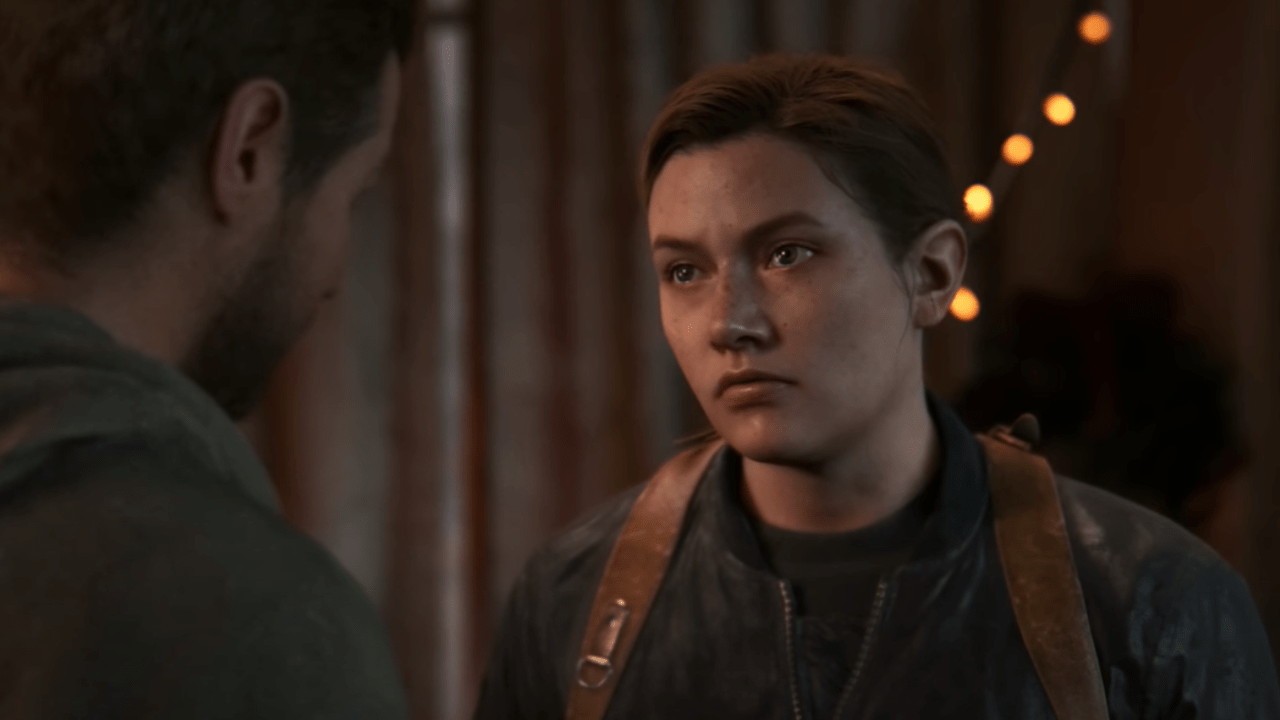
Abby in The Last of Us Part II (2020), Naughty Dog
If the creative team hoped to provoke conversation, they succeeded. But whether the show can recover from the fallout—that’s a different story.
Are you surprised at the sudden drop in The Last of Us viewership? Sound off in the comments below and let us know!
