



In the ongoing lawsuit between former Kotaku journalist Alyssa Mercante and YouTuber Jeffrey Tarzia—better known as “SmashJT”—a new development has emerged. Mercante has filed a second amended complaint, continuing her efforts to hold Smash accountable for what she claims is a campaign of online targeting. The filing expands on earlier ideological accusations, tying Tarzia to the so-called “alt-right” and invoking the specter of Gamergate, a nearly decade-old controversy that many legacy media outlets still cite as a cultural flashpoint.
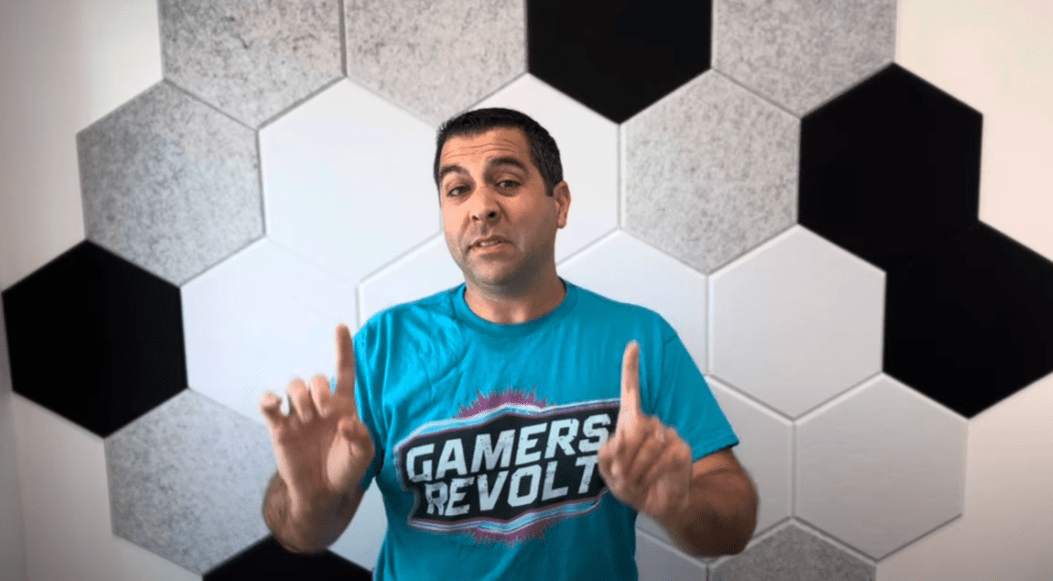
Smash JT via Smash JT YouTube
While amended complaints are not unusual, a second revision often signals that a plaintiff is struggling to establish a legally durable case. So what’s changed—and what hasn’t—in this latest attempt?
Full disclosure: YouTube personality SmashJT is represented in this lawsuit against Alyssa Mercante by Ron Coleman and the Coleman Law Firm. That Park Place, WDW Pro, and Valliant Renegade are likewise legally represented by Mr. Coleman in unrelated matters when necessary.
Why a Second Amended Complaint Matters
A second amended complaint typically indicates a plaintiff’s earlier claims lacked enough evidence or specificity to survive initial scrutiny. It’s like hitting reset in the middle of the game—allowed, but not a great sign.
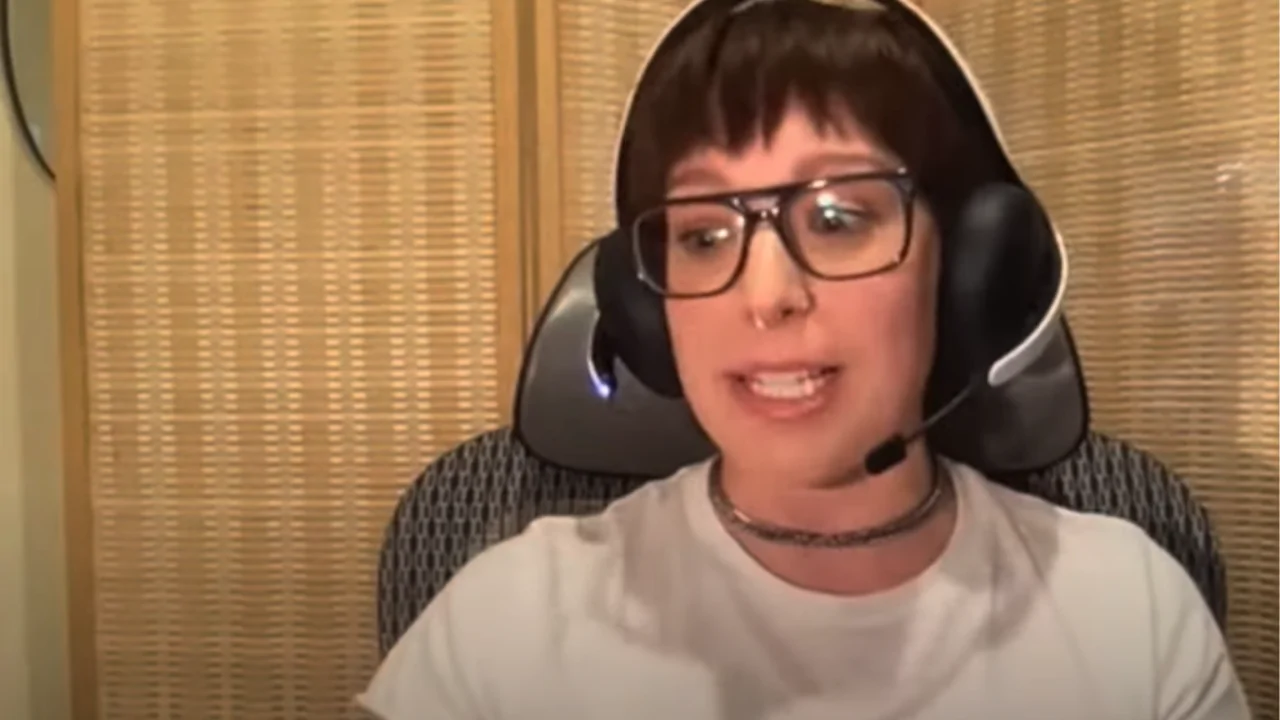
Alyssa Mercante via Smash JT YouTube
In this scenario, Alyssa Mercante has revised and expanded her lawsuit claims against SmashJT, attempting to patch weaknesses that Smash’s attorney, free speech expert Ron Coleman, targeted in earlier filings.
What Has Alyssa Mercante Added or Changed in her Lawsuit?
Mercante’s new complaint introduces several detailed changes, noticeably increasing in length and specificity compared to earlier filings.
Here’s the breakdown:
Expanded Accusations of Online Harassment (“Stochastic Terror”)
The most significant update in Mercante’s complaint revolves around her claims of what she calls “intentional stochastic terror.”
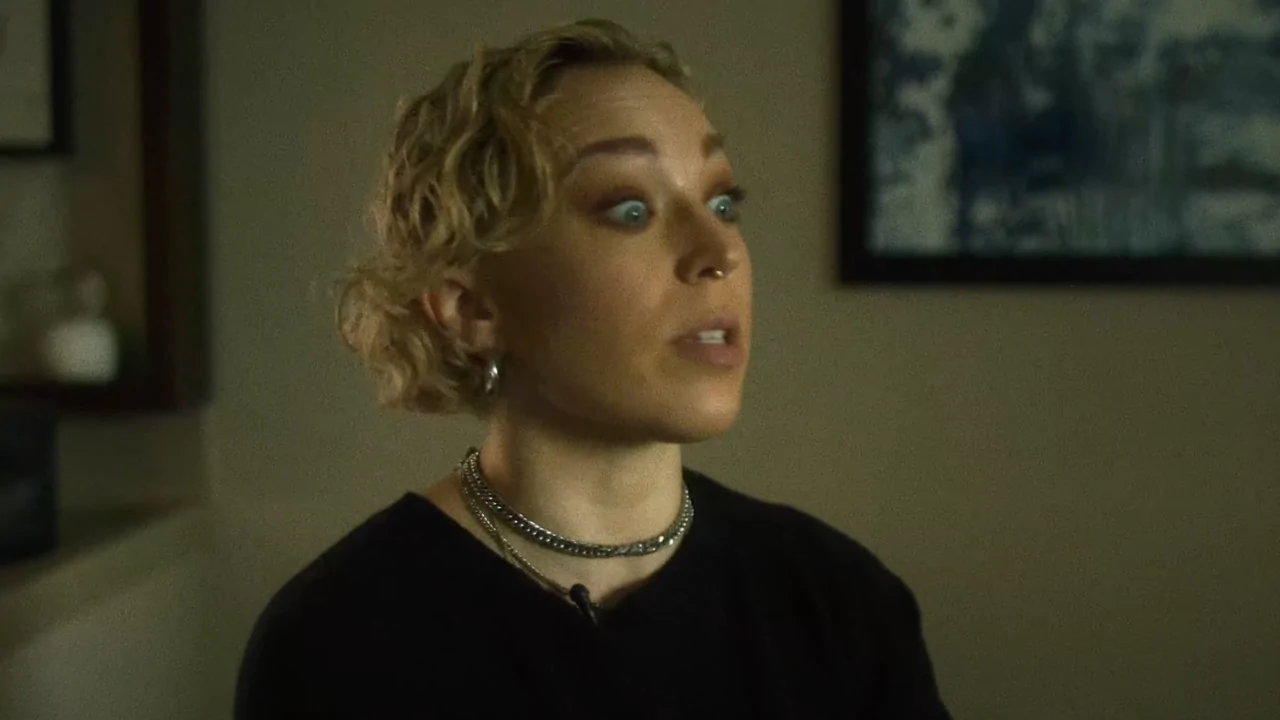
Alyssa Mercante in the documentary Gaming While Black – YouTube, Black Sparrow Media
This alleges that SmashJT’s critical online commentary indirectly encouraged negative actions from his followers. Mercante argues Tarzia deliberately provoked or tolerated follower harassment, knowing it would harm her reputation and career.
Specific Accusations Regarding Defamation
Alyssa Mercante expands her lawsuit allegations of defamation by adding greater detail around specific statements Tarzia made in his videos. She insists SmashJT deliberately misrepresented her professional competence and personal character, particularly attacking her credibility and integrity as a journalist.
The complaint cites specific videos and direct quotes where Tarzia criticized her reporting, framing these criticisms as knowingly false statements rather than protected opinions. Mercante attempts to illustrate how these alleged falsehoods directly impacted her employment opportunities and public reputation.
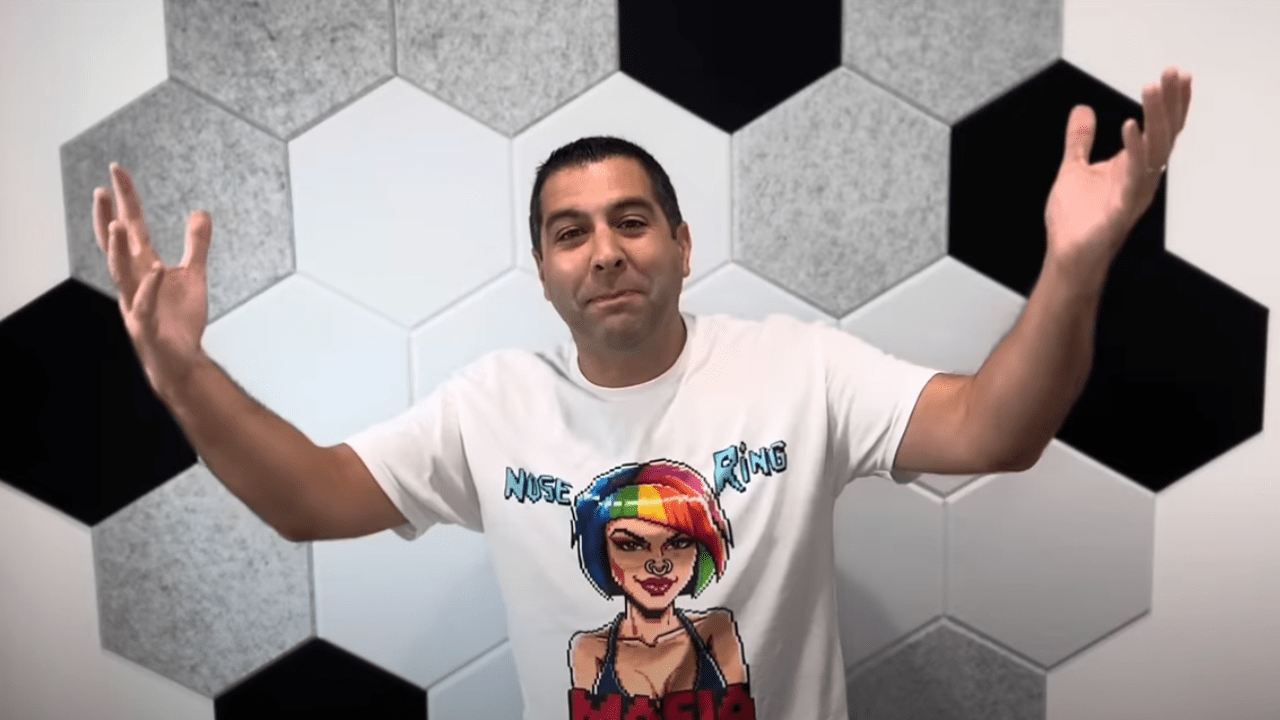
Smash JT via Smash JT YouTube
In her updated complaint, Mercante explicitly states that due to the sustained online backlash allegedly initiated by SmashJT’s content, she was eventually asked to resign from her senior editor position at Kotaku. She argues that her employer cited the continued controversy and negative attention as detrimental to their brand, effectively forcing her out.
This detail is critical because it underscores Mercante’s assertion of tangible professional damage directly resulting from Tarzia’s actions—an argument she hopes strengthens her defamation and emotional distress claims. However, proving that SmashJT’s commentary specifically influenced Kotaku’s decision-making, rather than broader public reaction or internal company factors, remains a significant challenge for Mercante’s case.
Clarifications Regarding Intentional Infliction of Emotional Distress (IIED)
The updated complaint more explicitly defines Mercante’s claims of emotional distress. Previously more general, these claims now include details about how specific online interactions, allegedly instigated by Tarzia’s videos, caused emotional harm severe enough to disrupt Mercante’s daily life, professional opportunities, and mental health. Mercante claims to have experienced anxiety, stress, and emotional turmoil directly stemming from Tarzia’s content.
New Claims Related to YouTube’s Algorithm and Monetization
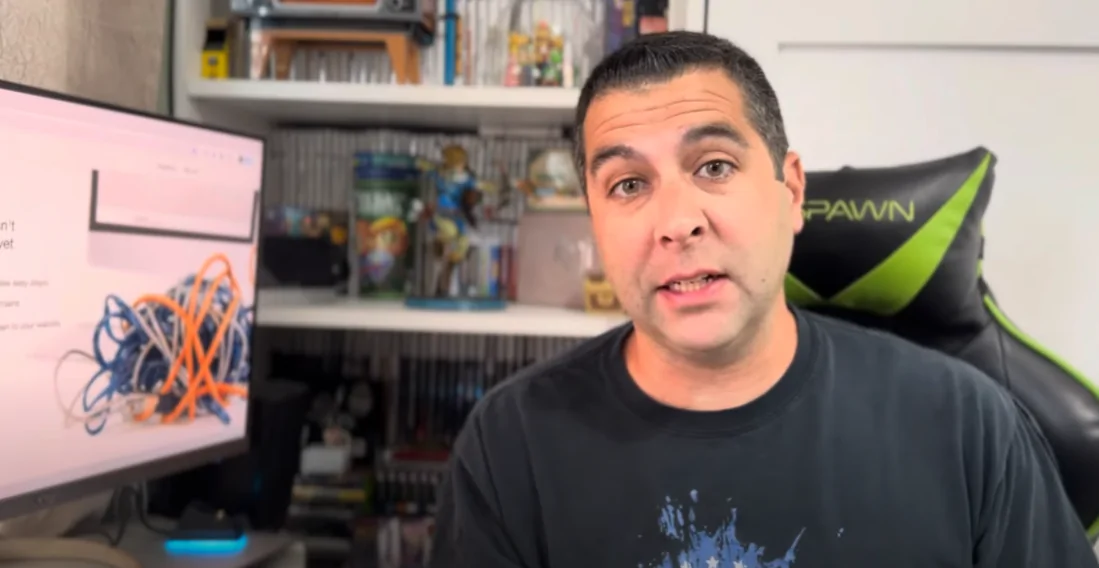
A new angle added by Mercante involves allegations regarding YouTube’s algorithm. She claims Tarzia knowingly exploited YouTube’s monetization systems, amplifying negative content about her specifically to increase his financial gain.
Screenshot of Smash JT via Smash JT YouTube
READ: Disney Film ‘Inside Out 2’ Dethroned as Highest-Grossing Animated Movie by ‘Ne Zha 2’ Out of China
She argues this commercial motive demonstrates intent to cause harm for personal profit, further supporting her claims of defamation and emotional distress.
Ideological Accusations
Mercante’s second amended complaint leans heavily on ideological framing, alleging that Tarzia is part of an “alt-right” media ecosystem tied to what she describes as “Gamergate 2.0.”
She accuses him of using the language of a confrontational, younger conservative movement in an effort to energize outrage-driven campaigns. The filing references Tarzia’s use of hashtags like #EndKotaku and his criticisms of narrative consultants like Sweet Baby Inc. as signs of a broader, reactionary conspiracy.

A screenshot of the Sweet Baby Inc. Detected Steam curator list
According to Mercante, his content exploits what she calls “bugbears of the alt-right,” and she characterizes the backlash to her article on Sweet Baby as part of a sequel to the original Gamergate movement
New York Jurisdiction
In an apparent effort to shore up jurisdictional weaknesses, Mercante has amended her complaint to include claims that Tarzia operates a website hosted by Wix—a platform with offices in New York—which she argues creates sufficient contact with the state to justify venue in the Eastern District.
This change suggests an attempt to overcome the personal jurisdiction challenges raised in Ron Coleman’s original motion to dismiss, which highlighted Tarzia’s California residence and questioned the appropriateness of New York as the legal venue.

Alyssa Mercante via Blerd Without Fear! YouTube
Whether the court will find the Wix connection persuasive remains to be seen, but it’s clear the complaint is evolving specifically in response to jurisdictional pressure.
Where Are the Holes in Mercante’s Case?
Despite these expanded arguments, serious vulnerabilities remain in Mercante’s lawsuit. Let’s explore them one by one:
1. The Difficulty of Proving Indirect Harm (“Stochastic Terror”)
Legal precedent strongly favors defendants in cases of indirect harm from online speech. Courts consistently uphold the First Amendment’s protection for criticism—even aggressive criticism—as long as it does not directly incite illegal action or explicitly instruct harassment.

Alyssa Mercante on X
Mercante’s stochastic terror claim relies on proving Tarzia knew or intended that his followers would harass her, something exceedingly difficult without concrete evidence (such as direct messages instructing followers to harass).
2. Opinion Versus Fact Distinction
Defamation hinges on distinguishing provable falsehoods from protected opinions. SmashJT, represented by Ron Coleman, previously argued his content merely expressed harsh criticism of Mercante’s professional work. The amended complaint attempts greater specificity, but the nature of YouTube commentary—often filled with subjective opinion—is challenging to legally categorize as actionable defamation.
3. Emotional Distress Claims Require a High Bar
Intentional infliction of emotional distress requires proving severe harm directly attributable to the defendant’s actions. Courts typically require documentation of significant medical or psychological impact directly traceable to the defendant’s conduct.

Jeff aka Smash JT via Smash JT YouTube
READ: Warner Bros Surpasses Disney+ in Streaming Growth as Trump Tariffs Loom Over Hollywood
Mercante’s claims might struggle here without substantial documented medical or psychological evidence clearly linking Tarzia’s videos to severe emotional harm.
4. Monetization Claims May Lack Legal Precedent
Mercante’s allegation that Tarzia abused YouTube’s algorithm for profit introduces an innovative—but untested—legal theory. Courts historically hesitate to assign blame based on a platform’s recommendation algorithm unless there’s clear evidence of explicit misuse or coordinated manipulation.
Mercante faces a steep climb proving Tarzia intentionally engineered algorithmic amplification of defamatory content, as opposed to simply creating controversial videos that viewers organically shared.
5. Ideological Accusations May Weaken the Case
From a legal perspective, Mercante’s attempts to tie Tarzia to “Gamergate 2.0” and the “alt-right” may weaken her case rather than strengthen it.
Smash JT via Smash JT YouTube
These labels are broad, politically charged, and often used more as rhetorical weapons than objective descriptors. Courts typically require specific, provable harm—not ideological disagreement or cultural commentary.
The complaint does not establish that Tarzia coordinated with any larger movement or that his criticism rose to the level of actionable harassment. Instead, his videos largely fall under opinion-based commentary, which is protected speech under the First Amendment. Framing criticism as part of an “alt-right campaign” may resonate within activist circles, but it’s unlikely to persuade a judge unless it’s backed by hard evidence of targeted defamation, malicious intent, or coordinated abuse—which this filing still fails to deliver.
6. Jurisdiction Claim is a Long Shot
Simply citing a third-party platform like Wix may not be enough to establish personal jurisdiction. Courts typically look for purposeful activity directed at the forum state—not merely incidental use of a service with offices there.
If Tarzia didn’t design the website with the intent to target or engage a New York audience, and if there’s no evidence he used the platform in a way that deliberately invoked the benefits or protections of New York law, the argument may be dismissed as too tenuous. The burden remains on Mercante to prove that Tarzia’s actions meet the threshold for jurisdiction, and relying on a hosting service headquartered in New York could be seen as a stretch.
Ron Coleman’s Motion to Dismiss: Context for the Amendment
Mercante’s second amended complaint follows Ron Coleman’s previously filed motion to dismiss her initial complaint.

Ron Coleman via WDW Pro YouTube channel
Coleman’s filing highlighted:
- Tarzia’s First Amendment right to criticize journalists publicly.
- The absence of direct proof linking Tarzia’s content explicitly to harmful third-party actions.
- The distinction between opinion and actionable defamation.
- A lack of jurisdiction in the State of New York as Tarzia neither lives nor conducts business there.
Mercante’s revisions directly attempt to address these points by providing more specificity and context, but it’s unclear whether these changes will satisfy judicial scrutiny. Indeed, the need for repeated revisions already signals inherent weaknesses in her lawsuit.
What’s Next and Implications for the Case
Ron Coleman and SmashJT are expected to respond with another motion to dismiss, this time targeting the revised arguments in Mercante’s second amended complaint. The new filing will likely be scrutinized under the same legal grounds as before—namely, First Amendment protections, the lack of direct evidence tying Tarzia’s content to any real-world harm, and the general protections afforded to opinion-based criticism of public figures.
Since Mercante voluntarily made herself a public-facing journalist and media personality, courts may find that her claims fall well within the bounds of constitutionally protected speech.
Alyssa Mercante via The Aristocratic Utensil YouTube
Adding to the stakes is New York’s strengthened anti-SLAPP statute, which penalizes plaintiffs who bring lawsuits designed to silence speech on public issues. If Mercante’s claims are again dismissed under anti-SLAPP grounds, she could be ordered to pay Tarzia’s legal fees—potentially leaving her in serious financial jeopardy. This legal backfire risk is especially high when a plaintiff repeatedly amends a complaint without introducing substantially new or convincing arguments.
A win for Tarzia wouldn’t just resolve this case—it could further reinforce the legal precedent shielding content creators from lawsuits tied to subjective commentary and ideological disagreement. Meanwhile, Mercante’s continued difficulty articulating a legally actionable case may indicate deep flaws that could ultimately undermine her pursuit of damages.

Screenshot of Smash JT via Smash JT YouTube
We’ll continue following this legal showdown here at That Park Place, ensuring you get detailed, accurate, and fair coverage as it unfolds.
Do you think this Alyssa Mercante SmashJT lawsuit will go to trial? Sound off in the comments below and let us know!
