


Comcast is once again tearing itself apart with another corporate split.
Just months after spinning off much of its traditional cable television business into the newly formed Versant Media, Comcast announced Monday that it plans to split itself into two separate publicly traded companies, separating NBCUniversal and Sky from its core cable, broadband, wireless, and technology businesses. The move represents another dramatic reversal for a company that spent years building one of the largest vertically integrated media empires in the world.
Under the proposed transaction, Comcast will spin off NBCUniversal and Sky into a standalone media and entertainment company while the remaining Comcast will focus on connectivity, broadband, wireless, and business services. Existing Comcast shareholders will own stock in both companies once the separation is completed, which Comcast is targeting for mid-2027.
Another Massive Breakup
The timing of this Comcast NBC Universal split makes the announcement especially striking.
In January, Comcast officially completed the separation of Versant Media, spinning off many of its legacy cable assets including CNBC, MS NOW (formerly MSNBC), USA Network, Syfy, E!, Golf Channel, Rotten Tomatoes, and Fandango into their own publicly traded company.
The Logo for MS NOW – Photo Courtesy of Versant
READ: REVIEW: ‘Supergirl’ Is Science Fiction Without Logic Starring a Supergirl Without Hope
Now, only months later, Comcast is taking another axe to its corporate structure.
Rather than simply separating declining cable networks from faster-growing assets like Peacock, Universal Pictures, and the company’s theme parks, Comcast has decided to split virtually the entire media side of the business away from its highly profitable telecommunications operations.
The result will leave Comcast as primarily a broadband and wireless provider, while NBCUniversal becomes an independent entertainment company that includes:
- NBC
- Peacock
- Universal Pictures
- Universal Television
- Universal theme parks
- Bravo
- Telemundo
- Sky
The move effectively dismantles much of the vertically integrated strategy Comcast pursued after acquiring NBCUniversal from General Electric beginning in 2011 and completing the purchase in 2013.
Comcast Says the Industry Has Changed
In announcing the split, Comcast argued that today’s media landscape bears little resemblance to the one that existed when it purchased NBCUniversal.
The company said the separation will create “two focused industry leaders” with stronger strategic flexibility as streaming competition and changing consumer behavior continue to reshape the entertainment business.
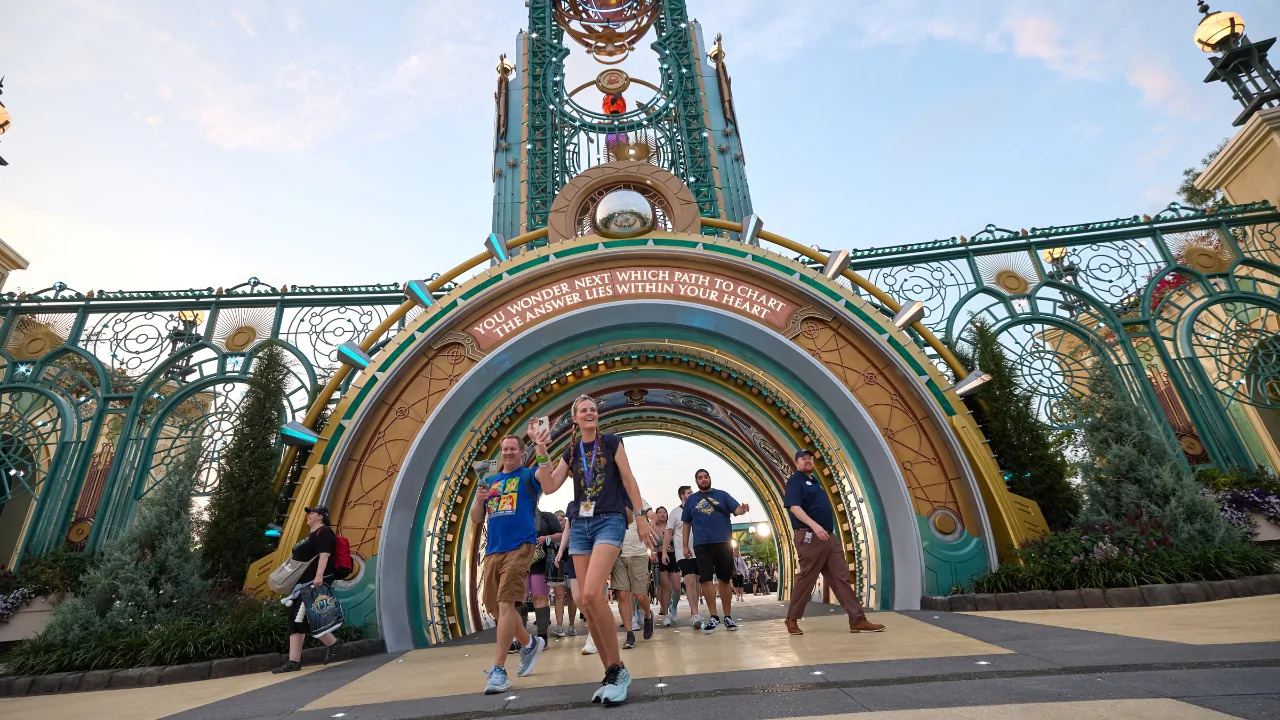
The Entrance to Epic Universe at Universal Orlando – Photo Credit: NBC Universal
Comcast Chairman and CEO Brian Roberts called the move “a very exciting day for our company,” saying the transaction will unlock a more entrepreneurial approach for both organizations.
Current Comcast co-CEO Mike Cavanagh will become CEO of the new NBCUniversal company, while former Comcast CFO Michael Angelakis will return to lead the remaining Comcast cable and technology business following completion of the transaction. Roberts will continue playing an active role in both companies.
A Complete Reversal of Comcast’s Original Strategy
For years, Comcast argued that owning both the distribution platform and the content created enormous advantages.
Its purchase of NBCUniversal brought together cable systems, broadband infrastructure, movie studios, television production, broadcast television, cable networks, and theme parks under one corporate umbrella.
Now, much of that strategy is being unwound.

The iconic Universal Globe and entrance to Universal Studios in Orlando – Photo Credit: That Park Place
READ: DC Studios Boss Admits Supergirl is a Box Office Flop But Says No Changes Are Coming
First came the creation of Versant, removing many of Comcast’s traditional cable networks from NBCUniversal. Now NBCUniversal itself is being separated from Comcast’s telecommunications business entirely.
Whether Comcast executives admit it or not, the restructuring reflects just how dramatically the media business has changed in the streaming era. Traditional cable television continues to decline, while studios face mounting pressure from soaring production costs, expensive streaming investments, and increasingly fragmented audiences.
What Happens Next?
The transaction is expected to close in mid-2027, subject to regulatory approval and final approval from Comcast’s board.
Comcast also said it expects to retain up to a 19.9% ownership stake in the newly independent NBCUniversal for roughly one year following the separation before gradually reducing that position in a tax-efficient manner.

Universal Studios fans in front of the iconic globe – Photo Credit: Universal Orlando Resort
For now, Comcast investors will eventually own shares in both companies. But the broader significance may be what this says about the state of legacy media.
In the span of just a few months, Comcast has dismantled much of the corporate structure it spent over 15 years building. After first spinning off its cable network portfolio into Versant and now separating NBCUniversal itself, the company appears to be acknowledging that the integrated media conglomerate model no longer offers the advantages it once promised.
How do you feel about a Comcast Universal split? Sound off and let us know!
