



After finishing Supergirl, the first conclusion I reached was simple: this isn’t a Supergirl movie.
Instead, it feels like an original young adult science-fiction adventure that eventually decided to put on a Supergirl costume. There are moments where the film references familiar names, symbols, and iconography, but very little of what made Supergirl such an enduring character seems to survive the adaptation.
When I walked into the theater, it was mostly empty. There were only a handful of people scattered throughout the auditorium. More noticeably, there was almost no audience reaction. There weren’t laughs, cheers, or audible excitement during the action sequences. The atmosphere remained unusually quiet from beginning to end.
Even before the movie began, the marketing established a tone that I found frustrating. A promotional spot featuring Superman is abruptly overwritten by Supergirl for comedic effect. While clearly intended as a joke, it struck me as misunderstanding one of the strongest aspects of the comics.
Superman and Supergirl have traditionally been allies. Clark is often portrayed as Kara’s mentor, cousin, and closest family member on Earth. Their relationship isn’t built on rivalry but on mutual respect and support. Beginning the experience by framing Superman as the punchline immediately felt disconnected from the source material I grew up reading.
That feeling only intensified once the film actually started.
An Opening That Sets the Wrong Tone
One of the movie’s very first visual jokes involves Krypto urinating on an article featuring Superman. Rather than establishing characters or advancing the story, the moment feels designed purely for shock value. For me, it came across as disrespectful toward one of fiction’s most recognizable heroes without adding anything meaningful to the narrative.
More importantly, it establishes a tone that continues throughout the film—one that often seems more interested in subverting familiar iconography than understanding why that iconography became beloved in the first place. Superman and Supergirl have traditionally been portrayed as family and partners. Their relationship has always been built on mutual respect, hope, and a shared desire to help others. Opening the film by using Superman as the target of a visual gag immediately creates emotional distance from that legacy rather than building upon it.
READ: DC Studios Boss Admits Supergirl is a Box Office Flop But Says No Changes Are Coming
The opening structure also works against the story. Instead of beginning with the tragedy that drives the plot, the film opens with Kara traveling between alien bars on what essentially becomes an extended pub crawl. The actual inciting incident—the massacre that motivates the adventure—arrives much later.
Reversing those events weakens the emotional momentum. Had the tragedy opened the film, the audience would have immediately understood the emotional stakes and Kara’s reason for becoming involved. Instead, we’re introduced to a version of the character that spends a significant amount of time drinking, wandering from planet to planet, and reacting to events before the audience has any real reason to invest in her journey.
First impressions matter, and for me, the opening communicated the film’s priorities almost immediately. Rather than grounding the audience in Kara’s heart, her relationships, or her purpose, it focused on irreverence and spectacle. That choice shaped my expectations for the rest of the movie, and unfortunately, those expectations proved accurate.
Worldbuilding That Rarely Feels Lived In
Another issue I had with the film was its approach to worldbuilding. For a story that spans multiple planets and civilizations, the galaxy feels surprisingly small and underdeveloped.
Much of the film takes place on isolated worlds where there conveniently happens to be a single bar, a lone medical facility, or one isolated family living in the middle of nowhere. While these locations serve the immediate needs of the plot, they rarely create the impression that these planets are home to thriving civilizations with their own cultures, economies, or histories.

Krypto the Super Dog in the Supergirl Trailer – YouTube, DC
Great science fiction often succeeds because the setting feels as important as the characters. Every location tells the audience something about the people who live there. Whether it’s the architecture, technology, customs, or even the way people interact with one another, the world itself becomes part of the storytelling.
Here, many of the locations feel interchangeable. One lonely outpost looks much like the next, with very little to distinguish one planet from another beyond a change in scenery. Instead of feeling like a journey across a vast galaxy filled with unique societies, it often feels like the characters are traveling between disconnected movie sets that exist only long enough for the next scene to take place.
By the end of the film, I never felt like I had explored a living universe. I felt like I had visited a series of temporary locations that served the plot but rarely expanded the world around it. For a film built around interstellar travel, that’s a surprisingly missed opportunity.
A Version of Supergirl I Didn’t Recognize
Perhaps my biggest disappointment with the film is Kara herself. More than any issue with the plot or worldbuilding, I never felt like I was watching the Supergirl who first made me a fan of the character.
The version presented here rarely demonstrates the qualities that originally made Supergirl stand apart from the rest of DC’s heroes. Throughout much of the film, her dialogue, reactions, and decision-making emphasize confrontation, impulsiveness, and bravado (if I have to be honest, she comes off like a man in manner, reaction, and even her diction).
Those traits can certainly exist in a compelling protagonist, but they come to dominate her personality so completely that many of the qualities traditionally associated with Kara are pushed almost entirely into the background.
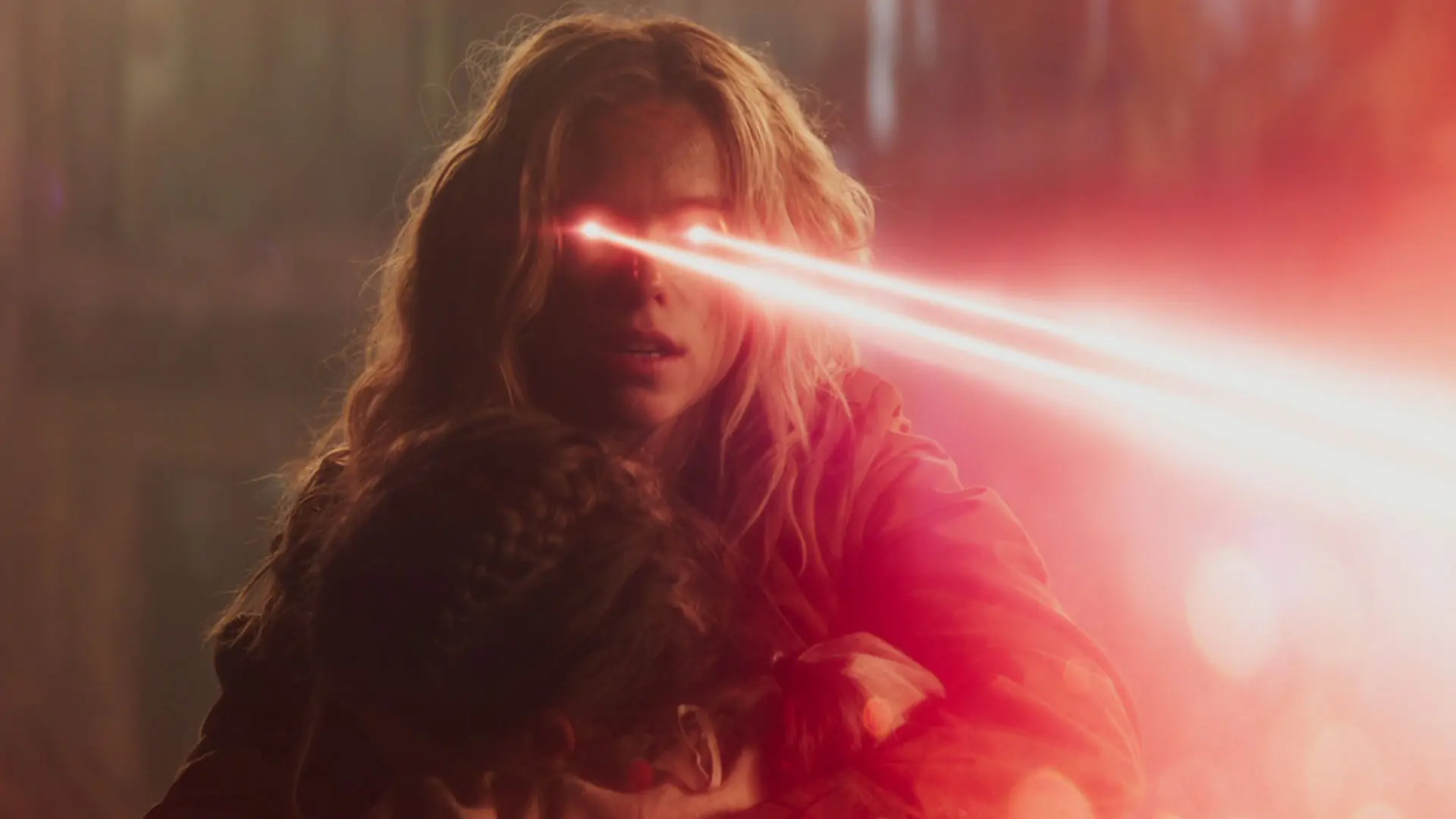
Supergirl using Heat Vision in the Supergirl trailer – YouTube, DC
READ: Kazaam Director Graciously Accepts Being Mocked in Scary Movie
I recognize that every generation has its own interpretation of Supergirl, and no single comic run owns the character. My introduction to Kara came through Supergirl: Girl of Steel and later the Supergirl series featuring the remarkable artwork of the late Michael Turner.
Writers such as Adam Beechen, Mark Millar, and many others helped shape a version of Kara that deeply resonated with me. She wasn’t simply a powerful Kryptonian. She was a young woman who had lost everything she had ever known and was trying to find her place in a world that wasn’t her own. Watching her struggle to adapt, learn, make mistakes, and still choose hope made her feel genuinely human despite her extraordinary abilities.
That emotional journey is what made her memorable. Strength was only one part of who she was. Compassion, optimism, empathy, and quiet resilience were equally important. Her instinct was often to protect, comfort, and understand before resorting to force. Those qualities made her feel distinct from Superman rather than simply a younger version of him. Very little of that spirit is present in the film.
Instead, the film often presents Kara as someone who meets nearly every challenge with sarcasm, aggression, or reckless confidence. While those moments may be intended to make her appear tougher or more independent, they also flatten the character into someone who feels surprisingly familiar. There are countless action heroes who solve problems this way. There has only ever been one Supergirl.

What disappointed me most wasn’t that this version differed from the comics—adaptations naturally make changes. It was that the changes removed the qualities that made Kara inspiring to me in the first place. Rather than exploring a young woman searching for belonging while trying to do the right thing, even when it was difficult, the film often feels as though it has taken a fairly conventional action protagonist and dressed her in Supergirl’s costume.
By the end of the movie, I didn’t feel like I had spent two hours with Kara Zor-El. I felt like I had watched a different character borrowing her name, emblem, and legacy.
Supporting Characters Deserve Better
The supporting cast also suffers from inconsistent characterization, leaving several potentially memorable characters feeling underdeveloped or underutilized.
Ruthye is perhaps the clearest example. As the descendant of a legendary family of weaponsmiths, she’s introduced with several memorable moments involving her family’s sword, creating the expectation that her heritage, training, or ingenuity will eventually become essential to the story. Unfortunately, that promise is rarely fulfilled. For much of the film, Ruthye functions more as an observer than an active participant. She spends a surprising amount of time following Supergirl from location to location, watching major events unfold, or finding herself in situations where she needs to be rescued.
When she finally takes decisive action during the prison sequence, her sudden effectiveness feels less like the payoff to a carefully developed character arc and more like the screenplay recognizing that she needs an important moment before the story concludes.

Jason Momoa as Lobo in a Supergirl ad – YouTube @dcofficial
Lobo fares better thanks almost entirely to Jason Momoa’s performance. He brings charisma, humor, and an unmistakable screen presence that makes nearly every scene he’s in more entertaining. The problem isn’t the actor—it’s how the character is written. The film repeatedly tells us that Lobo is one of the galaxy’s most feared bounty hunters, yet he often feels more like a narrative device than an independent force within the story. Rather than allowing his actions to establish his reputation, the screenplay frequently uses his dialogue and reactions to reinforce how capable or important the other characters are.
The result is that both characters feel constrained by the needs of the plot. Ruthye rarely earns her moments of competence through steady development, while Lobo rarely gets to shape the story through his own decisions. Both had the potential to become standout characters, but neither is given enough agency to fully realize that potential. Instead of driving the narrative, they often feel as though they’re being positioned wherever the next scene requires them to be.
Action Without Clear Rules
One of the biggest problems with the action is that the film never establishes consistent rules for what its characters are actually capable of doing. Good action isn’t just about exciting choreography—it’s about understanding each character’s strengths, weaknesses, and limitations. When those rules constantly change, the tension disappears.
Kara is the clearest example. The movie repeatedly tells us she doesn’t have her powers in certain environments, only for her to perform feats moments later that seem to require superhuman strength or durability. Instead of creating suspense, the shifting rules leave the audience wondering whether her limitations matter at all.
That uncertainty weakens nearly every action scene because the stakes become difficult to measure. If the audience doesn’t know whether Kara is genuinely vulnerable, it’s impossible to appreciate the danger she’s facing or the ingenuity required to overcome it.
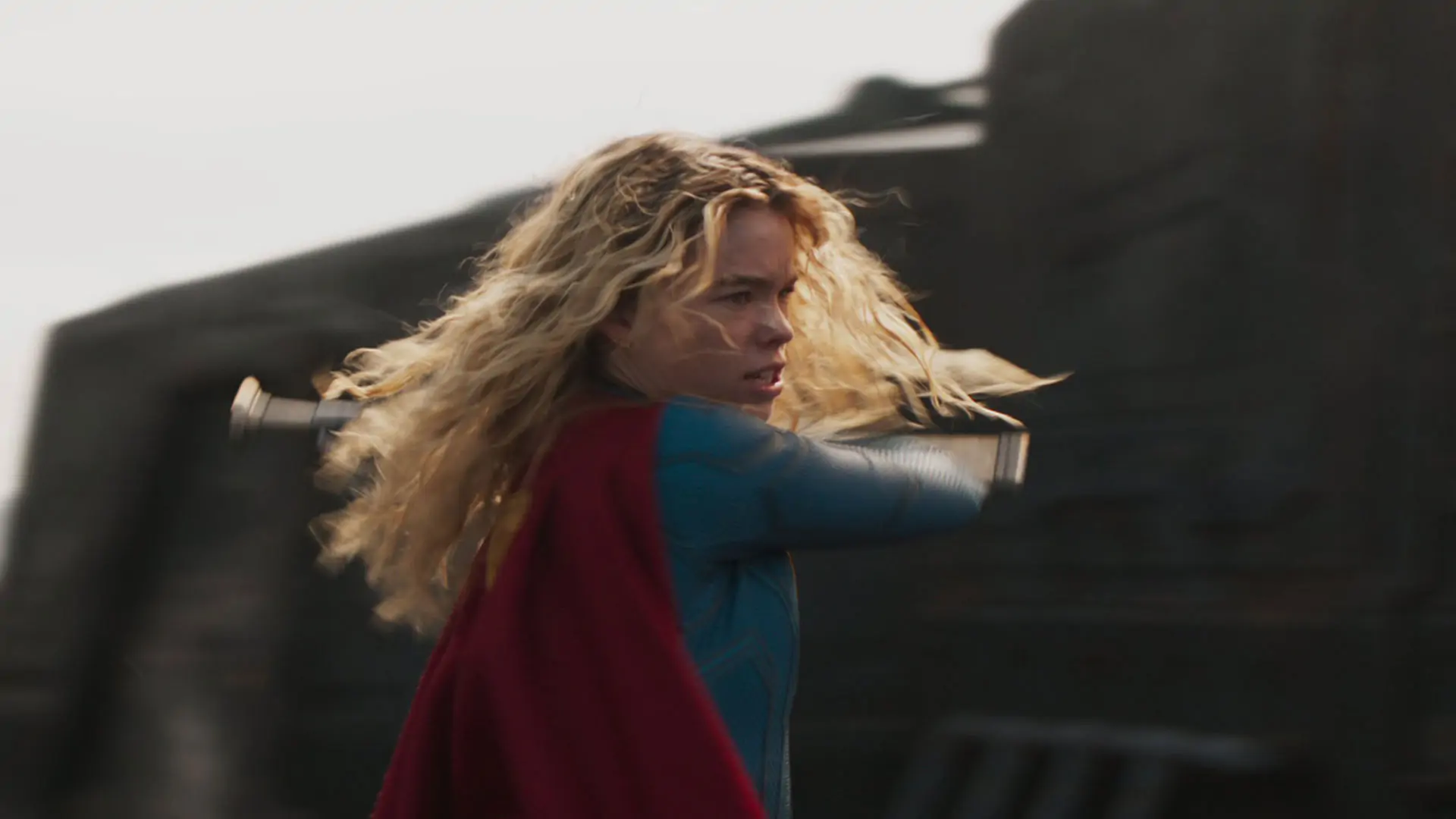
Supergirl fighting in the Supergirl Trailer – YouTube, DC
The strongest superheroes are not defined by limitless power but by how they respond when power alone isn’t enough. Superman has Kryptonite. Batman has no superpowers at all. Spider-Man constantly struggles to balance responsibility with his personal life. Their limitations create conflict, and that conflict makes their victories satisfying.
By refusing to establish clear boundaries for Kara’s abilities, Supergirl removes much of the tension from its own story. Instead of watching a hero overcome meaningful obstacles, the audience is left wondering whether the rules will simply change again before the next scene ends.
Lobo experiences a similar issue. Jason Momoa brings plenty of charisma to the role, and the film presents him as one of the galaxy’s most dangerous bounty hunters. Yet his effectiveness changes dramatically from scene to scene. Sometimes he’s unstoppable, while other times he stands aside as problems are solved by others, making his reputation feel inconsistent.
Why was he in the cell? Why did he stay in the cell? So many questions, so little plot to explain it…

Eve Ridley as Ruthye in the Supergirl trailer – YouTube @dcofficial
Krem also struggles with fluctuating competence. He’s introduced as a dangerous and calculating villain, but his success often depends less on his own abilities and more on the heroes making convenient mistakes. His threat level changes according to what the plot needs rather than through believable strategy. Sometimes he acts like he planned everything, sometimes he is running around like some watered down version of Pinhead from Hellraiser.
The inconsistency becomes even more noticeable in Krem’s actions. The film establishes that his people abduct women because they are essential to the continuation of their species. Given that premise, one of the opening scenes immediately raised a question for me. After attacking Ruthye’s home and killing her family, Krem simply leaves her standing in the burning ruins rather than taking her with him.
If women are supposedly such a scarce and valuable resource to his civilization, that decision feels difficult to reconcile with the motivations the film has already established. The closest the screenplay gets to providing an explanation is a throwaway line about the “cells being full” that sounded like it was put in there in post.
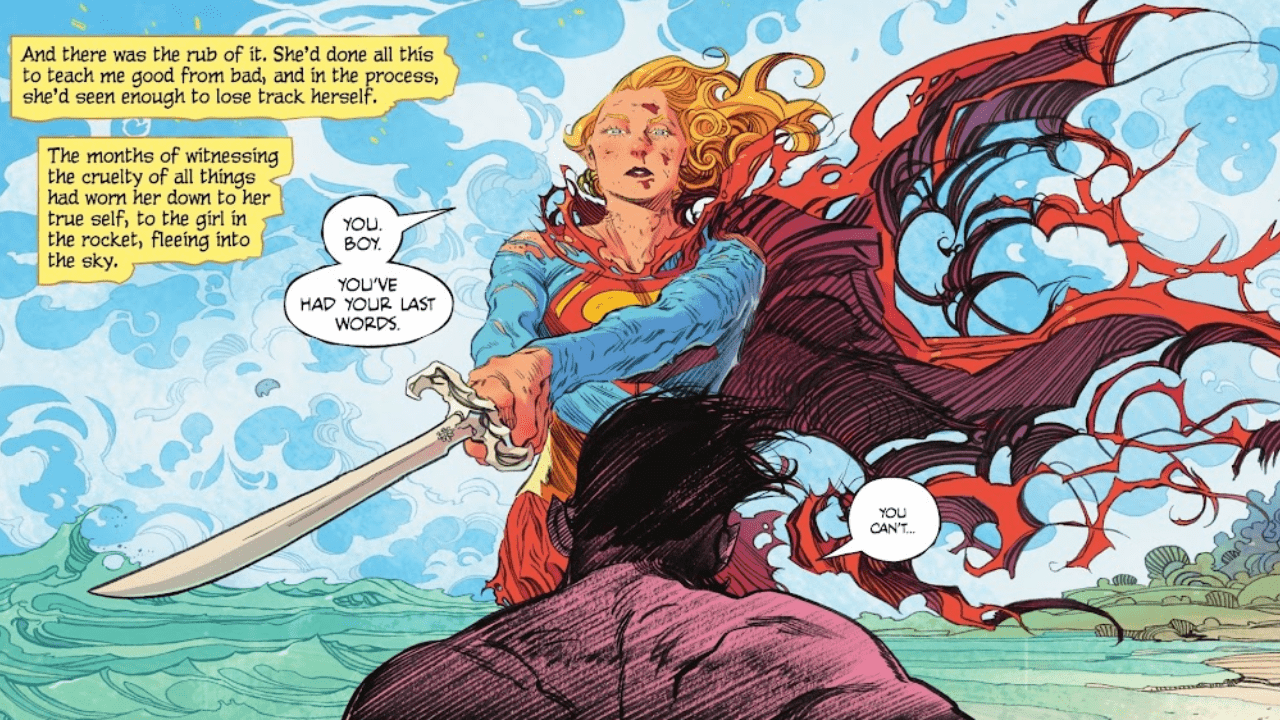
Supergirl: Woman of Tomorrow #8 (2022), DC Comics
The moment feels less like a choice made by a believable character and more like a choice made because the plot requires Ruthye to survive and pursue revenge. It’s another example of the story asking the audience to accept actions that serve the narrative without clearly serving the characters’ motivations.
Ultimately, the characters succeed or fail based on what the scene requires rather than on clearly established abilities. Without consistent rules, the action loses much of its suspense because the audience never knows which limitations will actually matter.
Too Many Languages, Too Little Accessibility
One aspect of the film that frustrated me more than I expected was its frequent switching between spoken languages. I understand why filmmakers use multiple languages to make fictional worlds feel larger. However, in this case I found it distracting rather than immersive.
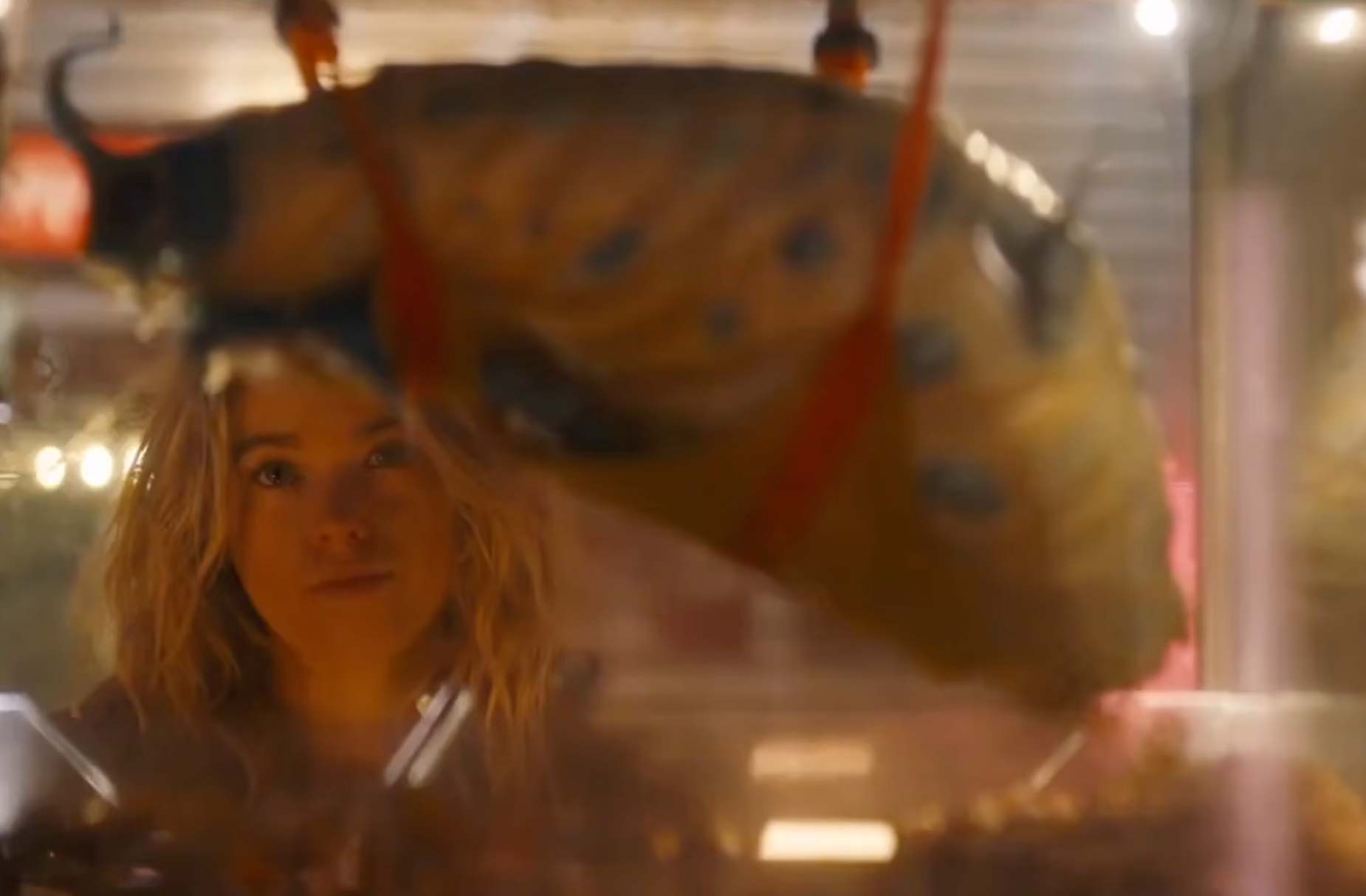
A clip from Supergirl – DC
As someone who is dyslexic, rapidly changing subtitles become difficult to follow. The film moves between languages so often that I occasionally found myself focusing more on reading than on watching the performances.
When multilingual storytelling becomes frequent enough that viewers struggle to follow the narrative, it’s worth asking whether the added realism is worth the cost.
Villains Without Much Depth
The antagonists left surprisingly little impression on me. While they unquestionably commit terrible acts throughout the film, I never felt the screenplay developed them beyond simply being “the bad guys.”
Their motivations remain shallow, their personalities are largely interchangeable, and their actions rarely reveal anything beyond a desire to move the plot forward.
The most memorable villains in science fiction aren’t compelling simply because they’re cruel. They usually possess a clear worldview, understandable motivations, or an internal logic that explains why they believe they’re justified. Even if the audience disagrees with them, their actions make sense within the framework of their beliefs. Here, that depth is largely absent. The villains function more as obstacles than as fully realized characters.
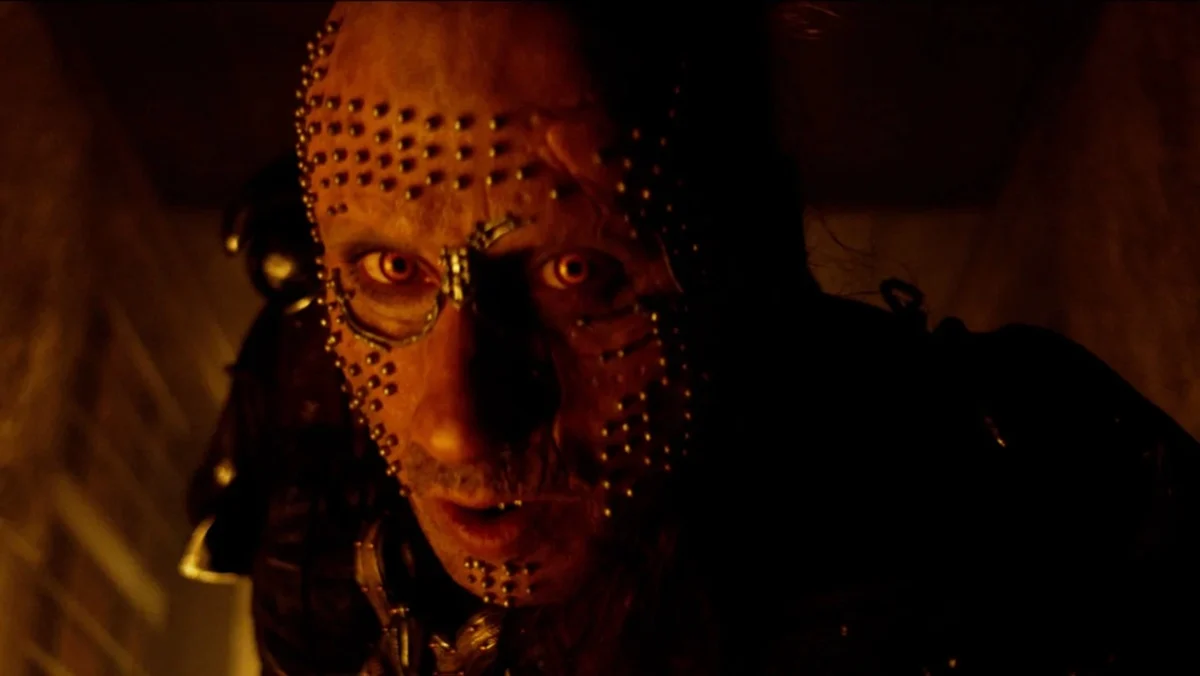
Krem in Supergirl – DC
Their central premise also raises questions that the film never seems interested in answering. The story introduces a race composed entirely of males who abduct women in order to continue producing more males. From a science-fiction perspective, that’s an interesting concept, but it immediately invites questions about how this civilization actually functions.
If this species evolved into an all-male society, what biological or technological mechanism allows it to reproduce? Are they using genetic engineering, artificial gestation, cloning, or some other advanced process? The movie never offers even a basic explanation, leaving the audience to simply accept the premise without understanding how it fits into the larger world. From a writer, this feels like someone tried to paint this species off as bad by saying they had to abduct women without putting much thought into it. Lame.
Not every science-fiction film needs to explain every detail of its universe, but the strongest ones provide enough internal logic that the audience can follow along. Here, the villains feel less like a believable civilization and more like a narrative device designed to create conflict. As a result, they never become nearly as memorable or intimidating as the story seems to intend.
Science Fiction Needs Internal Logic
My biggest issue with Supergirl ultimately wasn’t the characterization or even the plot—it was the film’s apparent lack of understanding of basic scientific principles. Science fiction doesn’t need to be perfectly accurate, and audiences are usually happy to accept impossible technologies or fictional physics. What it does need is internal consistency and a believable understanding of cause and effect.
Throughout the film, the technology exists only when the plot requires it. The surviving Kryptonians maintain a sophisticated habitat drifting through deep space, complete with shielding capable of protecting them from the vacuum and countless other hazards. Naturally, that raises questions. How are they producing food? How are they recycling water? Where does their power come from?

William Shatner as James T. Kirk in Star Trek Generations (1996), Paramount Pictures
Most importantly, if they possess shielding advanced enough to sustain life in space for decades, why is it incapable of protecting them from the radiation that is supposedly killing them? Radiation becomes less of a scientific problem and more of a convenient plot device used to separate Kara from her family.
That same inconsistency appears throughout the film. Earth music somehow exists across distant regions of the galaxy with little explanation, making the universe feel surprisingly small. Medical technology is similarly inconsistent. The story presents an advanced interstellar civilization, yet Krypto’s poisoning can only be cured by tracking down a single individual who conveniently carries the antidote around his neck. Rather than feeling like believable science fiction, it feels like a familiar adventure trope.
Individually, none of these details would ruin the movie. Together, however, they reveal what I believe is the screenplay’s greatest weakness: it doesn’t seem interested in understanding the basic scientific ideas it repeatedly asks the audience to accept. Even fictional worlds benefit from logical foundations. When those foundations shift from scene to scene, the story becomes much harder to believe, no matter how impressive the visuals may be.
Final Thoughts
Ultimately, I didn’t leave disappointed because this film differs from the comics. Comic adaptations change details all the time, and some of the best superhero films have succeeded precisely because they were willing to reinterpret their source material while remaining true to the spirit of the characters.
I left disappointed because I never felt this movie understood what made Supergirl compelling in the first place. The characterization feels disconnected from the source material, the worldbuilding lacks consistent internal logic, and too many story beats rely on convenience rather than earned development. Rather than building a believable universe with clearly defined rules and emotionally grounded characters, the screenplay often prioritizes spectacle over substance.
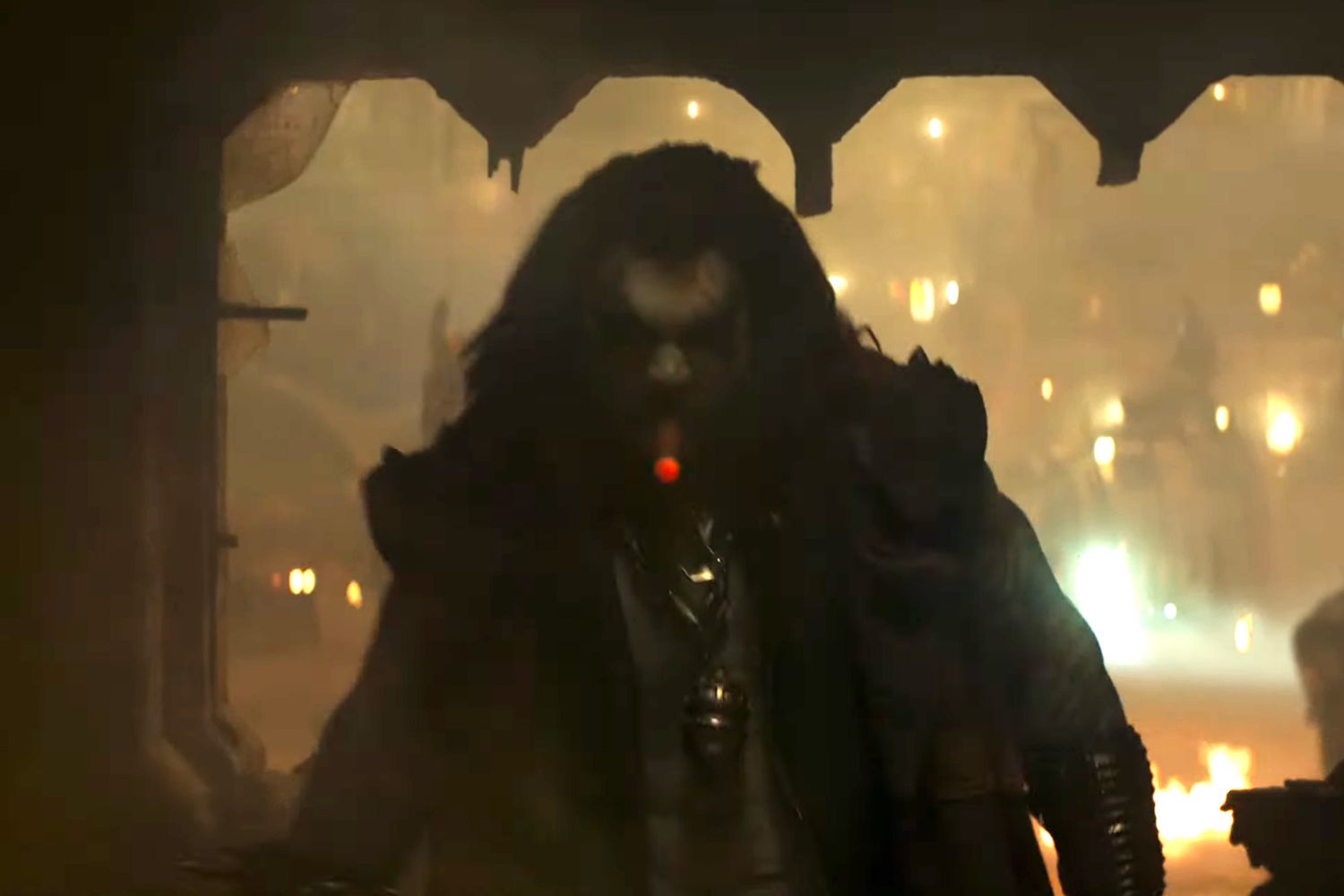
Jason Momoa as Lobo in the Supergirl Trailer – YouTube, DC
There are genuinely interesting ideas scattered throughout the film. Jason Momoa’s portrayal of Lobo is consistently entertaining, several of the visual effects are impressive, and there are moments that hint at a much stronger movie beneath the surface. Unfortunately, those strengths never fully come together because the foundation of the story feels uncertain. Strong visuals and charismatic performances can elevate a film, but they can’t replace compelling writing, coherent worldbuilding, or characters whose choices feel authentic and earned.
For me, this wasn’t a Supergirl movie. It was an original science-fiction adventure that happened to borrow Supergirl’s name, costume, and emblem. Had it been presented as an entirely new property, I suspect I would have judged it far less harshly. But when a film chooses to carry the legacy of an iconic character, it also inherits the responsibility of understanding why that character has resonated with readers for generations.
That’s what I ultimately found missing here. I wasn’t looking for a page-for-page adaptation of the comics. I was looking for the heart of Supergirl—the hope, compassion, resilience, and optimism that made me fall in love with the character years ago. Unfortunately, that was the one thing I never found.
I also find it difficult to place responsibility for the film’s shortcomings on any one person. Movies are inherently collaborative. Writers shape the story, directors shape the vision, producers shape the production, actors bring the characters to life, and countless artists behind the scenes contribute to the final product. As an audience member, I have no way of knowing where a particular creative decision originated or how many compromises were made along the way.

The poster for Supergirl – DC
What I can evaluate is the finished film that ultimately reached theaters.
From that perspective, this feels less like the failure of a single writer, director, or performer and more like a project where the creative team never arrived at a shared understanding of who Supergirl is or what made her worth adapting in the first place. When one part of a film struggles, other elements can often compensate. Here, too many foundational pieces—from characterization and worldbuilding to internal consistency and storytelling—fell short at the same time.
I don’t question the effort that went into making this film. Bringing a production of this scale to the screen requires tremendous work from hundreds of talented people. But effort alone doesn’t guarantee a satisfying result. I hope the conversations surrounding this film lead future adaptations to spend less time trying to reinvent why audiences loved Supergirl and more time understanding why she inspired generations of readers in the first place.
Final Score: 1 out 10
P.S. One final thought that stuck with me after the credits rolled: was it just me, or did this version of Superman feel strangely reminiscent of Zachary Levi. Just me? That’s cool.
What’s your Supergirl review? Sound off and let us know!
