


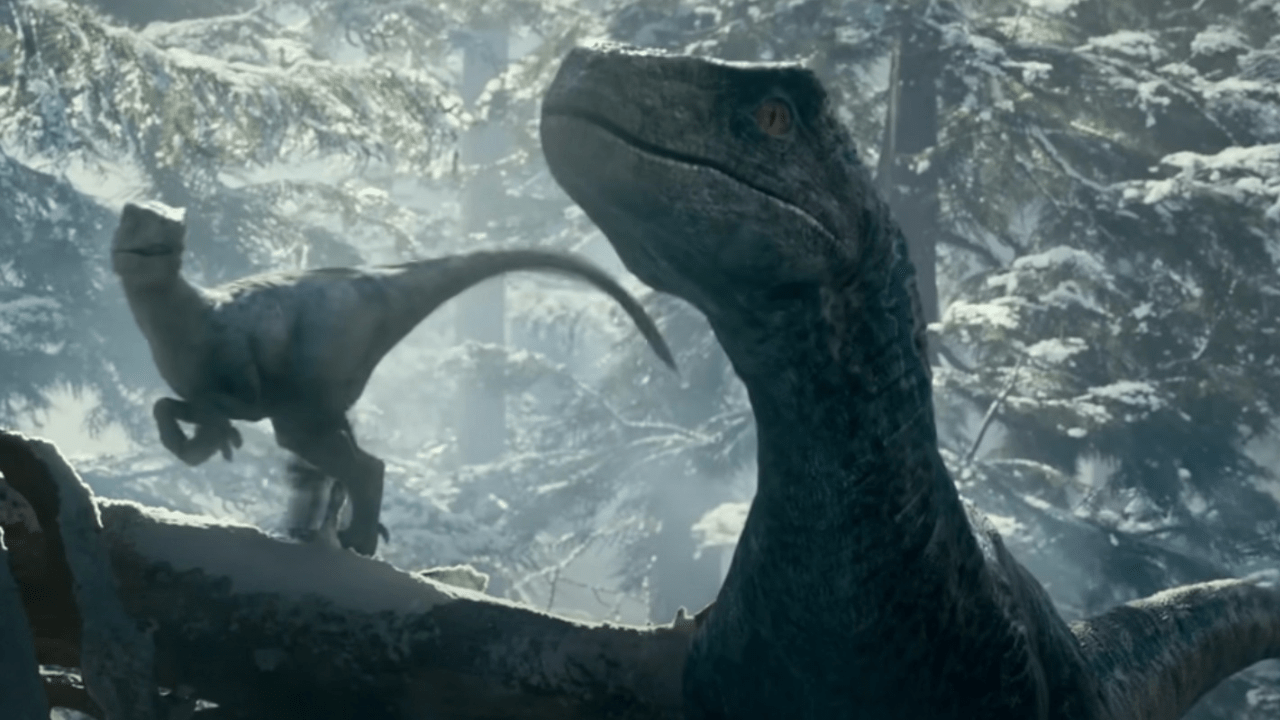
Dinosaurs may be extinct, but their price tag is alive, well, and absolutely massive. Newly released financial documents show that the combined production costs for Universal’s last two Jurassic World movies—Fallen Kingdom (2018) and Dominion (2022)—have officially crossed the $1 billion mark.
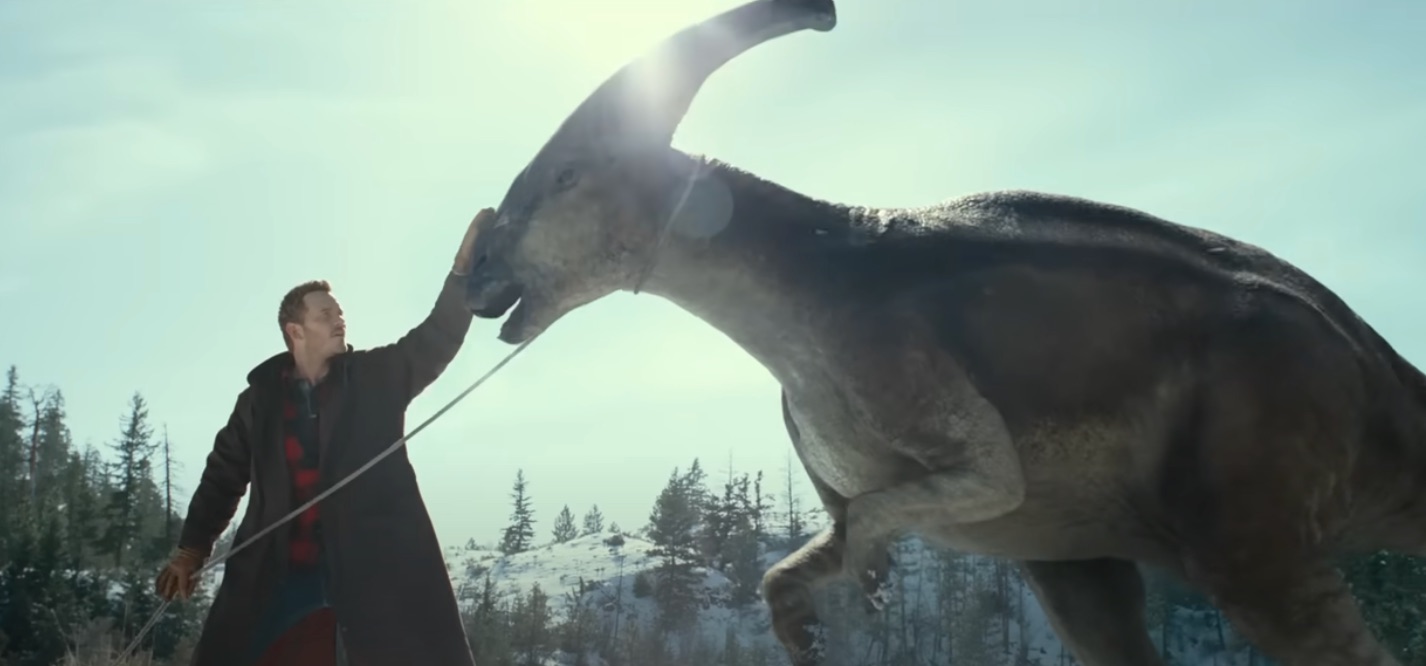
Chris Pratt in Jurassic World Dominion – YouTube, Universal Pictures
That makes them not only among the most expensive blockbusters ever produced, but a testament to just how inflated modern franchise filmmaking has become.
A Record-Breaking Budget and Nostalgia Bait
According to Forbes, Jurassic World Dominion alone cost $583.9 million to make, overtaking Star Wars: The Force Awakens to claim the title of most expensive movie of all time.
And that figure only includes production.
It doesn’t factor in marketing, distribution, or merchandise campaigns, which often run into the hundreds of millions on their own.
Filmed during the height of the lockdowns in 2020, Dominion incurred costs from stringent safety protocols, long delays, and five months of cast quarantine at the Langley Hotel in the UK.
Other expenses included a massive visual effects budget, a sprawling international crew, and blockbuster-level salaries for stars both new and returning. The film reunited original Jurassic Park actors Laura Dern, Jeff Goldblum, and Sam Neill, alongside Jurassic World leads Chris Pratt and Bryce Dallas Howard.
Nostalgia, it turns out, comes at a steep price.
Fallen Kingdom wasn’t much cheaper, clocking in at $555.4 million, thus bringing the total production bill for the two films to just over $1.1 billion.
Box Office Success Doesn’t Tell the Whole Story
Despite those towering costs, both films performed well at the global box office. Fallen Kingdom earned about $1.3 billion, while Dominion followed with $1 billion. However, studios typically take home only around half of box office revenue, with the rest going to theaters.
By those estimates, Universal earned approximately $650 million from Fallen Kingdom and $500 million from Dominion. After deducting production costs, that leaves a modest theatrical profit—especially for Dominion, which barely broke even.
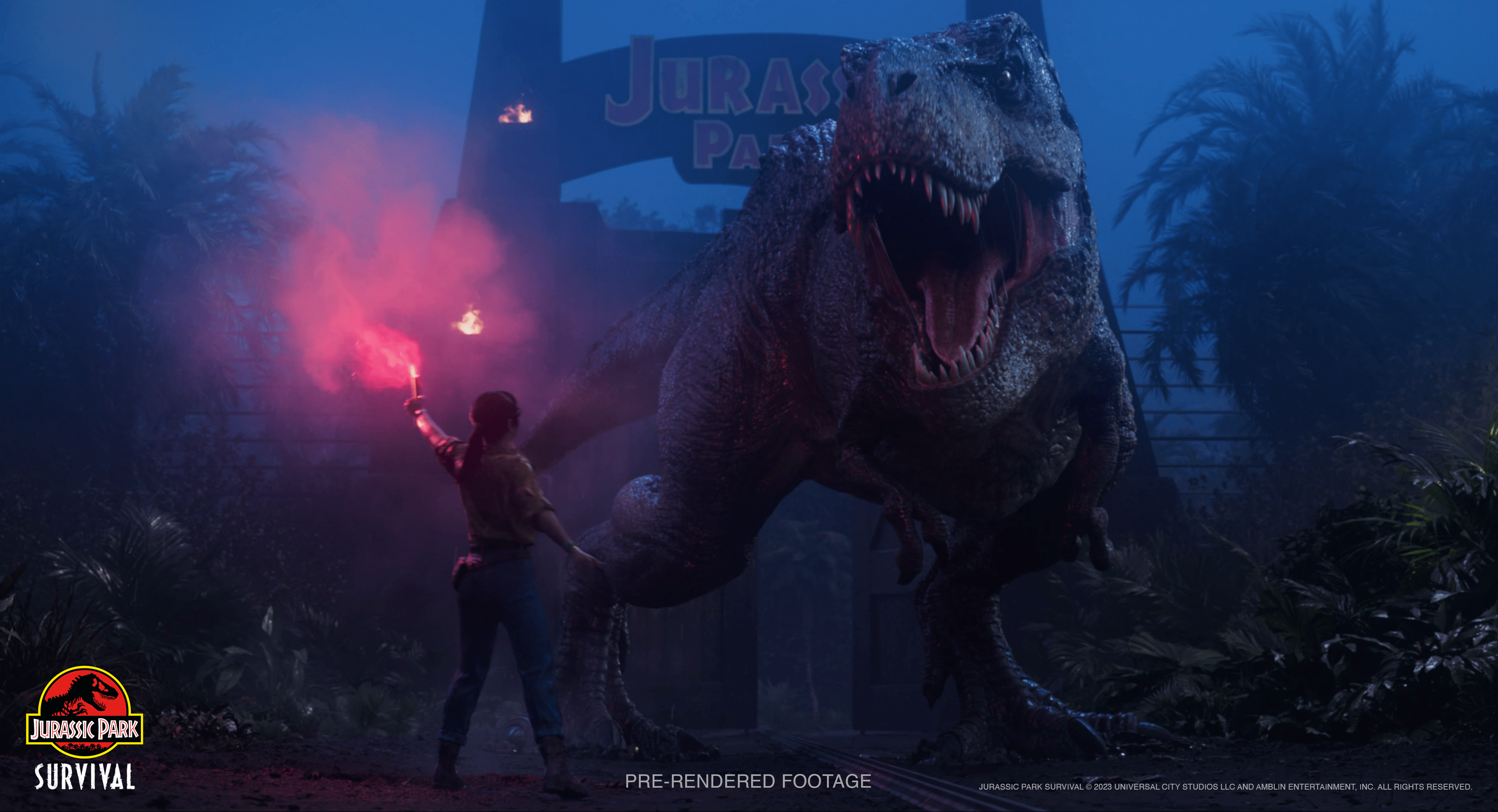
A screenshot from Jurassic Park Survival (TBA), Saber Interactive
That’s not the whole picture, though. These numbers don’t include lucrative home video sales, licensing, theme park attractions, or the mountains of merchandise the franchise continues to generate. Nor do they include marketing expenses, which studios rarely disclose in full.
Even so, the narrow theatrical margins hint at a broader concern: can modern blockbusters continue to justify such enormous budgets, even with brand recognition and global appeal?
Tax Breaks Bring Relief—And Incentive
Interestingly, one of the biggest winners in this dinosaur-sized spending spree may be the United Kingdom. Because both films were produced in the UK, they qualified for the country’s film tax incentive program, which reimburses a portion of eligible production costs.
Dominion reportedly received the largest single rebate in UK film history—over $114 million. That’s in addition to $3.7 million from the UK’s job retention scheme after the global health crisis. Fallen Kingdom also secured a generous tax break.
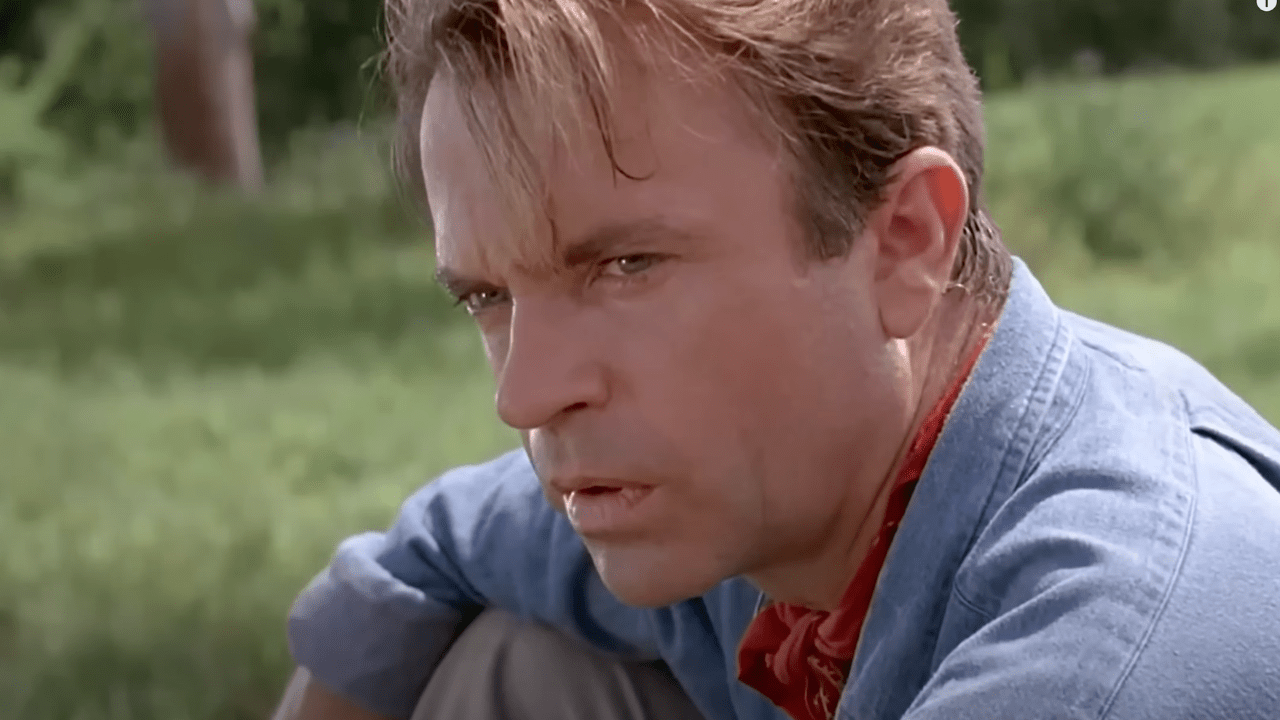
Sam Neill in Jurassic Park – YouTube, Unique Reviews
According to the British Film Institute, as reported by The Guardian, every $1.33 the UK government gives out in film rebates generates roughly $11 in added value to the British economy. These productions create jobs, boost local businesses, and drive long-term investment in the UK’s film infrastructure.
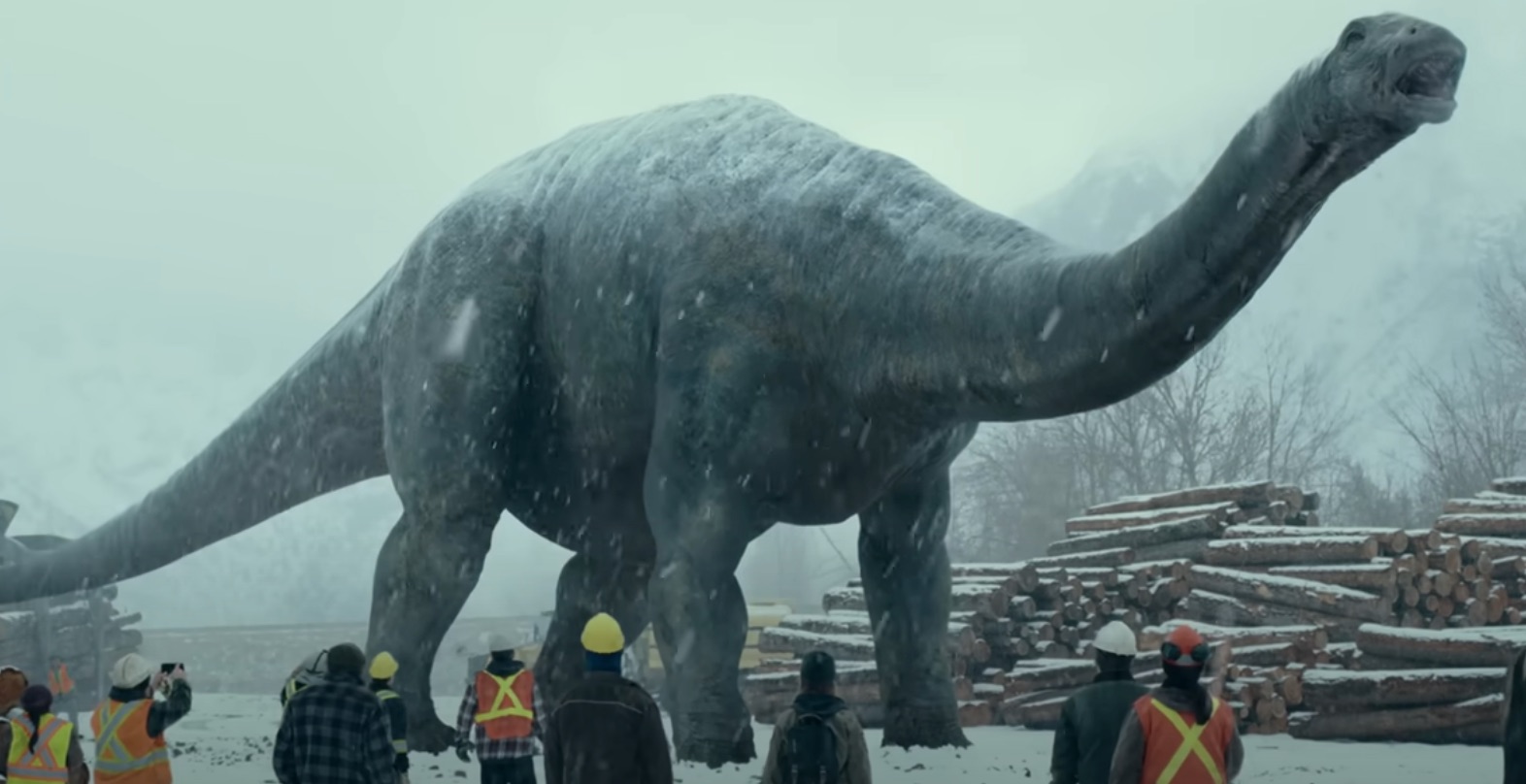
A screenshot from Jurassic World Dominion – YouTube, Universal Pictures
That may help explain why Universal is returned to British soil for the next installment, Jurassic World: Rebirth. Financial filings for that production haven’t yet been released, but if history is any guide, the cost is likely to climb even higher.
Because in Hollywood, dinosaurs may be prehistoric—but budget bloat is anything but.
How do you feel about the cost of these Jurassic World films? Sound off in the comments below and let us know!
UP NEXT: Polygon Sold to GameRant Owner Valnet Followed by Immediate Mass Layoffs of Polygon
