


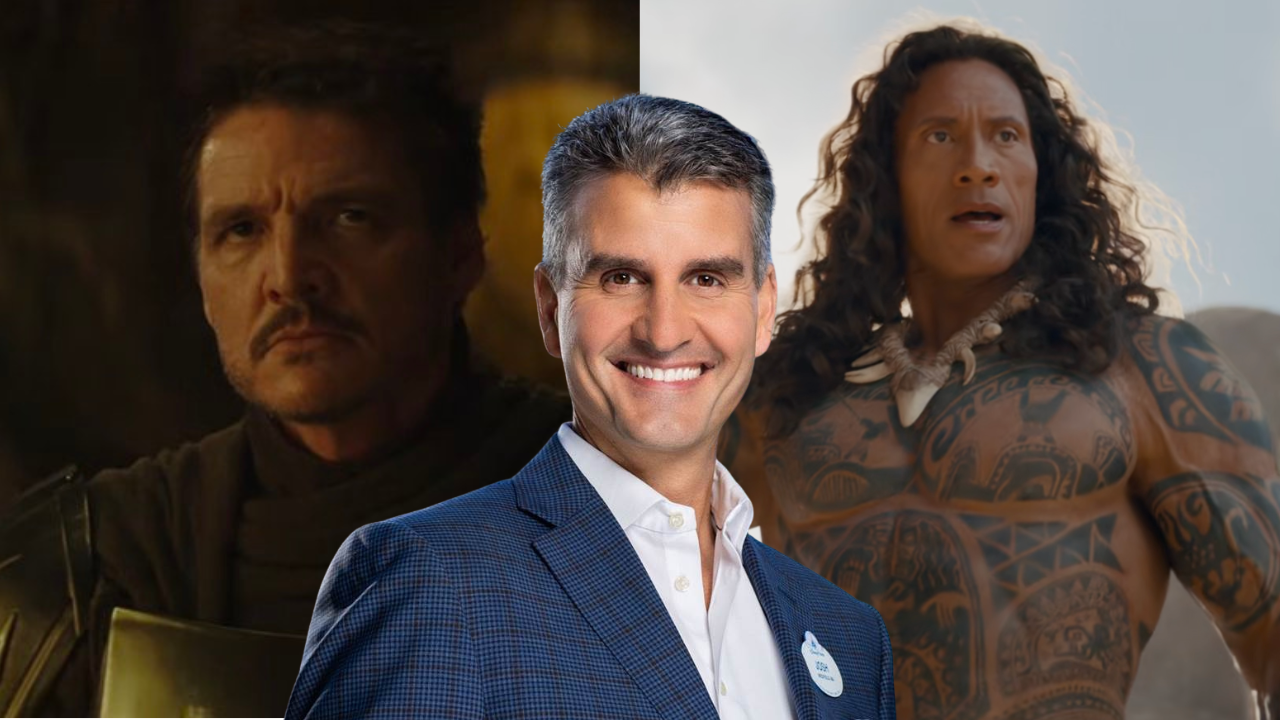
Disney has officially acknowledged what moviegoers and box office analysts have been saying for months: Star Wars: The Mandalorian and Grogu and the live-action Moana remake were flops that failed to meet theatrical expectations.
The admission came during Disney’s latest quarterly earnings call, where Disney CEO Josh D’Amaro conceded both films underperformed at the box office before attempting to argue they were still worthwhile investments because they generated merchandise sales, theme park attendance, streaming engagement, and other benefits across the company.
That explanation, however, raises an obvious question: if theatrical failure can simply be offset by vague claims about helping “other parts of the company,” is there any point at which Disney will admit a franchise strategy simply isn’t working?
Disney Finally Calls Them What They Were
Speaking during the earnings call, D’Amaro acknowledged the disappointing theatrical performances.
“Even when our franchise films don’t meet our box office expectations, as with The Mandalorian and Grogu and the live-action Moana, our investments in these core properties fuel other parts of our company,” he said.
That statement is notable because it represents one of the clearest admissions yet from Disney leadership that both films failed to deliver the theatrical results the company expected.
READ: Leaked Tangled Live-Action Photos Gives First Look at Disney’s Upcoming Adaptation
The Mandalorian and Grogu opened over Memorial Day weekend with a soft $81 million domestic debut before finishing its run with roughly $345 million worldwide—a disappointing total for the first Star Wars theatrical release in years.
Meanwhile, Disney’s live-action Moana remake has performed even worse relative to its reported budget. The film has earned just $262 million worldwide against an estimated production budget of approximately $250 million before marketing costs are even considered. Multiple box office analysts have projected the film will lose Disney significant money during its theatrical run.
Those are not the numbers Disney envisioned for two of its biggest franchises.
“It Helped Merchandise” Isn’t a Box Office Victory
D’Amaro attempted to soften the disappointing results by arguing the films generated value elsewhere throughout Disney’s business.
According to him, The Mandalorian and Grogu boosted Star Wars merchandise sales, increased interest in Disney Parks attractions, and drove engagement in gaming.
He also claimed the live-action Moana should become a strong performer on Disney+, building upon the popularity of the original animated film.
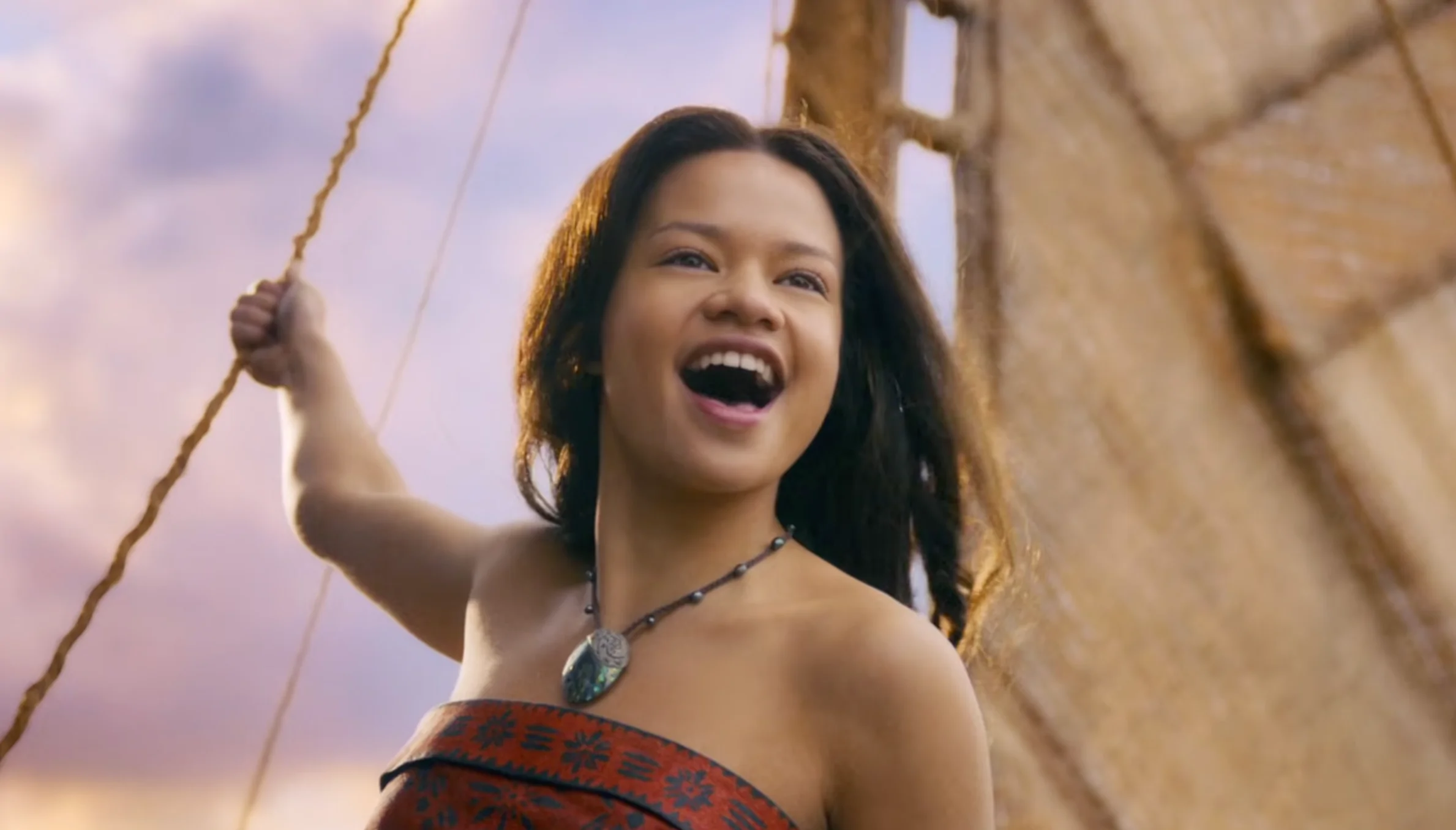
Moana in the live action movie – YouTube, Disney
On paper, that sounds like a reasonable defense. In practice, however, it raises more questions than answers.
Disney has offered no concrete financial data showing these ancillary benefits came anywhere close to offsetting hundreds of millions of dollars in theatrical underperformance. Investors weren’t given merchandise revenue figures. They weren’t shown increases in park attendance attributable specifically to these films. Nor did Disney quantify how much additional Disney+ engagement either title is expected to generate.
Instead, shareholders were essentially asked to accept that these movies created value somewhere else inside the company.
That may ultimately prove true to some extent. But without actual numbers, it’s difficult to evaluate whether those benefits meaningfully compensate for films that failed in the business they were primarily designed for: selling movie tickets.
Every Successful Blockbuster Helps the Rest of Disney
Perhaps the biggest weakness in Disney’s argument is that these cross-company benefits aren’t unique to theatrical disappointments.
Successful blockbuster films also sell merchandise, boost streaming, increase demand for theme park attractions, and generate video game engagement.
In other words, Disney is pointing to benefits that accompany successful franchise films while asking investors to overlook the fact that these particular movies failed in theaters.
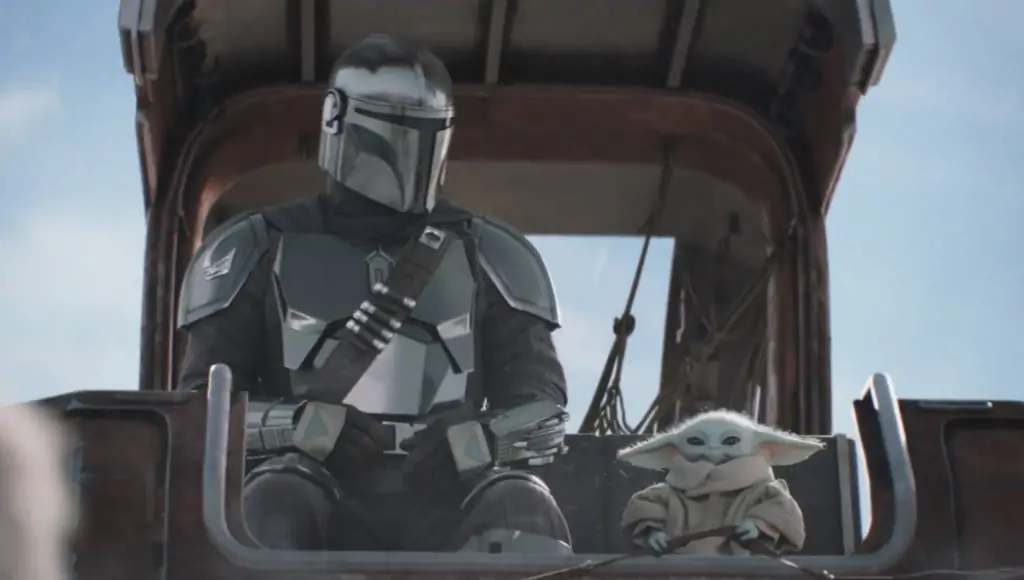
A screenshot from The Mandalorian and Grogu Super Bowl spot – Lucasfilm
READ: Barbie 2 May Not Happen as WBD Refuses Big Raises for Margot Robbie and Ryan Gosling
If The Mandalorian and Grogu had earned $1 billion worldwide instead of $345 million, it almost certainly would have driven even stronger merchandise sales, greater excitement for Disney Parks, and even more engagement on Disney+.
Likewise, a theatrical hit version of Moana would still have become a streaming attraction while also generating hundreds of millions more in theatrical revenue.
The ancillary benefits don’t erase the opportunity cost of leaving enormous amounts of box office revenue on the table for two of Disney’s biggest IPs.
Disney’s Diversified Business Doesn’t Change the Scoreboard
Disney CFO Hugh Johnston echoed D’Amaro’s comments by arguing that Disney’s diversified business model helps absorb the volatility of theatrical performance.
Disney can survive movie disappointments because it operates theme parks, cruise lines, streaming services, consumer products, and television networks. But surviving a flop isn’t the same thing as avoiding one.
Hei Hei in the live action Moana – YouTube, Disney
A weak box office performance remains a weak box office performance regardless of whether another division of the company softens the financial blow.
Calling attention to Disney’s broader ecosystem may reassure investors. It does little to change how audiences responded to these films and the creative failure that went into their production.
The Bottom Line
To Disney’s credit, the company is no longer pretending these movies met theatrical expectations (that’s something Bob Iger likely would have done).
That honesty is refreshing.
What’s far less convincing is the suggestion that merchandise sales, streaming engagement, or theme park attendance somehow transform box office disappointments into broader successes.
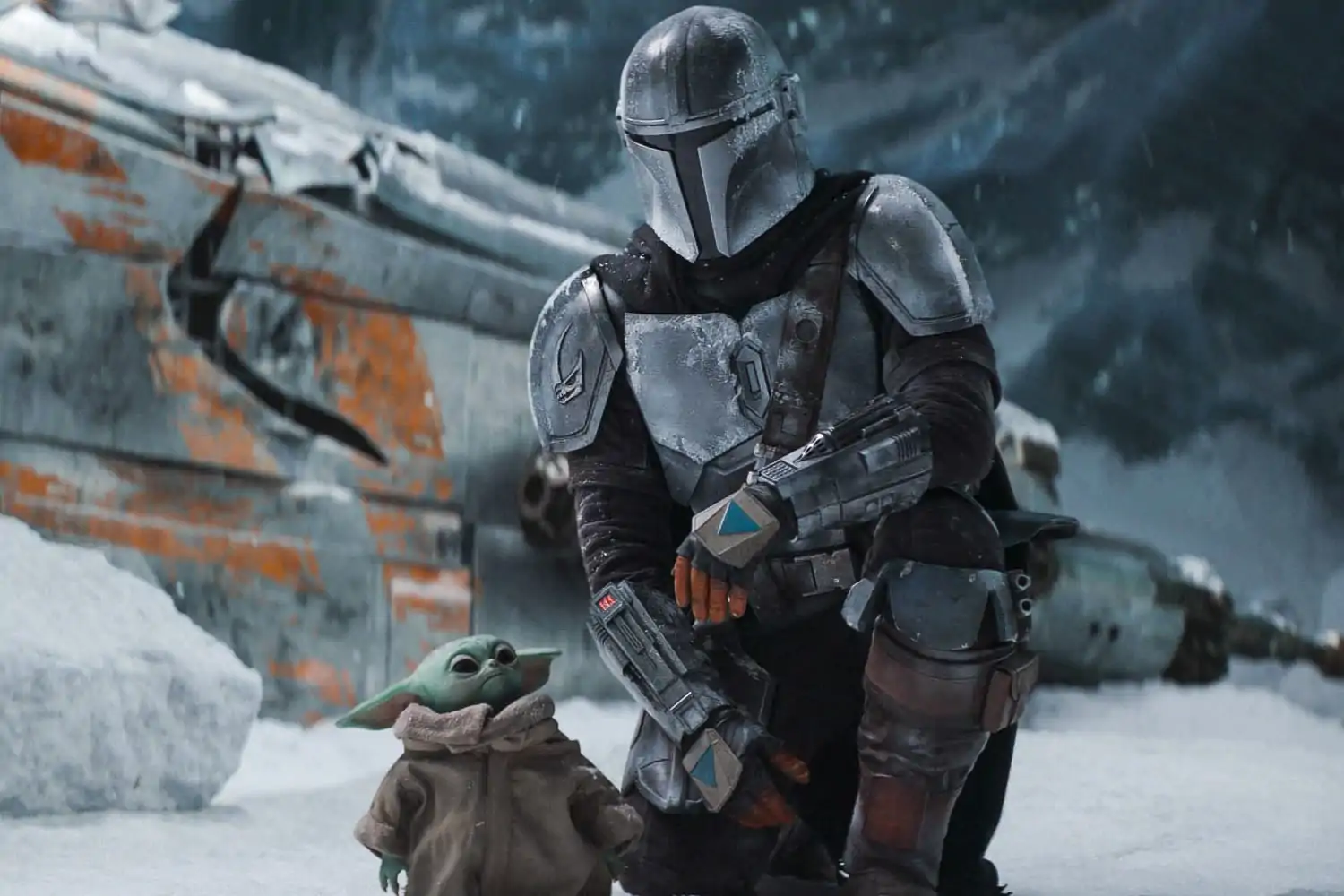
A screencap from The Mandalorian and Grogu – YouTube, Star Wars
Every successful blockbuster fuels those same businesses—only from a much stronger foundation.
The real question isn’t whether The Mandalorian and Grogu and live-action Moana helped other parts of Disney.
It’s how much more they could have helped had audiences actually shown up to theaters in the numbers Disney expected.
Are you surprised D’Amaro admitted that Moana and The Mandalorian and Grogu were flops? Sound off and let us know!
