


Walt Disney Parks and Resorts is facing a major class action lawsuit over controversial changes to the Disability Access Service (DAS), a system designed to assist guests with disabilities at Disneyland and Walt Disney World. The DAS lawsuit, Malone vs. Disney, was filed in Orange County, California, and alleges that Disney, along with its contracted medical screening partner, Inspire Health Alliance, is engaging in discriminatory practices that violate multiple federal and state disability laws.
Lawsuit Alleges Disney is Violating the ADA and Unruh Civil Rights Act
According to the complaint, Disney’s new DAS policies unlawfully restrict access to the service by limiting eligibility to guests with developmental disabilities, such as autism. The plaintiffs argue that this revised policy discriminates against individuals with physical disabilities, violating the Americans with Disabilities Act (ADA), the California Unruh Civil Rights Act, the Health Insurance Portability and Accountability Act (HIPAA), and the California Confidentiality of Medical Information Act (CMIA).
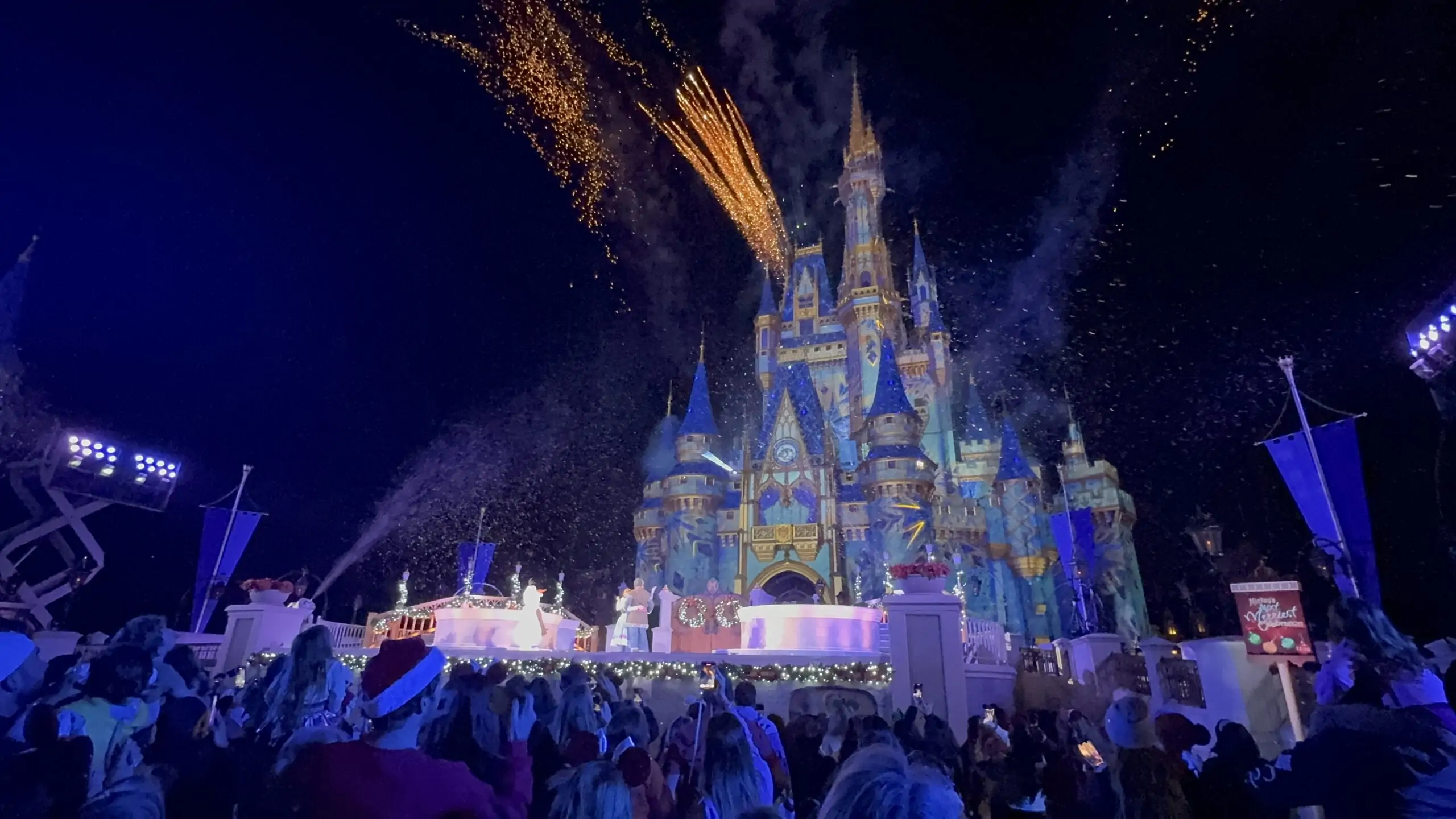
Cinderella Castle at Walt Disney World During a Stage and Fireworks Show – Photo Credit: M. Montanaro
The lawsuit further claims that Disney has implemented unfair and coercive policies requiring guests to disclose private medical information in non-confidential settings, violating their privacy rights. It also challenges Disney’s requirement that disabled guests sign an allegedly deceptive and unenforceable class action waiver before they can even be considered for DAS accommodations.
The Heart of the Controversy: Restrictive Eligibility Criteria
Disney introduced sweeping changes to its DAS program in 2024, citing concerns over excessive use of the service. This rather conveniently came right around the time that Disney rolled out Genie+, its paid fastpass system. Fastpass was once included in the price of a Disney Parks ticket.
The new policy significantly limits DAS eligibility to guests who, due to a developmental disability like autism or similar, are unable to wait in a conventional queue for an extended period of time. Previously, DAS was available to a broader range of disabled guests, including those with mobility impairments, chronic pain conditions, and other physical disabilities that made prolonged waiting in line difficult.

Epcot Spaceship Earth Walt Disney World Orlando 2010. Photo Credit: chensiyuan, CC BY-SA 4.0 <https://creativecommons.org/licenses/by-sa/4.0>, via Wikimedia Commons
The lawsuit argues that this shift is not only exclusionary but also illegal, as the ADA and Unruh Act prohibit businesses from imposing eligibility criteria that “screen out or tend to screen out an individual with a disability” unless such criteria are “necessary for the provision of the goods, services, facilities, privileges, advantages, or accommodations.”
Plaintiffs contend that Disney’s restriction of DAS to those with developmental disabilities is arbitrary and not legally justifiable.
Alleged Privacy Violations and Public Disclosures of Medical Information
The complaint also takes issue with how Disney and Inspire Health Alliance conduct DAS eligibility screenings. Plaintiffs claim that disabled guests were forced to publicly disclose sensitive medical information in front of Disney cast members and other guests, violating HIPAA and CMIA protections.
Rather than allowing in-person DAS registration, Disney now requires Walt Disney World guests to apply through a live video chat with a cast member. Disneyland guests have the option of online registration but are still encouraged to use the same method. The lawsuit alleges that these processes fail to protect guest privacy and create unnecessary hurdles for disabled individuals.

A photo of Star Wars: Galaxy’s Edge at Disneyland Park via Disney Parks blog
Additionally, the plaintiffs argue that Inspire Health Alliance’s role in the screening process further complicates the legal situation. As a contracted third party collecting and evaluating medical information on Disney’s behalf, the company is also accused of violating state privacy laws, including the improper disclosure and handling of protected health information.
Disney’s Alternative Accommodations Under Fire
The lawsuit also challenges Disney’s claim that alternative accommodations, such as Attraction Queue Re-Entry, Rider Switch, or Location Return Time, provide equal access to guests who are denied DAS. Plaintiffs argue that these alternatives fail to adequately address the needs of many disabled guests, particularly those with physical impairments.
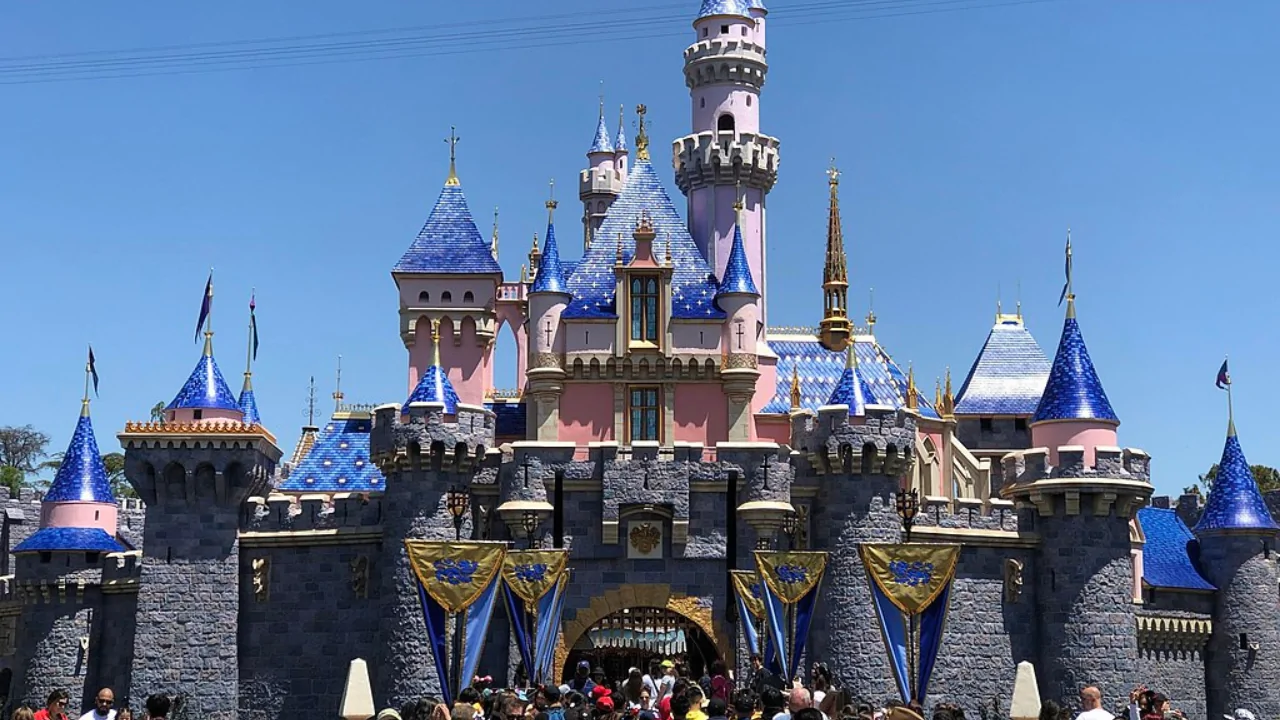
Sleeping Beauty Castle in 2019 after refurbishment. Photo Credit: CrispyCream27, CC BY-SA 4.0 <https://creativecommons.org/licenses/by-sa/4.0>, via Wikimedia Commons
For instance:
- Attraction Queue Re-Entry (also called Meet-Up in some sections) – The lawsuit describes how this forces guests to leave a queue and return later, which plaintiffs argue creates unnecessary physical strain, logistical complications, and safety risks, especially for guests with mobility impairments.
- Rider Switch – The complaint states that requiring disabled guests to wait outside the queue while their party rides does not adequately accommodate individuals who physically cannot endure long waits. It also limits party sizes and can isolate disabled guests from their group.
- Location Return Time – The lawsuit criticizes this option for requiring guests to request accommodations in public settings, leading to embarrassment, emotional distress, and an inequitable system that still forces long waits. It also highlights that this is not offered at both Disneyland and California Adventure, creating a disparity in access.
Lawsuit Seeks Class Certification and Major Policy Changes
The lawsuit seeks class certification for various affected groups, including:
- Guests who applied for DAS after June 18, 2024, and were required to sign Disney’s terms and conditions.
- Guests who disclosed private medical information during the DAS application process in a public setting.
- Guests with physical disabilities who were denied DAS under Disney’s new criteria.
- Guests with disabilities who were directed to Disney’s alternative accommodations, which allegedly imposed undue hardship and failed to provide equitable access.
The plaintiffs are demanding statutory damages, legal fees, and injunctive relief requiring Disney to revise its DAS policies to ensure compliance with disability laws.
A Sudden Change in Disney’s DAS Policy Wording – A Legal Move
In a development that may be connected to this lawsuit, Disney recently made a slight wording change to its DAS policy. Previously, the website stated that DAS “is intended to accommodate only those Guests who, due to a developmental disability like autism or similar, are unable to wait in a conventional queue for an extended period of time.”
Disney has now removed the word “only.”

Promotional image of Peter Pan’s Flight via Disney World website
This seemingly small change could have major legal implications. By eliminating “only,” Disney may be attempting to argue that DAS is not strictly limited to those with developmental disabilities, potentially as a preemptive legal maneuver to mitigate the lawsuit’s claims. However, unless Disney changes its actual eligibility criteria and begins approving DAS for guests with physical disabilities, this revision may be more about optics than genuine inclusivity.
Public Backlash and Advocacy Efforts
Disney’s DAS changes have sparked significant public backlash. A group known as DAS Defenders has led protests against the policy shift, including launching an online petition and displaying a mobile billboard at D23: The Ultimate Disney Fan Event. The lawsuit, however, is not directly affiliated with this advocacy group.
Moreover, individual cases of guests being denied DAS under the new policy have generated outrage. Reports have surfaced of terminally ill guests, cancer patients, and disabled veterans being refused accommodations. Some cast members have even suggested that affected guests “practice waiting in line at home,” further fueling criticism of Disney’s approach.
How Universal’s Disability System Compares to Disney’s
While DAS has faced significant backlash and legal scrutiny, Universal Orlando and Universal Studios Hollywood have taken a different approach to disability accommodations, partnering with an independent third party, IBCCES (International Board of Credentialing and Continuing Education Standards), to handle guest eligibility.

The entrance to Universal Studios Hollywood – YouTube, DocumentDisney
Universal requires guests seeking disability accommodations to apply through IBCCES’s Accessibility Card (IAC) system, which provides a private and confidential way to verify eligibility. Unlike Disney’s system—where guests must participate in a live video interview with a cast member and disclose personal medical details—Universal guests upload medical documentation (such as a doctor’s note) to IBCCES. The documentation is then reviewed by IBCCES specialists, and if approved, the guest is issued an IAC card that they can present at Universal’s Guest Relations upon arrival.
According to IBCCES, this system is designed to “expedite the process onsite at attractions, avoid uncomfortable conversations about individual needs, and assist park staff to provide whatever accommodations are available quickly and easily.” Unlike Disney’s high pressure questioning process, Universal’s approach eliminates the need for guests to discuss their disabilities with park employees or justify their accommodations in front of others.
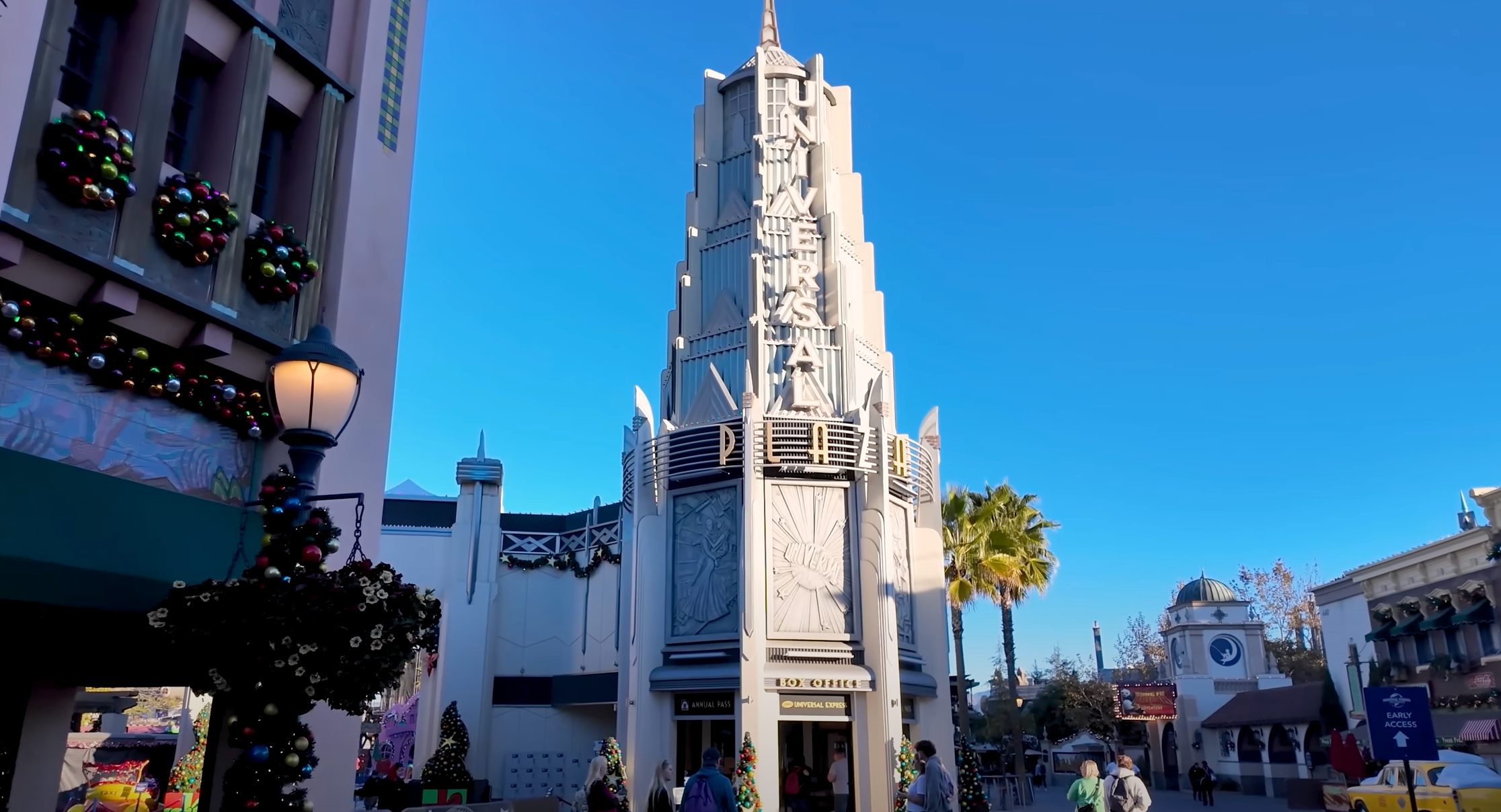
Universal Plaza in Universal Studios Hollywood – YouTube, DocumentDisney
Additionally, while the IAC card does not guarantee specific accommodations (each attraction ultimately determines what it can provide), the system ensures that guests with disabilities receive assistance without the subjective and often invasive eligibility process seen at Disney parks. This more private and structured approach highlights a key difference between how the two major theme park operators handle accessibility—one relying on a third-party verification system with medical documentation, and the other relying on internal interviews and cast member discretion.
What’s Next for the DAS Lawsuit?
As the case moves forward in the Orange County Superior Court, Disney may face increasing legal pressure to modify or roll back its DAS changes. If the plaintiffs succeed in proving that Disney’s new policies violate the ADA, Unruh Act, and CMIA, the company could be forced to make substantial changes to its accessibility accommodations.

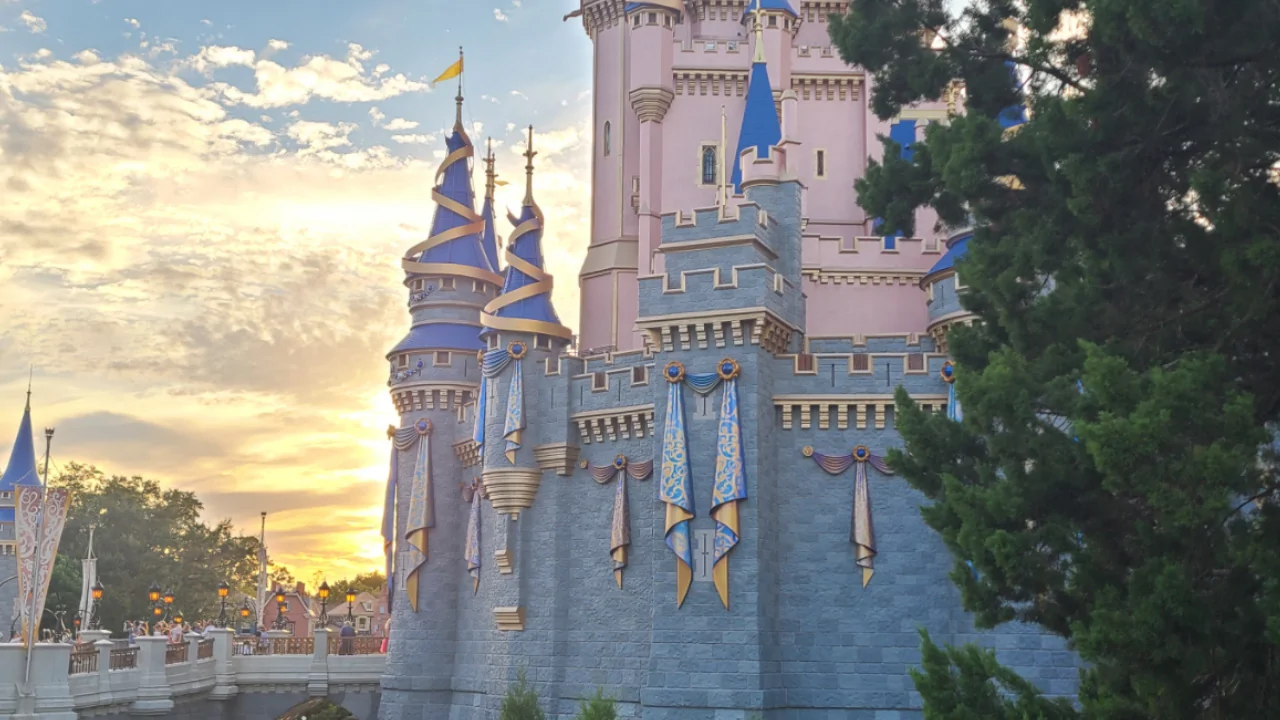
Cinderella Castle in Walt Disney World at Magic Kingdom during a clear Orlando day – Photo Credit: M. Montanaro
For now, Disney continues to defend its DAS policies, maintaining that the changes were implemented to curb abuse of the system. However, with growing legal scrutiny and continued public outrage, the outcome of this lawsuit could have far-reaching implications for how theme parks handle disability accommodations in the future.
The DAS lawsuit is likely to be a long and complex legal battle, but it has already shined a spotlight on the challenges disabled guests face when trying to access theme park attractions. Whether Disney will be forced to change course remains to be seen.
Do you think Disney will be forced to make changes due to this DAS lawsuit? Sound off in the comments below and let us know!
UP NEXT: Elon Musk Calls Video Game Journalism ‘Garbage’ as Struggling Industry Lashes Out to Defend Itself
