


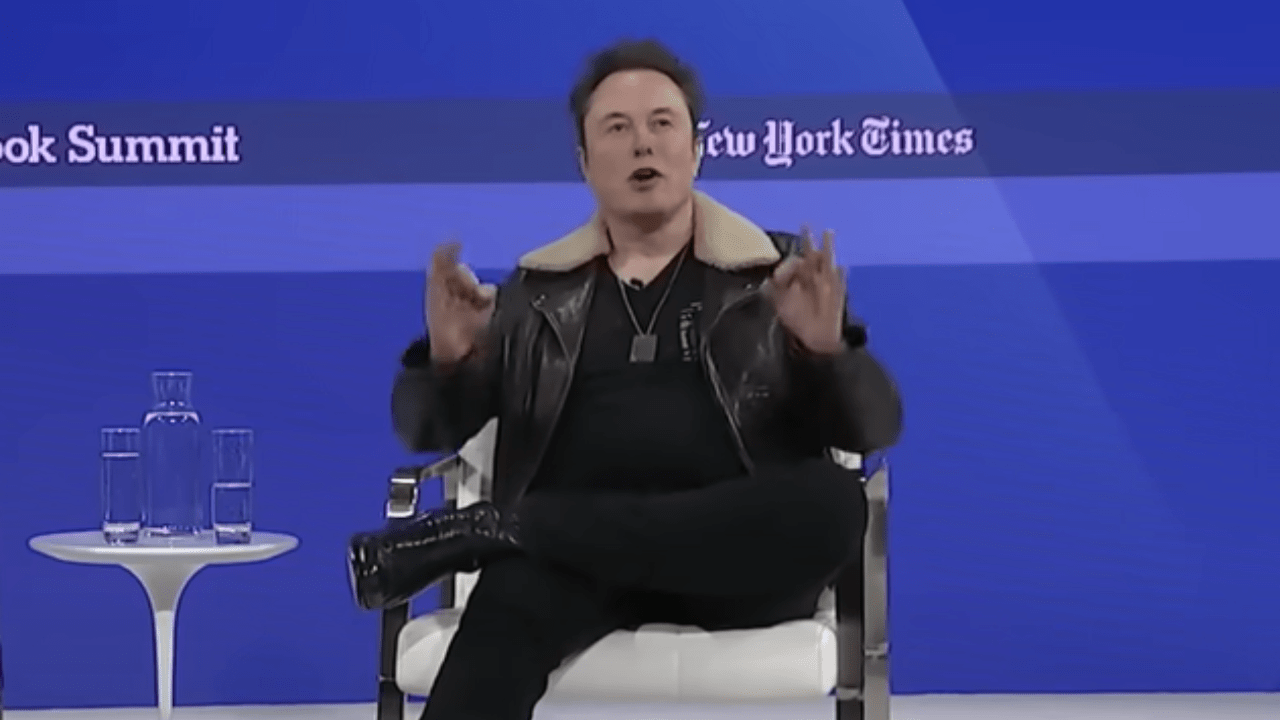
Elon Musk has once again triggered the gaming press, this time with a single post on X that perfectly summed up what gamers have known for years about game journalism.
Video game”journalism” is garbage
— Elon Musk (@elonmusk) February 9, 2025
READ: CI Games CEO Banned From Lords of The Fallen Subreddit Group for Catering to What Players Want
“Video game ‘journalism’ is garbage,” he said simply.
That one short statement was enough to send the usual suspects in games media into a full-blown meltdown. Kotaku reporter Ethan Gach tried to downplay Musk’s criticism.
“‘They ruined my toys’ is the sophistication level of the animus driving the current reactionary takeove,” he said condescendingly.
I know the Kotaku guy ain’t talking rn 🤣
— Ace0️⃣ (@Type_Agito) February 9, 2025
Unsurprisingly, gamers weren’t having it. Gach was relentlessly mocked, with users pointing out the hypocrisy of game journalists who claim to “love” the industry while constantly berating its audience.
Former Kotaku senior editor Alyssa Mercante also chimed in with a sarcastic “Someone is angy [sic],” proving once again that many in the games press would rather sneer at criticism than engage with it.
But let’s be honest—Musk is right, and the backlash from these so-called journalists only proves his point.
The Long Decline of Gaming Journalism
Video game journalists weren’t always this bad. There was a time when outlets actually focused on reviewing games, providing guides, and reporting on industry developments without injecting politics into every headline.
Then came Gamergate.
The 2014 movement, which began as a call for ethics in games journalism, was immediately reframed by the mainstream press as a “harassment campaign.” Journalists closed ranks, attacking gamers instead of addressing their own industry’s corruption. Any dissenting voice was silenced, and those questioning the close relationships between gaming outlets and developers were labeled as bigots.
Fast forward to today, and the rot has only deepened. Many of the same journalists who smeared Gamergate are still working in the industry, and their priorities haven’t changed. They still prioritize activism over reporting, pushing ideological narratives while mocking and dismissing their audience.
Gamergate 2: The Gaming Press Melts Down Again
The gaming press faced renewed scrutiny with the rise of Gamergate 2, which reignited discussions about bias and corruption. The gaming industry is now filled with “narrative consultants” like Sweet Baby Inc. pushing political messaging, while journalists cheer them on. Instead of celebrating player choice and innovation, outlets like Kotaku, Polygon, and IGN have become mouthpieces for ideological agendas.
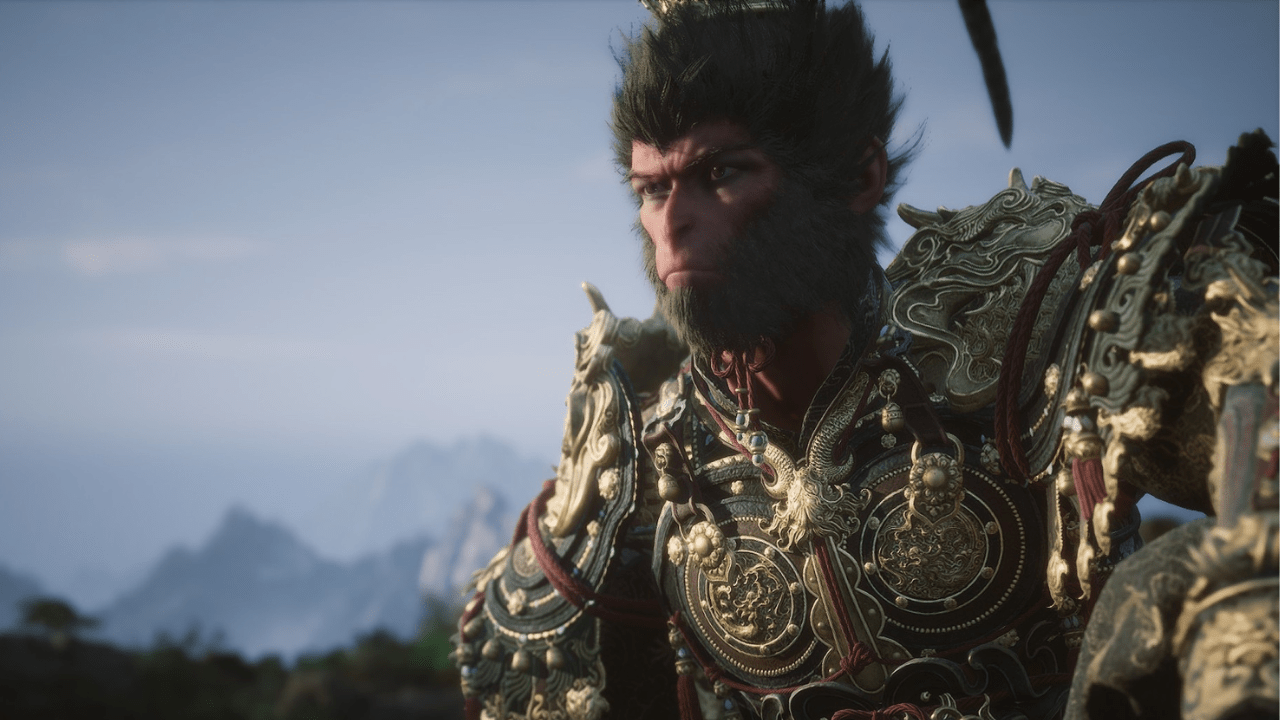
A screenshot from Black Myth: Wukong (2024), Game Science
Just look at the recent coverage of Black Myth: Wukong, where IGN attempted to smear the developers with unverified allegations of sexism. Or the Hogwarts Legacy controversy, where journalists attempted to bully gamers into boycotting a game simply because they disagreed with J.K. Rowling’s stance on gender politics.
The press is no longer interested in serving gamers—it exists to control them.
And now, thanks to the revelations that Politico received $8 million in taxpayer money through USAID and proceeded to reference Gamergate in 22 articles, we have to ask: Has government funding influenced media coverage in gaming, too?
Musk and the Gamers vs. the Legacy Media
Musk calling out gaming journalism is a sign that the tide is turning. When one of the most influential figures in tech openly ridicules the gaming press, it sends a clear message: These outlets no longer hold the power they once did. Instead, gamers turn to people like former World of Warcraft lead Mark Kern, aka Grummz on X, or YouTube personalities like Stuttering Craig, SmashJT, Endymion, and Vara Dark for their news.
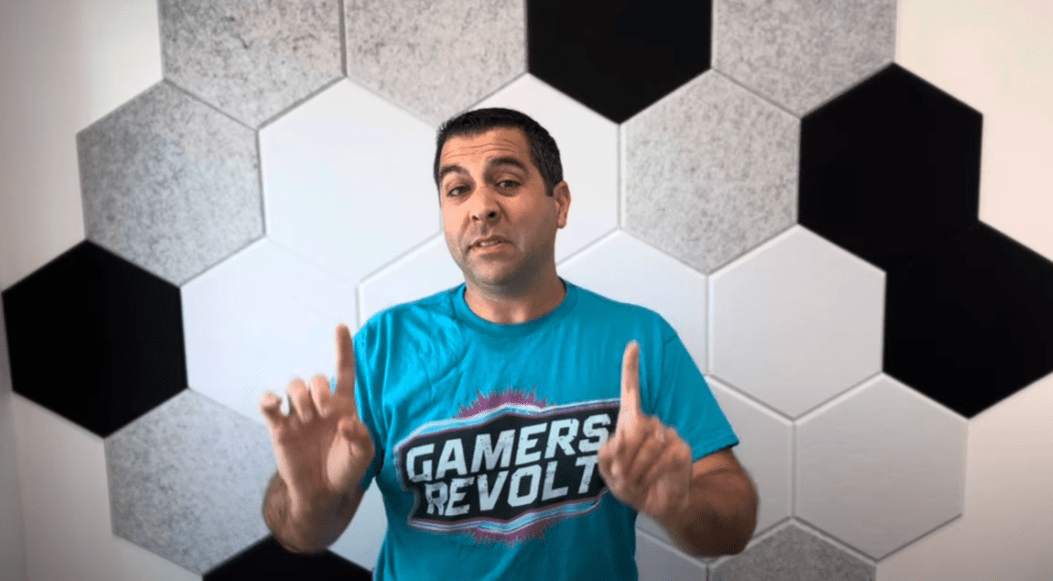
Smash JT via Smash JT YouTube
The gaming press needs gamers far more than gamers need them. But instead of earning back trust, journalists like Gach and Mercante continue to double down, lashing out at their audience and mocking legitimate criticism. It’s no wonder so many gamers are turning to independent creators who actually respect their audience.
Musk didn’t say anything new. Gamers have been calling out these issues for years. The difference is that now, the world is paying attention.
And the gaming press? Well, they’re still “angy” about it.
What do you think about Elon Musk calling out the video game journalism industry? Sound off in the comments and let us know!
