



In one of the most stunning displays of trying to have your cake and eat it too, Disney touted both its new Abu Dhabi theme park and Disneyland’s Pride Night event on the same day.
On May 7th, The Walt Disney Company made headlines not once, but twice — delivering a one-two punch that showcased the company’s corporate double standards in broad daylight.
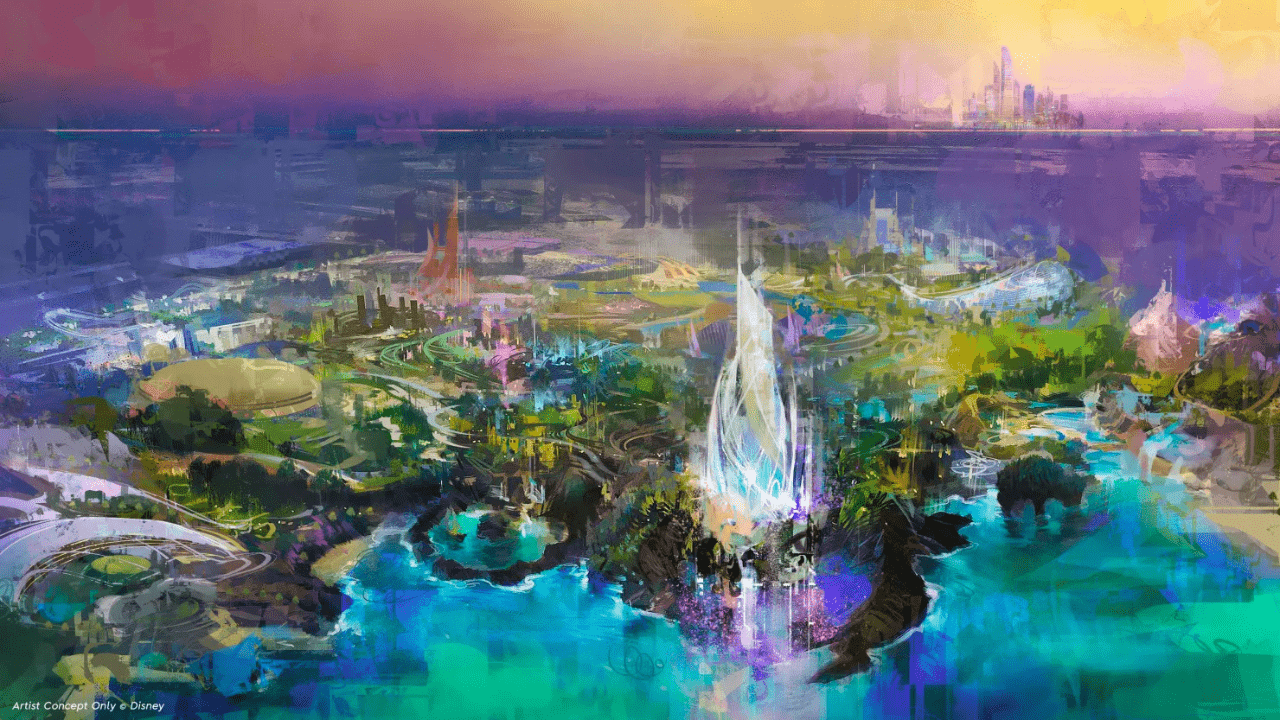
Concept art for the new Disney theme park in Abu Dhabi – Disney
First came the official announcement: Disney is partnering to build a brand-new theme park in Abu Dhabi, deep in the United Arab Emirates, where personal freedoms are strictly regulated and events like Pride Nite would never see the light of day. Then, just two hours later, a push notification lit up phones across the United States — proudly promoting Disneyland After Dark: Pride Nite, inviting guests to “join us for a joyous after-hours party.”
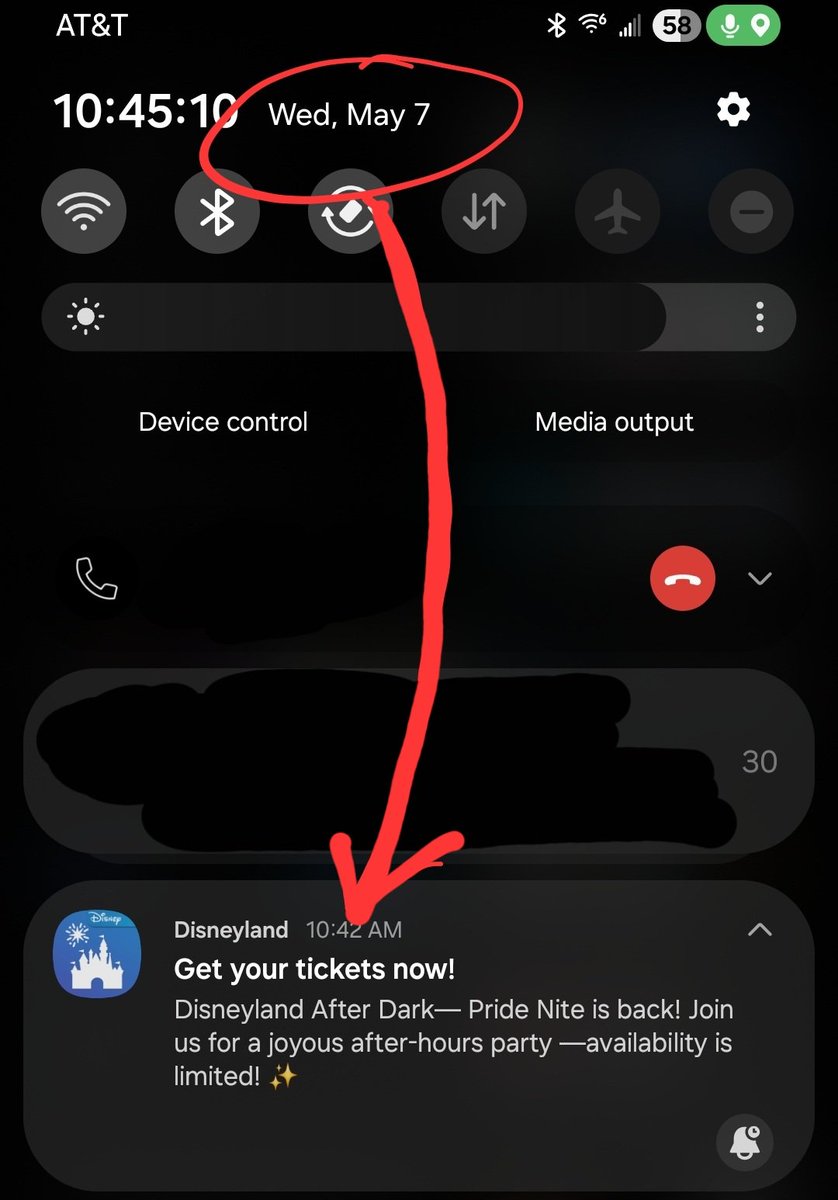
A push notification from Disney about Disneyland’s Pride Nite the same day it announced a new theme park in Abu Dhabi – Photo Credit: Vash Sky
The contradiction couldn’t be more blatant.
In the span of a single morning, Disney managed to signal support for two diametrically opposed cultural positions — one that centers on the celebration of identity politics in California, and one that aligns with a government where those same expressions are criminalized.
This wasn’t just mixed messaging. It was a corporate identity crisis laid bare.
Pandering in Anaheim, Profit in Abu Dhabi
At 10:42 a.m. local time, Disney’s mobile app delivered a bright, celebratory push notification reminding guests to grab tickets for Pride Nite at Disneyland — part of the company’s After Dark event lineup in Anaheim. These events have become increasingly prominent in recent years, tied directly to Disney’s broader alignment with political and cultural causes in the United States.

Rows of Rainbow Pride Star Wars toys at Disney’s Cast Connection
READ: Bob Iger Praises Thunderbolts as Marvel’s Turning Point Despite Record-Low Opening
But by that point, the news cycle was already flooded with headlines about the company’s new venture in Abu Dhabi — a location where open expressions of the very values Disney markets in Anaheim are forbidden.
This is not hyperbole. In the United Arab Emirates, expressions of romantic interest outside of the state-sanctioned norms are punishable offenses. Public celebrations such as Pride parades, themed events, or even symbolic displays are prohibited under law. Rainbow flags are not welcome. The very same content Disney was promoting through its California-based push notification would be censored — or worse — if attempted in its newly announced Middle Eastern park.
So which version of Disney is the real one?
Disney’s Global Split Personality
This isn’t a new pattern for the Mouse House. Over the last decade, Disney has perfected the art of tailoring its messaging to whatever audience stands in front of the cash register.
In the West, especially in California and New York, Disney leans heavily into social causes, virtue signaling through merchandise, character storylines, and park events. Critics have long argued that the company has abandoned its family-centric roots in favor of chasing headlines and cultural approval from activist media.

Disneyland Pride Nite via Patrick Dougall YouTube
Overseas, however, the company plays a different tune. International versions of films are often edited to comply with regional censorship laws. Storylines and characters that are celebrated at home are altered or erased entirely. And in cases like this week’s announcement in Abu Dhabi, Disney’s corporate silence on controversial cultural issues becomes part of the business model.
This isn’t a new pattern. Disney has been walking both sides of the street for years.
- In 2020, Mulan included a filmed thank-you to Chinese government entities responsible for overseeing the region where serious humanitarian abuses were occurring — while simultaneously claiming to stand for justice and equality.
- On Disney+, certain films or episodes are either edited or removed entirely when released in overseas markets like the Middle East or parts of Asia — often due to content that would trigger bans under local laws.
- During international product launches, Disney often dials down its Western-facing advocacy, avoiding rainbow-themed logos or identity branding in countries where such things would hurt sales or offend local governments.
It’s not just inconsistency — it’s calculated compartmentalization.
One Company, Two Faces
The push notification was not a coincidence. It was part of a planned promotional cycle for the Anaheim event, but its timing — just hours after the Abu Dhabi announcement — turned it into an unintentional self-own.
To some, this reads as a clear sign that Disney is willing to say anything, or nothing, depending on which market it’s trying to enter.
And the markets are watching.
You just can’t make it up 🤣🤣🤣 https://t.co/oELlyc1pXT pic.twitter.com/OY388A2VCq
— Dre (@VashSky) May 7, 2025
Social media was quick to pounce on the contradiction. Screenshots circulated of the push notification timestamped just after the park announcement went live. Critics called it the latest proof that Disney’s ideological posturing is nothing more than a sales tactic. Supporters were left confused, if not silent, about how the company could reconcile two completely incompatible value systems within a single corporate morning.
The Bottom Line
Disney’s May 7th contradiction wasn’t an accident. It was the natural outcome of a company that has made profit its only constant. Forget its stated values, principles, and cultural stances.
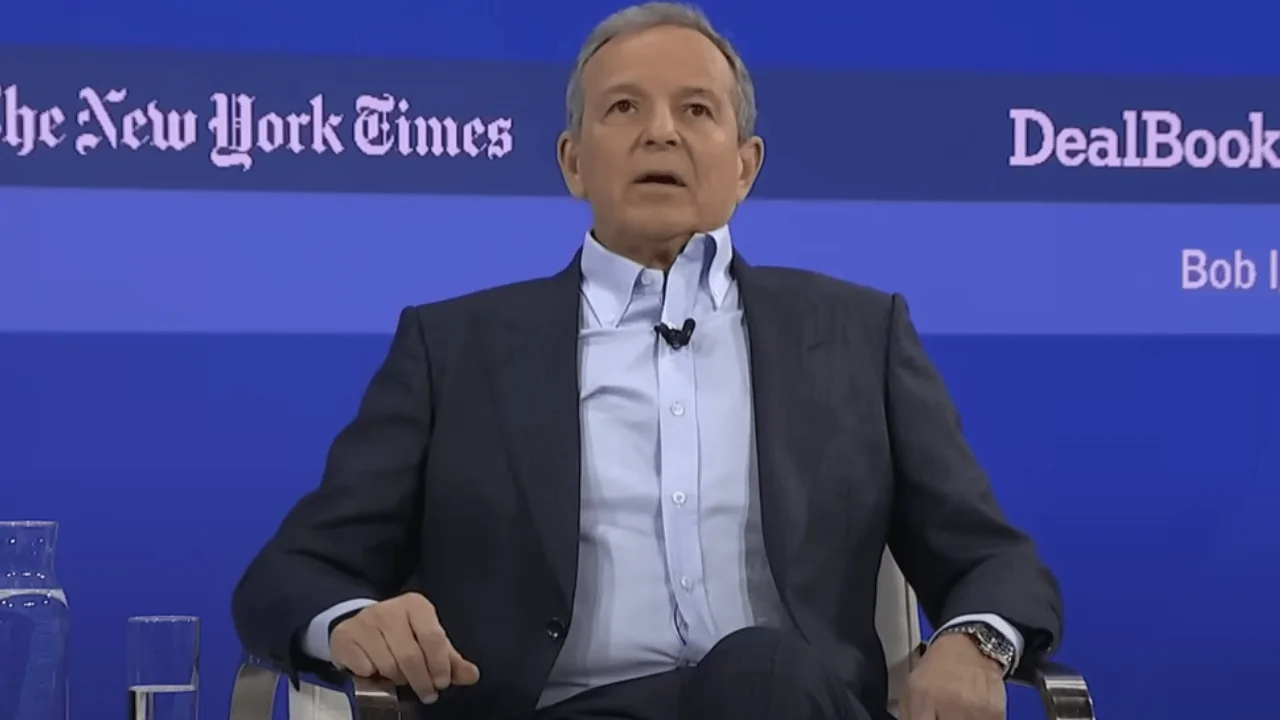
Bob Iger via New York Times Events YouTube
Disney can’t celebrate Pride while cashing checks in a country that outlaws it — at least not without someone noticing.
And thanks to a single screenshot, everyone did.
How do you feel about Disney promoting both Abu Dhabi and Pride in the same day? Sound off in the comments below and let us know!
