


Disney Marketing is undergoing a major internal overhaul, and while corporate media is framing the move as a bold step toward “synergy,” the reality is far less reassuring for audiences who have watched the company struggle to reconnect with consumers over the last several years.
According to a newly revealed internal memo obtained by Variety, Disney has officially centralized its entire marketing apparatus under newly appointed Chief Marketing and Brand Officer Asad Ayaz. The stated goal is to present “one unified storytelling brand” across film, television, streaming, theme parks, consumer products, and sports.
In practice, this marks one of the most aggressive top-down consolidations of messaging the company has ever attempted.
This isn’t just a reshuffling of executives. It’s an acknowledgment—whether Disney wants to admit it or not—that the brand has become fragmented, inconsistent, and increasingly disconnected from its core audience.
Disney Marketing Consolidation Is About Control, Not Creativity
Disney Marketing executives are now being folded into a dual-reporting structure that ultimately answers to a single centralized authority. Five top marketing chiefs remain in place across key divisions, but they now report directly to Ayaz, alongside their respective segment heads.
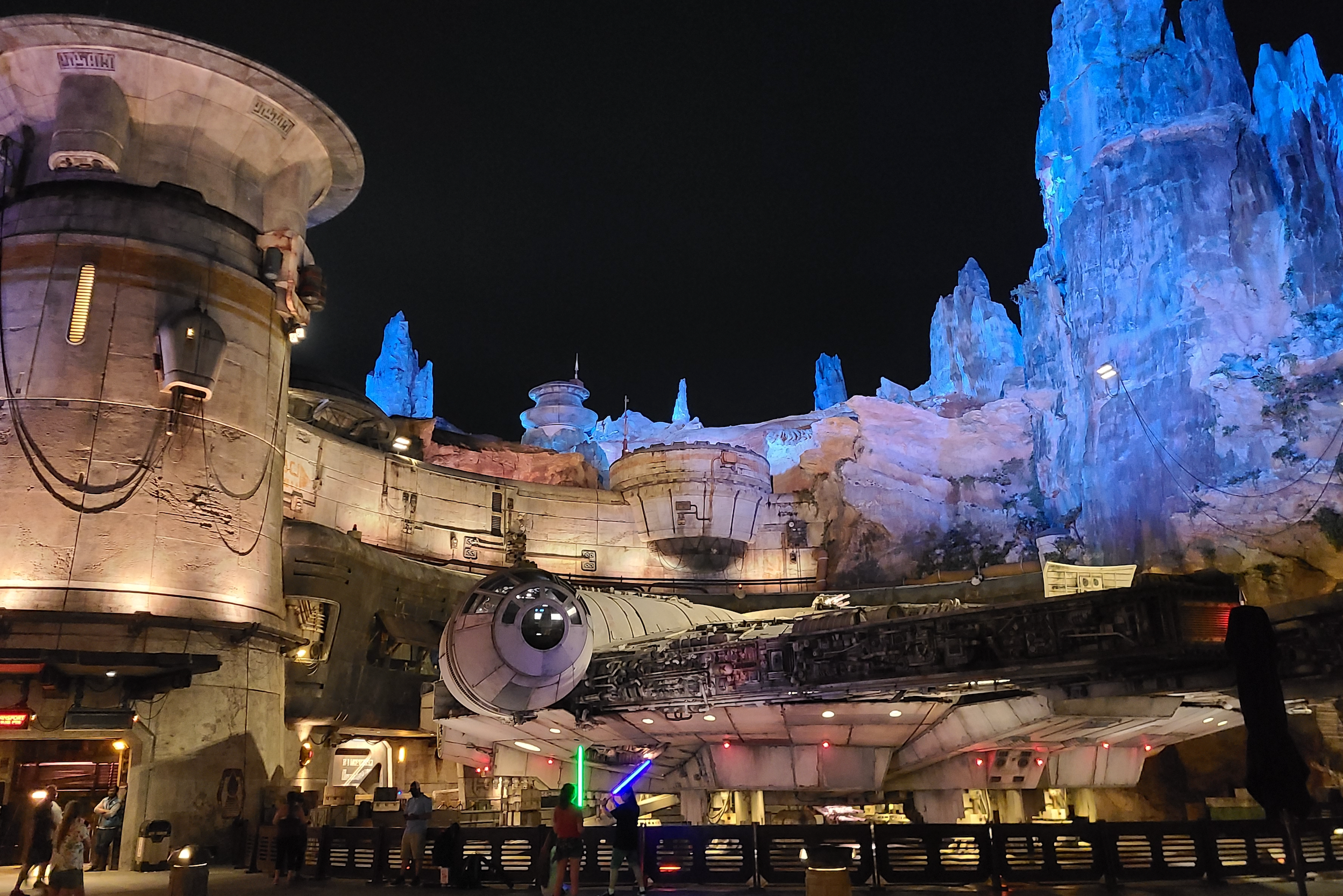
The Millennium Falcon at Star Wars Galaxy’s Edge in Disney’s Hollywood Studios in Walt Disney World – Photo Credit: That Park Place
Disney is also creating an “Enterprise Marketing” group that will oversee brand strategy, creative execution, media buying, data analytics, and consumer insights across the entire company. The language used in the memo leans heavily on buzzwords like scale, optimization, data-driven decision-making, and global alignment.
What’s notably absent is any mention of creativity, storytelling autonomy, or audience trust.
For a company built on emotional connection and generational loyalty, Disney Marketing now reads more like a corporate governance project than a creative strategy.
“One Unified Brand” Means Fewer Distinct Voices
Disney’s insistence on presenting a single, unified brand experience across all divisions raises a serious concern: homogenization.
When everything must align with one corporate-approved narrative, individuality disappears. Film marketing begins to resemble park promotions. Streaming campaigns feel indistinguishable from consumer product rollouts. Franchises stop evolving organically and instead become rigid brand assets managed for maximum cross-promotional efficiency.

Ariel in Mickey’s Philharmagic in Walt Disney World – YouTube, Theme Parks Assemble
This helps explain why so much of modern Disney feels interchangeable. Different properties may wear different costumes, but they increasingly speak with the same voice—and that voice sounds corporate.
Disney Marketing Is Responding to Brand Fatigue
Companies don’t build massive, centralized marketing command structures unless something is wrong.
Disney has faced declining box office performance, streaming instability, franchise fatigue, and growing skepticism from longtime fans. Theme parks, once the gold standard for immersive family experiences, are now routinely criticized for pricing, crowding, and a shift toward adult-focused events and IP-driven monetization.
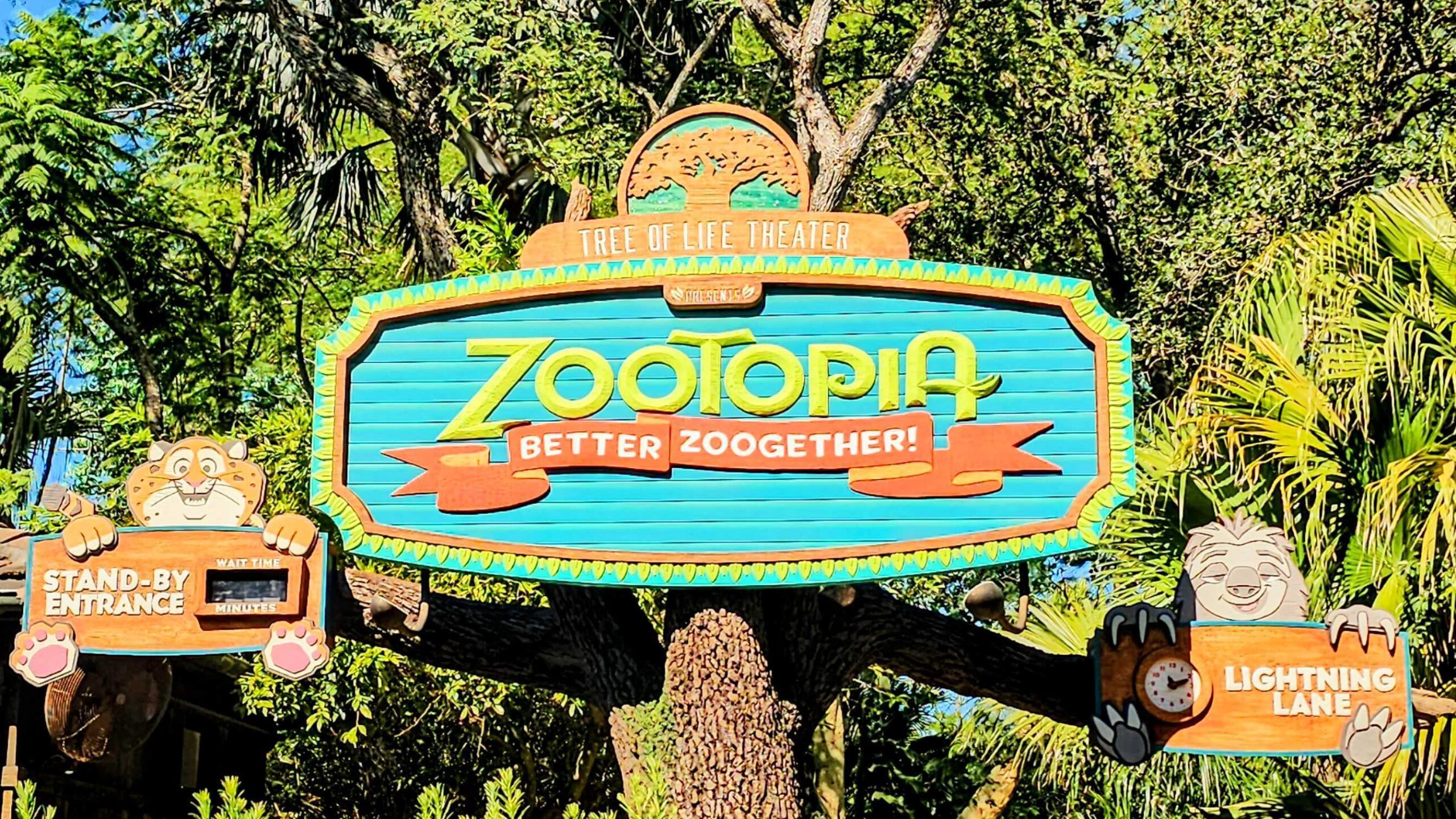
The sign for Better Zoogether at Animal Kingdom in Walt Disney World – Photo Credit: Follow The Bradleys’ Fun
Disney Marketing’s response isn’t to reassess creative priorities or rebuild trust—it’s to tighten messaging discipline.
By placing every division under one centralized strategy, Disney can better manage optics, suppress internal contradictions, and ensure that no segment strays too far from approved brand positioning.
That reads less like course correction and more like damage containment.
Data and Scale Over Audience Connection
The memo places extraordinary emphasis on analytics, optimization, and performance metrics. Marketing decisions will increasingly be guided by data models, campaign measurement tools, and global benchmarks rather than audience intuition or creative risk-taking.
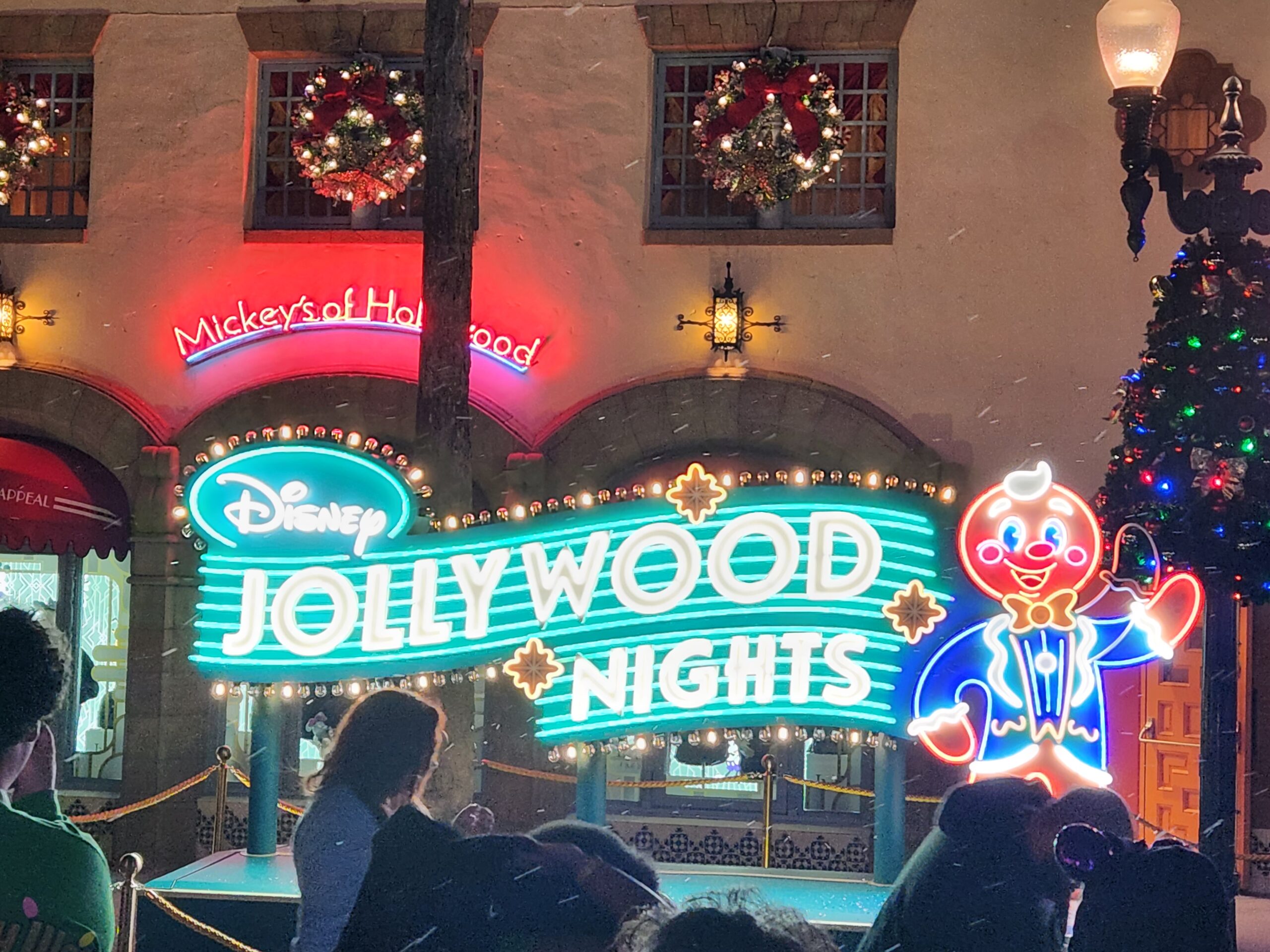
The Jollywood Nights Sign at Disney’s Hollywood Studios in Walt Disney World – Photo Credit: That Park Place
Data is useful. But when it becomes the primary driver, storytelling suffers.
Disney didn’t build its legacy on spreadsheets. It built it on characters, worlds, and emotional resonance. Disney Marketing now appears more focused on managing consumer behavior than inspiring it.
What This Means for Theme Parks and Franchises
For Disney parks fans, this shift is especially telling.
Attractions and experiences are no longer being positioned as destinations in their own right. They are brand reinforcement mechanisms—extensions of franchise marketing strategies designed to keep consumers inside Disney’s ecosystem.
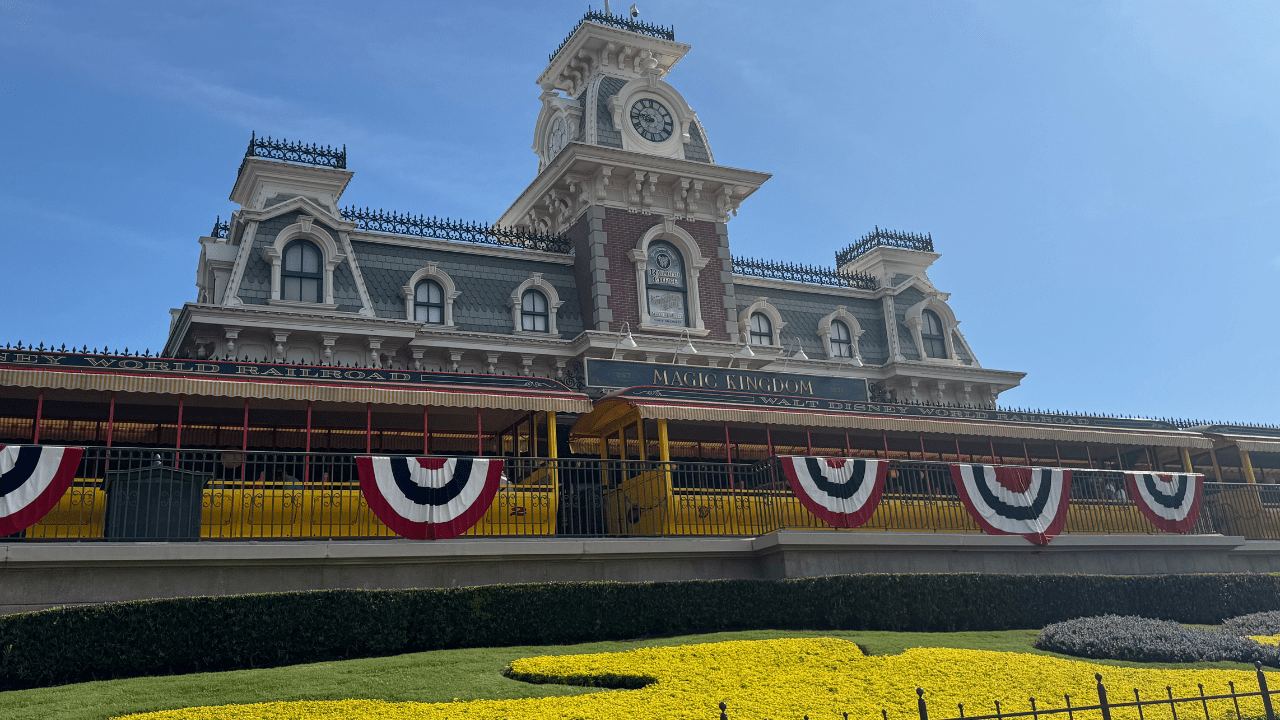
The Main Street USA Train Station at Walt Disney World – Photo Credit: That Park Place
That trend has been visible for years. This restructuring confirms it.
Disney Marketing is no longer supporting creative output. It’s steering it.
The Bigger Picture
Corporate media may celebrate this reorganization as forward-thinking, but the message beneath the surface is clear: Disney doesn’t believe its brand can speak for itself anymore.
Instead of rebuilding trust through better stories and experiences, Disney is betting on tighter control, centralized messaging, and marketing scale to paper over deeper issues.

Cinderella Castle in Walt Disney World at Magic Kingdom during a clear Orlando day – Photo Credit: M. Montanaro
That might stabilize the brand in the short term. But it won’t restore the magic.
Audiences can tell the difference.
How do you feel about this Disney marketing reshuffle? Sound off in the comments and let us know!
