


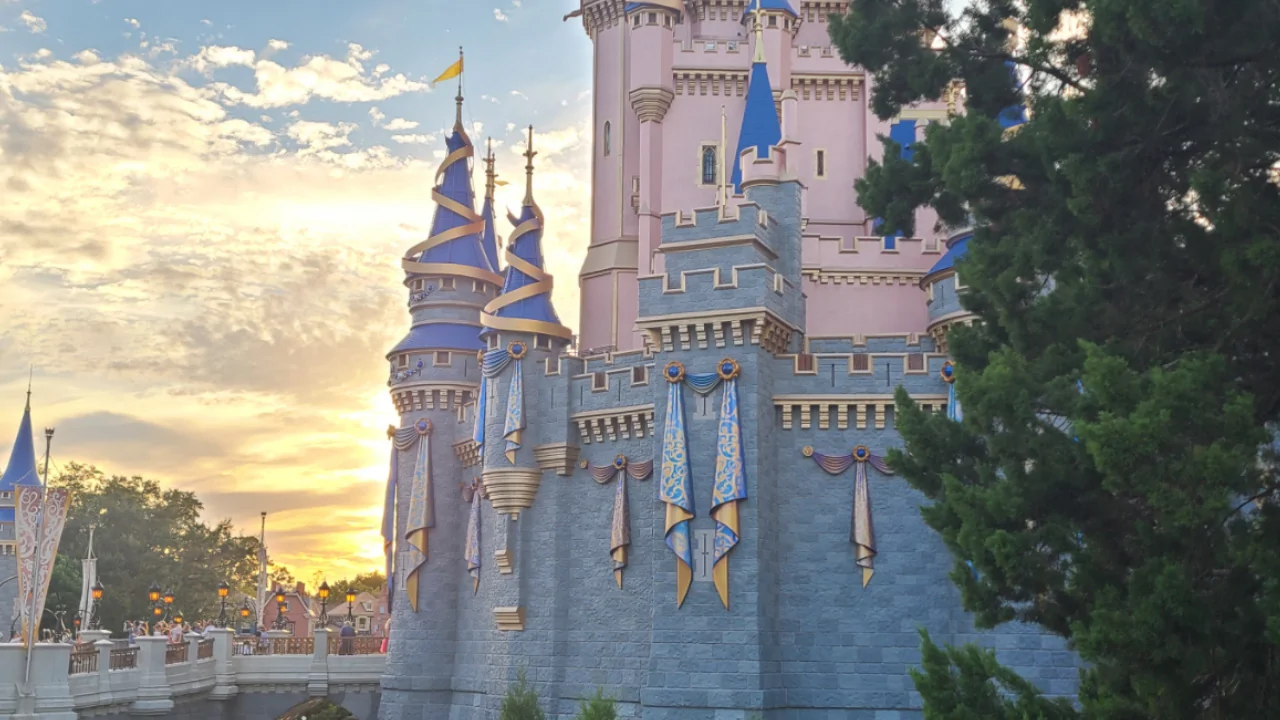
Disney finally said the quiet part out loud, admitting that it values high-income guests at its theme parks over average American families
For decades, Walt Disney World and Disneyland were synonymous with the dream American vacation — a place where families saved, planned, and counted down the days to that once-in-a-lifetime trip. But according to Disney’s own financial team, those days are slipping further into the past. And now, the company isn’t even pretending otherwise.
During the Wells Fargo Technology, Media, and Telecom Summit, Disney CFO Hugh Johnston openly acknowledged that the parks “tend to be at the higher income deciles,” adding that these wealthier visitors “continue to do well.”

A dessert from the Garden View Tea Room at the Grand Floridian Resort in Walt Disney World – Photo Credit: That Park Place
In plain speech: the company is increasingly building its theme-park strategy around guests who have the disposable income to absorb higher ticket prices, add-on charges, and premium offerings — even as everyday families are pushed out of reach.
It’s a quiet shift that fans have been feeling for years. But hearing it said aloud by Disney’s top financial executive makes it clearer than ever: the era of Disney as the standard family vacation destination is fading, and a new reality is taking its place.
Disney’s Attendance Strategy Speaks Volumes
Despite rising frustration from longtime guests, Johnston highlighted that attendance “came in within our expectations” following the opening of Universal’s Epic Universe down the street. That doesn’t mean the parks are filling with nostalgic families. Instead, it reflects a guest mix increasingly skewed toward those who can pay more for less time in the parks.

Empty Main Street USA and Cinderella Castle hub on Labor Day 2025 Magic Kingdom Disney World – Photo Credit: That Park Place
A 1% attendance dip during fiscal 2025 didn’t disrupt the balance sheet — not because Disney lowered prices or broadened accessibility, but because the smaller crowd is spending far more per person. Disney no longer needs the classic family of four visiting once every few years. They need a smaller number of high-spenders visiting frequently, booking premium experiences, and stacking add-ons.
With Universal’s Epic Universe now open, competition is rising. Disney’s response isn’t to lower barriers. It’s to lean harder into yield — something Johnston reinforced repeatedly.
Per-Cap Spending: The True North of Disney’s Parks Division
Johnston pointed out that domestic per-cap spending grew 5% for the year, driven by higher-priced tickets, Lightning Lane purchases, food, merchandise, and other optional offerings. With no major new domestic attractions to boost attendance, Disney is relying on extracting more revenue from fewer people.
And he couldn’t have been more direct about it.

The Train Station at Main Street USA
READ: RUMOR: Disney Says Sabrina Carpenter “Too Pretty” To Play Rapunzel in Live Action Tangled Remake
The parks division, he said, has “gotten increasingly better at getting that yield up.” That includes experimenting with dynamic pricing — already being tested in Paris — and expanding paid-tier experiences like VIP Tours and premium Lightning Lanes.
In other words, the company now measures success not by how many families can afford to make memories, but by how much they can convince each visitor to spend.
Bookings Point to the Same Pattern
Bookings are pacing up 3% heading into fiscal 2026, but Johnston clarified that only around 40% of park guests stay at Disney hotels.
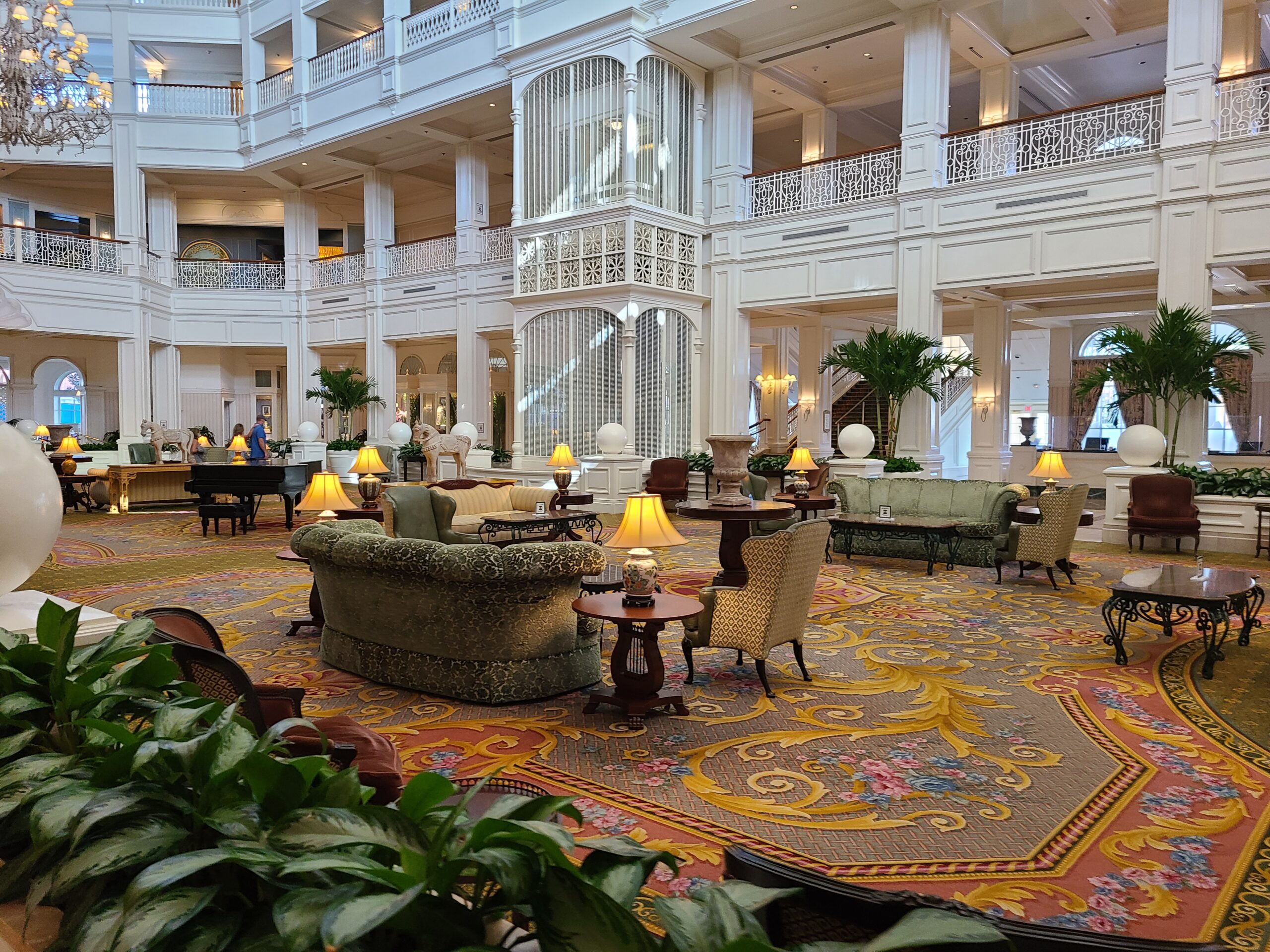
The Grand Floridian Resort and Spa Lobby at Walt Disney World – Photo Credit: That Park Place
The booking uptick isn’t from budget-conscious travelers looking for a break. It’s from the same higher-income demographic Disney is openly courting — the guests whose spending habits justify continued pricing expansion.
The New Disney Reality
Disney is rolling out new projects — Cars Land expansions, Encanto and Indiana Jones additions, and international investments — but none of these announcements change the central narrative. Johnston is plainly stating that the financial health of the parks depends on an affluent core audience.
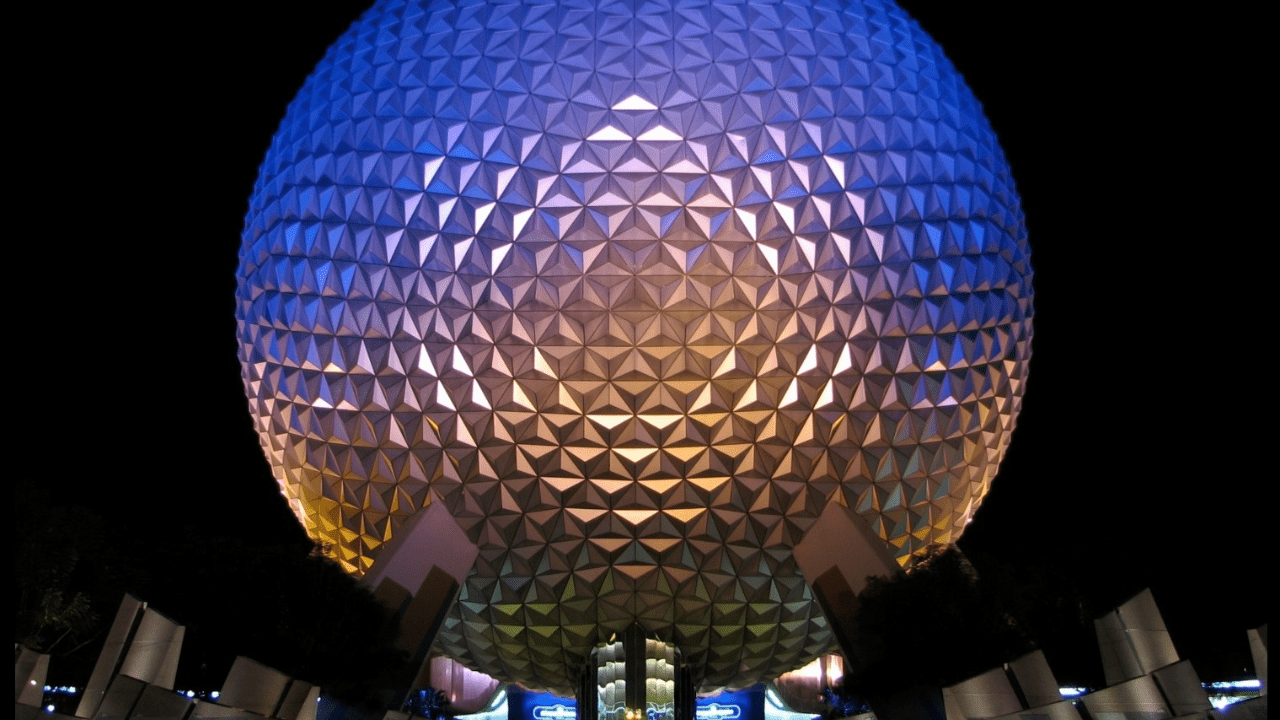
Spaceship Earth in Walt Disney World at night – Photo Credit: That Park Place
For many families, the Disney dream wasn’t shattered overnight. It faded each time prices climbed, each time “optional” became “required,” each time a beloved tradition was replaced by a surcharge.
Now we know who the parks are really for — because Disney finally said the quiet part out loud.
How do you feel about Disney Parks courting high income guests over traditional American families? Sound off in the comments and let us know!
UP NEXT: Paramount Cancels The Last Ronin — Rebooting TMNT Live Action Movie Franchise With Sonic Producer
