


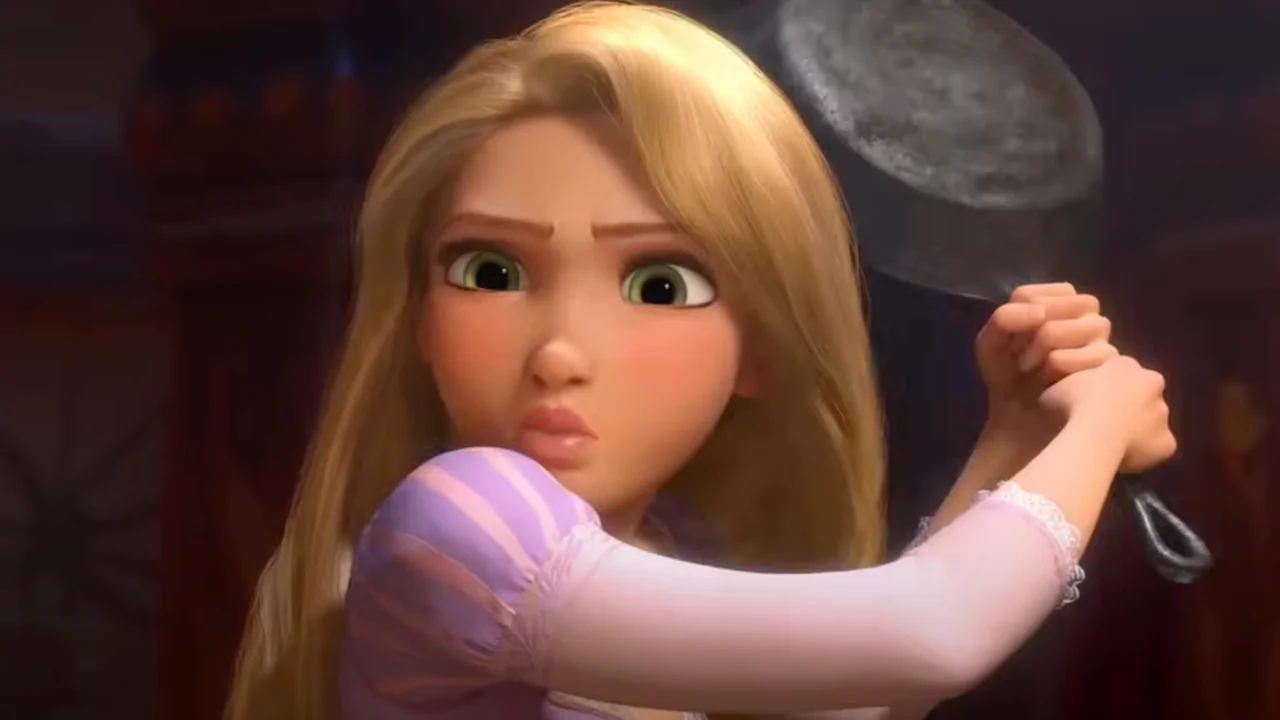
The Walt Disney Company is facing yet another controversy, this time not in the form of box office misfires or declining theme park attendance, but in the realm of online privacy. According to the Federal Trade Commission (FTC), Disney improperly labeled YouTube videos targeted at children, which allowed the unlawful collection of personal data from under-13 viewers.
The result: a $10 million settlement and a new compliance program that puts Disney under regulatory scrutiny for years to come.
What the FTC Accused Disney Of
The FTC’s complaint zeroed in on how Disney used YouTube to distribute clips from its most child-friendly content—Frozen, Toy Story, The Incredibles, Coco, and even classic Mickey Mouse cartoons. Rather than marking these uploads as “Made for Kids,” Disney allegedly relied on default channel-level settings that categorized them as “Not Made for Kids.”
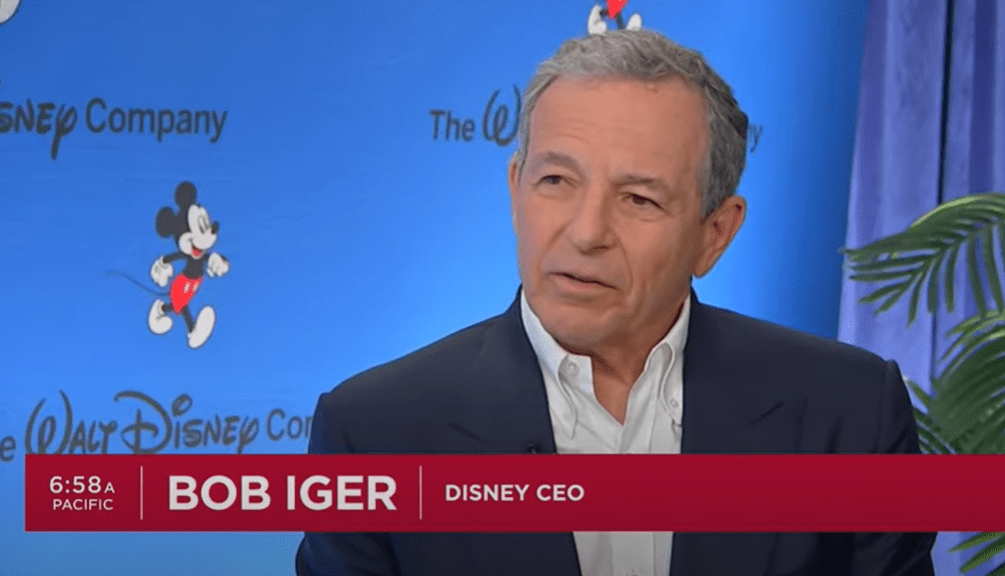
Bob Iger via CNBC Television YouTube
That simple choice had big consequences. By mislabeling the videos, YouTube was able to track data, collect personal information, and serve targeted ads on children’s content. Under the Children’s Online Privacy Protection Act (COPPA), platforms and publishers must obtain verifiable parental consent before collecting data on kids under 13.
This isn’t a gray area of the law—COPPA has been on the books since 1998. Yet according to regulators, Disney still failed to meet the most basic requirements. By mid-2020, YouTube itself flagged more than 300 Disney videos as misclassified. Still, Disney allegedly did not fix the problem, choosing to continue its broad default labeling instead of reviewing each video individually.
The Settlement and Its Conditions
Disney has agreed to pay the $10 million penalty but, more importantly, to change its practices going forward. The settlement requires Disney to:
- Notify parents and secure parental consent before collecting any data from children under 13.
- Individually review and label each video on YouTube to determine if it should be marked “Made for Kids.”
- Maintain a compliance program for the next 10 years unless YouTube itself rolls out a universal age-assurance system.
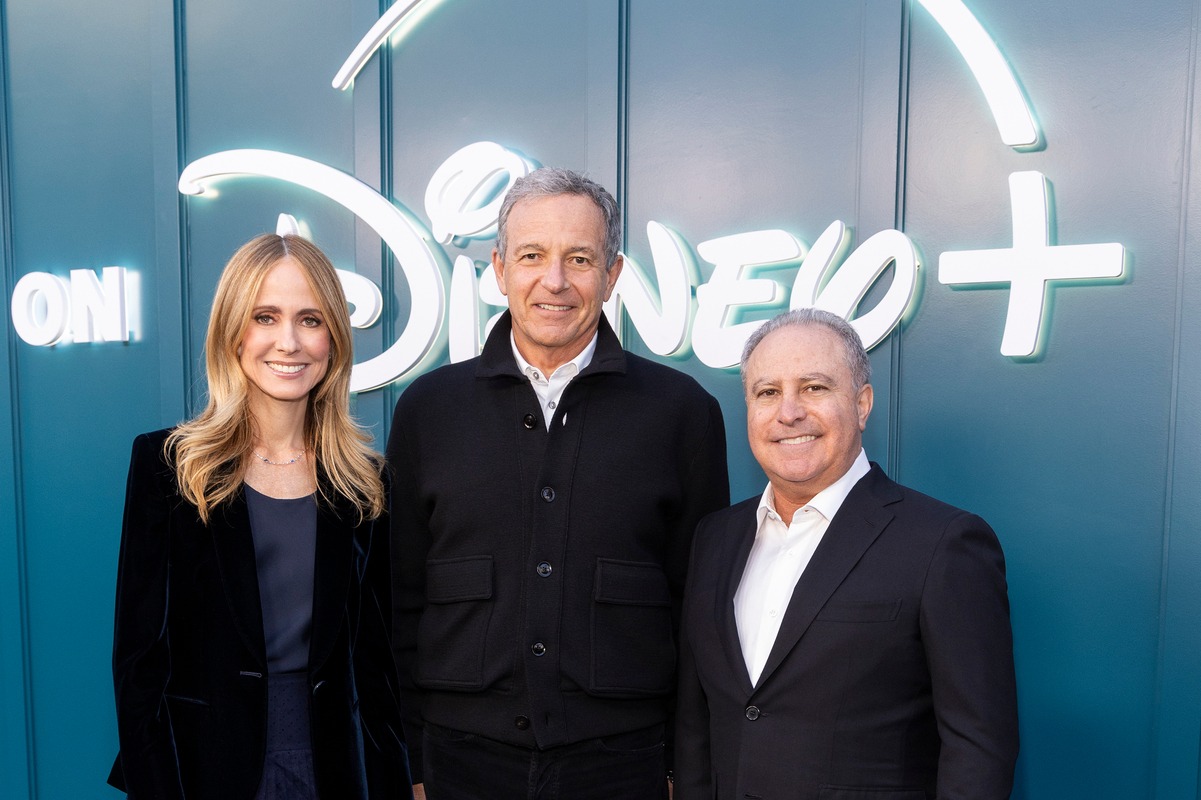
HULU ON DISNEY+ CELEBRATION – Some of the biggest stars across The Walt Disney Company celebrate the official launch of Hulu on Disney+ at an exclusive cocktail reception hosted by Dana Walden and Alan Bergman, along with special guest Bob Iger, on Friday evening in Los Angeles. (Disney/Greg Williams)
DANA WALDEN (CO-CHAIRMAN, DISNEY ENTERTAINMENT, THE WALT DISNEY COMPANY), ROBERT A. IGER (CHIEF EXECUTIVE OFFICER, THE WALT DISNEY COMPANY), ALAN BERGMAN (CO-CHAIRMAN, DISNEY ENTERTAINMENT, THE WALT DISNEY COMPANY)
FTC Chairman Andrew N. Ferguson made his criticism clear, saying the settlement was meant to “penalize Disney’s abuse of parents’ trust” and to reinforce that “age assurance technology is the path forward” for protecting children online.
Disney’s Response
Disney has tried to downplay the significance of the case. The company has stressed that the issue was limited to third-party distribution on YouTube and did not involve Disney’s own streaming platforms or apps. In a public statement, Disney claimed it “remains committed to the highest standards of compliance with children’s privacy laws” and pledged to continue investing in better tools to monitor its content.

Empty Main Street USA and Cinderella Castle hub on Labor Day 2025 Magic Kingdom Disney World – Photo Credit: That Park Place
READ: Deadline Tells Audiences to “Shut Up” About Marvel Crashing and Burning at the Summer Box Office
But the FTC wasn’t buying the “nothing to see here” defense. Regulators specifically wanted to send a message that even large, sophisticated companies cannot skirt COPPA by relying on broad default settings.
Why This Case Matters
This settlement is notable for two reasons:
- It’s the first FTC action against a YouTube content provider since 2019. That earlier case involved Google itself, which paid $170 million for similar violations of COPPA. This time, the FTC targeted the content distributor—Disney—showing that enforcement is moving beyond platforms and extending to publishers.
- It shines a spotlight on Disney’s corporate image. Disney is a company that aggressively markets itself as a family brand, with content “safe for children.” Yet this case shows that when profit meets compliance, Disney may cut corners at the expense of its youngest audience.

Cinderella and Prince Charming Arrive During the Disney Parks Christmas Day Parade, Source: La Reina Creole
In an era when parents are already questioning Disney’s creative and corporate direction, a federal privacy violation is hardly the kind of headline the company needs.
Bigger Picture
Disney’s legal entanglement comes at a time when Washington is increasingly focused on online child safety. From YouTube to TikTok to gaming platforms, regulators are pushing for age verification and parental consent systems to be standardized. That Disney—arguably the most child-centric entertainment company in the world—was caught failing in this area on YouTube only amplifies the urgency.
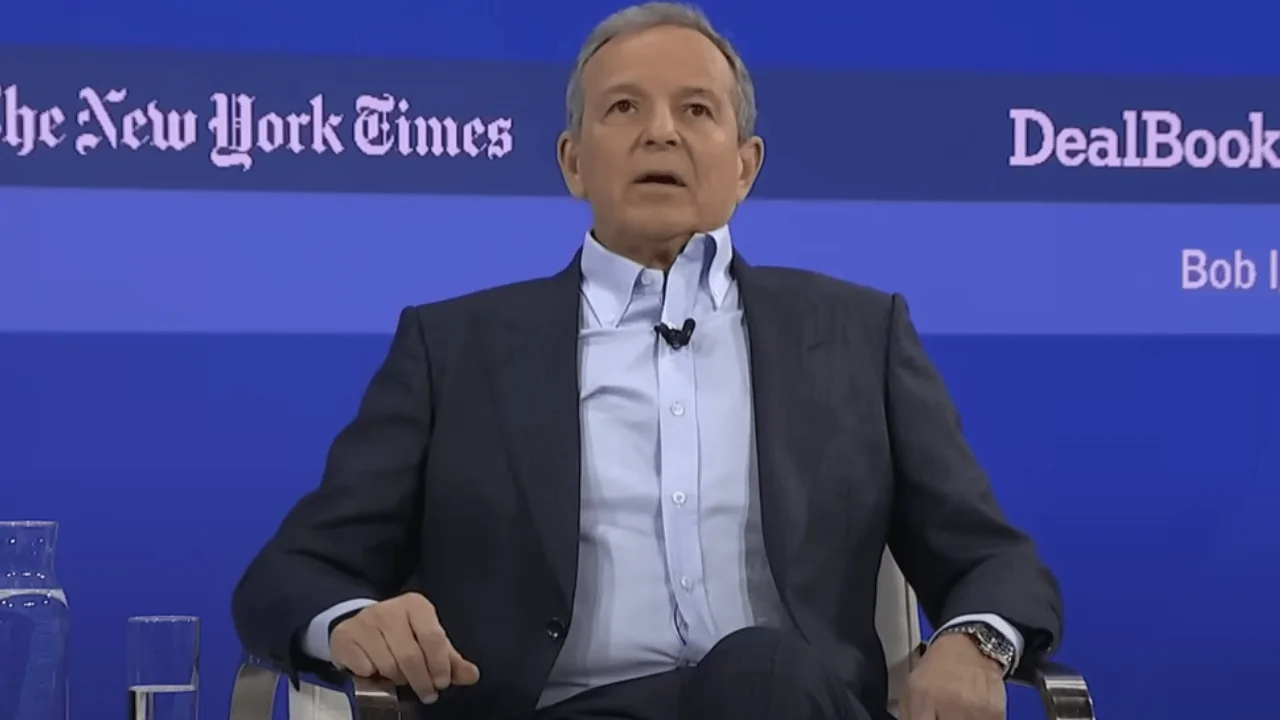
Bob Iger via New York Times Events YouTube
READ: Disney “Wins” Summer 2025 Box Office—But Only Because Everyone Else Lost
And the damage isn’t just financial. While $10 million may be a rounding error in Disney’s quarterly reports the long-term cost could come in the form of public perception. Parents who once trusted Disney without hesitation now have another reason to be skeptical.
Conclusion
Disney’s settlement with the FTC may not carry headline-grabbing numbers, but it carries weight all the same. It demonstrates that the federal government will hold content publishers accountable—not just platforms—when children’s privacy is at stake.
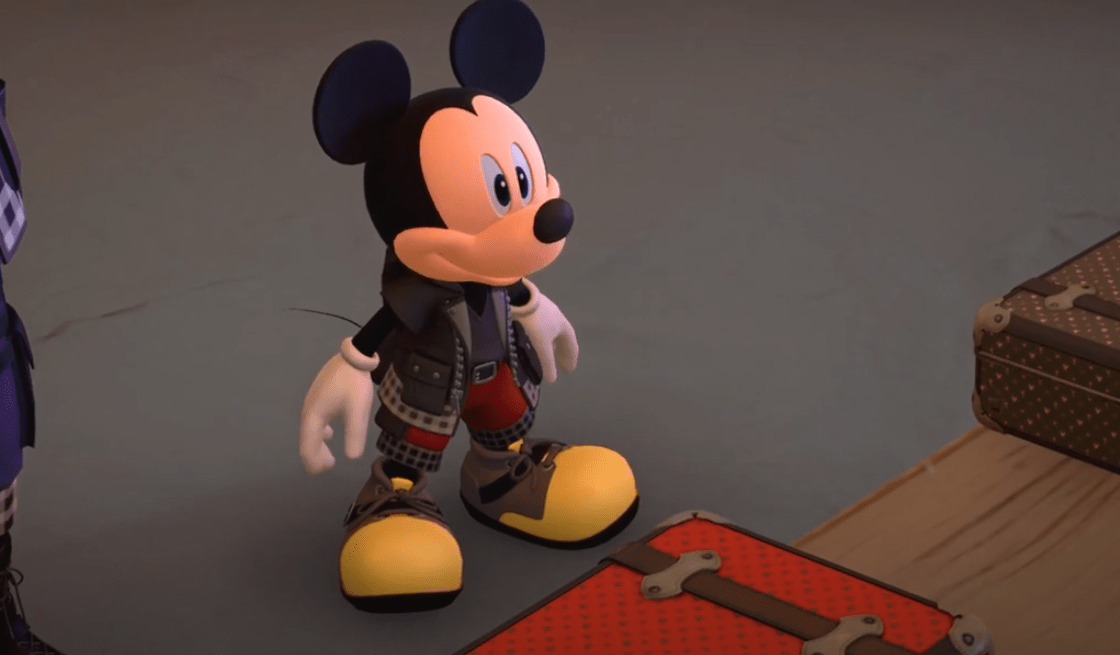
King Mickey in Kingdom Hearts 3 (2019), Square Enix
For Disney, the company that built its reputation on wholesome family entertainment, being accused of unlawfully collecting children’s data is more than embarrassing. It’s another reminder that even the House of Mouse isn’t above federal law—or the court of public opinion.
How do you feel about Disney allegedly mislabeling YouTube content? Sound off in the comments and let us know!
UP NEXT: Hollywood Press Tells Colbert and Kimmel to Double Down on Politics as Late Night Ratings Collapse
