


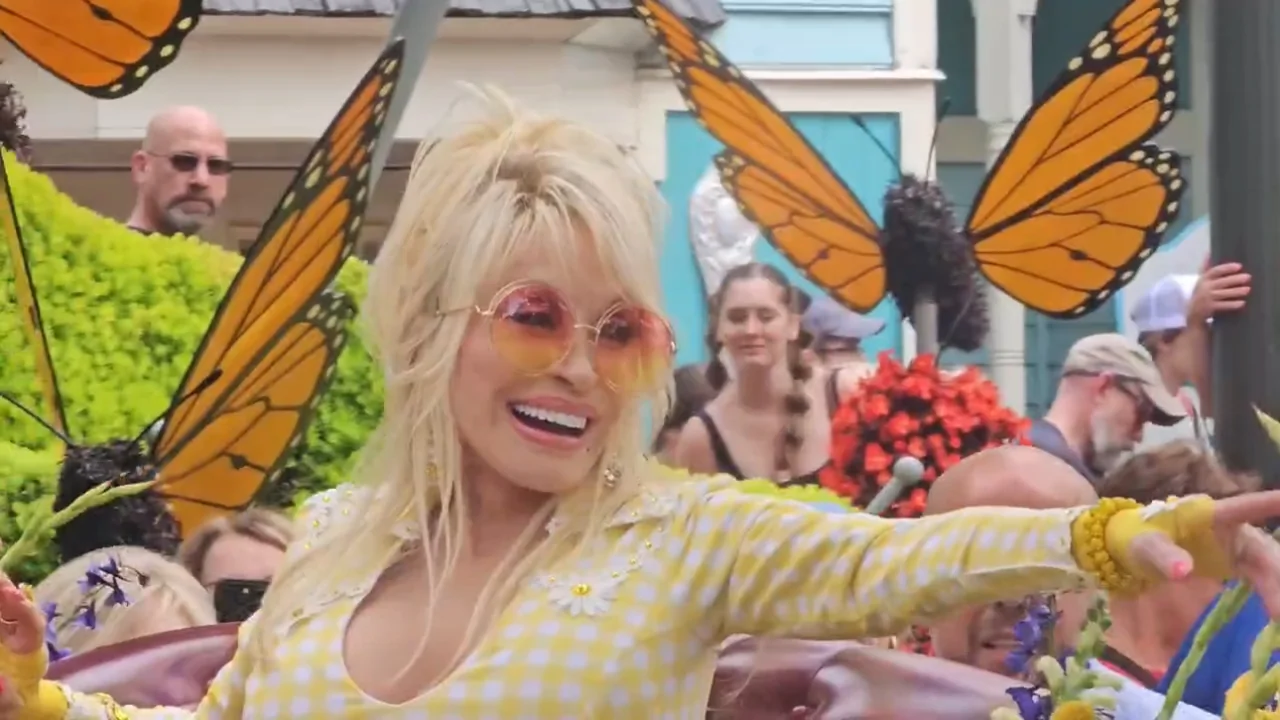
The Washington Post is facing backlash after a columnist characterized Dolly Parton as a woman who personally “chose against parenting,” despite the late country legend’s history of fertility struggles and a reported endometriosis diagnosis that ultimately led to a partial hysterectomy.
Ashley Fetters Maloy published the column, titled “Why it matters that Dolly Parton wasn’t a mother,” one day after Parton’s death at the age of 80. Maloy argued that the singer demonstrated how a person could devote herself to children without becoming a parent.
“To me, Parton’s lack of children demonstrated that the world could in fact love a woman who wasn’t a mother,” Maloy wrote. “But more importantly, she was proof that a person could be an advocate and friend for children while personally choosing against parenting.”
The columnist went on to describe Parton as evidence that “voluntary childlessness doesn’t reflect inherent selfishness.”
READ: Apple TV Raises Its Price Again, Tripling Its Monthly Cost Since Launch
That description prompted an immediate rebuke from readers who accused Maloy of imposing a progressive modern feminist child-free narrative on a woman whose own accounts of the subject were far more complicated.
Fans Accuse The Washington Post of Erasing Parton’s Medical History
The controversy was amplified by the New York Post, which reported that readers objected to The Washington Post’s failure to mention Parton’s reported struggle with endometriosis.
“She did not choose to be childfree,” one reader responded, according to the New York Post. “She used to have severe endometriosis. Why don’t you do your research?”
Another questioned why Parton’s parental status had become the focus of a memorial column at all.
“Why is this even being discussed?” the reader asked. “This is the least interesting thing about her, and absolutely none of our business if any woman doesn’t have children.”
A third critic argued that the same scrutiny is rarely directed at famous men.
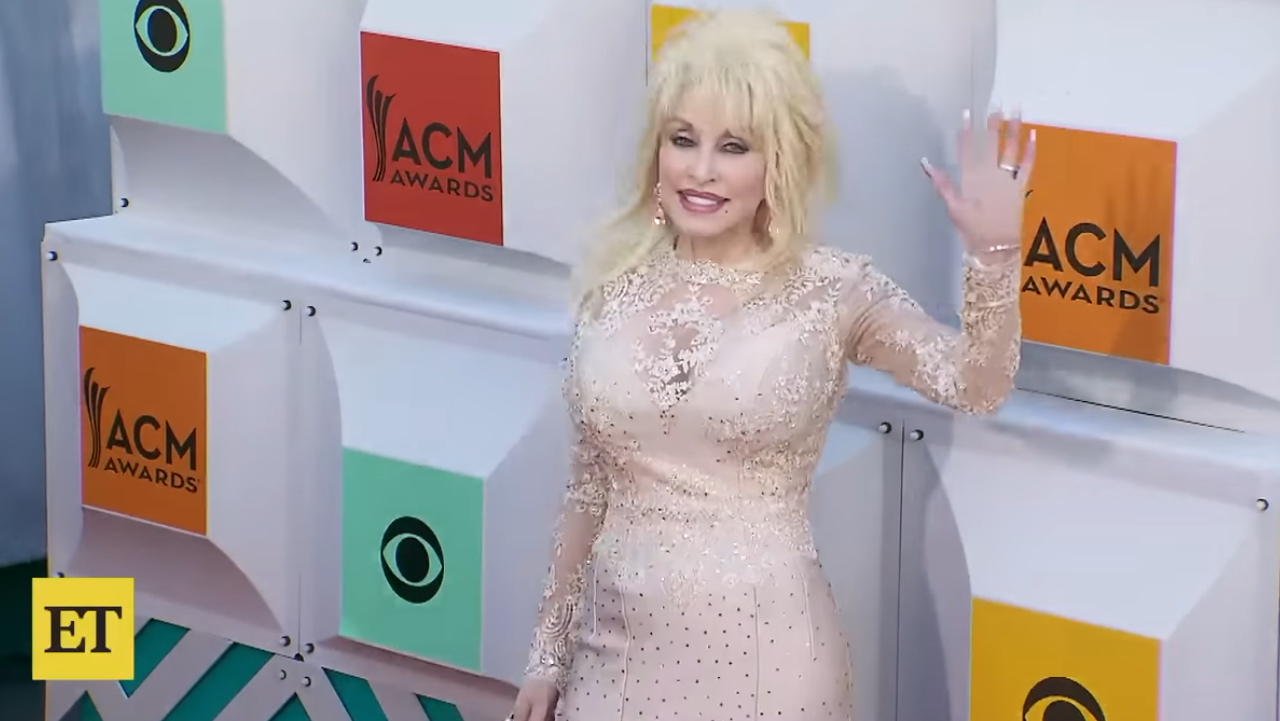
Dolly Parton at the ACM Awards – YouTube, Entertainment Tonight
“I can’t remember ever seeing an article about a recently deceased man where the focus was on the fact that he didn’t have children,” the commenter wrote. “It’s 2026. Do better, Washington Post.”
The Post column quoted a 1978 BBC interview in which Parton said that she and her husband, Carl Dean, did not want the “total responsibility” of raising children. It also cited her later reflections on the freedom that not having children gave her.
However, the column did not mention her reported endometriosis diagnosis, the years in which she unsuccessfully attempted to conceive, or the partial hysterectomy she underwent in the 1980s.
The Washington Post and Maloy did not immediately respond to the New York Post’s requests for comment.
Parton Said She Had Tried for Years to Have Children
Parton’s public comments about motherhood changed over time, making any attempt to reduce her experience to a single voluntary decision inherently incomplete.
In a 1984 conversation with Andy Warhol for Interview magazine, Parton said she had wanted children after getting married but was unable to become pregnant.
“I couldn’t have children, I tried to for years,” she said. “I’ve never been pregnant in my life. When I was a girl and fooling around, I was scared to death I’d get pregnant, and then when I got married and wanted to have children, I couldn’t have any.”
She added that she had eventually made peace with that reality.
“I did for awhile,” Parton said when asked whether she missed having children, “but I realize that I am everybody’s mother.”
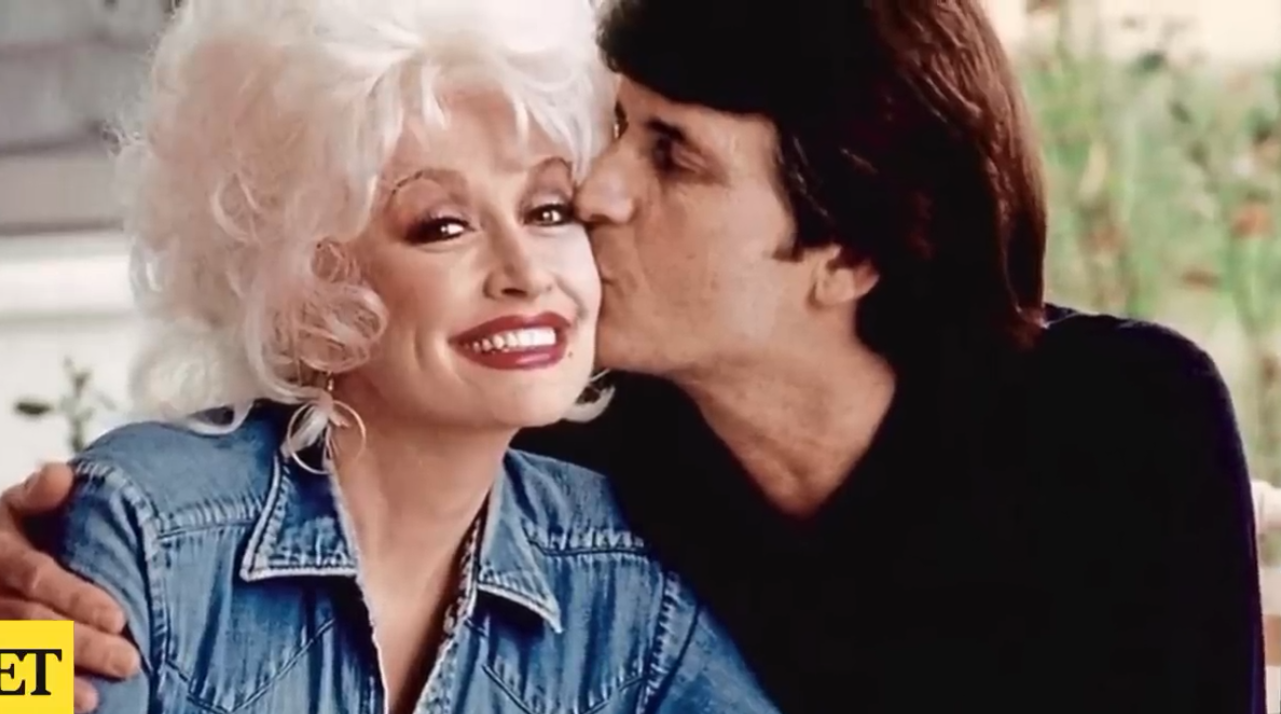
Dolly Parton and Carl Dean – YouTube, Entertainment Tonight
Parton explained that she had helped raise five of her younger brothers and sisters and had become “the grandma and the aunt” to their children.
Those comments don’t fit comfortably within The Washington Post’s description of Parton as a straightforward example of “voluntary childlessness.” They suggest that, at least during part of her marriage, she wanted to become pregnant and tried unsuccessfully to do so.
Parton reportedly suffered from endometriosis, an often-painful condition in which tissue similar to the lining of the uterus grows outside it. The condition can cause severe pelvic pain, excessive bleeding, and difficulty becoming pregnant. The Mayo Clinic notes that endometriosis is sometimes first discovered during testing or treatment for infertility.
Parton canceled tour dates in the early 1980s while dealing with abdominal pain and bleeding and subsequently underwent a partial hysterectomy. The operation made pregnancy impossible and reportedly contributed to a period of serious depression.
Shortly before her death, Parton referred to that chapter of her life while discussing more recent health problems.
“Back in the early ’80s, I was down for several months with female issues,” she said in a statement to People.
Dolly Parton Also Embraced the Life She Ultimately Built
None of this means that Parton spent the rest of her life defined by regret.
She frequently spoke about the independence she and Dean enjoyed and the opportunities available to her because they were not raising children. In a 2020 interview with Oprah Winfrey, Parton interpreted her circumstances through the lens of faith and purpose.
“I didn’t have children because I believed that God didn’t mean for me to have kids, so everybody’s kids could be mine,” Parton said.
She connected that belief directly to the creation of her Imagination Library.

Grist Mill At Dollywood – YouTube, Tyler
“If I hadn’t had the freedom to work, I wouldn’t have done all the things I’ve done,” she continued. “I wouldn’t be in a position to do all of the things I’m doing now.”
Parton’s ability to find meaning in the life she had, however, does not prove that every part of that life was the result of an uncomplicated choice. Acceptance after infertility is not necessarily the same as having never wanted children.
Her statements reveal a woman who could acknowledge both realities: She had once tried to become pregnant, and she later came to value the freedom and larger sense of purpose that accompanied not becoming a parent.
That distinction is precisely what critics believe The Washington Post erased.
Parton Became “Everybody’s Mother” Through the Imagination Library
Maloy’s broader point — that parenthood is not the only way to improve children’s lives — is amply supported by Parton’s record.
Parton founded the Imagination Library in 1995 to provide free books to children in her home county of Sevier County, Tennessee. She was inspired by her father, Robert Lee Parton, who couldn’t read or write.
The program eventually expanded across the United States and into Canada, the United Kingdom, Australia, and Ireland. By the time of Parton’s death, it had distributed more than 330 million books, according to the Associated Press.
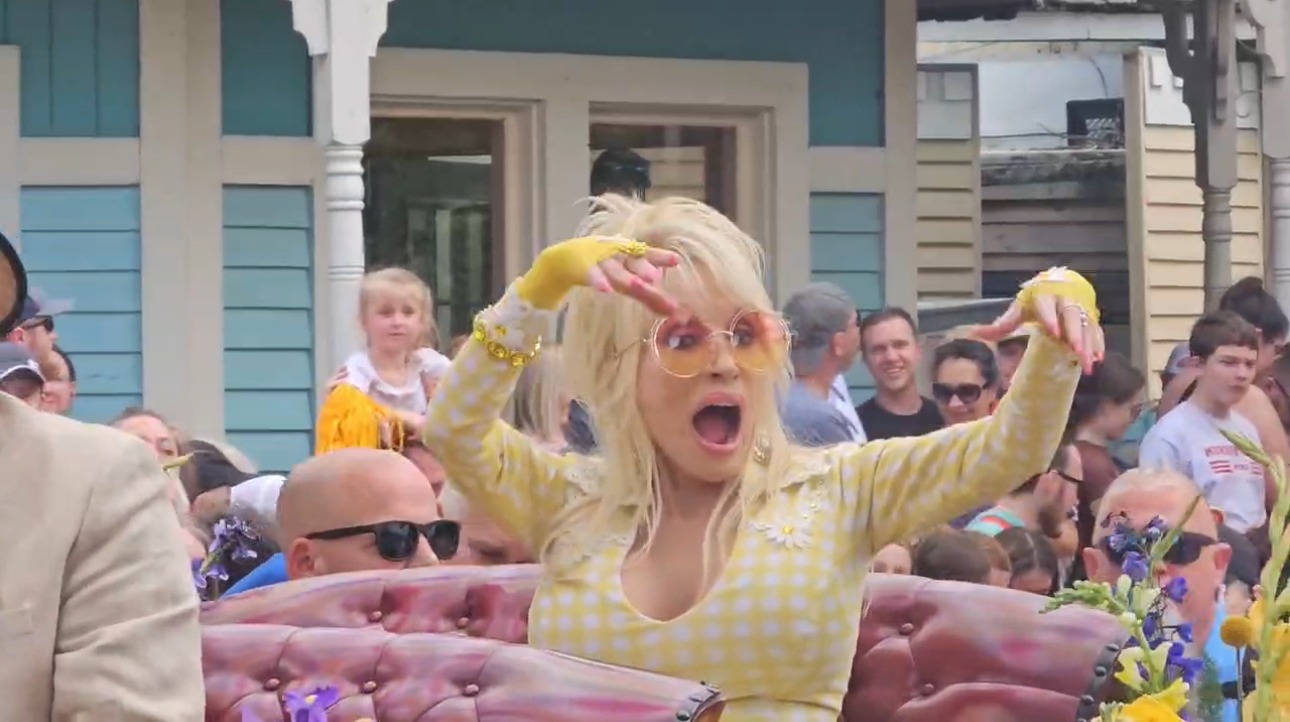
Dolly Parton has fun with guests at Dollywood’s 40th anniversary celebration – Photo Credit: That Park Place
READ: Coyote vs Acme Looks to Open Well This Weekend After Warner Bros. Initially Scrapped Movie
Children enrolled in the program receive a free, age-appropriate book every month from birth until the age of five. Parton also supported pediatric health care, scholarships, educational programs, disaster relief, and numerous other charitable causes.
Her life therefore did demonstrate that a woman doesn’t need to give birth to change generations of children’s lives.
The dispute is over why she didn’t have children of her own — and whether a tribute published immediately after her death should have transformed a painful and medically complicated history into a vehicle for the columnist’s personal reflections on being voluntarily child-free.
Dolly Parton’s Story Was More Complicated Than a Political Label
There is a meaningful difference between saying that Parton did not become a parent and declaring that she “personally chose against parenting.”
The first is an established fact. The second makes a definitive claim about her intentions that the complete public record doesn’t support.
Parton sometimes said that she and Dean didn’t want children. At other times, she said she had tried for years to become pregnant. She endured serious reproductive-health problems, underwent a hysterectomy, and later found purpose in treating the world’s children as her own.
Those statements may appear contradictory, but human beings often describe painful experiences differently at different stages of their lives. Parton was entitled to process infertility, illness, acceptance, and gratitude in her own way.
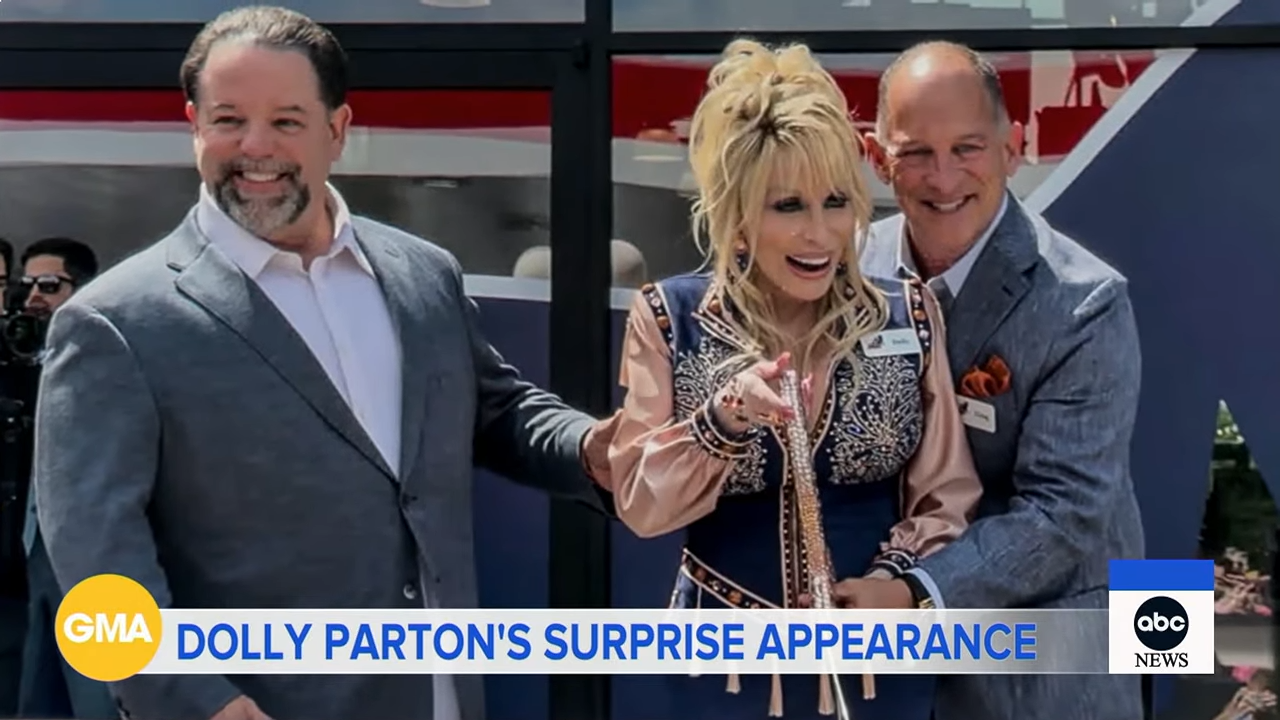
Ribbon-cutting for Dolly Parton’s Tennessean Travel Stop – Good Morning America, YouTube
The Washington Post was also entitled to celebrate her extraordinary commitment to children. But in presenting her as an uncomplicated symbol of the modern feminist movement of “voluntary childlessness,” the column omitted the very history that made her embrace of “everybody’s kids” so poignant.
Dolly Parton’s legacy doesn’t need to be squeezed into a culture-war category. She wasn’t merely a useful example for parents or nonparents. She was a woman who faced circumstances she couldn’t fully control and then used the life available to her to place hundreds of millions of books into children’s hands.
That complete story is more complicated than the one The Washington Post told — and far more worthy of the woman Parton was.
How do you feel about the Washington Post and its story about Dolly Parton? Sound off and let us know!
UP NEXT: Gal Gadot Signals She Won’t Return as Wonder Woman, Hasn’t Heard From James Gunn or DC Studios
