


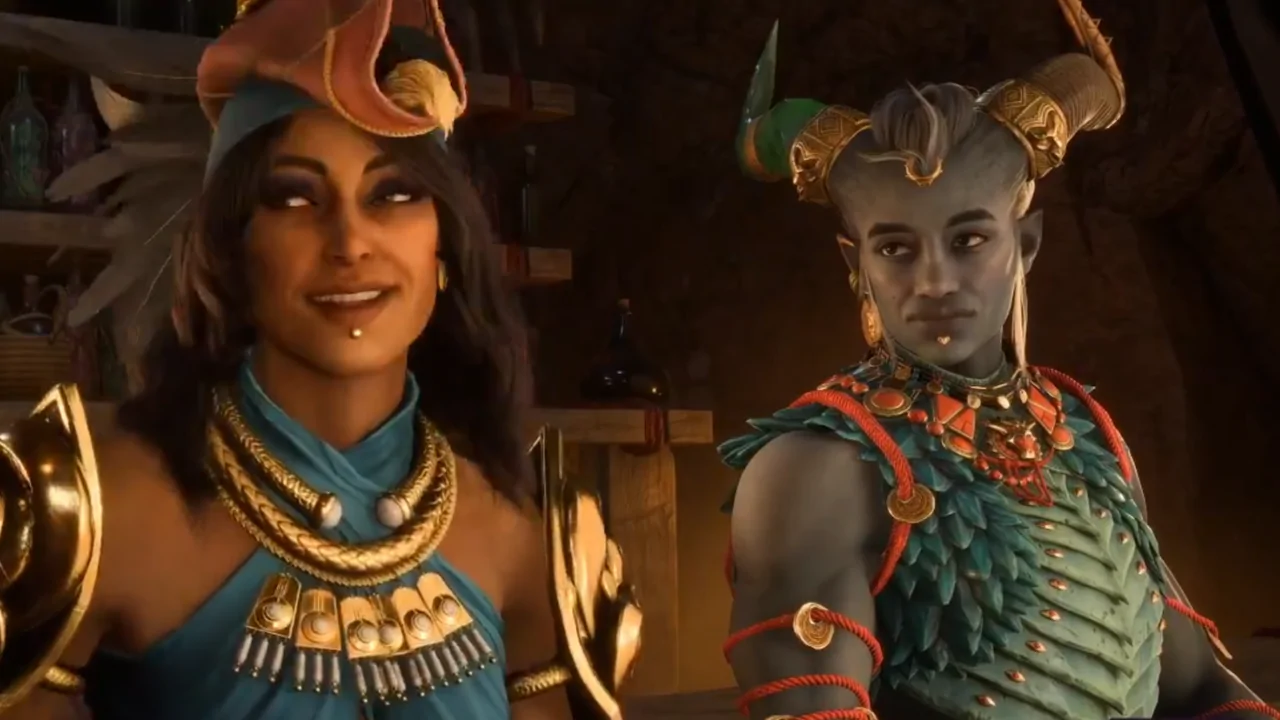
David Gaider, former lead writer on Dragon Age: Origins, Dragon Age II, and Dragon Age: Inquisition, is drawing new attention for comments made in a recent GamesRadar interview about so-called anti-fans.
In the piece, Gaider criticizes what he calls “anti-fans”—individuals who, he claims, actively work to see certain games fail as a form of punishment for creative decisions they disagree with.
“Then they turn from what you want, fans who would go out and spread word of your game and get people interested,” Gaider said. “But if you get anti-fans, they sort of do the opposite. They’re very determined, suddenly, to see your game fail as sort of a lesson to others who would make games of the same type.”
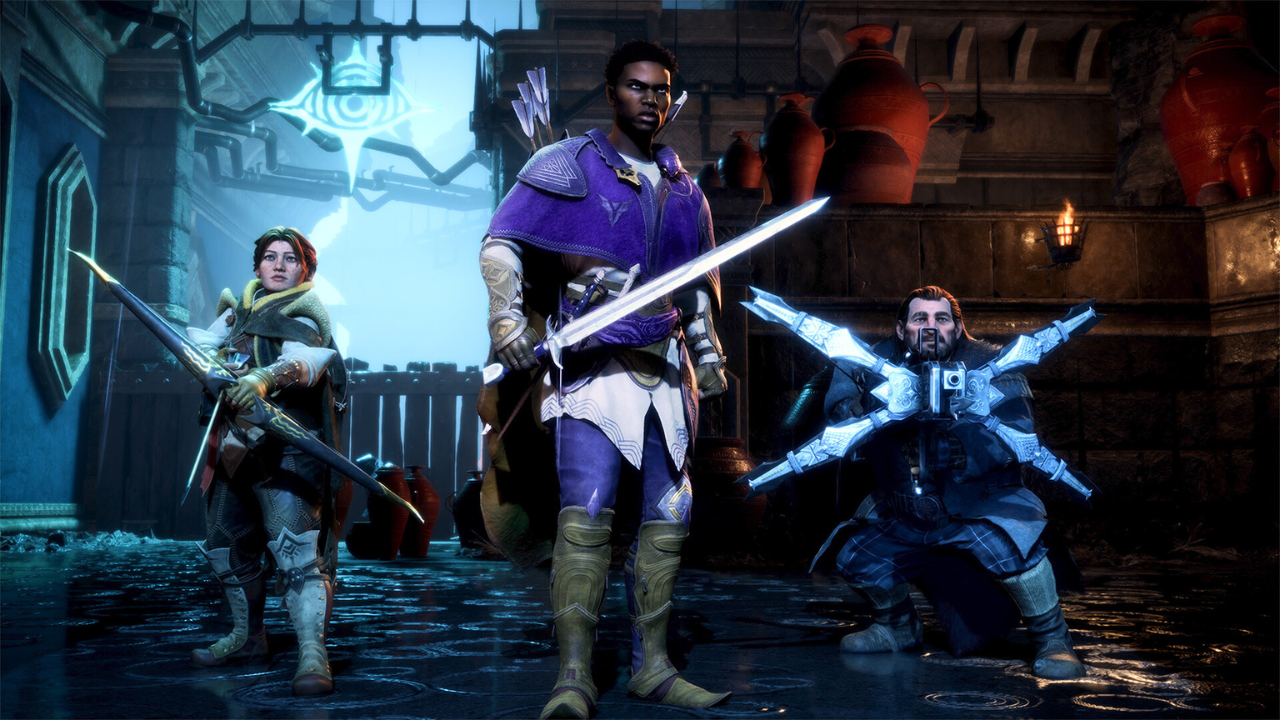
A screenshot from Dragon Age: The Veilguard (2024), BioWare
The comments come amid growing online discourse around titles like Dragon Age: The Veilguard and Concord, both of which faced extensive fan criticism over gameplay direction and perceived ideological messaging. Gaider, who has not worked at BioWare since January 2016, did not contribute to The Veilguard, which was developed long after his departure. The game was released in October 2024 and met with divisive reception from longtime fans.
Gaider’s BioWare Tenure
For context, Gaider was a key figure at BioWare during what many fans consider the studio’s golden age. He was the lead writer on Baldur’s Gate II: Shadows of Amn, co-wrote Star Wars: Knights of the Old Republic, and later helped craft the Dragon Age franchise. However, he left BioWare nearly a decade ago, shortly after the launch of Inquisition, citing burnout and creative differences.

A screenshot from Dragon Age: Inquisition (2014), BioWare
After BioWare, Gaider briefly joined Beamdog as a creative director before founding Summerfall Studios in 2019. There, he led development on Stray Gods: The Roleplaying Musical, released in August 2023.
Fandom, Identity, and Culture Clash
In the interview, Gaider went on to argue that fandoms have changed—becoming more entwined with personal identity and more hostile toward creative deviations.
“More and more fandoms are making the things that they’re fans of integral to their identity,” he said. “And if it’s integral to their identity, anything that affects it or insults it, insults them.”

A screenshot from Dragon Age: The Veilguard (2024), BioWare
He added that this evolution is making it harder for game developers to engage with the broader player base, as hostility often drowns out genuine criticism. This, in his view, has led to developers withdrawing from public forums to avoid “culture war” flare-ups.
Gaider’s framing echoes arguments previously made by other developers attached to controversial or underperforming projects—where criticism from fans is redefined as targeted antagonism.
But that argument falls apart when stacked against the performance of games like Dragon Age: The Veilguard. This wasn’t a case of a small group of so-called “anti-fans” tanking a game out of spite—it was the broader gaming audience that turned away. From underwhelming preview reactions to low preorder numbers and poor community sentiment, the signs of rejection were widespread and organic.

A screenshot from Dragon Age: The Veilguard (2024), BioWare
The game didn’t fail because of targeted sabotage—it failed because the market responded honestly.
When a title doesn’t resonate with longtime fans or general players, it’s not a conspiracy—it’s a product problem. Blaming criticism rather than confronting creative missteps only widens the disconnect between developers and their audiences.
Fallout from Veilguard and the Bigger Conversation
Gaider’s anti-fan remarks land in the middle of continued backlash over Dragon Age: The Veilguard, a game widely seen as a departure from BioWare’s traditional RPG design. Critics have pointed to simplified mechanics, lack of player agency, and story themes that many believe reflect broader industry trends prioritizing message over gameplay.
Though Gaider had no role in The Veilguard, his commentary is being interpreted by some fans as a defense of a studio that many feel has lost its way.

A screenshot from Dragon Age: The Veilguard (2024), BioWare
READ: What’s In A Word? Too Often Online A Whole Lotta Malarkey — An Editorial By LW Ghost
It’s worth noting that in the same interview, despite all his talk about anti-fans, Gaider admitted that had he stayed at BioWare, he would have likely left during the early development of Dragon Age: The Veilguard anyway, citing EA’s push toward live-service elements (which was ultimately abandoned after the failure of Anthem).
“Even if I had stayed, I would’ve left eventually… What a devil’s contract that would have been,” he told GamesRadar.
Final Thoughts
While Gaider’s frustration with hostile online discourse surrounding Dragon Age and other titles, may be understandable to some, his depiction of fans as “anti-fans” raises uncomfortable questions about how much responsibility developers bear for the reception their games receive.
Gamers are not a monolith—but dismissing a segment of the audience as saboteurs for expressing dissatisfaction with a game’s direction may do more harm than good, especially when faced with the objective reality of massive gaming flops.
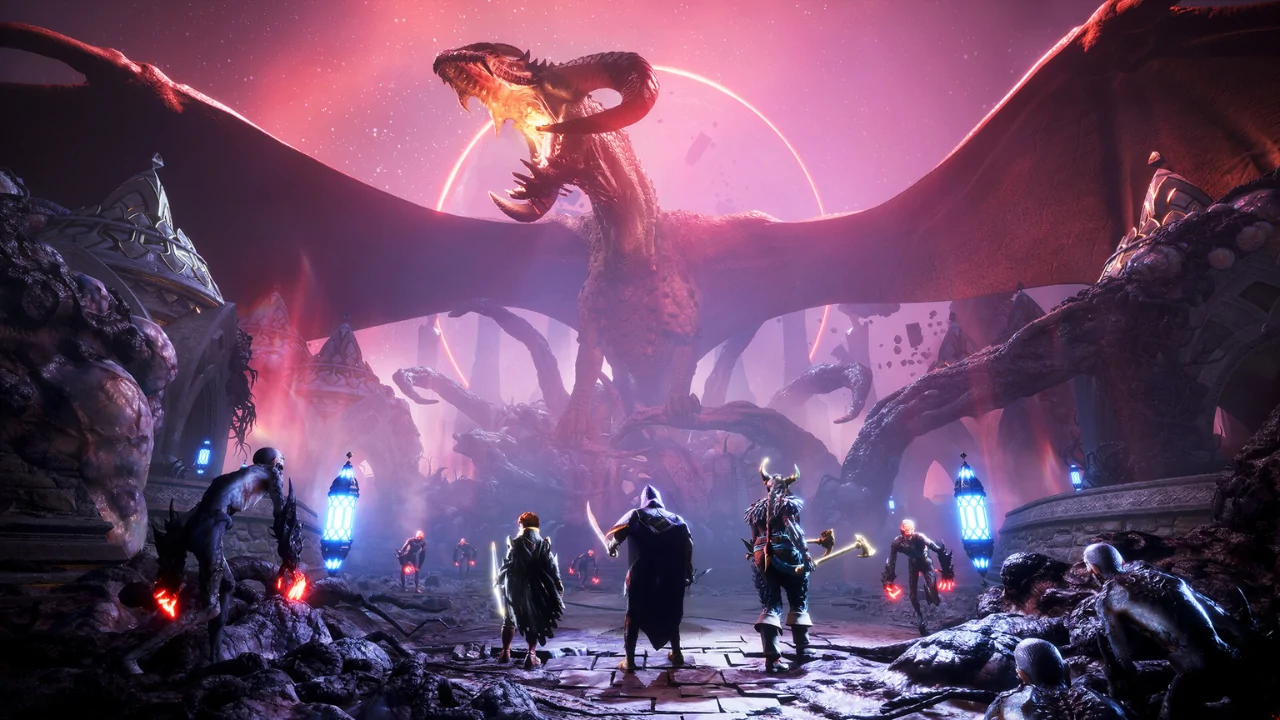
A screenshot from Dragon Age: The Veilguard (2024), BioWare
As BioWare struggles to reclaim its once-dominant reputation, perhaps listening—rather than lecturing—would be a better starting point.
How do you feel about this former Dragon Age writer and his comments about so-called anti-fans? Sound off in the comments and let us know!
