


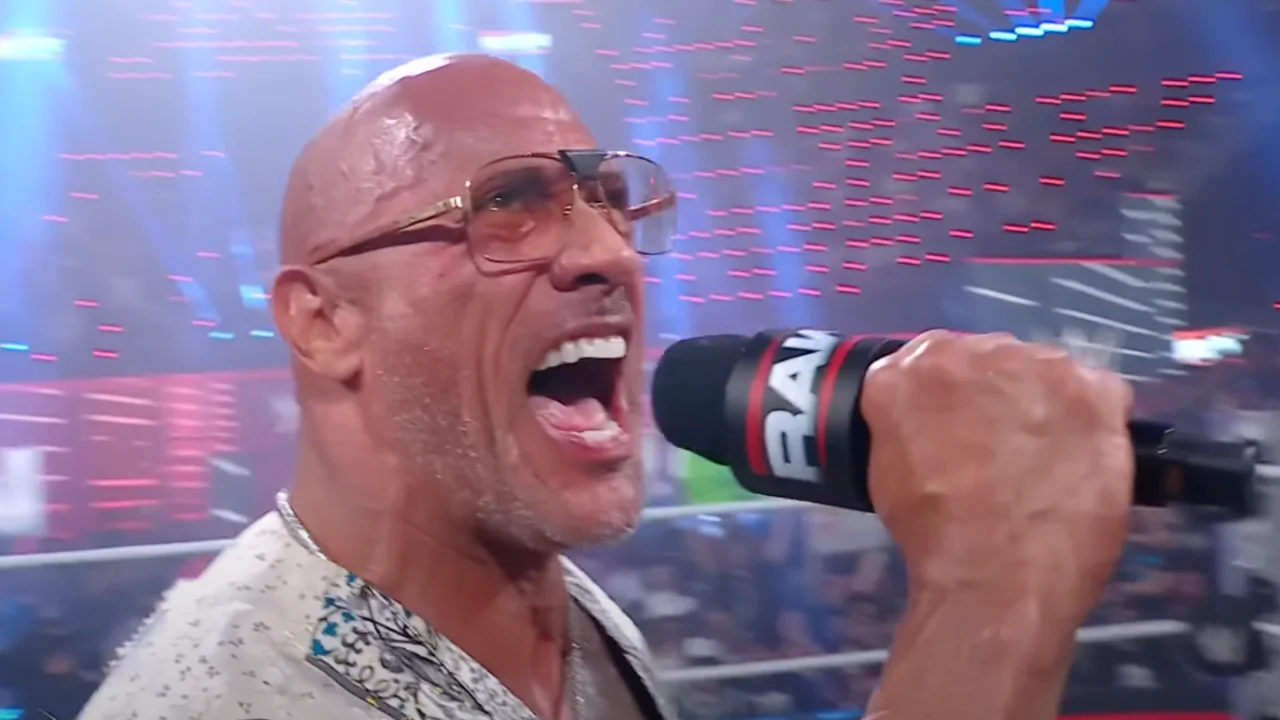
Dwayne “The Rock” Johnson was presented with a question about race and representation from Variety reporter Marc Malkin while promoting Disney’s live-action Moana, but the actor refused to say he was unable to identify with one of his childhood heroes simply because they looked different.
During the interview, Malkin asked Johnson if he remembered the first time he saw his culture represented on screen without being portrayed as a caricature.
Dwayne Johnson says he lacked cultural representation in the media growing up: “‘Indiana Jones’ inspired me. When I was 8 years old watching Harrison Ford, I was like, ‘I want to be that guy,’ but that guy didn’t look like me.”https://t.co/qqwbSokU1T pic.twitter.com/AMqdcXHxEj
— Variety (@Variety) July 8, 2026
READ: The Office Star Blasts Ricky Gervais for Telling Celebrities Not to Talk About Politics
“Can you remember the first time you saw your culture represented that wasn’t a caricature and you said, ‘That is me in there?’” Malkin asked.
However, Johnson’s answer did not focus on race or identity. Instead, he immediately pointed to Harrison Ford’s Indiana Jones as the character who inspired him as a child.
“Indiana Jones inspired me,” Johnson said. “When I was 8 years old watching Harrison Ford, I was like, ‘I want to be that guy,’ but that guy didn’t look like me.”
Marc Malkin Pushes Dwayne Johnson On Race And Representation
Malkin then followed up by asking Johnson whether that difference ever made him feel like Indiana Jones was something he could not become.
“Was there a part of you that said ‘but I can’t be him because…’” Malkin asked.
Johnson immediately rejected the premise.
“No,” he answered.
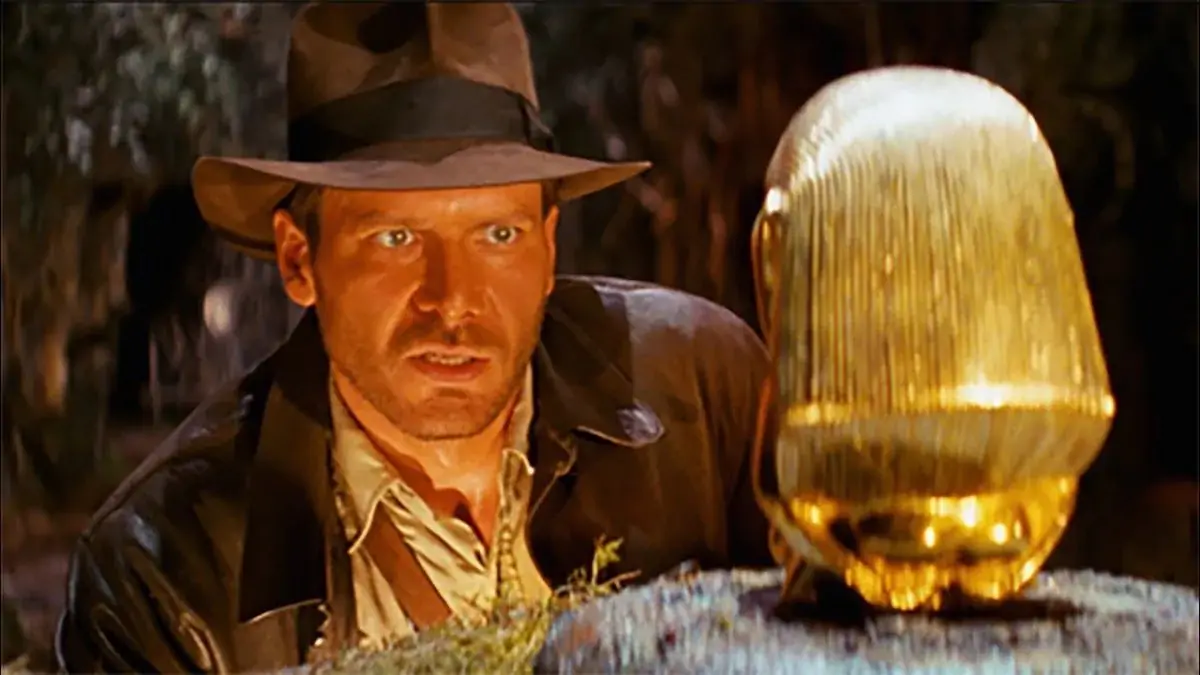
Harrison Ford as Indiana Jones in Raiders of the Lost Ark (1981), Lucasfilm
READ: Disney Testing Market for Digital Pin Trading with America 250 Disney+ Giveaway
“There was a part of me that said, ‘Oh, I want to be that,’” Johnson explained. “I was in Charlotte, North Carolina, watching, and I was mesmerized. And I said, ‘I want to be that.’ And that was it. That’s where it ended.”
Rather than suggesting Indiana Jones was inaccessible because Harrison Ford did not share his background, Johnson explained that he saw adventure, excitement, and possibility.
He saw a hero.
Hollywood’s “See Yourself” Narrative Gets Challenged
Johnson’s answer pushed back against a narrative that has become increasingly common in Hollywood over the last decade: the idea that audiences need characters who physically resemble them in order to truly see themselves represented.
While many actors, filmmakers, and studios have emphasized the importance of representation on screen, Johnson’s own childhood experience demonstrated something different.
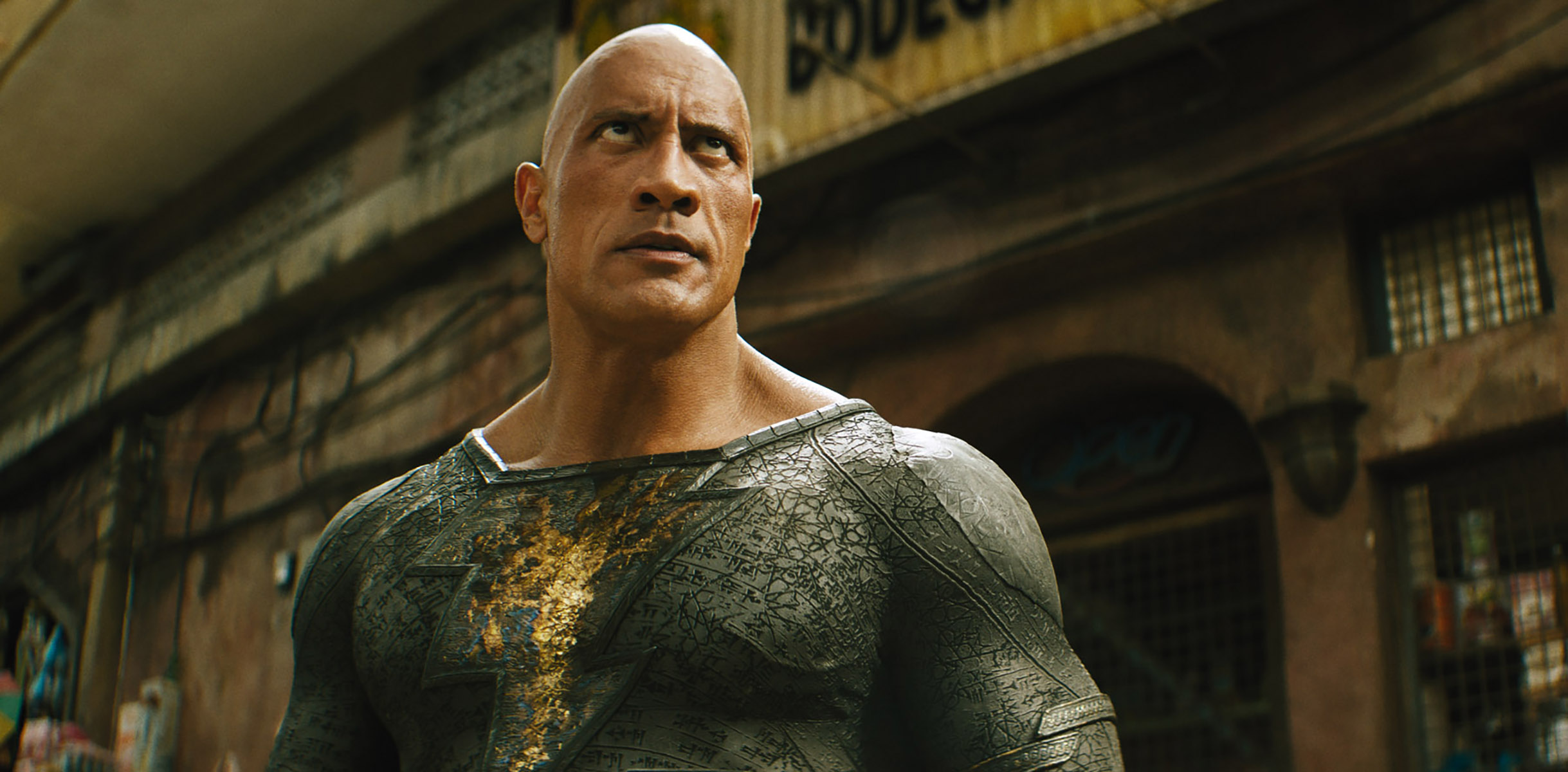
The Rock as Black Adam – Warner Bros.
Audiences have always connected with characters through their choices, struggles, personalities, dreams, and journeys.
Children didn’t need to be archaeologists to imagine themselves as Indiana Jones. They didn’t need to come from another planet to identify with Superman. They didn’t need to be wizards to connect with Harry Potter.
Great characters transcend those boundaries.
The Rock Says Moana’s Message Goes Beyond Race
Johnson did not dismiss representation or the importance of sharing different cultures through storytelling. While discussing Moana, which is heavily inspired by Polynesian culture, Johnson explained that the film’s message reaches audiences around the world.
“But nowadays around the world little boys and girls who are brown skinned and even not brown skinned Marc, it’s like this idea of you’re young, you wanna see beyond the reef,” Johnson said. “You don’t know what’s beyond the reef, and you have a lot of people telling you ‘you’re good where you’re at,’ It’s like no I’m not, I want more and I love that.”
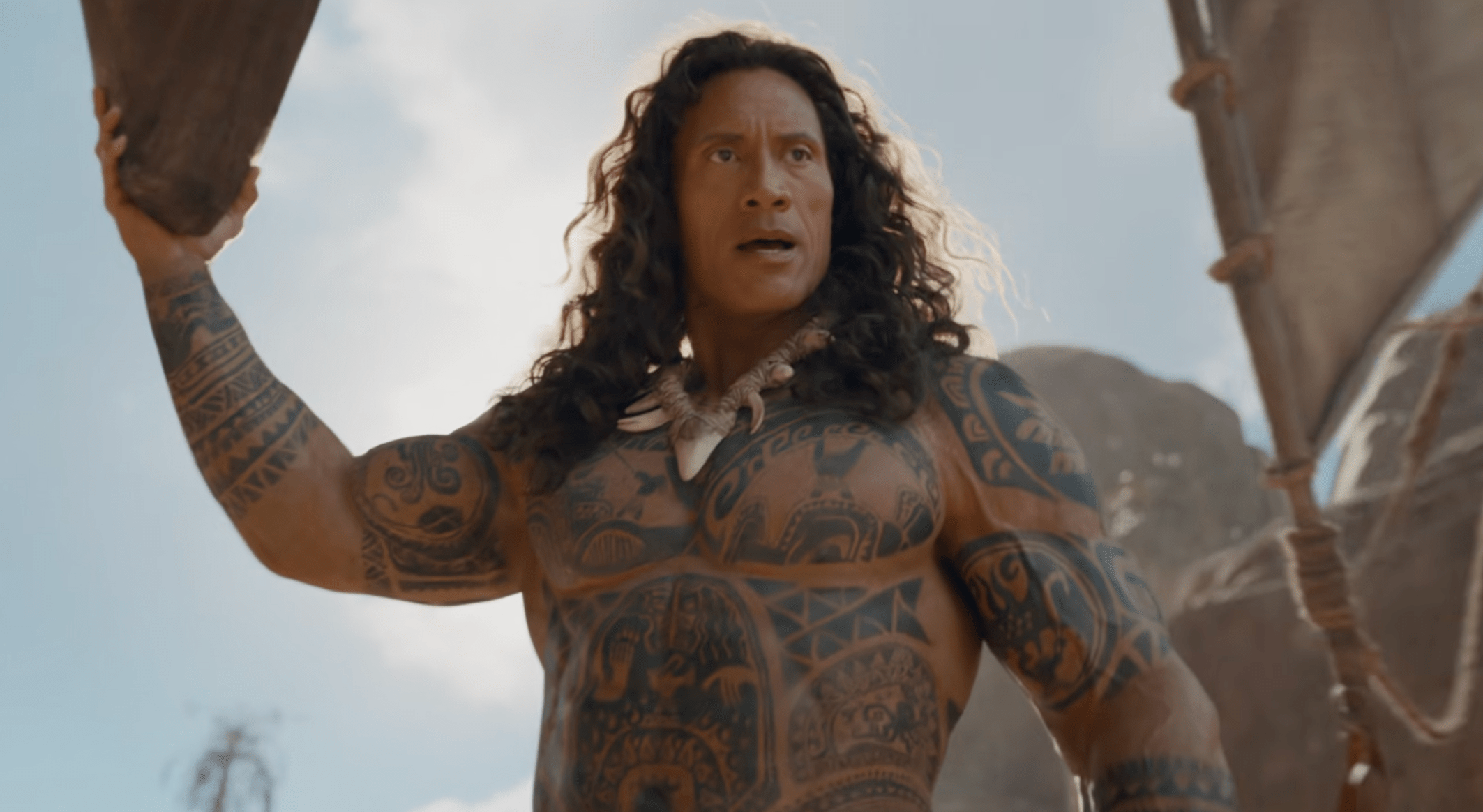
The Rock as Maui in the live action trailer for Moana – YouTube, Disney
His answer framed Moana not simply as a story for one specific group, but as a universal story about curiosity, ambition, and wanting something more from life.
Variety Highlights The Part Of Johnson’s Answer About Race
Following the interview, Variety shared Johnson’s comments on X and emphasized the actor saying Indiana Jones “didn’t look like me.”
However, the larger exchange included Johnson immediately rejecting the idea that this difference prevented him from identifying with the character. Variety conveniently left that part out of its post.
Dwayne Johnson says he lacked cultural representation in the media growing up: “‘Indiana Jones’ inspired me. When I was 8 years old watching Harrison Ford, I was like, ‘I want to be that guy,’ but that guy didn’t look like me.”https://t.co/qqwbSokU1T pic.twitter.com/AMqdcXHxEj
— Variety (@Variety) July 8, 2026
The moment highlighted two competing ideas about storytelling: one focused primarily on identity and another focused on universal human experiences.
Johnson acknowledged the value of seeing different cultures represented on screen, but his own story about Indiana Jones showed that inspiration is not limited to characters who look exactly like the audience watching.
For an eight-year-old Dwayne Johnson, Harrison Ford’s Indiana Jones was not a reminder of what separated them.
He was simply a hero.
How do you feel about The Rock and his response to Variety? Sound off and let us know!
