


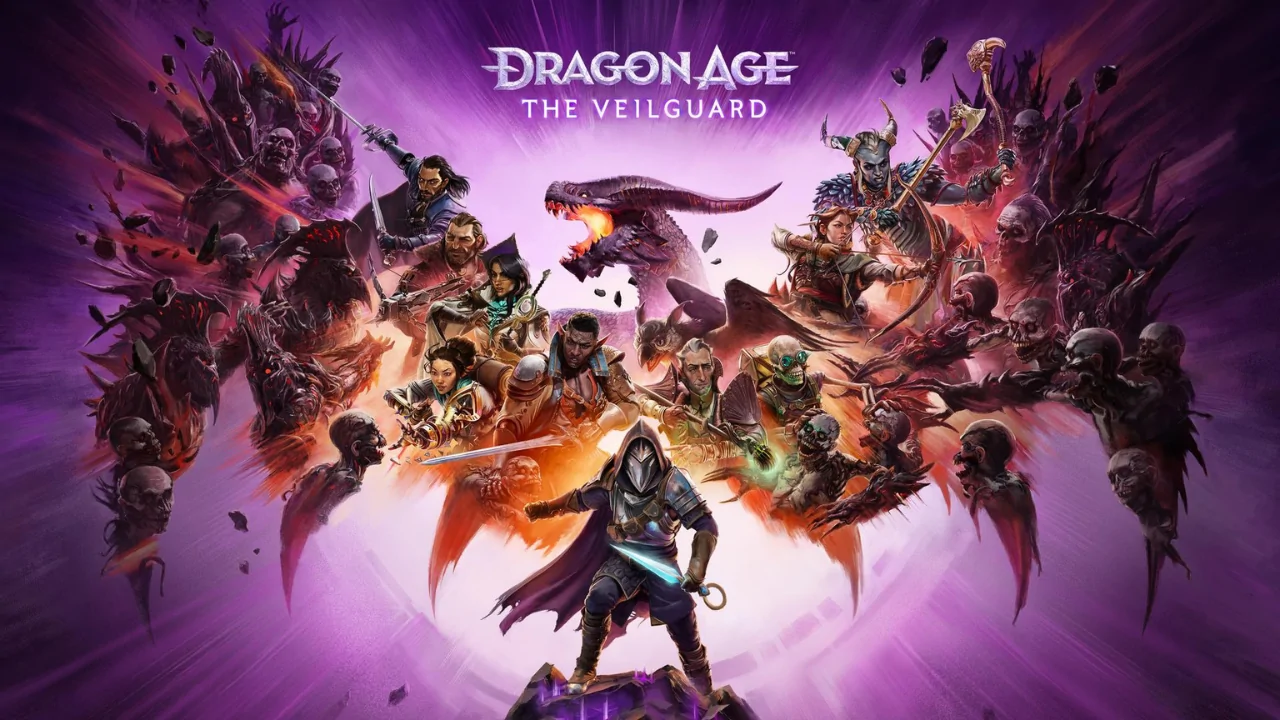
Electronic Arts (EA) is facing a financial crisis of epic proportions, with EA stock dropping nearly 20% after the company openly admitted that Dragon Age: The Veilguard and EA Sports FC 25 failed epicly. The fallout from these high-profile disasters has sent shockwaves through the gaming industry, with investors reacting swiftly and decisively to the company’s lowered revenue forecast for the fiscal year.
The sharp decline began earlier this week, with EA’s stock plunging on January 22 from $142.35 to $125.90 in a single day. Today, the bleeding continued, bottoming out at $116.29 before clawing back slightly to its current level of $118.58. These numbers represent a staggering blow to a company once seen as a pillar of stability in the gaming industry.
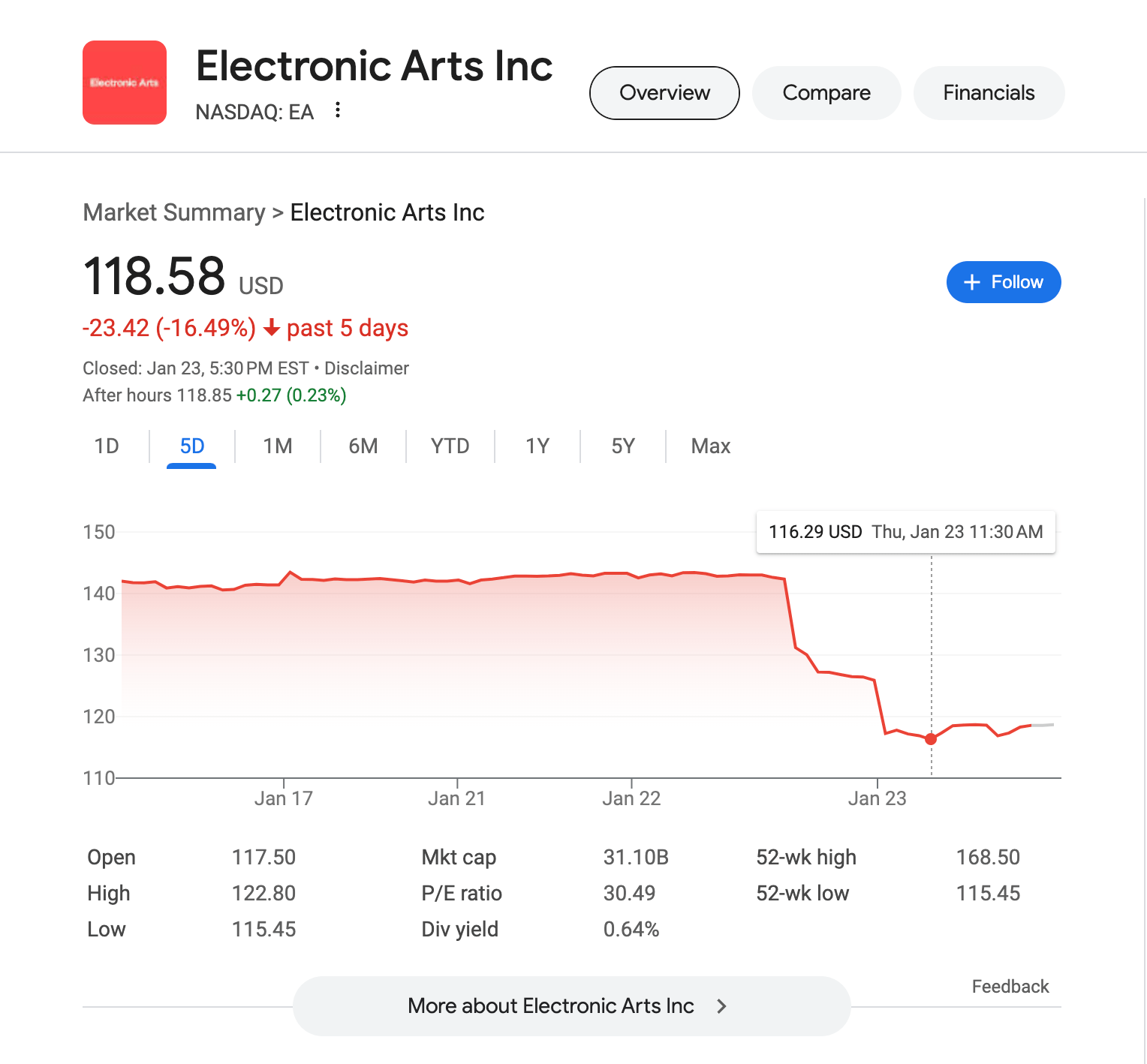
The EA Stock movement over the last five days – Google
EA’s current predicament was entirely avoidable, with many pointing to mismanagement at BioWare and the company’s broader embrace of diversity, equity, and inclusion (DEI) agendas as root causes of its struggles.
Dragon Age: The Veilguard, which was supposed to be a triumphant return for the beloved RPG franchise, has fallen well short of expectations. Despite projections that it would sell 3 million copies at release and a whoppint 10 million over its lifecycle, the game had only “engaged” 1.5 million players as of December 31, 2024.
The troubles don’t end there. EA Sports FC 25, the rebranded successor to EA’s FIFA franchise, has also underperformed. A crucial slowdown in sales over the Christmas season compounded the company’s financial woes, forcing it to adjust its annual revenue projections downward by hundreds of millions of dollars.

A screenshot from Dragon Age: The Veilguard (2024), BioWare
The situation at BioWare is particularly troubling. The studio, once renowned for masterpieces like Dragon Age: Origins, Jade Empire, and Mass Effect, is now seen as a shell of its former self. Meanwhile, insider reports from Smash JT and Grummz suggest BioWare’s Edmonton headquarters may be on the chopping block, with EA allegedly preparing to shutter the studio entirely as part of broader cost-cutting measures.
The Veilguard leaned heavily into progressive themes, a shift that alienated many longtime fans. Critics argue that the game prioritized political messaging over engaging gameplay and compelling storytelling, resulting in a product that failed to resonate with its core audience.
The steep decline of EA stock underscores a growing lack of confidence in EA’s leadership and long-term vision. While CEO Andrew Wilson has attempted to reassure investors by pointing to potential growth in fiscal year 2026, these promises feel like cold comfort in the face of the company’s current struggles.
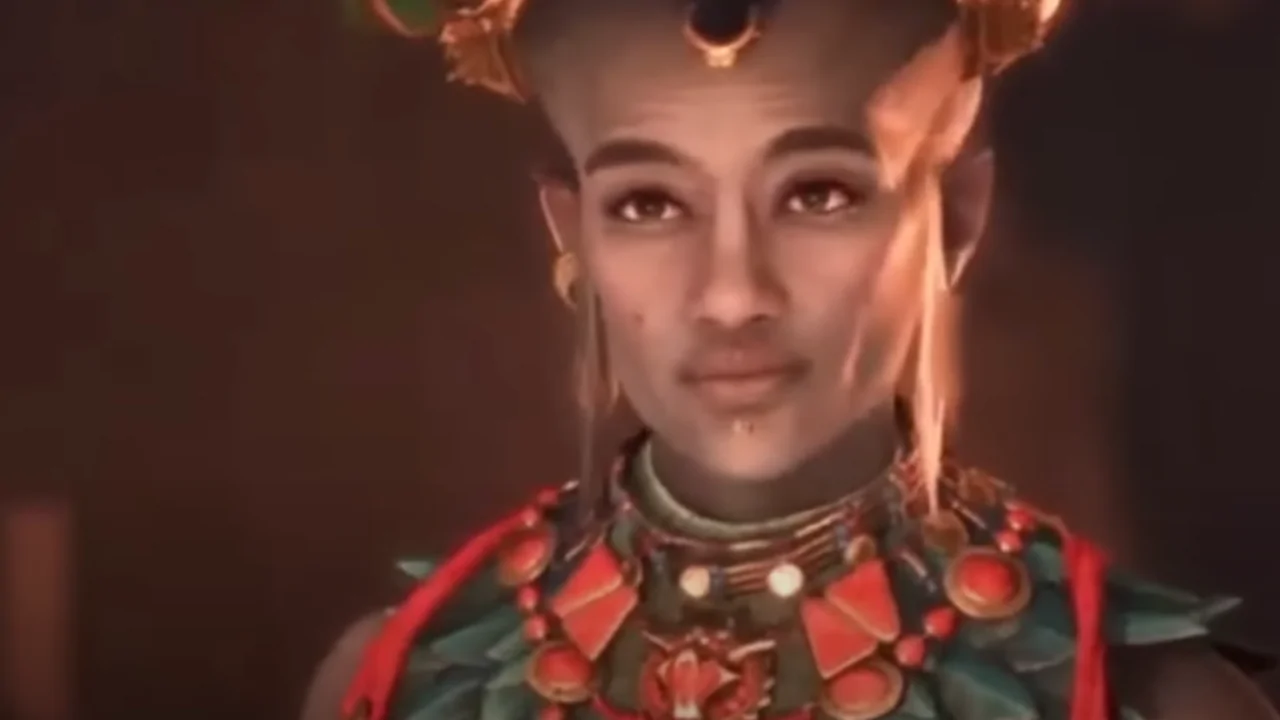
A screenshot from Dragon Age: The Veilguard (2024), BioWare
EA’s reliance on live-service models, rebranding efforts, and a focus on identity politics appears to be eroding the goodwill it once enjoyed with players. The company’s strategy has not only alienated portions of its fanbase but has also failed to deliver the financial returns investors expect.
For now, EA is left scrambling to recover from the double blow dealt by Dragon Age: The Veilguard and EA Sports FC 25. The company’s updated revenue forecast for the fiscal year now sits between $7 billion and $7.15 billion, a sharp drop from its original projection of $7.5 billion to $7.8 billion.
As EA faces mounting pressure from investors and fans alike, the question remains: Will the company course-correct, or will it continue doubling down on the strategies that led to this collapse?
Are you surprised that the EA stock tanked in the wake of Veilguard’s failure? Sound off in the comments and let us know!
UP NEXT: Assassin’s Creed: Shadows Gameplay Twitch Stream Shows a Buggy Bland Game That Put No Fears to Rest
