



The gaming press just can’t help itself. This week, GameRant published an article claiming Hogwarts Legacy 2 must follow its instructions to avoid the same “boycott” that allegedly haunted the first game. It’s a claim so absurd it borders on parody — because Hogwarts Legacy sold over 34 million copies.
No boycott stopped it. No controversy derailed it. The game was a monster success.
So why are journalists still pretending there’s a problem to solve?
The Myth of the Boycott
The idea that Hogwarts Legacy was somehow “tainted” by social media outrage and made the victim of a progressive boycott is a convenient narrative for writers who opposed the game from the start. It allows them to rewrite history — to claim that if only the studio had listened to them, things might have gone differently.

A screenshot from Hogwarts Legacy (2023), Avalanche Software
But reality doesn’t bend that way. The supposed Hogwarts Legacy boycott never left Twitter. There were hashtags, angry posts, editorials, and curated lists being used to harass streamers who dared to play it — but none of it touched sales. Hogwarts Legacy dominated Twitch, topped charts for months, and became Warner Bros. Games’ most successful launch ever.
If this is what being “boycotted” looks like, most studios would beg to be the “victim” of the next one.
The Media’s New Strategy: Rewrite the Story
Since they can’t deny the game’s success, the press is trying to reframe it. Now the line goes something like this: Hogwarts Legacy may have sold millions, but it still carries some kind of moral stain — one only the developers can scrub away by doing exactly what access media gaming critics want.

A screenshot from Hogwarts Legacy (2023), Avalanche Software
According to GameRant, Avalanche Software’s inclusion of a bartender character named Sirona Ryan (a biological male who identified as female) boiled down to “performative representation” that didn’t go far enough. The author argues that J.K. Rowling’s personal beliefs can only be balanced by adding more gender identity-driven characters, perhaps even making one a lead protagonist.
In other words, the gaming media isn’t just reviewing a game anymore — it’s trying to design the sequel.
The Problem With This Logic
GameRant calls Rowling’s beliefs (which stem from her experience as a survivor of assault) “harmful” and insists Avalanche “cannot clean up Rowling’s mess” without expanding those gender-focused roles.

A screenshot from Hogwarts Legacy (2023), Avalanche Software
But there’s no evidence that any lack of “representation” cost the game anything. Avalanche allowed players to develop biologically male or female characters and assign them the title of “witch” or “wizard” independent of body type. They also included the aforementioned Sirona Ryan character and made Hogwarts a full on rainbow of ethnic diversity that never existed in the films, featuring students from all walks of life.
Anyone who wanted to play as a character who identified as a gender that differed from their birth had the freedom to do so. And anyone who didn’t weren’t forced into it.
But that wasn’t enough for the activists and game journalists who made it their mission to destroy this game.
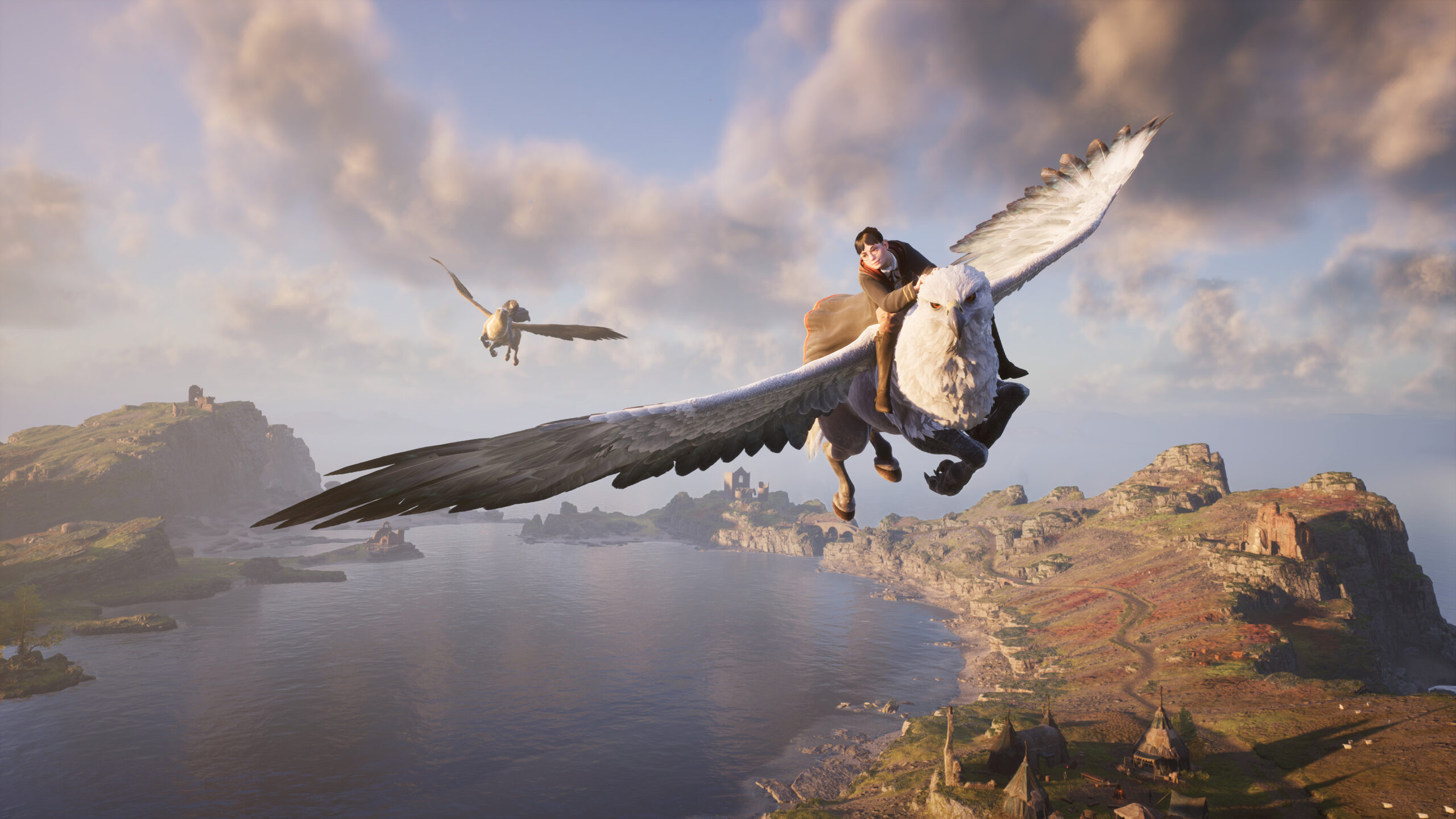
A screenshot from Hogwarts Legacy (2023), Avalanche Software
And guess what happened despite their ire?
Players didn’t boycott Hogwarts Legacy — they celebrated it. Meanwhile, the one character added to appease critics didn’t satisfy them anyway. So what, exactly, would make them happy? A checklist? A lecture at the Three Broomsticks?
The answer, of course, is nothing. This was never about the game. It’s about control — over messaging, over tone, over what’s considered “acceptable.” It’s a holdover hissy fit because the success of Hogwarts Legacy showed the gaming media how little power they truly have over consumer desire and the massive ideological disconnect between mainstream outlets and the players they supposedly serve.
The Fans Already Moved On
The reality is simple: Hogwarts Legacy succeeded because it focused on adventure, exploration, and the timeless fantasy of a magical world.
And that’s what players want again.
The sequel doesn’t need a new identity or an ideological checklist. It doesn’t need to “heal” a fandom that’s been enjoying itself just fine. It only needs to deliver another great game — one that trusts its audience instead of trying to impress the same media that’s still mad it succeeded without their permission.

A screenshot from Hogwarts Legacy (2023), Avalanche Software
The gaming press spent a year predicting Hogwarts Legacy would fail to some fantasy boycott. It didn’t. Now they’re trying to turn that embarrassment into moral guidance. But the truth remains: the only people demanding an apology for success are the ones who bet against it.
Why do you think the gaming media is obsessed with the idea of a Hogwarts Legacy boycott? Sound off in the comments and let us know!
