


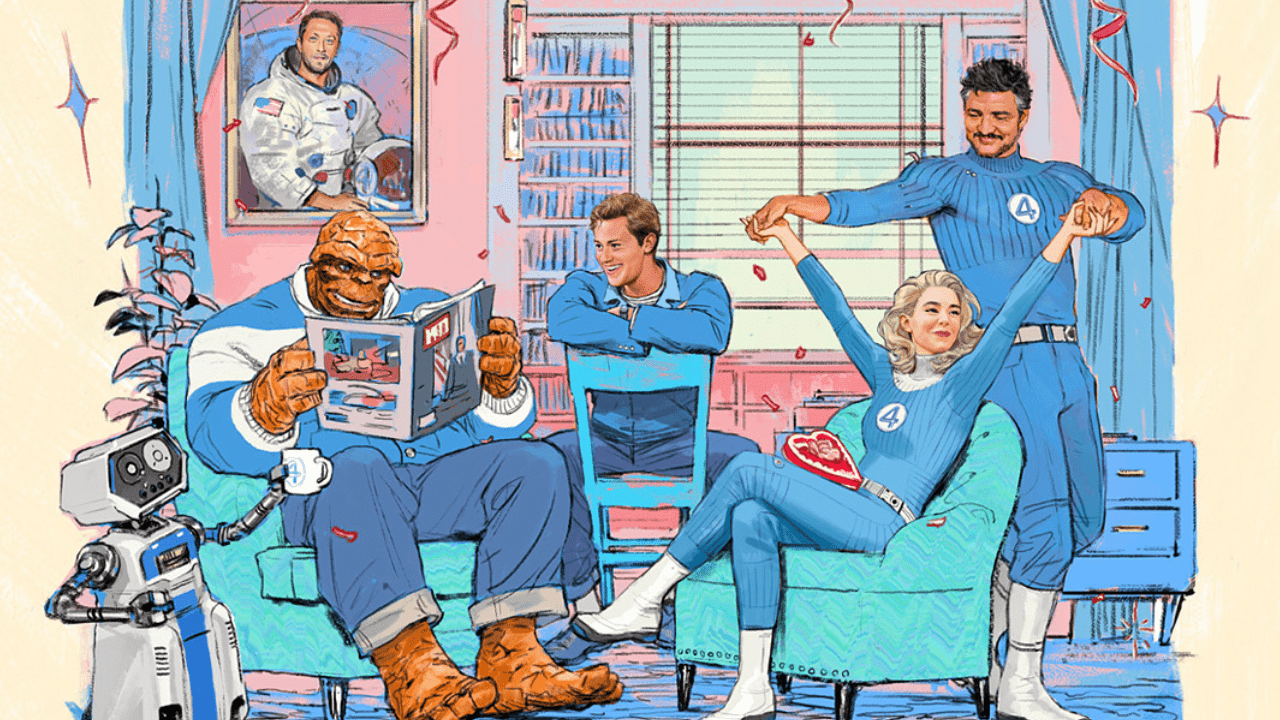
The MCU Fantastic Four will see major politically-charged changes to Marvel’s classic characters created by Stan Lee and Jack Kirby in 1961.
The Marvel Cinematic Universe is rolling the dice again with Fantastic Four: First Steps, the 37th entry in the franchise, and it might be its most ideologically loaded to date. Director Matt Shakman and stars Pedro Pascal, Vanessa Kirby, Joseph Quinn, and Ebon Moss-Bachrach are aiming for a retrofuturist take on Marvel’s First Family—but the glossy visuals can’t hide a major shift in character dynamics and storytelling focus.

The Human Torch in Fantastic Four: First Steps – YouTube, Marvel Entertainment
This film represents significant Fantastic Four MCU changes that will see a wild departure from classic depictions that have become so well known in the world of Marvel Comics. While set in an alternate 1960s-inspired universe, First Steps isn’t just aiming for period flair. It’s clearly designed to reframe the Fantastic Four through a very modern lens. EW’s behind-the-scenes coverage reads more like a cultural manifesto than a superhero preview.
Let’s start with Johnny Storm, the Human Torch. Actor Joseph Quinn openly questions whether the classic version of the character—the brash, woman-chasing hotshot that Chris Evans brought to live in the 2005 film—still belongs on screen today.
“He was branded as this womanizing, devil-may-care guy, but is that sexy these days?” Quinn asked. “I don’t think so. This version of Johnny is less callous with other people’s feelings, and hopefully there’s a self-awareness about what’s driving that attention-seeking behavior.”

Poster for Fantastic Four (2025), Marvel Studios
Quinn’s Johnny is now defined less by fire and flair, and more by introspection and social calibration. The old swashbuckling charm has been swapped for sensitivity—yet another of the notable Fantastic Four MCU changes fans may not have expected or wanted.
Then there’s Vanessa Kirby’s Sue Storm, portrayed as both pregnant and politically powerful—the head of the Future Foundation and architect of global peace. Kirby describes Sue not as a superhero, but as a commentary on modern motherhood and womanhood.
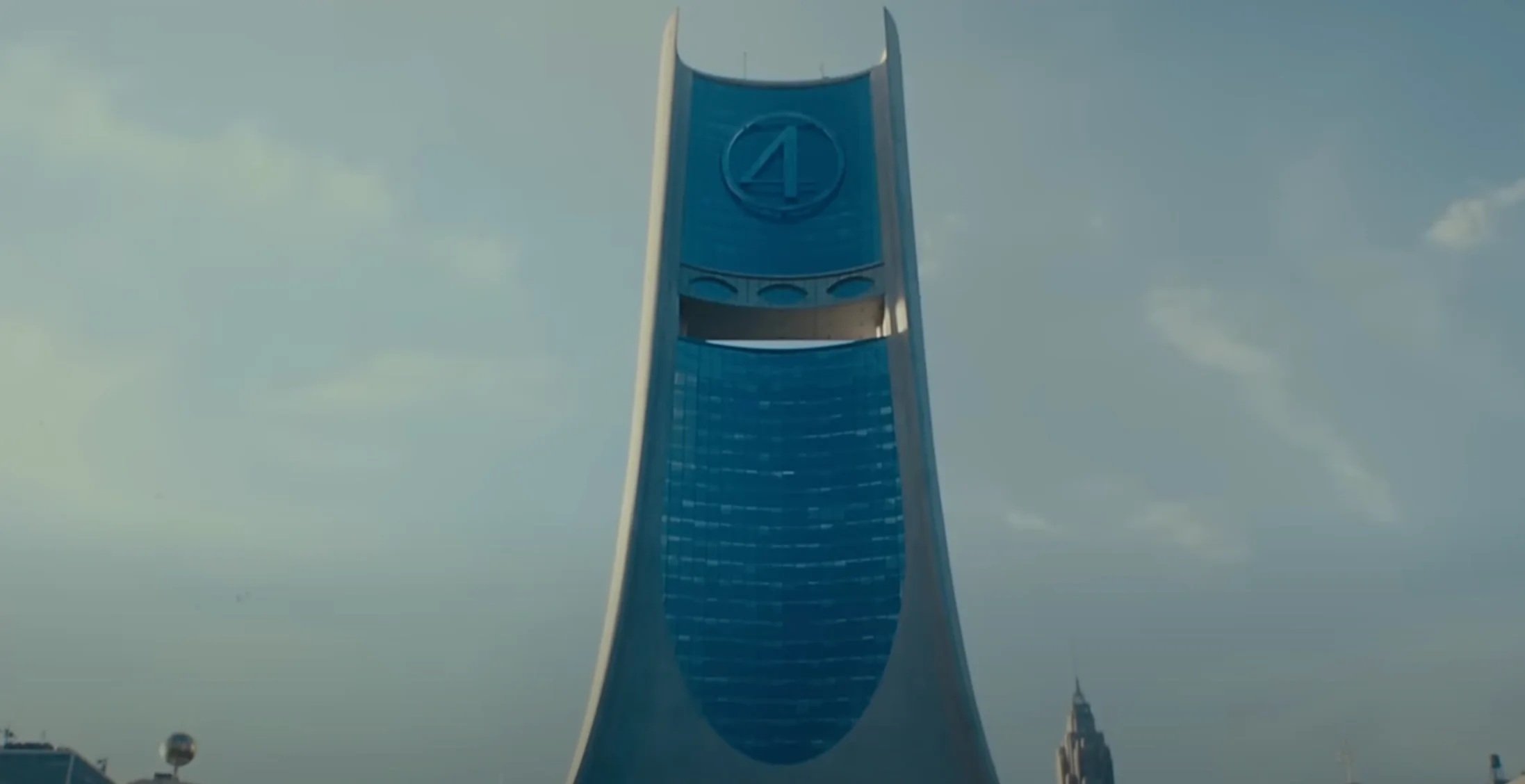
The Baxter Building in Fantastic Four: First Steps – YouTube, Marvel Entertainment
“One of the things I love most from Sue’s history is when she becomes Malice, and all her dark stuff comes out,” Kirby said, proving that while she might share a name with FF co-creator Jack Kirby she doesn’t have a healthy respect for his work. “I was obsessed with that chapter of her life. So I wanted to make sure that there were tones of Malice in there with her, that she wasn’t just the stereotype of a goody, sweet mother. I’ve always been really interested in the mess of femininity, and how can you be both? How can you be all the things? Not just the tough, invincible, powerful woman, but also a mother who gives birth, which is itself a superhero act.”
The implication is clear: the Sue of old isn’t acceptable anymore. Today, she must embody everything at once—a maternal figure, a political leader, a complex emotional being, and an empowered icon. This is one of the clearest Fantastic Four political MCU changes defining the team’s new “modern audience” direction.
Reed Richards, played by Pedro Pascal, is reimagined not only as the MCU’s smartest man, but as a utopian visionary building a new society alongside Sue. Director Shakman describes them as a couple constructing a better world.
“If he is the most scientifically intelligent person, then she is the most emotionally intelligent person on the planet,” he said. “Between the two of them, they’re building an idealistic society.”
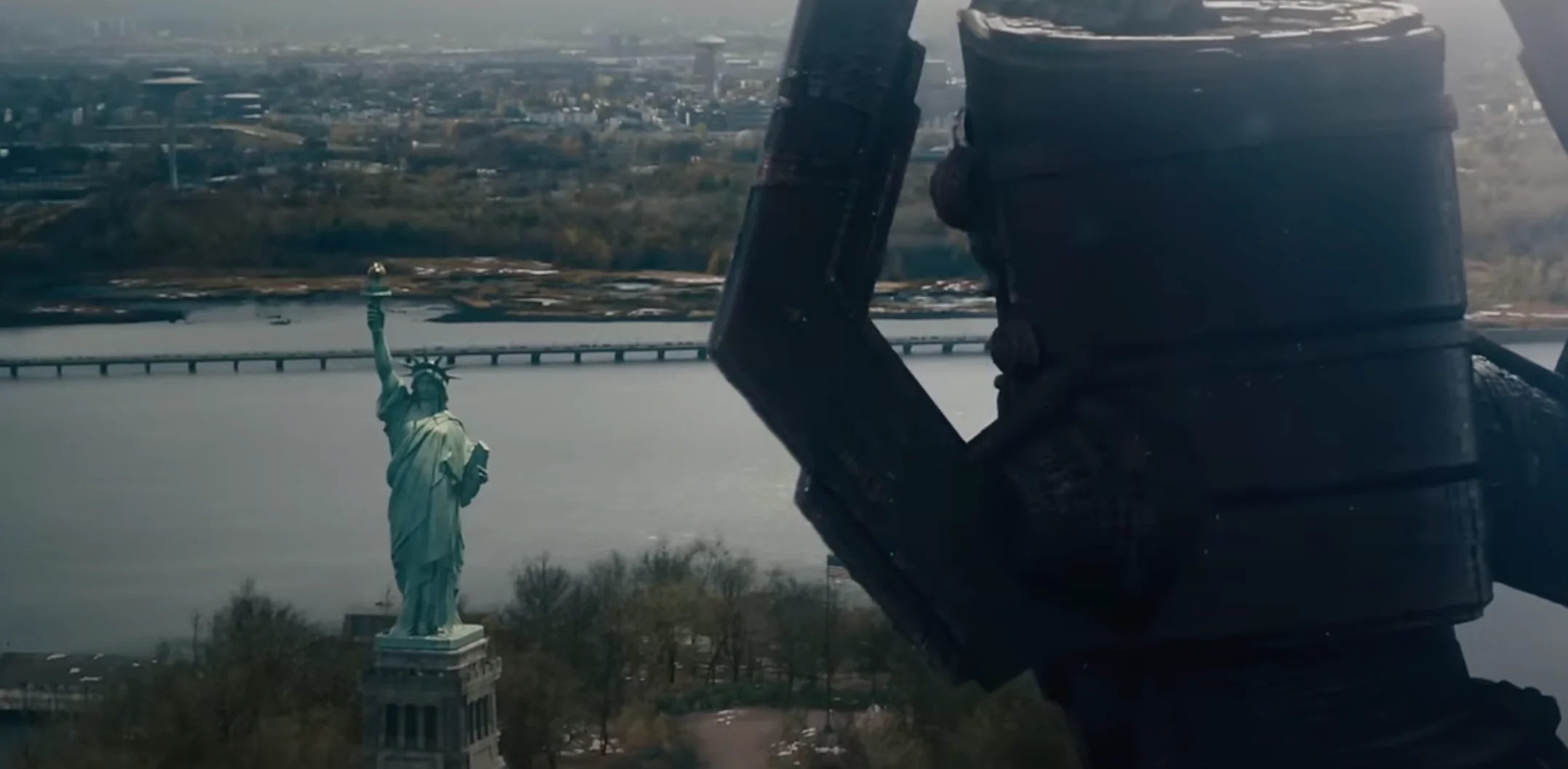
Galactus in Fantastic Four: First Steps – YouTube, Marvel Entertainment
This idealism replaces the fantastical adventures of the original comics with what amounts to ideological world-building. Even Kirby acknowledges the balancing act of rewriting a 1960s character for a 2020s audience:
“If you played an exact ’60s Sue today, everyone would think she was a bit of a doormat,” she said. “So figuring out how to capture the essence of what she represented to each generation, where the gender politics were different, and embody that today, was one of the greatest joys of this.”
The Fantastic Four once stood for discovery, bravery, and family bonds. Now they stand for carefully curated messages about emotional literacy, social progress, and global unity. While Marvel fans might still be drawn in by the retro sci-fi visuals and classic characters, many will wonder if the heart of the team has been rewritten beyond recognition.
The silver lining? Ebon Moss-Bachrach’s Ben Grimm (The Thing) seems to hold closest to the original spirit, drawing directly from Jack Kirby’s Jewish New York roots.
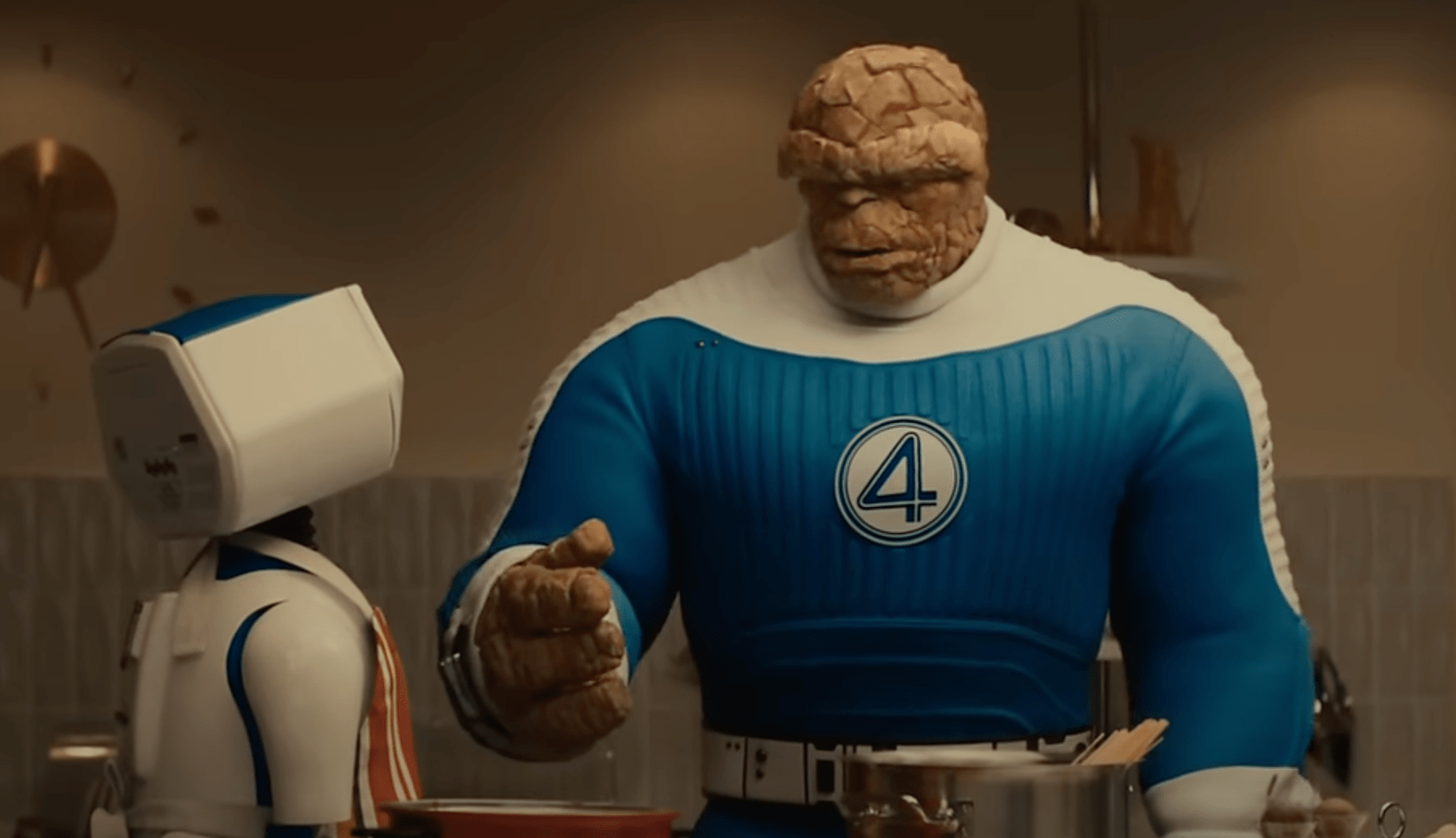
The Thing and Herbie the Robot in Fantastic Four: First Steps – YouTube, Marvel Entertainment
“Jack Kirby wrote this character [of Ben Grimm] as a bit of an homage to his father, and to the streets that he grew up on,” Moss-Bachrach said. “So it does feel like home to me, and the production did a beautiful job recreating that.”
But one grounded performance may not be enough to anchor a film that seems determined to be more message than myth.
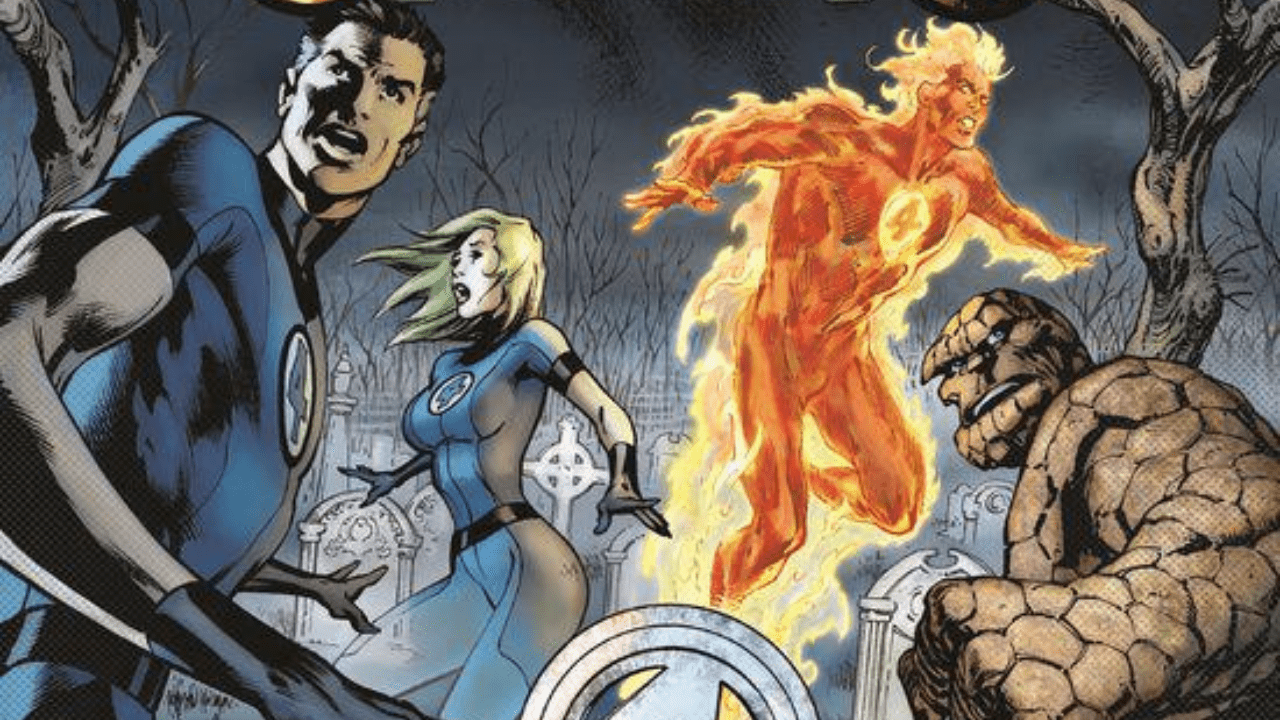
Fantastic Four by Jonathan Hickman Omnibus Vol. 1 (2022), Marvel Comics
Fantastic Four: First Steps releases July 25, and from the look of it, Marvel isn’t just rebooting a franchise — it’s rewriting the rulebook with sweeping changes that longtime fans could take issue with. Marvel’s embrace of modern progressive identity politics has been a point of contention for fans of the comics and the film franchise since Avengers Endgame. The once guaranteed box office gold films have seen a major downturn in box office returns and overall cultural impact.
How do you feel about these Fantastic Four MCU changes? Sound off in the comments and let us know your thoughts!
