



While California Attorney General Rob Bonta and 11 other state attorneys general attempt to block Paramount’s proposed acquisition of Warner Bros. Discovery, the federal government has delivered another sign of approval.
Paramount Skydance and RedBird Capital sought capital from foreign investors to help finance the reported $111 billion all-cash deal. However, because the merger involves American broadcast licenses, the arrangement required approval from the Federal Communications Commission.

David Ellison in an interview with Bloomberg – YouTube, Bloomberg Podcasts
READ: Duck Tales World Showcase Adventure Will Return to EPCOT
Under the current agreement, foreign entities would own 49.5% of the combined Paramount Skydance and Warner Bros. Discovery. Those investors include sovereign wealth funds associated with Saudi Arabia, Qatar, and Abu Dhabi.
Federal law normally limits foreign ownership of companies controlling American broadcast licenses to 25%. In this case, however, the investors will receive non-voting shares and cannot participate in the company’s management or content decisions.
According to Variety, the Ellison family and RedBird Capital will control 100% of the merged company’s voting shares. That provision cleared the way for the FCC to sign off on the arrangement Thursday.
Senators Warn of Foreign Influence
In an open letter to FCC Chairman Brendan Carr last May, six Democratic senators expressed serious concerns about the proposed investments.
They noted that the countries involved severely restrict freedom of the press and argued that their sovereign wealth funds could gain “significant influence” over American news organizations such as 60 Minutes, CNN, and CBS News.

The logo for 60 Minutes – YouTube, CBS Evening News
READ: Eric July Responds After Comic Book Reddit Mods Label Rippaverse a “Hate Group”
The senators described approval exceeding the established 25% limit as unprecedented. They also warned that “even as passive investors, these foreign entities could be in a position to gain sensitive information on Americans’ financial and other personal information, and their viewing habits, as well as the ability to influence the content carried by this massive media conglomerate.”
Ultimately, the lawmakers requested assurances that the investors would not influence journalistic standards, suppress unfavorable coverage, or promote content contrary to American interests.
FCC Imposes Restrictions on Foreign Investors
The FCC concluded that the arrangement prevents foreign investors from exercising control despite their substantial financial stakes.
According to Variety, the commission explained, “We are persuaded by Paramount’s argument that the Foreign Investors therefore will not be able to wield any influence, let alone control, over decisions involving the Licensees.”
Under the terms of the approval, foreign investors will be prohibited from appointing board members, participating in management, influencing editorial or programming decisions, or accessing Americans’ personal information.
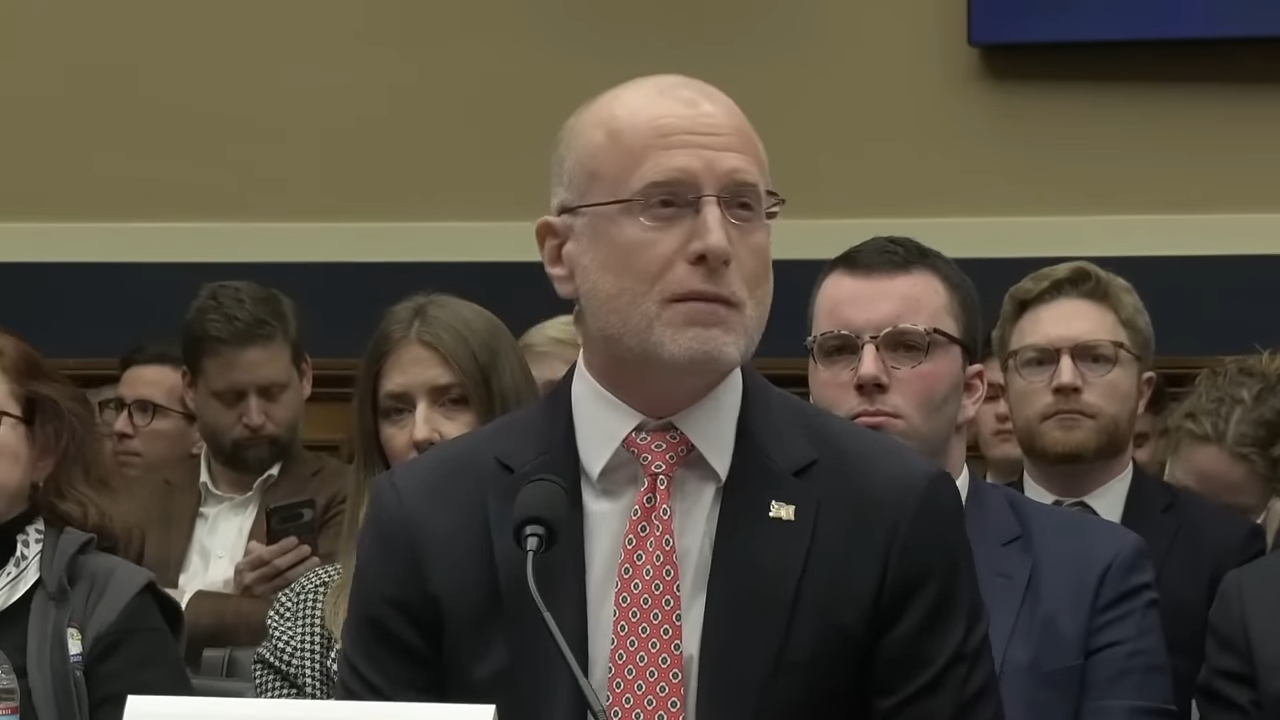
FCC Chair Brendan Carr testifies before House subcommittee – CBS News, YouTube
READ: Typhoon Lagoon Closes for Seasonal Refurbishment
The decision followed a national security review by Team Telecom, an interagency committee that examines foreign investment in American telecommunications companies.
The FCC’s involvement stems primarily from the merged company’s control of CBS television stations and other broadcast licenses. However, the agency is not responsible for determining whether the broader merger violates antitrust law.
Paramount’s acquisition would unite Paramount Pictures, Warner Bros., HBO, DC Studios, CNN, CBS, Nickelodeon, and numerous other entertainment and news brands under one corporate roof.
Merger Still Faces State Lawsuit
The FCC’s approval removes another regulatory obstacle for Paramount, but it does not guarantee that the merger will close. Although the Justice Department has already approved the acquisition, a coalition of 12 states is suing to block it on antitrust grounds.
A trial is currently scheduled for March.
Paramount nevertheless remains confident that the deal will proceed.
“At a time when the media industry faces unprecedented competitive pressure from dominant big tech companies, a combined Paramount-WBD will have the scale and resources necessary to compete, invest, innovate, and deliver premium content to audiences worldwide,” a company spokesperson said in response to the FCC’s decision.
The FCC has now accepted Paramount’s safeguards against direct foreign control. Whether the merger itself survives the states’ antitrust challenge will be decided in court.
What do you think of the FCC approving 49.5% foreign ownership of a merged Paramount and Warner Bros.? Sound off and let us know!
UP NEXT: Dolly Parton Accepts Award With Posthumous Message Ending With “I Will Always Love You”
