

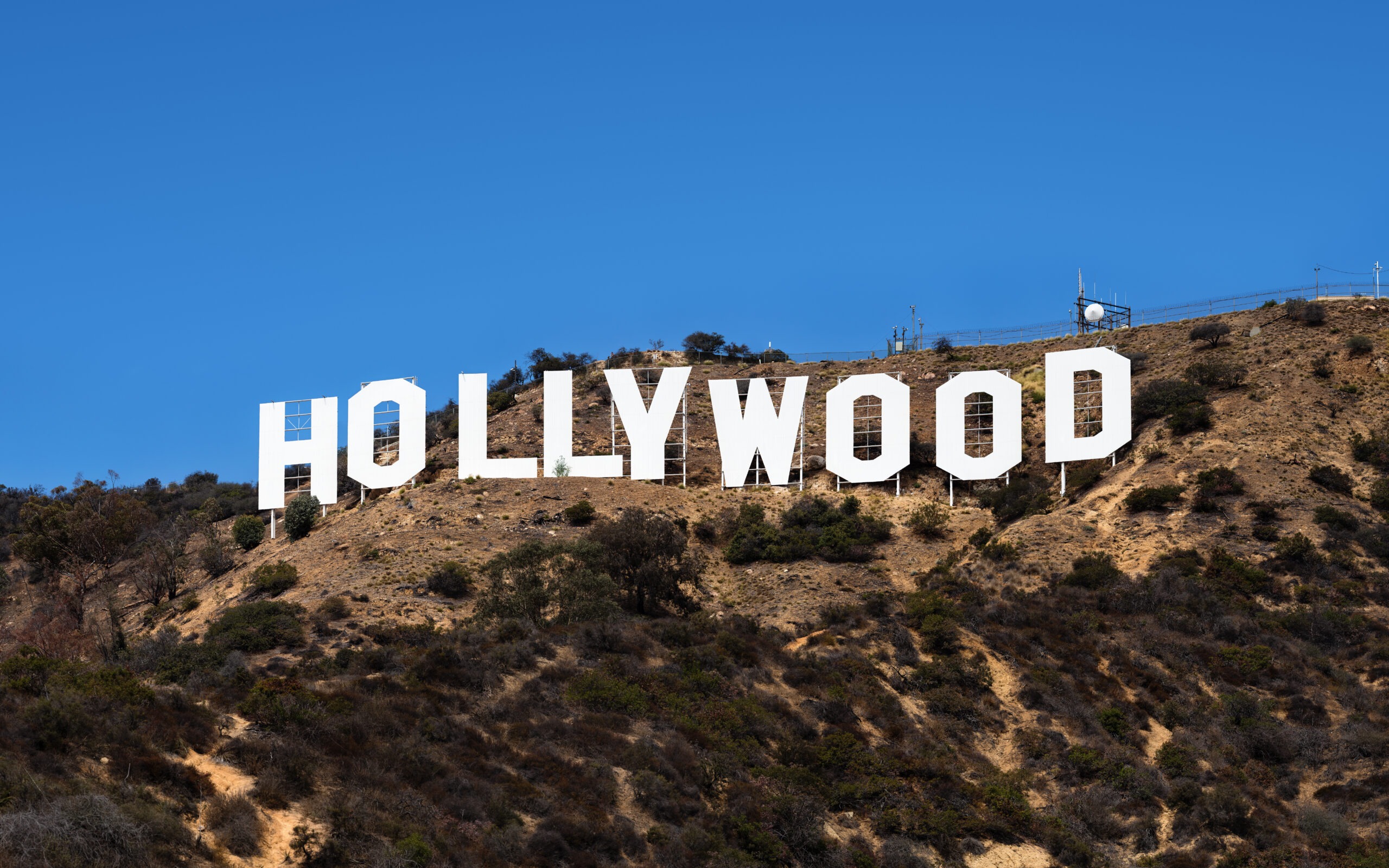
Hollywood spent decades warning audiences that artificial intelligence could threaten humanity. When it finally arrived, however, it looked less like The Terminator and more like a door to new opportunities—depending on one’s perspective. Now that AI may threaten the entertainment industry’s business model, some insiders want Congress to intervene.
David Barber, president of Motion Picture Sound Editors, has called for federal legislation preventing movies, television shows, and songs generated through AI prompts from receiving copyright protection.

A Terminator in Terminator 2: Judgment Day (1991), Tri-Star Pictures
READ: Scaffolding Removed From Muppet Vision Theater, Does Not Yet Resemble Monstropolis Glob Concept Art
Writing in The Hollywood Reporter, Barber argued that people should not be allowed to profit by simply prompting complete works into existence. Denying copyright protection would make those productions commercially dangerous because anyone could legally copy and distribute them.
“Examples include films that use a prompt-generated score, sound effects, visual effects, or VoiceOver, and songs that use prompt-generated horn sections, backup vocals, or other core elements that contribute to the song’s final presentation,” Barber wrote.
Hollywood Proposal Could Limit Independent Creators
Although Barber framed the proposal as a defense of human creativity, it would also erect a substantial barrier against independent creators capable of competing with Hollywood studios.
Generative AI could eventually allow small teams—or even individuals—to produce movies that once required hundreds of employees and enormous budgets. Hollywood would no longer possess exclusive access to the resources necessary for professional filmmaking.
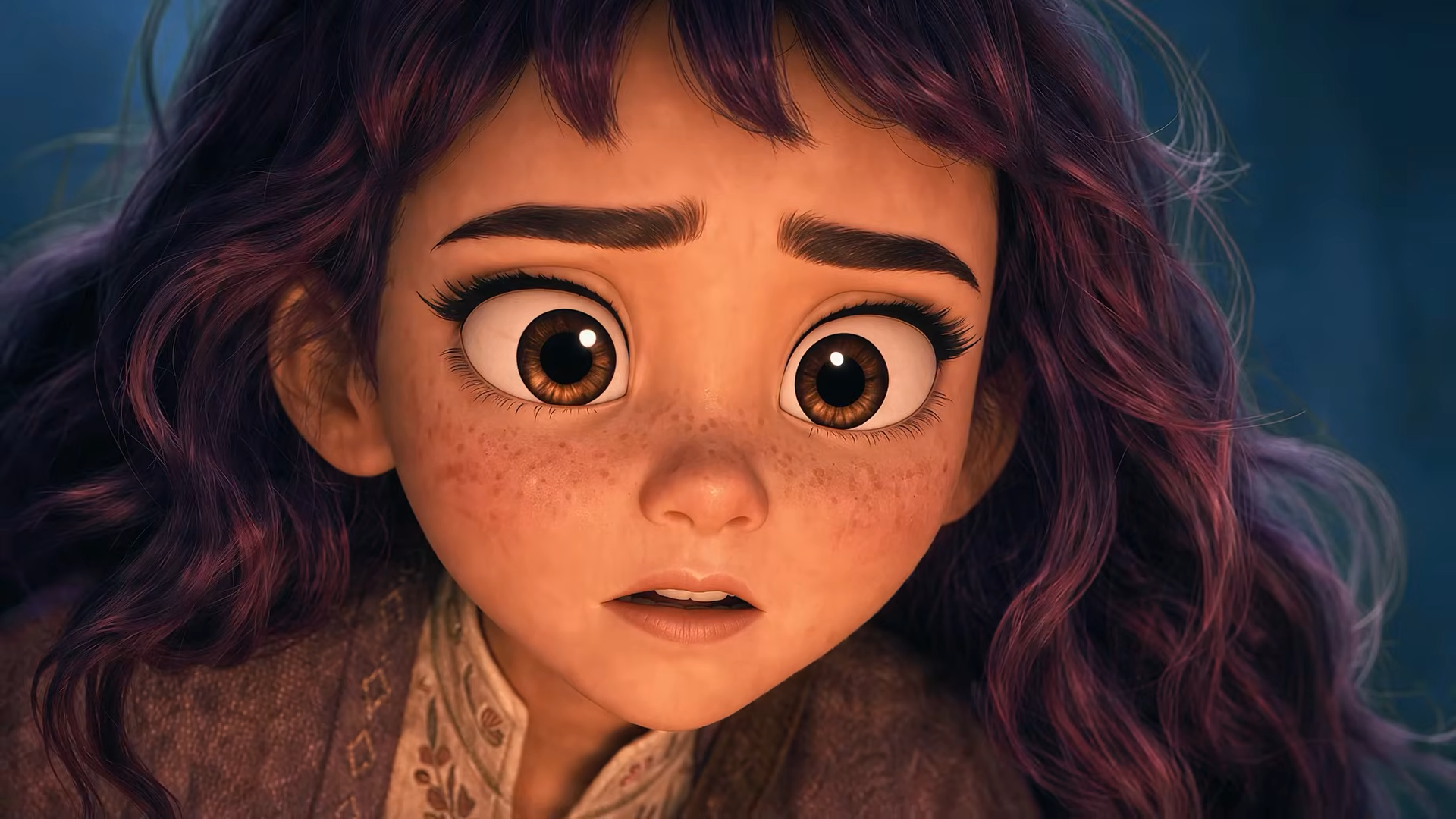
The Continuing Adventures of Mary Sue – Josh Daws, YouTube
READ: Halo Composer Marty O’Donnell Vows To Protect Gamers’ Ownership Rights In Congress
In fact, the question is not whether this will happen, but how soon. With his series The Continuing Adventures of Mary Sue, former Disney employee Josh Daws is already using the technology to create short films that rival his former employer’s latest offerings. His newest video received nearly 7,000 views on YouTube during its first week, demonstrating that audiences are receptive to an appealing story regardless of how it was made.
Preventing creators like Daws from protecting their movies would neutralize that potential competition before it became a serious problem.
Hollywood Studios Are Already Embracing AI
There is also an obvious problem with Barber’s proposal: Hollywood studios are already adopting the same technology from which they supposedly need protection.
Lionsgate expanded its partnership with Runway in June, building additional infrastructure to incorporate generative AI into film production. The studio previously described the technology as an opportunity to create “capital efficient” content while assisting filmmakers during preproduction and postproduction.
Netflix has gone even further by purchasing InterPositive, the AI filmmaking company founded by Ben Affleck. The company’s 16 employees joined Netflix, while Affleck became a senior adviser to the streaming service.
The Logo for Netflix – Netflix
READ: Sherman Bros Tribute Removed From Disneyland Main Street
InterPositive differs from conventional text-to-video generators. Its models are reportedly trained using human actors on secure soundstages and designed to assist cinematographers and directors during traditional film production. Nevertheless, the acquisition demonstrates that Netflix considers AI valuable enough to bring the technology—and its proprietary dataset—entirely in-house.
Lionsgate and Netflix may be pursuing different applications, but they have reached the same fundamental conclusion: AI will become part of Hollywood’s production process. Other studios will inevitably follow if the technology reduces costs or allows projects to be completed more efficiently.
Copyright Law Already Protects Human Contributions
Current copyright rules already distinguish between human authorship and fully machine-generated material. The U.S. Copyright Office determined that prompts alone generally do not provide sufficient creative control to qualify for protection. However, humans can copyright their original contributions, including their selection, arrangement, and modification of AI-generated material.
That distinction is more reasonable than a sweeping mandate targeting any production created through prompts. AI-assisted movies will rarely emerge from a single sentence without additional writing, editing, sound design, sequencing, and creative direction.
Barber, however, considers the existing distinction insufficient.
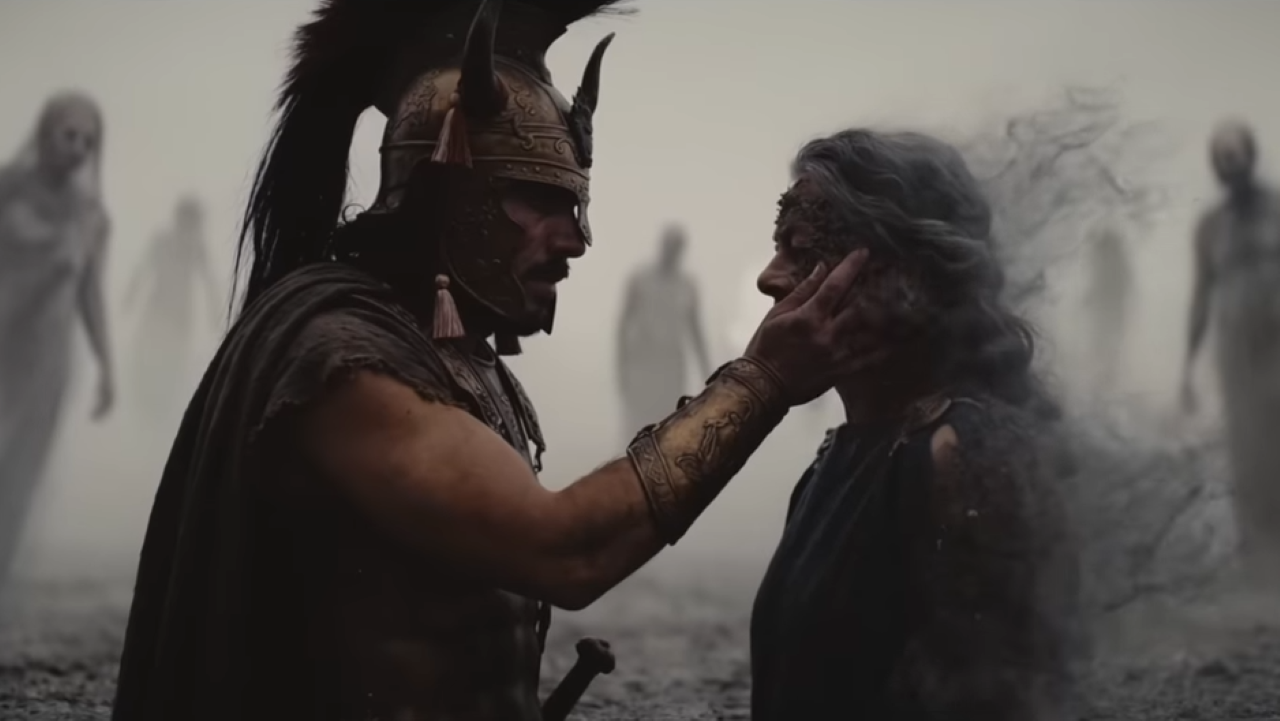
Odysseus: The Fall – Kling AI, YouTube
READ: Universal Studios Japan is Reportedly Getting an Expansion
“If there’s one thing we should have learned over the past decade or so, it is that loopholes beg to be exploited, and once that happens, the exploitation becomes the norm; so much so that we can’t remember what the original norm was,” he argued.
He later added, “Legislation is the only way to close these loopholes.”
However, treating every prompted element as a loophole risks denying protection to productions that still require substantial human judgment and creative work. At the end of the day, a tool is only as effective as the person using it.
Generative AI Is Not Going Away
Hollywood studios will eventually use generative AI far more extensively than they likely already do because financial pressure will make the technology impossible to ignore. Legislation may determine who can copyright the results, but it will not stop AI’s adoption. It will never have to say, “I’ll be back,” because it is not going away.
Instead, such a law could produce a familiar Hollywood arrangement: established corporations find ways to protect their own AI-assisted productions while independent creators remain unable to compete on equal terms.
Hollywood does not appear capable of stopping the AI revolution. However, it may still persuade Washington to decide who gets to profit from it.
Do you think that content produced with AI should be prevented from receiving copyright protection? Sound off and let us know!
UP NEXT: Dolly Parton’s Hollywood Walk of Fame Star Vandalized Days After Her Death
