



Naughty Dog’s upcoming sci-fi game, Intergalactic: The Heretic Prophet, has raised eyebrows for its seemingly deliberate focus on religion—particularly a critical portrayal of faith that echoes the company’s broader creative trajectory under Neil Druckmann. While the Intergalactic has been described as a deep exploration of faith and belief systems, early details suggest it is less about thoughtful discussion and more about targeted critique, with Christianity appearing to be the primary subject of scrutiny.
A Fictional Religion Rooted in Familiar Criticism
Set 2,000 years in the future but diverging from history in the late 1980s, Intergalactic introduces a dominant religion that has evolved over centuries.
Druckmann has emphasized how much time was spent developing this fictional faith, detailing how it has changed and been “bastardized” over time. This mirrors a common narrative in media where Christianity is unfairly framed as being outdated, hypocritical, or oppressive. The fact that the game’s timeline diverges in the 1980s—a decade often associated with a resurgence of Christian conservatism in the U.S.—further suggests that this religion’s portrayal will be a thinly veiled critique of modern Christian faith.
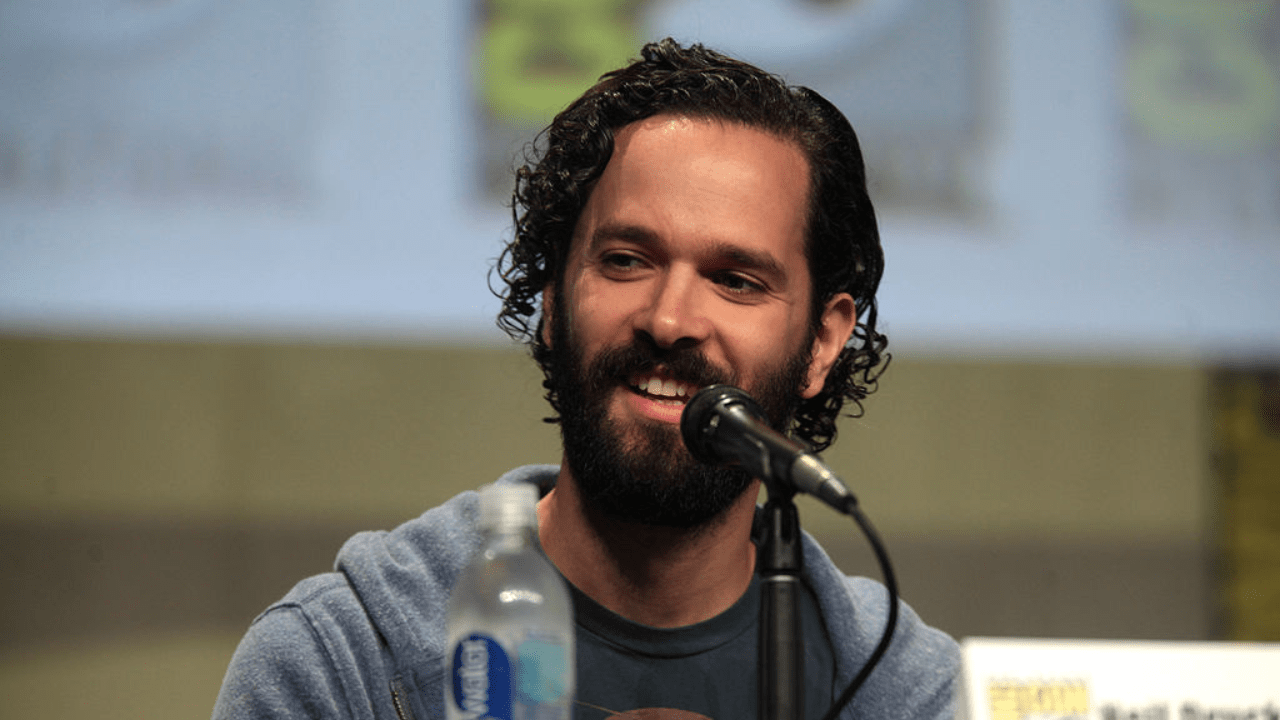
Neil Druckmann speaking at the 2014 San Diego Comic Con International, for “The Last of Us”, at the San Diego Convention Center in San Diego, California. Photo Credit: Gage Skidmore from Peoria, AZ, United States of America, CC BY-SA 2.0 <https://creativecommons.org/licenses/by-sa/2.0>, via Wikimedia Commons
READ: Dragon Age: The Veilguard Bombs on PlayStation Plus, BioWare Can’t Even Give This Game Away
According to leaked details, the protagonist, a bounty hunter, finds herself stranded on a planet where this religion has flourished. The mystery revolves around what happened to its followers, with much of the game’s plot seemingly built around deconstructing their beliefs. Druckmann has explicitly stated that he wanted to make a game about faith and religion, which raises concerns given his track record with narratives that seek to subvert traditional values rather than engage with them meaningfully.
A Pattern of Disrespect Toward Faith
Naughty Dog is no stranger to controversy when it comes to pushing divisive themes. The Last of Us Part 2 polarized audiences with its heavy-handed storytelling, and it seems Druckmann has not moved past the backlash. Instead of returning to solid gameplay and engaging narratives, Intergalactic appears poised to continue the trend of ideology-driven storytelling by targeting Christianity.
This development is emblematic of a broader trend within the gaming industry. As companies grow and their corporate structures expand, their creative direction often shifts away from the foundational principles that once made them great.
I knew the Naughty Dog (and Insomniac) guys when the company started and they were solid gamers not secularist psuedo-philosophers taking passive aggressive, bitchy pot-shots at Christianity.
As administrators and human resources grow in companies, they all merge to the left.… https://t.co/I1Mx8pebLk
— Doug TenNapel (blue check implied) (@DougTenNapel) March 12, 2025
This phenomenon was aptly described by Doug TenNapel, avowed Christian and the creator of Earthworm Jim.
“I knew the Naughty Dog (and Insomniac) guys when the company started and they were solid gamers, not secularist pseudo-philosophers taking passive-aggressive pot-shots at Christianity,” he said in resonse to the Intergalactic drama. “As administrators and human resources grow in companies, they all merge to the left. That goes for American universities and hospitals too; most were started by conservative Christians then turn into institutions that don’t produce the quality of yesteryear. Conservative people of faith don’t need to create a parallel market; we need to create a viable market where games are rooted in merit of gameplay, not philosophy of the owners or the cinematics tacked on at the end.”

The main character for Intergalactic: The Heretic Prophet – YouTube, Naughty Dog
READ: Inside Sony’s Internal Battle, A Look at the East–West Clash Dividing Sony and the Gaming Industry
TenNapel’s point highlights the shift that has taken place in studios like Naughty Dog. Once known for gameplay innovation and compelling narratives, the company now seems more invested in using its platform to push an agenda.
Intergalactic is just the latest example of this shift, with its focus on faith likely to alienate a significant portion of the audience.
Why Christianity is Always the Target
A key issue raised by critics of Intergalactic is why Christianity is so frequently the subject of scrutiny in media while other religions remain untouched. There are plenty of faith traditions around the world with unique histories and moral complexities, yet Hollywood and the gaming industry repeatedly focus their critiques on Christianity. This selective targeting raises legitimate concerns about bias and intentional cultural messaging.

The Last of Us Part I (2022), Naughty Dog
Many gamers are asking: Would Naughty Dog ever create a game that critiques Buddhism, Islam, or Hinduism in the same way? The answer is almost certainly no. Christianity remains an easy target because it is deeply embedded in Western culture, making it a convenient subject for those who wish to challenge traditional values without facing significant pushback.
The Future of Gaming: A Crossroads for Developers and Consumers
As more developers move toward philosophy-driven storytelling, the gaming industry is at a crossroads. Consumers are growing tired of narratives that prioritize messaging over entertainment. Games should be engaging and fun, not platforms for ideological lectures. Naughty Dog was once at the forefront of gaming excellence, but with Intergalactic, it appears the studio is more concerned with making statements against Christianity than making great games.
The challenge now falls to players and creators alike. As TenNapel suggests, the solution is not just to create alternative markets but to ensure that quality gaming experiences take priority over ideological agendas.
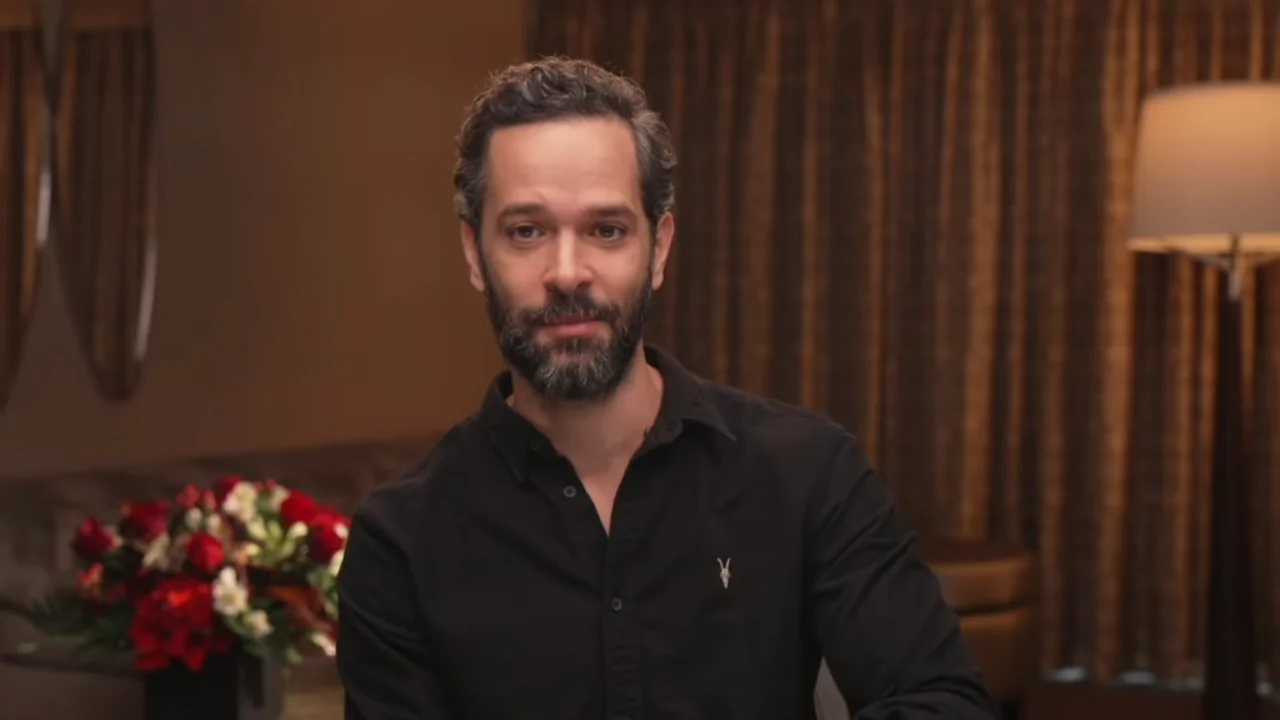
Neil Druckmann in an interview with Jonatan Blomberg for MovieZine. Photo Credit: Jonatan Blomberg, CC BY-SA 4.0 <https://creativecommons.org/licenses/by-sa/4.0>, via Wikimedia Commons
With Intergalactic set to release in the near future, it remains to be seen just how overt its themes will be. But given Naughty Dog’s recent history, it’s safe to assume that faith—particularly Christianity—will once again be placed under the microscope with Intergalactic in a way that serves an agenda rather than meaningful storytelling.
Do you think Intergalactic: The Heretic Prophet will target Christianity? Sound off in the comments and let us know!
