


The reaction to the recent military strike that killed Iran’s Supreme Leader has exposed a stark divide in global cultural circles — one that says a great deal about how political activism in Hollywood often collides with the lived experiences of people who actually endured authoritarian rule. Across social media and international media outlets, Iranian filmmakers, artists, and dissidents reacted to the news with celebration, relief, and cautious optimism that the decades-long rule of the Islamic Republic may finally be weakening.
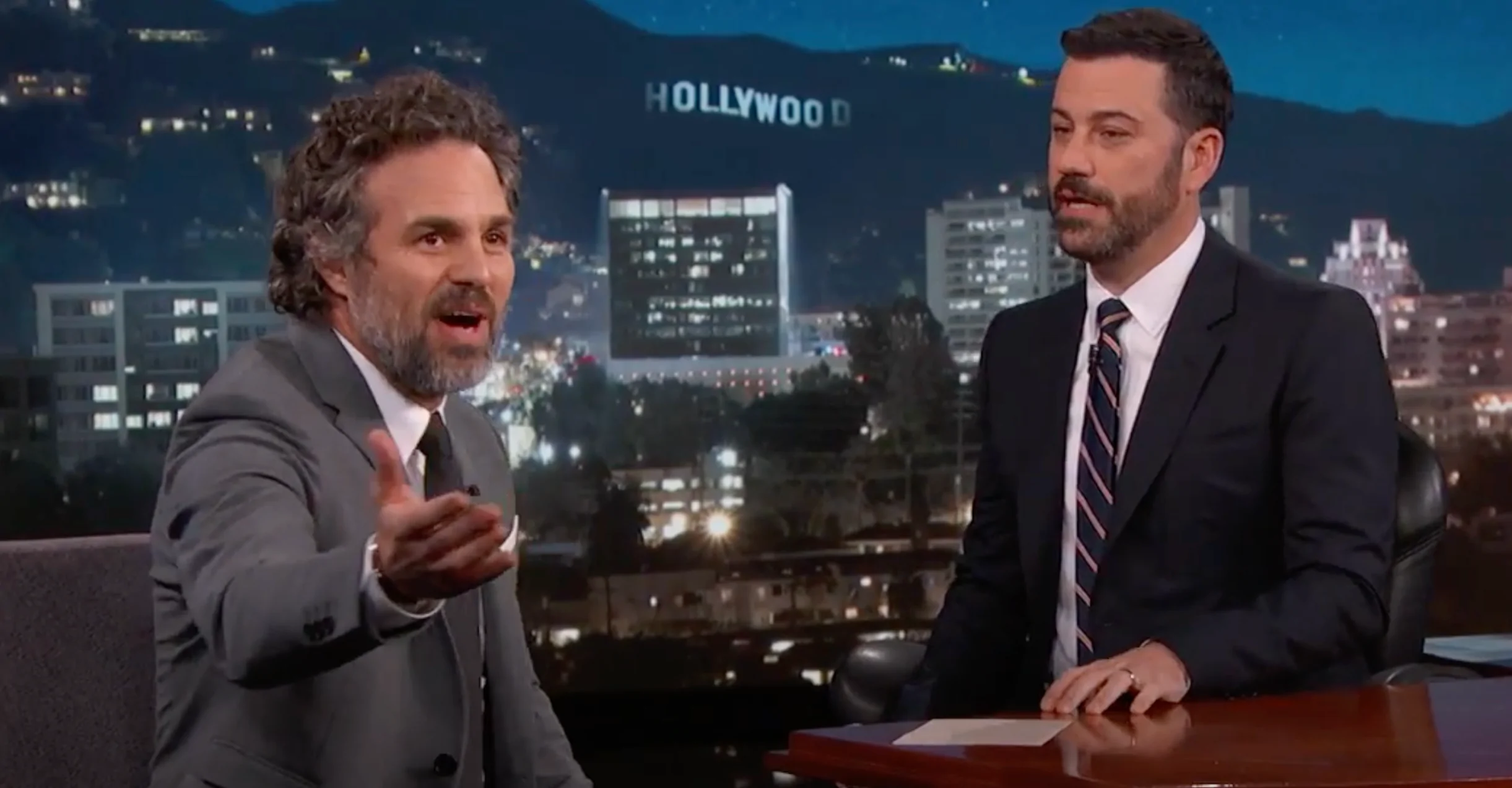
Meanwhile, in the United States, a familiar chorus of Hollywood celebrities and entertainment figures like Mark Ruffalo, Rosie O’Donnell, Cynthia Nixon, and just about every single Late Night host quickly condemned the operation, warning of escalation and criticizing the decision as reckless foreign policy, and using it as another excuse to lash out at President Trump.
The contrast between those reactions reveals something uncomfortable for the American entertainment industry: the people most directly affected by the Iranian regime often see the situation very differently than the activists supposedly speaking on their behalf.
Iranian Filmmakers and Dissidents React With Relief
Within Iran’s diaspora community — particularly among Iranian filmmakers, writers, and artists who fled the country’s censorship and repression — the reaction to the strike was different from what Western audiences might expect.
For many Iranian creatives who built careers outside the country after facing state censorship or persecution, the regime’s leadership has long represented the force responsible for crushing artistic freedom.
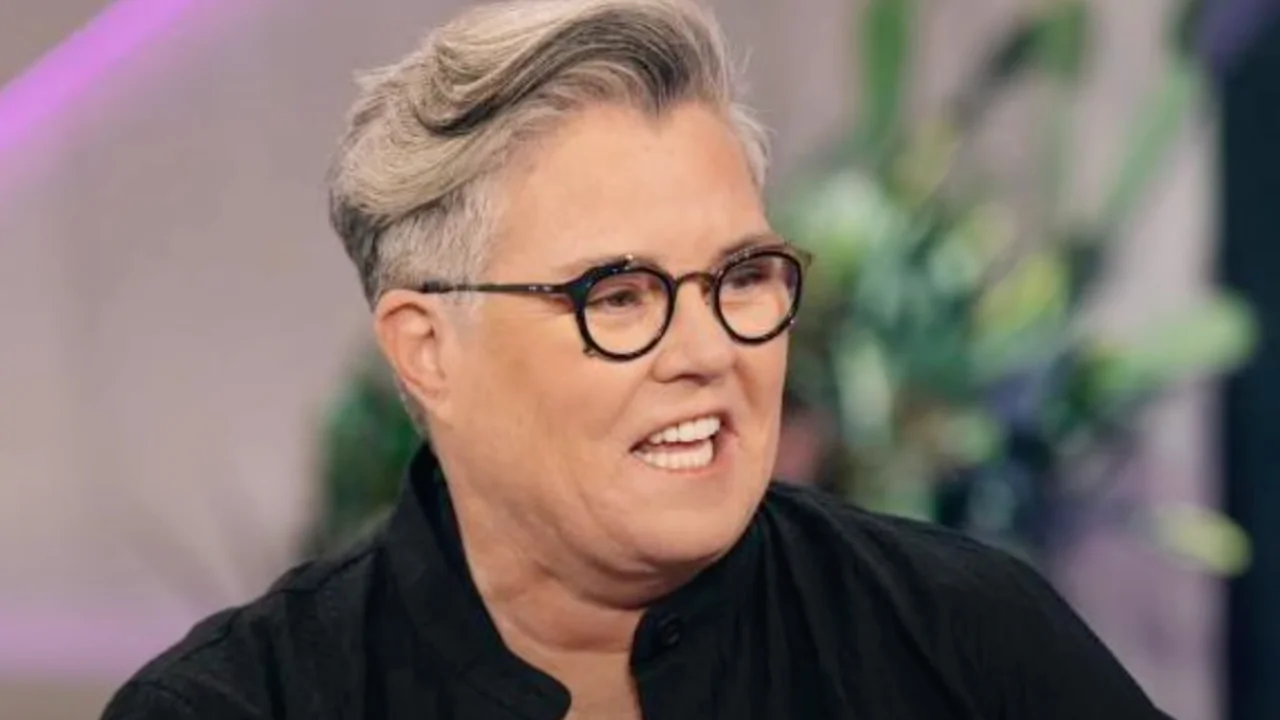
Rosie O’Donnell giving an interview – YouTube, The Lazy Show
READ: Sarandos Says Politics Didn’t Drive Netflix’s Exit From Warner Bros. Deal
Iran’s film industry has been tightly controlled for decades. Filmmakers must operate within strict ideological rules, scripts are routinely censored, and artists who step outside those boundaries often face intimidation, imprisonment, or exile.
It’s no surprise, then, that a number of Iranian filmmakers and cultural figures living abroad reacted to the news not with outrage but with cautious hope.
To them, the weakening of the regime represents something Hollywood often struggles to grasp: a potential opening for freedom that has been denied to their country for generations.
Hollywood’s Familiar Response
At the same time, American entertainment figures quickly moved to criticize the strike.
Actors, musicians, and late-night television personalities used social media and television segments to frame the operation as dangerous escalation. Some argued the decision risked expanding conflict in the region or undermining diplomatic solutions.
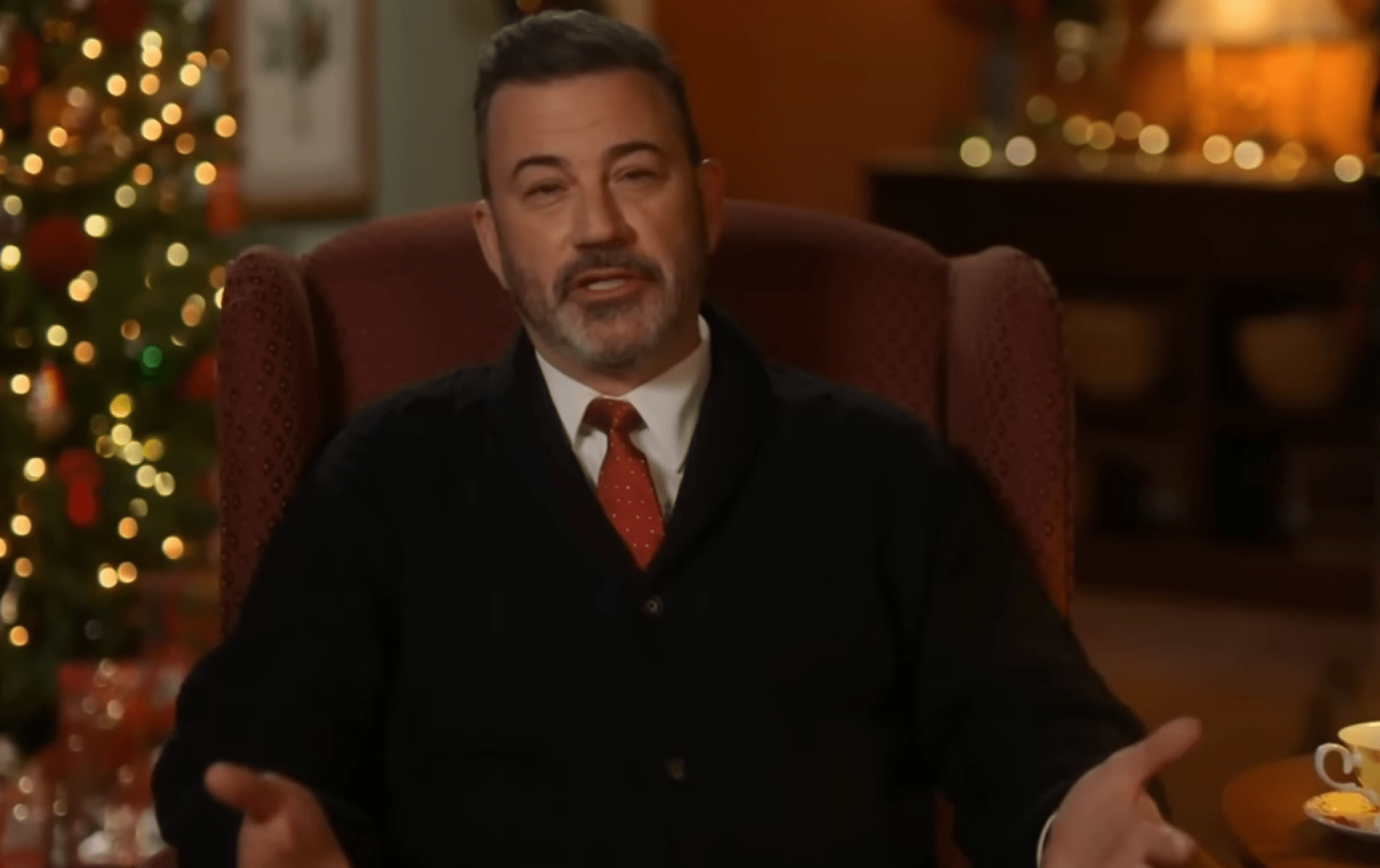
Jimmy Kimmel in his UK Christmas Address – UK Channel 4
This reaction fits a pattern that has become increasingly common in Hollywood activism. For decades, major figures in the entertainment industry have taken strong anti-intervention stances on international conflicts, frequently condemning American military actions abroad (particularly when they’re initiated by the Trump administration).
That reflexive opposition may come from a genuine fear of war and instability. It also may come from partisan “Orange Man Bad” politics. But it also reveals a significant blind spot.
The Same Disconnect Played Out in Venezuela
This dynamic isn’t unique to Iran. In recent years, the same cultural divide appeared during the crisis in Venezuela under longtime dictator Nicolás Maduro.
When Maduro was removed from power in a U.S. military operation earlier this year, reactions across the Venezuelan diaspora looked strikingly similar to what we are seeing now with Iranian dissidents. Venezuelans in cities around the world celebrated in the streets, waving flags, singing, and expressing relief and gratitude to America and Trump that the regime that had driven millions of people into exile might finally be coming to an end.

Jimmy Kimmel and Stephen Colbert laughing together – YouTube, The Late Show With Stephen Colbert
But in Hollywood, the response from celebrity activists and progressive commentators sounded very different.
Hollywood figures and prominent cultural voices quickly condemned the operation, warning that it represented an illegal intervention and calling for Maduro’s release. Some activists even framed the dictator as a victim of American aggression rather than the leader of a government widely accused of political repression, election manipulation, and economic collapse.
For many Venezuelans who had fled the country, the contrast was bewildering.
After years of shortages, hyperinflation, political prisoners, and violent crackdowns on protests, many Venezuelans saw the fall of the regime as a moment of hope. Yet in Western cultural circles — particularly among celebrity activists — the conversation often centered on American foreign policy rather than the suffering of Venezuelans living under the system itself.
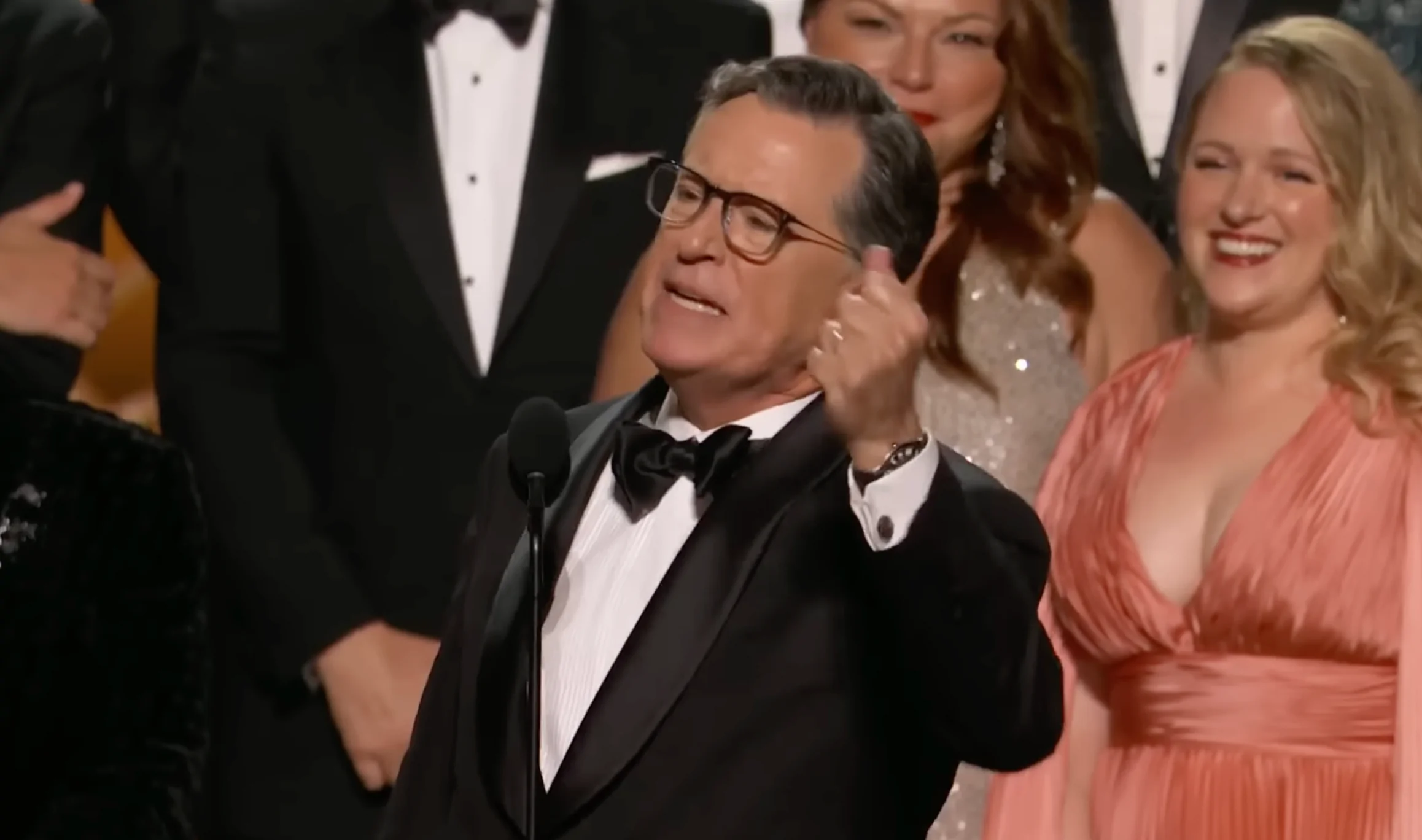
Stephen Colbert speaks at the 2025 Emmys – YouTube, Television Academy
It was another example of a recurring pattern in Western celebrity activism: the loudest voices in the debate are often the people farthest removed from the consequences.
Just as Iranian filmmakers who fled censorship and repression are reacting very differently to the collapse of their regime than Hollywood celebrities, Venezuelans who actually lived through the Maduro era frequently found themselves wondering why so many Western activists seemed more concerned with defending the regime than listening to the people who escaped it.
The Disconnect Between Celebrity Activism and Lived Reality
For many Iranian artists and dissidents, the debate looks very different from the perspective of Los Angeles.
The Iranian regime has been accused for decades of political repression, censorship, executions of dissidents, and violent crackdowns on protest movements. Cultural expression has been tightly controlled, and many artists who refused to comply with government rules have been forced into exile.
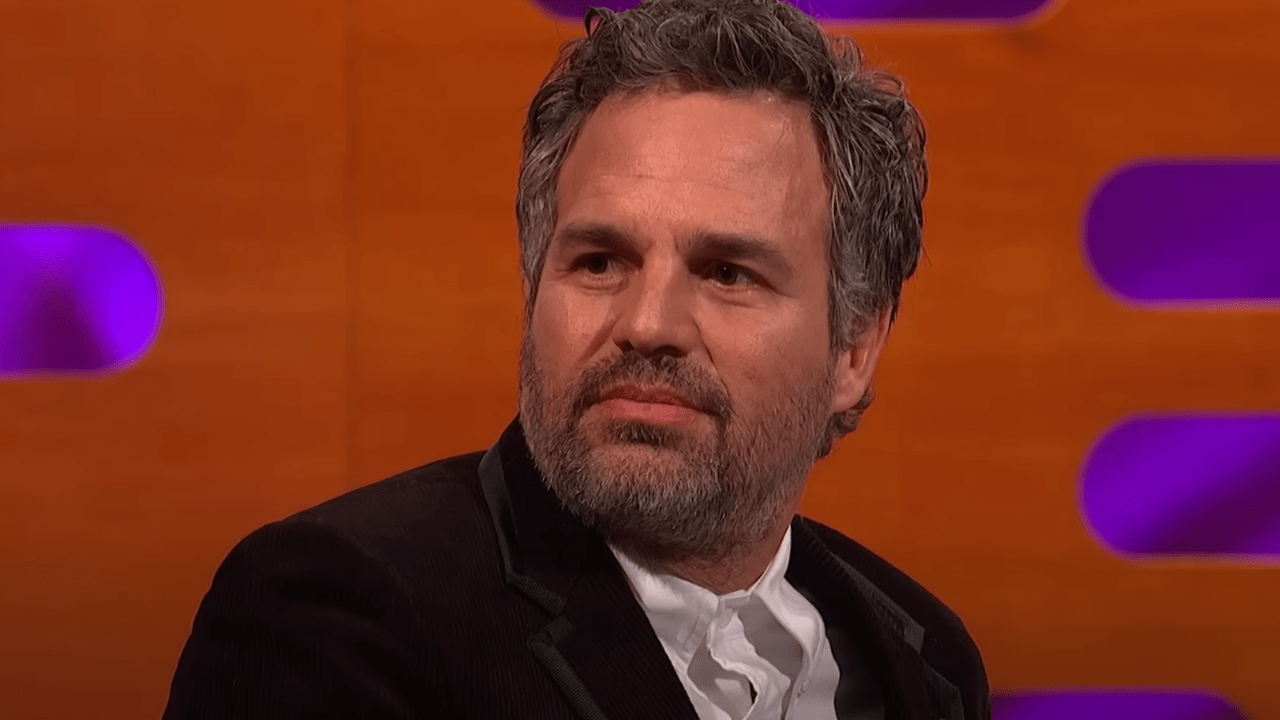
Marvel actor Mark Ruffalo – YouTube, The Graham Norton Show
The Iranian diaspora includes filmmakers, writers, and musicians who left their homeland precisely because the regime made it impossible for them to work freely.
That context fundamentally shapes how they view events that weaken the regime’s leadership.
While Western celebrities often frame these events through the lens of geopolitics or anti-Trump activism, many Iranian creatives see them through the lens of personal experience with a system that silenced them.
A Conversation Hollywood Rarely Has
The divide between Iranian filmmakers celebrating the regime’s weakening and American celebrities condemning the operation exposes a larger cultural gap.
Hollywood activism frequently positions itself as speaking for oppressed people around the world. But moments like this reveal how often those voices can be out of sync with the communities they claim to support.
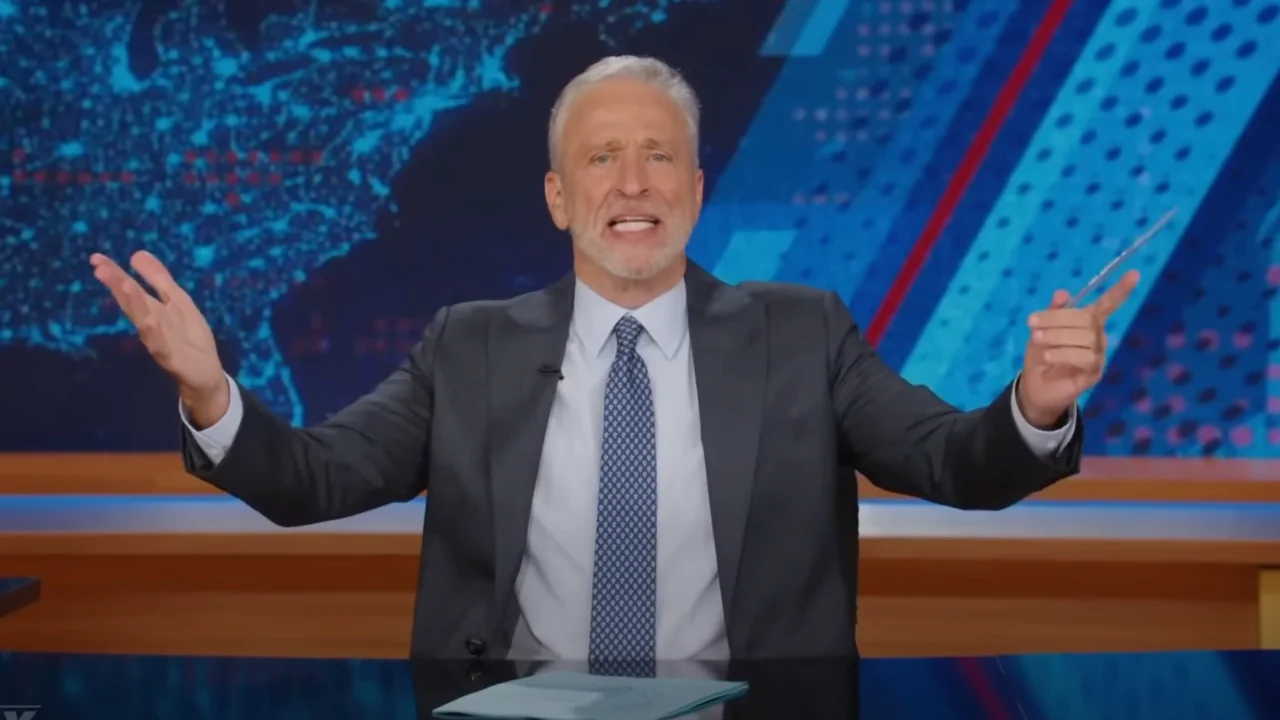
Jon Stewart on The Daily Show With Jon Stewart – YouTube, The Daily Show
For Iranian artists who spent years navigating censorship, surveillance, and exile, the possibility that the regime’s grip on power could weaken represents something far more personal than an abstract geopolitical debate.
It represents the hope that one day their country might allow the very freedoms they had to leave home to pursue.
And that’s a perspective many Hollywood activists rarely seem to consider.
Are you surprised at the disconnect between Iranaian filmmakers and Hollywood activist celebrities? Sound off in the comments and let us know!
UP NEXT: Leslye Headland Reveals Her Vision for Yoda Had ‘The Acolyte’ Been Renewed
