



In a recent interview, Marvel Studios president Kevin Feige pushed back against critics accusing the Marvel Cinematic Universe (MCU) of embracing a “woke” agenda, particularly in its emphasis on diversity and female-led narratives following Avengers: Endgame. Feige’s comments come at a time when the franchise has faced declining box office returns, with several high-profile projects underperforming despite heavy promotion of inclusive storytelling.

HOLLYWOOD, CALIFORNIA – JULY 25: Kevin Feige speaks during the ceremony honoring him with a Star on the Hollywood Walk of Fame in Hollywood, California on July 25, 2024 . (Photo by Charley Gallay/Getty Images for Disney)
“I said this before ‘woke’ and ‘DEI’ became a thing and I’m still saying it after: Marvel is the world outside your window,” Feige said. “It’s not Gotham City and Metropolis. This is New York and L.A.. And yes, there’s also Wakanda and Asgard, but it is all made up of the people who make up our world.”
This remark echoes sentiments Feige has expressed before, framing Marvel’s content as a reflection of real-world diversity rather than ideological pandering. He also expressed pride in characters like Ms. Marvel (Kamala Khan), played by Iman Vellani, calling her “one of the greatest bits of casting we’ve ever done” and indicating she won’t be sidelined despite the poor performance of both her streaming series and the feature film The Marvels.

Iman Vellani as Ms. Marvel/Kamala Khan in Marvel Studios’ THE MARVELS. Photo courtesy of Marvel Studios. © 2023 MARVEL.
So, according to Feige, Marvel isn’t “woke,” but it’s doubling down on these failed characters.
The interview, published by The Wrap, highlights Feige’s commitment to post-Endgame characters and a scaled-back production slate to avoid overwhelming audiences. However, skeptics argue this defense ignores the financial realities facing the MCU, where films emphasizing progressive themes have struggled to resonate with broader audiences.
Post-Endgame Shift to Female-Led Stories and Diversity Focus
Since Avengers: Endgame, which grossed over $2.79 billion worldwide and marked the peak of the MCU’s cultural dominance, Marvel has pivoted heavily toward more diverse ensembles, co-leads, and solo outings for female heroes. Out of 13 post-Endgame theatrical releases up to mid-2025, seven can be classified as female-led or co-led, reflecting a deliberate push that critics say has prioritized identity over compelling narratives, contributing to a string of disappointments.

Black Widow/Natasha Romanoff (Scarlett Johansson) in Marvel Studios’ BLACK WIDOW, in theaters and on Disney+ with Premier Access. Photo by Jay Maidment. ©Marvel Studios 2021. All Rights Reserved.
Films like Black Widow, led by Scarlett Johansson, earned $379.8 million worldwide but was hampered by a simultaneous Disney+ release during the 2020 lockdowns, falling short of expectations for a character with years of fan investment. Eternals, directed by Chloé Zhao and featuring a diverse cast including PRIDE representation, had Sersi (Gemma Chan) as the central protagonist in an ensemble. It grossed $402 million but was criticized for its overstuffed plot and pacing issues, earning mixed reviews and a 47% audience score on Rotten Tomatoes.
Black Panther: Wakanda Forever shifted focus to female characters like Shuri (Letitia Wright), who becomes the new Black Panther, alongside Nakia, Okoye, and Ironheart. It grossed $859 million—a solid but diminished return compared to the original’s $1.35 billion.
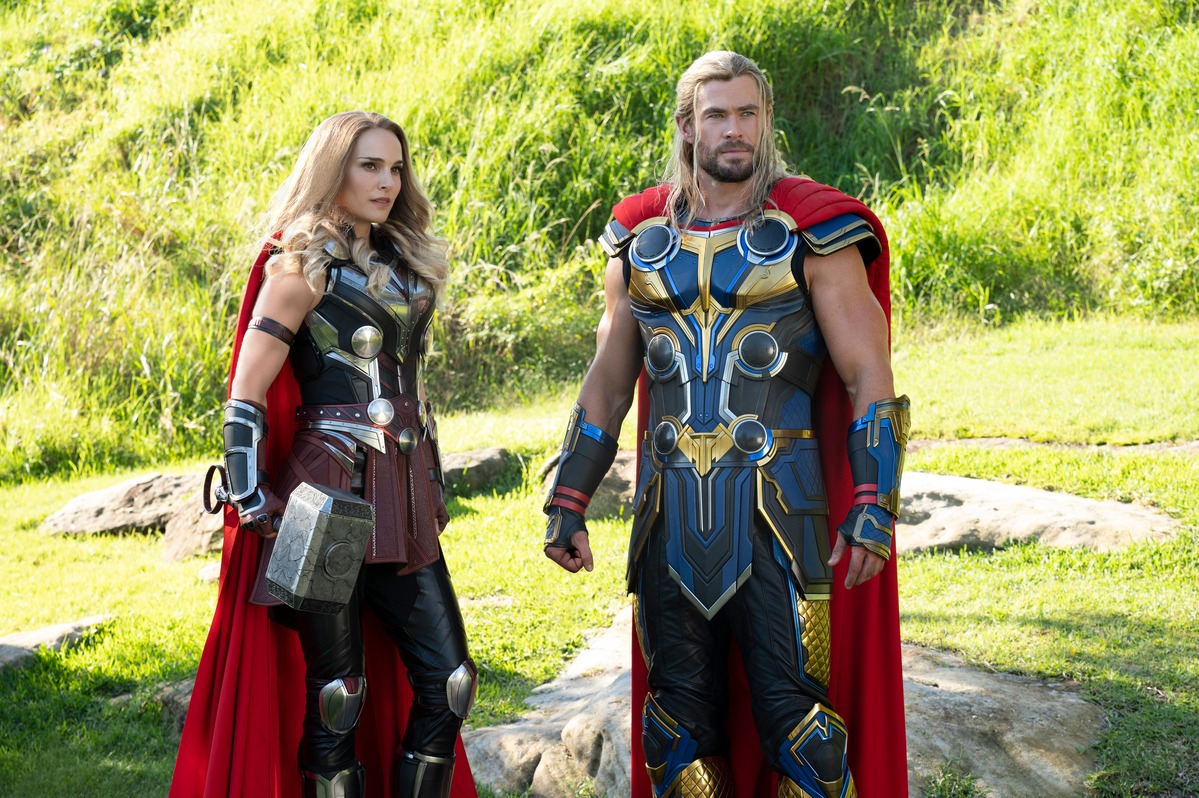
(L-R): Natalie Portman as Mighty Thor and Chris Hemsworth as Thor in Marvel Studios’ THOR: LOVE AND THUNDER. Photo by Jasin Boland. ©Marvel Studios 2022. All Rights Reserved.
Thor: Love and Thunder featured Natalie Portman as Jane Foster/Mighty Thor in a co-lead role with Chris Hemsworth’s Thor, but earned $760 million, underperforming for the series and drawing fire for tonal shifts and perceived virtue signaling.
Ant-Man and the Wasp: Quantumania continued the duo dynamic with Evangeline Lilly’s Hope van Dyne/The Wasp sharing top billing and narrative focus with Scott Lang, yet it flopped at $476 million, blamed by many on multiverse fatigue and forced diversity elements.

NEW YORK, NEW YORK – NOVEMBER 10: Brie Larson attends THE MARVELS Movie Theater Pop-In on November 10, 2023 in New York City. (Photo by Jason Mendez/Getty Images for Disney)
The trend culminated with The Marvels, a team-up featuring Brie Larson, Iman Vellani, and Teyonah Parris—all women, two of which had diverse backgrounds. Despite a $200 million budget, it became the MCU’s lowest-grossing film, earning just $206 million worldwide and overtaking The Incredible Hulk as the franchise’s biggest flop.
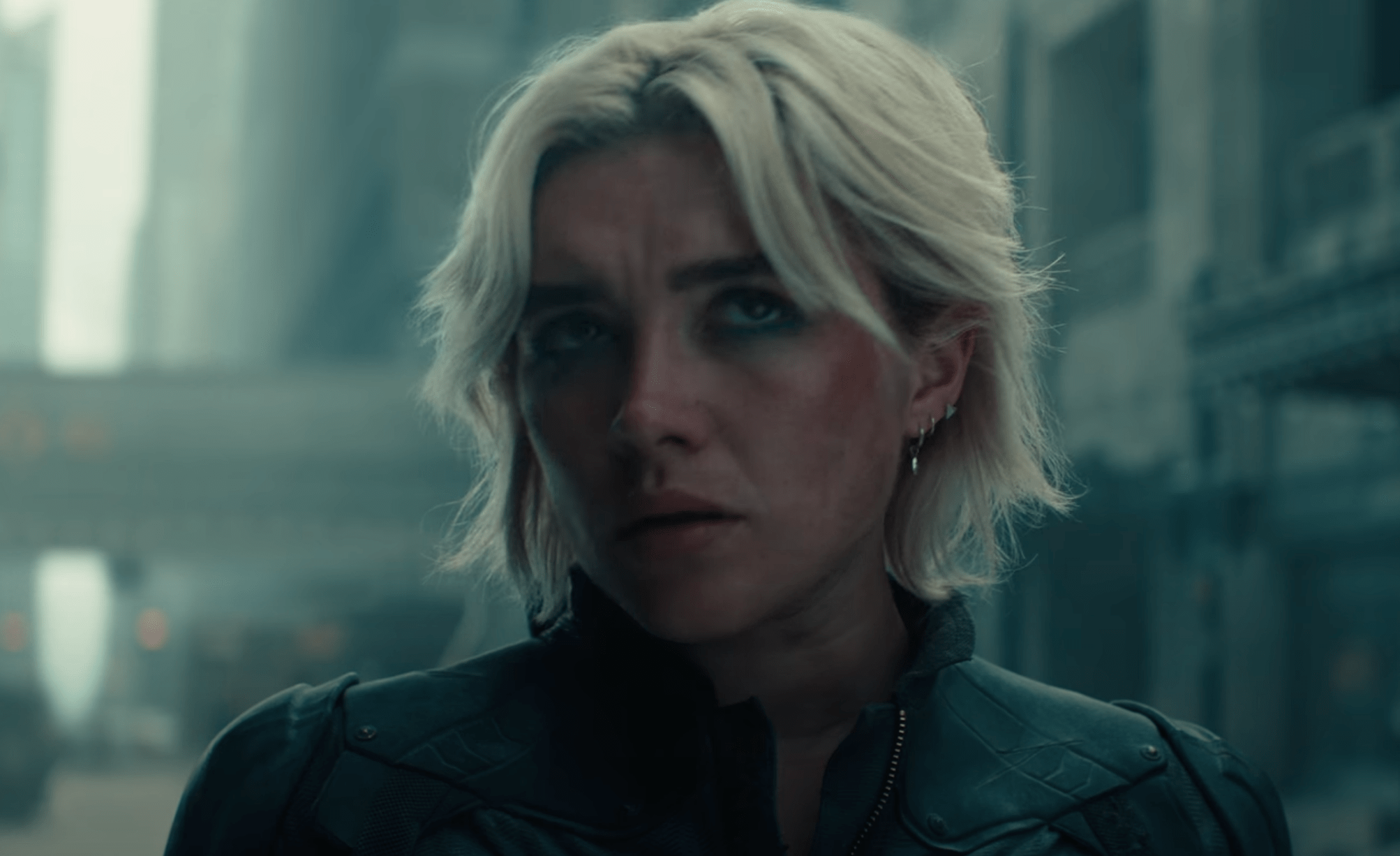
Yelena in Marvels Thunderbolts* – YouTube, Marvel Entertainment
Further exemplifying the post-Endgame pivot, Thunderbolts featured a team of anti-heroes with strong female co-leads, including Florence Pugh as Yelena Belova, Hannah John-Kamen as Ghost, and Julia Louis-Dreyfus as Valentina Allegra de Fontaine. Despite a $180 million production budget and initial hype as a “Dark Avengers” equivalent, it underperformed at the box office, grossing just $382 million worldwide and failing to break even after marketing costs.
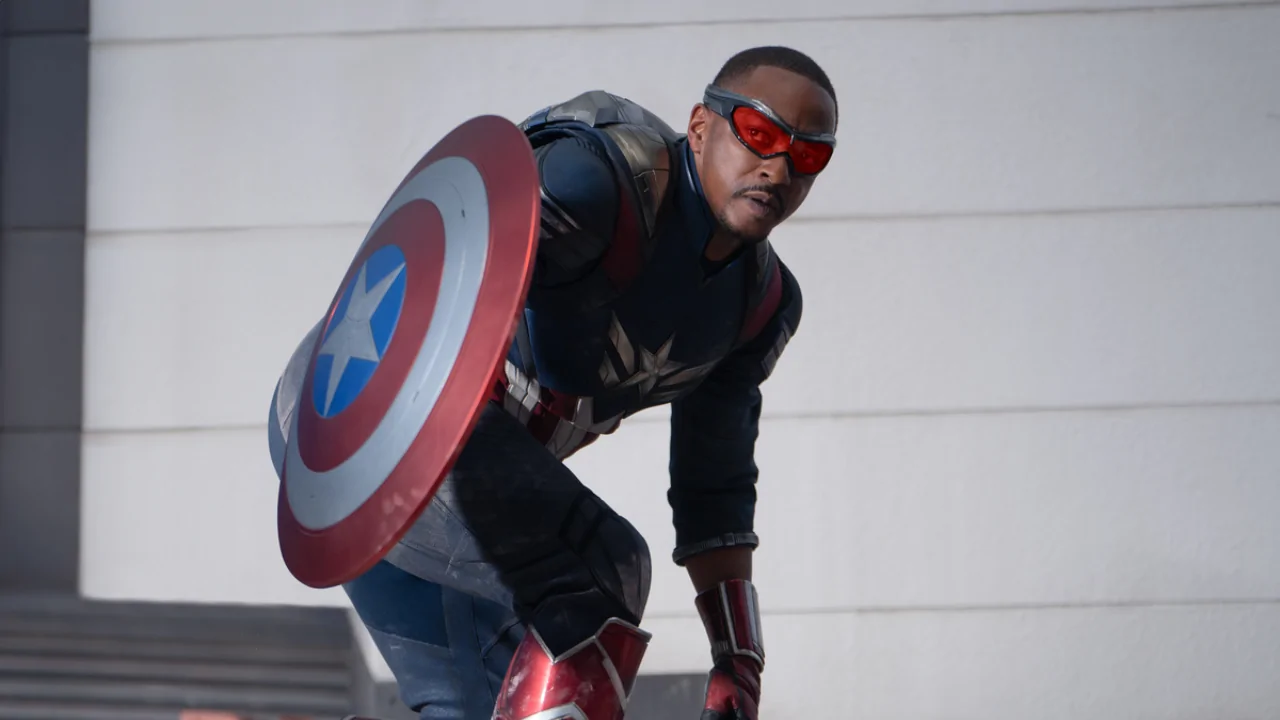
Anthony Mackie as Sam Wilson/Captain America in Marvel Studios’ CAPTAIN AMERICA: BRAVE NEW WORLD. Photo by Eli Adé. © 2024 MARVEL.
Captain America: Brave New World was a male led release that features a mantle race swap that rubbed many the wrong way.
Despite an $88 million opening weekend (better than some recent flops but paling in comparison to earlier Captain America films like Civil War) it ultimately grossed just $401 million worldwide against a hefty $350 million budget, cementing its status as another commercial underperformer.
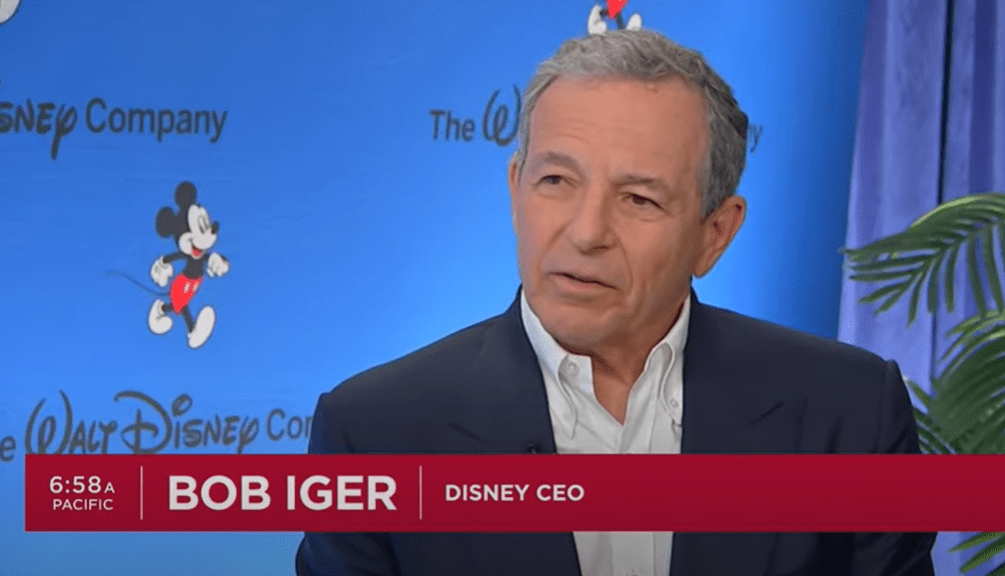
Bob Iger via CNBC Television YouTube
Disney CEO Bob Iger has acknowledged that an overemphasis on quantity over quality may have diluted the brand. Rumors persist that Marvel has quietly fired producers associated with “woke” Phase 4 failures, signaling a potential course correction under Feige’s leadership.
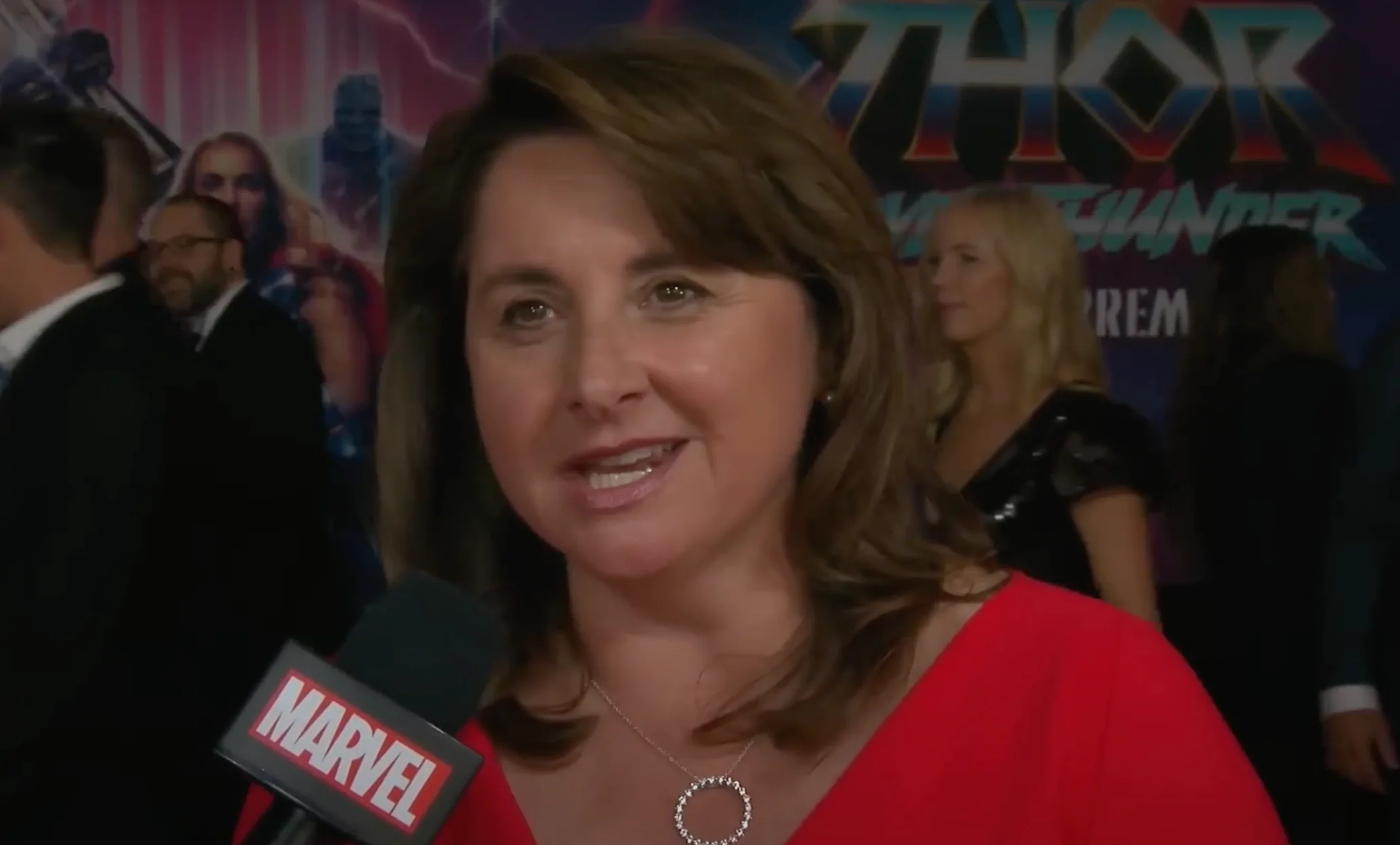
Former Marvel executive Victoria Alonso – YouTube, Marvel Entertainment
One of the most high profile firings was Victoria Alonso, a longtime Marvel producer often seen as Feige’s second in command who publicly questioned why the X-Men should be called the X-MEN…
The Role of Streaming Shows in Eroding Brand Trust
Compounding the theatrical woes, Marvel’s Disney+ series have amplified the female-led pivot, with at least 12 post-Endgame shows out of 16 emphasizing women protagonists or co-leads, often through experimental storytelling that alienated traditional fans. These streaming efforts, while not tied to the box office, have been accused of contributing to overall MCU fatigue by prioritizing progressive themes over cohesive plots, eroding audience trust and spilling over into declining theater attendance.
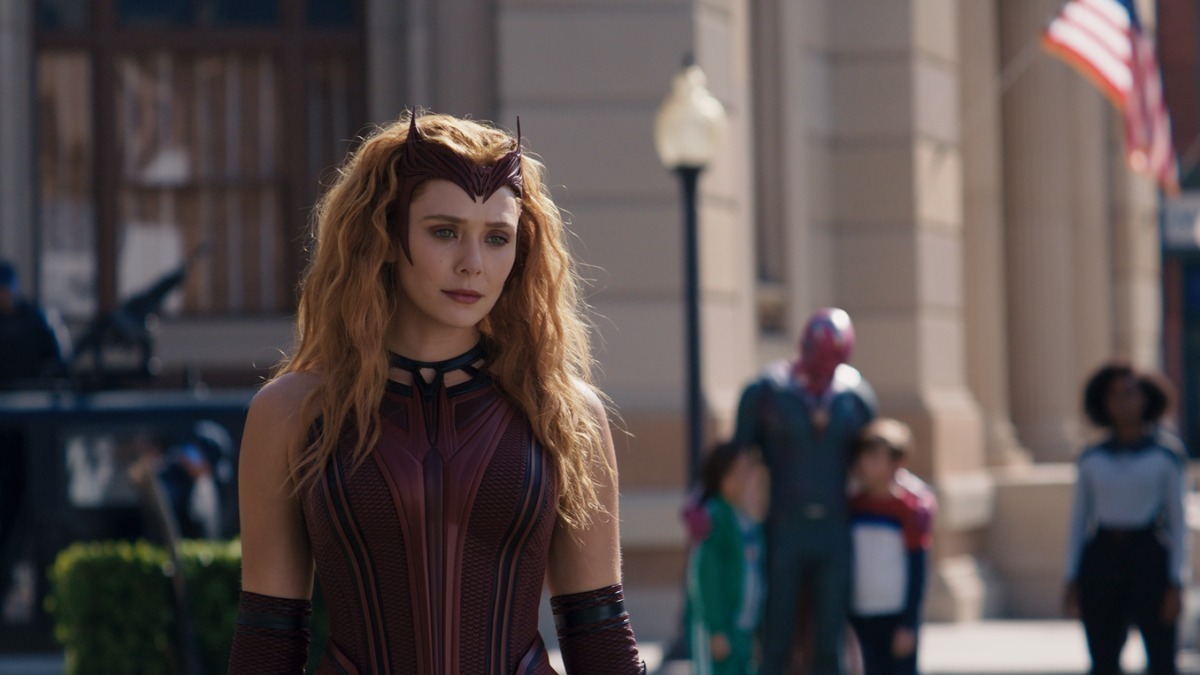
(L-R): Scarlet Witch/Wanda Maximoff (Elizabeth Olsen), Tommy (Jett Klyne), Vision (Paul Bettany), Billy (Julian Hilliard) and Monica Rambeau (Teyonah Parris) in Marvel Studios’ WANDAVISION exclusively on Disney+. Photo courtesy of Marvel Studios. ©Marvel Studios 2021. All Rights Reserved.
Key examples include WandaVision, centered on Elizabeth Olsen’s Wanda Maximoff/Scarlet Witch and her grief-fueled reality-bending, which was praised initially but set a tone for fragmented narratives.
Hawkeye was co-led by Hailee Steinfeld’s Kate Bishop, who takes prominence as Clint Barton’s mentee. The animated What If…? increasingly featured female-driven episodes, such as those with Captain Carter, culminating in a third season dominated by women-centric stories.

Tatiana Maslany as Jennifer “Jen” Walters/She-Hulk in Marvel Studios’ She-Hulk: Attorney at Law, exclusively on Disney+. Photo courtesy of Marvel Studios. © 2022 MARVEL.
Ms. Marvel focused on Iman Vellani’s Kamala Khan, highlighting cultural representation but drawing low viewership. She-Hulk: Attorney at Law, led by Tatiana Maslany’s Jennifer Walters, was polarizing for its meta-humor and feminist undertones.
Shows like Loki and Secret Invasion employed “bait-and-switch” tactics, starting with male leads but shifting focus to female variants like Sylvie or empowering G’iah, further fueling perceptions of agenda-driven content.
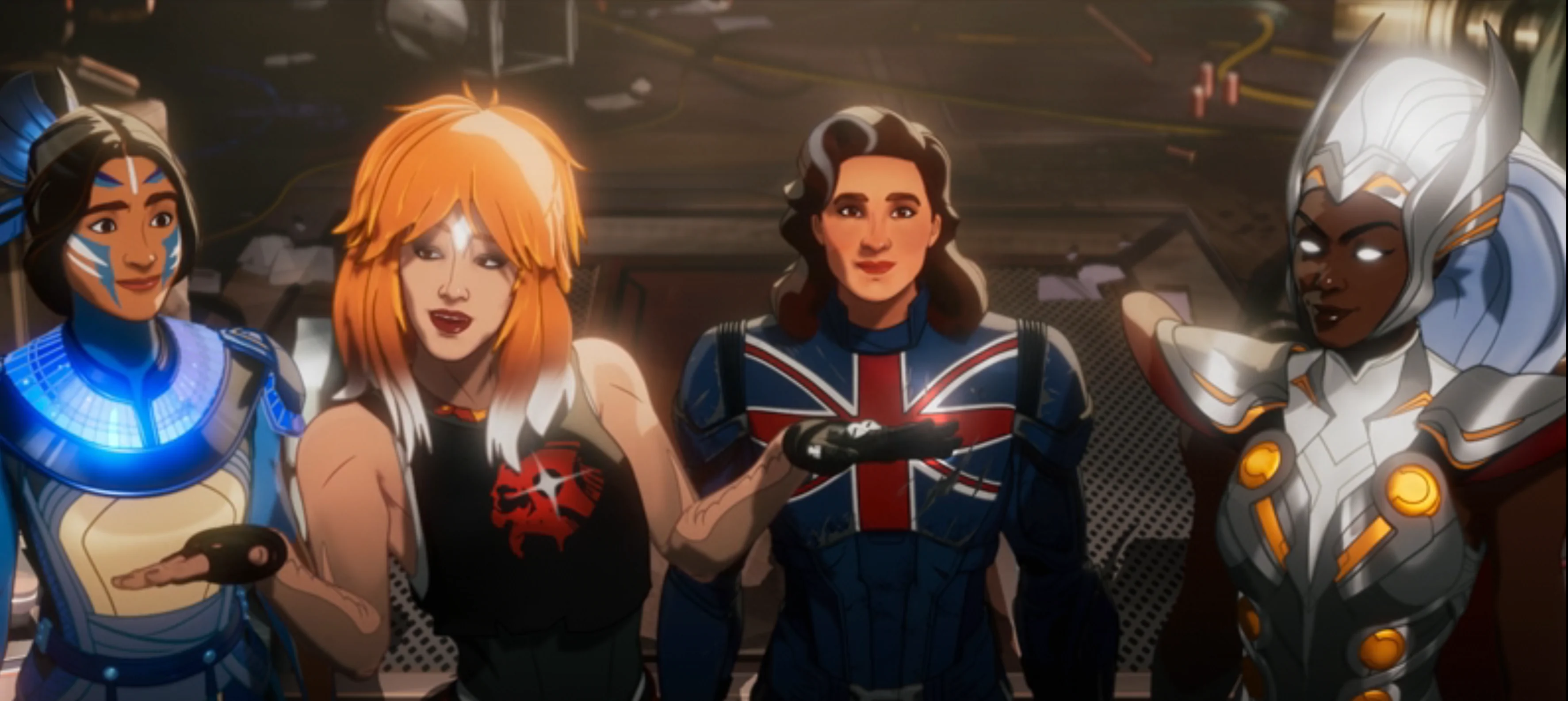
Captain Carter and her team of multiversal super women in Marvel What If…? Season 3 – Disney Plus
More recent entries include Echo, led by Alaqua Cox’s Maya Lopez exploring Native American roots; Agatha All Along, centering on Kathryn Hahn’s Agatha Harkness and her witch coven; and Ironheart, featuring Dominique Thorne’s Riri Williams as a young tech-savvy replacement for Tony Stark.
The niche appeal and inconsistent quality of these shows have been linked to broader brand dilution, as audiences report burnout from constant messaging, directly impacting enthusiasm for big-screen releases.
The Bigger Picture: Market Rejection or Mismanagement?
Feige may deny that Marvel is “woke,” but that rings hollow to many, especially as competitors like DC scale back similar initiatives.
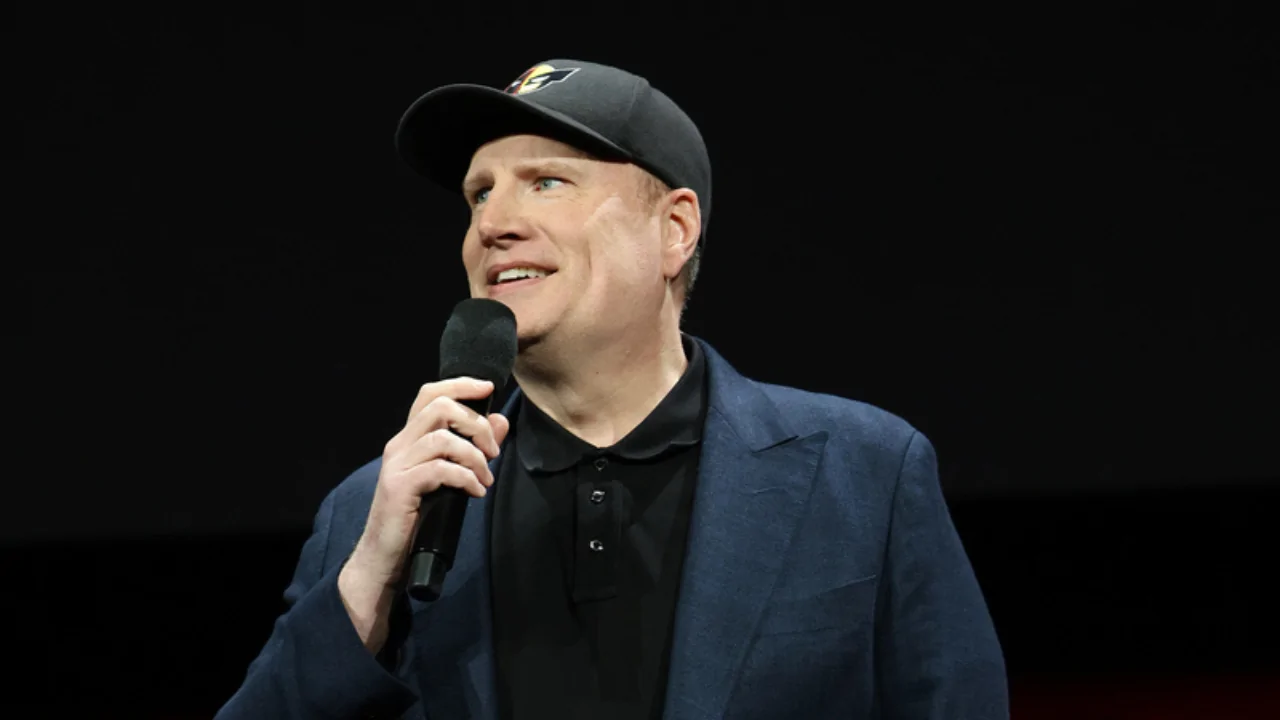
LAS VEGAS, NEVADA – APRIL 11: Kevin Feige, President, Marvel Studios speaks onstage during the Walt Disney Studios presentation at Cinemacon in Las Vegas, Nevada on April 11, 2024. (Photo by Jesse Grant/Getty Images for Disney)
While Deadpool & Wolverine injected humor by mocking Disney’s “woke” tendencies, it succeeded by prioritizing entertainment over messaging, grossing over $1 billion. But now, Feige’s hat-tip to urban coastal elites—”New York and L.A.”—may also alienate heartland audiences who propelled earlier MCU successes.
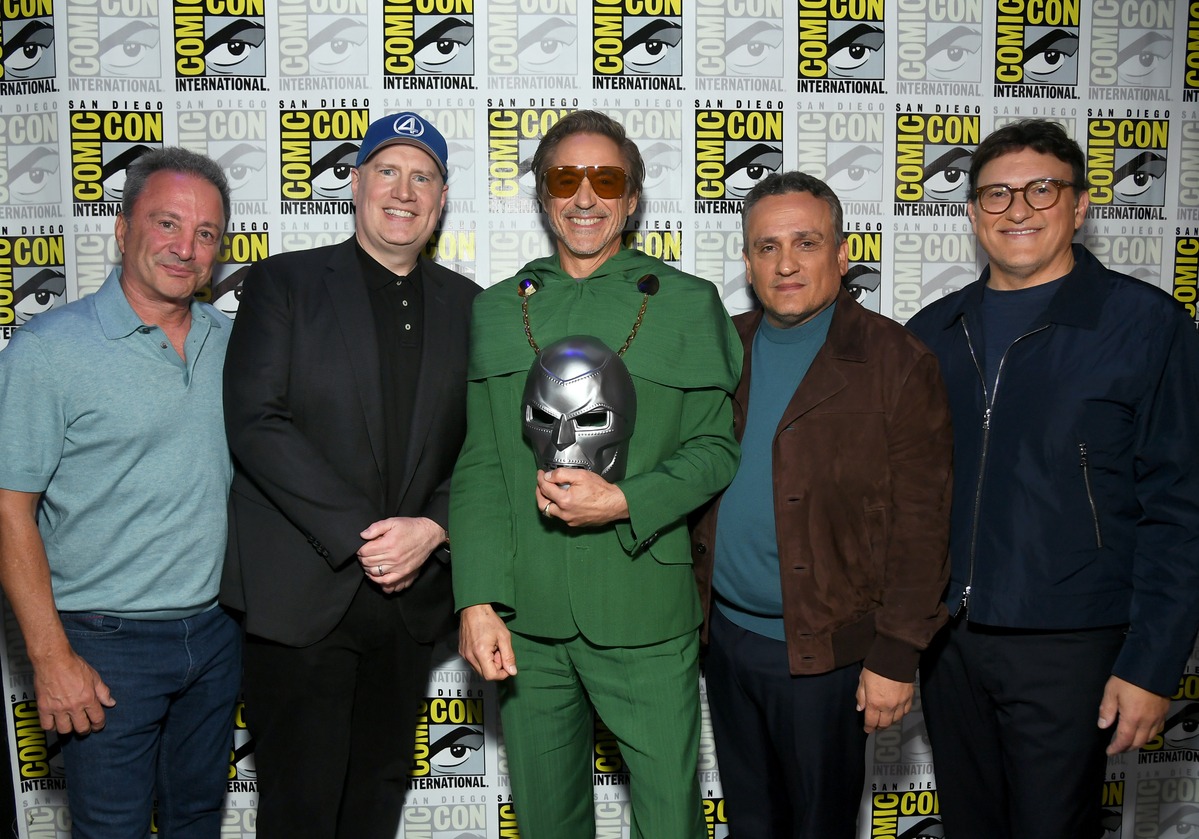
SAN DIEGO, CALIFORNIA – JULY 27: (L-R) Louis D’Esposito, Co-President, Marvel Studios, Kevin Feige, President, Marvel Studios, Robert Downey Jr., Joe Russo and Anthony Russo attend the Marvel Studios Panel in Hall H at SDCC in San Diego, California on July 27, 2024. (Photo by Alberto E. Rodriguez/Getty Images for Disney)
As Marvel prepares for Avengers: Doomsday, the question remains: Will Feige double down on his “world outside your window” philosophy, or heed the box office warnings? If history is any guide, ignoring market signals could spell further trouble for the once-unstoppable franchise.
Do you agree with Kevin Feige that Marvel isn’t “woke?” Sound off in the comments and let us know!
