


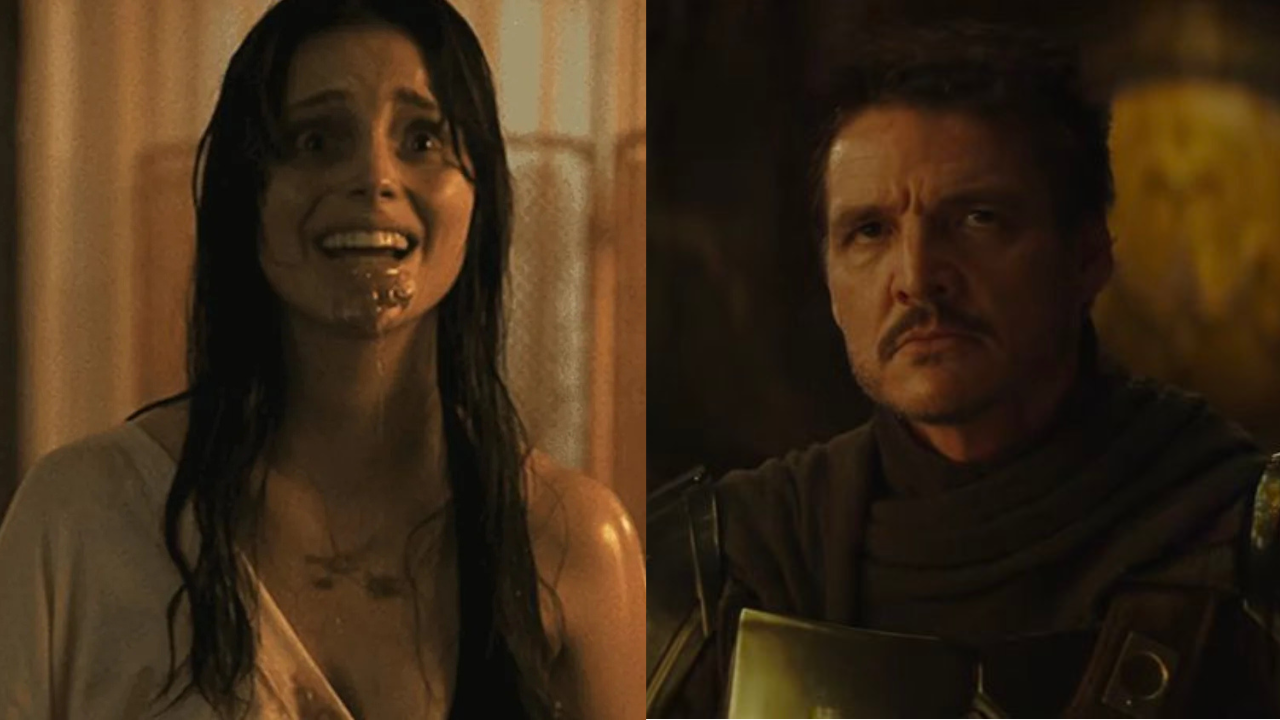
Disney’s return to theaters with Star Wars was supposed to be a victory lap, but the studio now finds itself looking up at microbudget horror film Obsession on the worldwide box office charts.
According to Box Office Mojo, Obsession has now grossed $333.27 million worldwide, surpassing The Mandalorian & Grogu, which currently stands at $321.76 million globally.
The numbers mark a remarkable milestone for the independent horror phenomenon and an embarrassing one for Disney and Lucasfilm.
What makes the comparison so striking is the massive disparity in resources behind the two films.
Obsession was reportedly produced for approximately $750,000, while The Mandalorian & Grogu carried a reported production budget of roughly $166 million before marketing costs are even considered. That means a film made for less than one percent of Disney’s production budget has now generated more revenue worldwide than the first theatrical Star Wars release in seven years.
A Nightmare Scenario for Lucasfilm
This goes beyond a story about a successful horror movie into a referendum on the current state of the Disney Star Wars brand.
When Disney announced The Mandalorian & Grogu, the project was widely viewed as the safest possible path back to theaters. Din Djarin and Grogu were the breakout stars of the Disney+ era and represented one of the few corners of modern Star Wars that had managed to unite large portions of the fanbase.

Grogu eating a cookie – Star Wars, YouTube
If any recent Lucasfilm property could bring audiences back to theaters, this was supposed to be it.
Instead, the film’s theatrical run has become increasingly difficult to defend. While Disney was undoubtedly hoping to establish a foundation for future Star Wars theatrical releases, the movie has now been surpassed by an R-rated horror film that lacked the advantages of a globally recognized franchise, decades of built-in audience goodwill, merchandise empires, theme park attractions, and one of the largest marketing machines in entertainment.
That should raise serious questions inside Lucasfilm.
Audiences Still Show Up for Movies They Want to See
One argument frequently made by Hollywood executives is that theatrical moviegoing has fundamentally changed.
The success of Obsession over Star Wars suggests something different.
Audiences are still willing to buy tickets and support theatrical releases. They’re still willing to turn a movie into a cultural event.
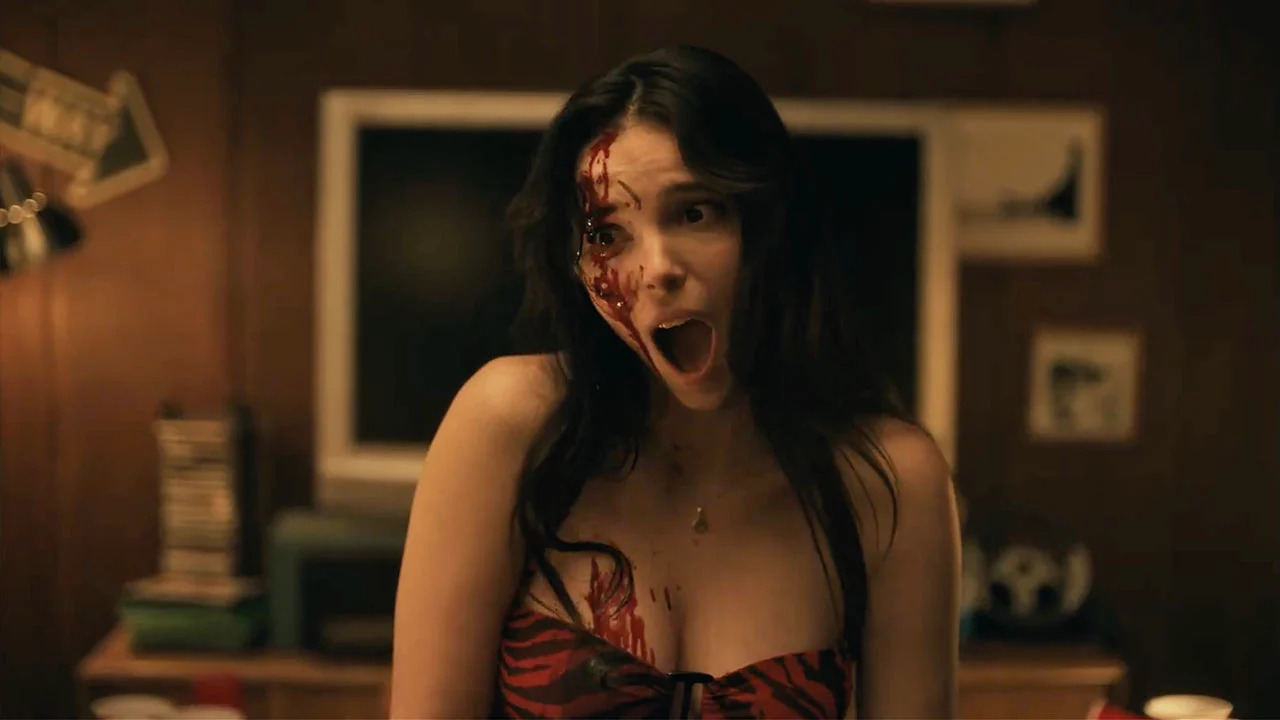
Inde Navarrette as Nikki in the Obsession trailer – YouTube @FocusFeatures
What they appear increasingly unwilling to do is automatically support legacy brands simply because those brands once dominated popular culture.
Word of mouth helped transform Obsession from a small horror release into a genuine box office phenomenon. Meanwhile, Disney’s reliance on franchise recognition proved insufficient to elevate The Mandalorian & Grogu to the level many expected from a theatrical Star Wars event.
The contrast between the two films demonstrates that audience enthusiasm cannot simply be manufactured through branding.
Disney’s Biggest Problem Isn’t Obsession
The immediate reaction from some industry observers will be to focus on how impressive Obsession’s run has become.
And it is impressive.
However, Disney’s larger concern should be what this result says about the health of Star Wars.
Inde Navarrette as Nikki in the Obsession trailer – YouTube @FocusFeatures
The franchise once represented the gold standard of theatrical event filmmaking. New entries routinely dominated the box office and generated enormous cultural conversation. Even divisive releases generally operated on a scale that few competitors could match.
Today, the first theatrical Star Wars film in seven years has been overtaken by a horror movie made for less than many blockbuster productions spend on catering.
That doesn’t mean Star Wars is fully finished, but it does suggest the brand no longer enjoys the automatic audience loyalty it once possessed.
A Win for New Media and Independent Filmmaking
The success of Obsession over Star Wars also highlights an increasingly important trend in entertainment.
Audiences are demonstrating a willingness to embrace projects that emerge outside traditional studio systems. The film’s success story is difficult to separate from the rise of independent creators, online communities, and alternative pathways to building an audience.
For years, Hollywood’s biggest studios have operated under the assumption that scale alone provides an overwhelming competitive advantage.
Obsession just proved otherwise.
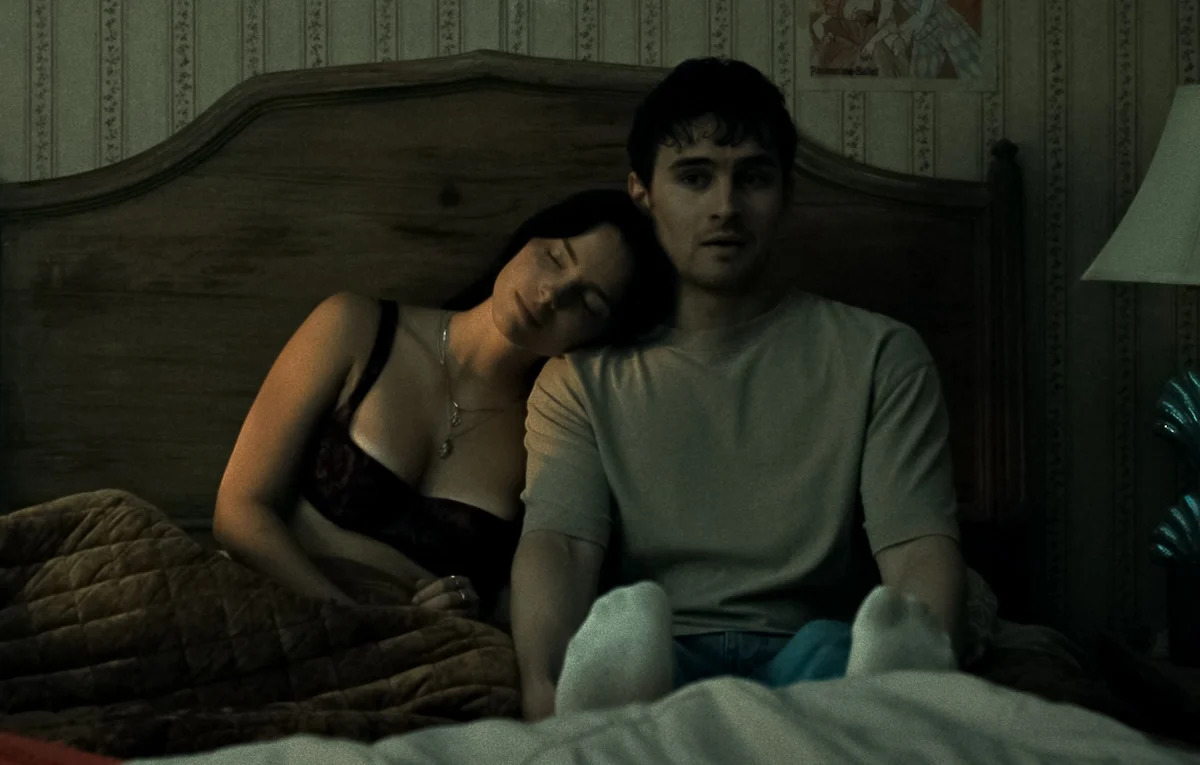
Inde Navarrette as Nikki and Michael Johnston as Baron Bailey in Obsession – Focus Features, Blumhouse Productions
The film has now achieved something many industry analysts would have considered impossible only a few years ago: it outgrossed a theatrical Star Wars movie.
For Disney and Lucasfilm, that result should serve as a warning.
For everyone else, it serves as a reminder that audiences ultimately decide which stories succeed—and increasingly, they’re willing to look beyond the biggest franchises to find them.
How do you feel about Obsession unseating Star Wars at the box office? Sound off and let us know!
UP NEXT: Ron Howard Says Jim Henson Would Have Approved the Use of AI
