



In recent days, Netflix co-CEO Ted Sarandos has been out there spinning the “disciplined winner” narrative harder than a late-night infomercial.
Just after the company walked away from its $83 billion Warner Bros. Discovery bid in late February, it’s been full tilt damage control. The stock had already slumped roughly 30% during the bidding war. A fact that investors were paying attention after the 10 for 1 split capital raise.
Then came Q1 earnings on April 16 that beat revenue expectations but triggered another sell-off on unchanged 2026 guidance.
Analyst Translation: Wall Street wanted fireworks from the near-miss megadeal and got a shrug plus a $2.8 billion termination fee that padded the quarter but yielded little else.

One Piece Season 2 – Netflix
READ: Disney World’s Most Expensive Restaurant Victoria & Albert’s Just Increased Their Prices by 27%
Per Netflix’s own shareholder letter and IR release, the company responded by authorizing an extra $25 billion share repurchase program on top of the prior authorization. This explicitly was put in motion to “drive long-term shareholder value” after the aborted transaction.
The Capital Allocation That Netflix Is Now Forced To Defend
Sarandos spent the spring calling Paramount Skydance’s winning bid “unusual, irrational,” and possibly politically influenced in Bloomberg and other interviews.
It has done nothing.
He’s right on a few points though. Netflix stayed disciplined. No massive new debt load, no integration nightmare, no antitrust issues with the DOJ.
Yet, that all amounts to a subtext that’s clearly defensive. Without the Warner library and HBO to instantly scale content and distribution, Netflix has to prove its pure-play model can keep compounding. Without that immediacy, the expected 12-14% revenue growth and 31.5% operating margins are about to become a Herculean lift.
The $25 billion buyback is a strategy we have seen before at Disney. A measure taken to secure share price after an unforced error. It does signal a sense of ease by betting on its own shares instead of overpaying for someone else’s problems.
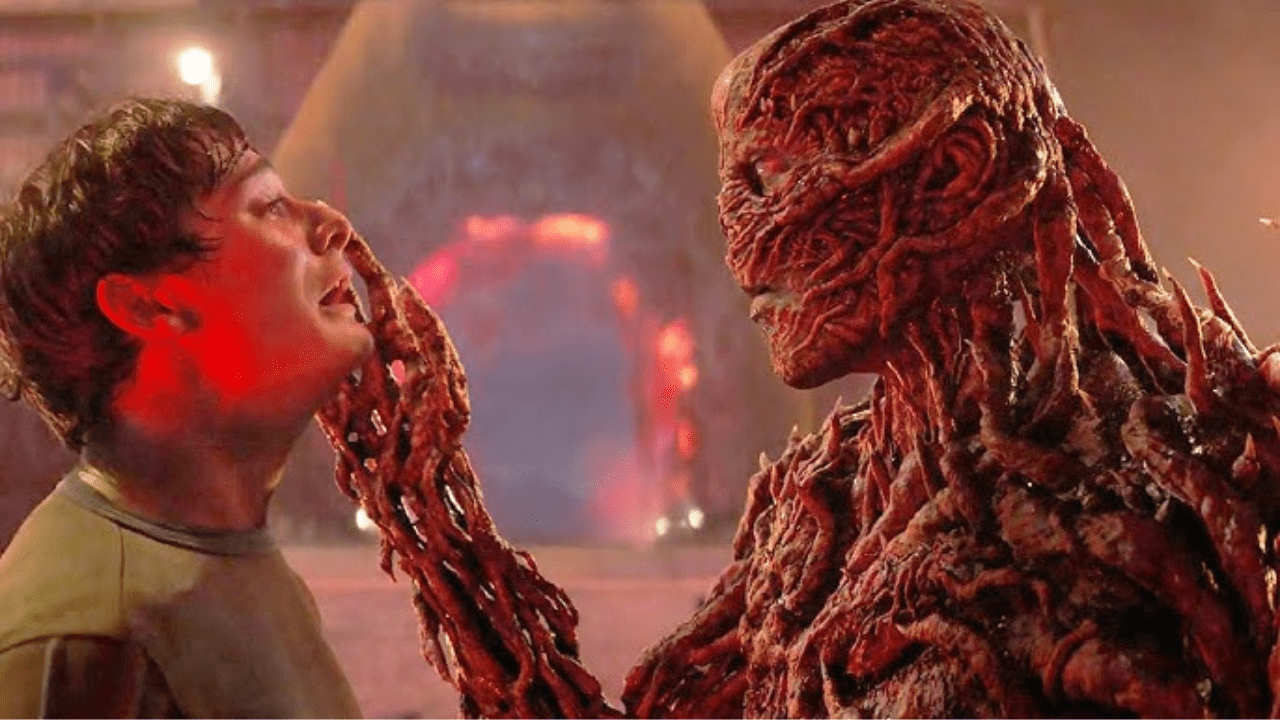
Vecna confronts Will in Stranger Things 5 – Netflix
What I find surprising is that none of Sarandos’s recent comments dwell on how the failed deal would have handed regulators and activists exactly what they wanted. All the ammunition to paint Netflix as a monopolist and then some. Paramount now owns that headache now on top on an aggressive closing date.
Outrage Reactions Hit Peak Volume Throughout
Hollywood letter writers and guild types who screamed about “fewer opportunities” when Netflix was circling Warner are now deathly quiet about Paramount’s post-deal restructuring plans that include billions in cuts and job reductions. It’s not surprising though as the Canal+ boss has started talking “blacklisting” the rabble rousers.
Whining is the real constant in Hollywood.
Marvel actor Mark Ruffalo – YouTube, The Graham Norton Show
Fans and creators actually benefit when Netflix stays lean: continued investment in originals, gaming, and international without the distraction of merging two giant cultures. A chance to prove real investment in theatrical which is till viewed with skeptical eyes.
It keeps them well away from defending a blockbuster acquisition in court for years. It also delivers a termination fee that went straight to the bottom line and funded more buybacks. That’s a lot of positive, shareholder-friendly moves that the “creative class” pretends don’t matter until their next project needs greenlighting.
An Honest Re-Evaluation of Value and Direction
The “Bidding War” exposed the limits of Netflix’s “we’re different” mythology by showing it’s “Culture War” face. It can’t just wave a magic wand and become a legacy studio owner without paying the full freight. That boat has to carry debt, reside with and satisfy regulation, and force broad appeal, not cultural clashes.

Toph in the Netflix Avatar The Last Airbender – Netflix
What remains at present is a cleaner balance sheet and a management team that must pursue organic growth instead of acquisition. This should be the messaging Ted sells investors now. With Reed Hastings’s board exit around the same time as this mess, it only sharpens the focus on Sarandos and Greg Peters to deliver without excuses. Don’t forget a list of promises to keep to regulators, Ted.
What Remains: Buybacks, Ads, and a Harder Sell
Forward-looking, the $25 billion repurchase and ad-tier momentum (expected to double to $3 billion this year) are smart, short-term optics. They don’t seem to address or solve the bigger structural question. In a world of consolidated rivals with libraries and theatrical leverage, can Netflix keep winning on content velocity and global reach alone?
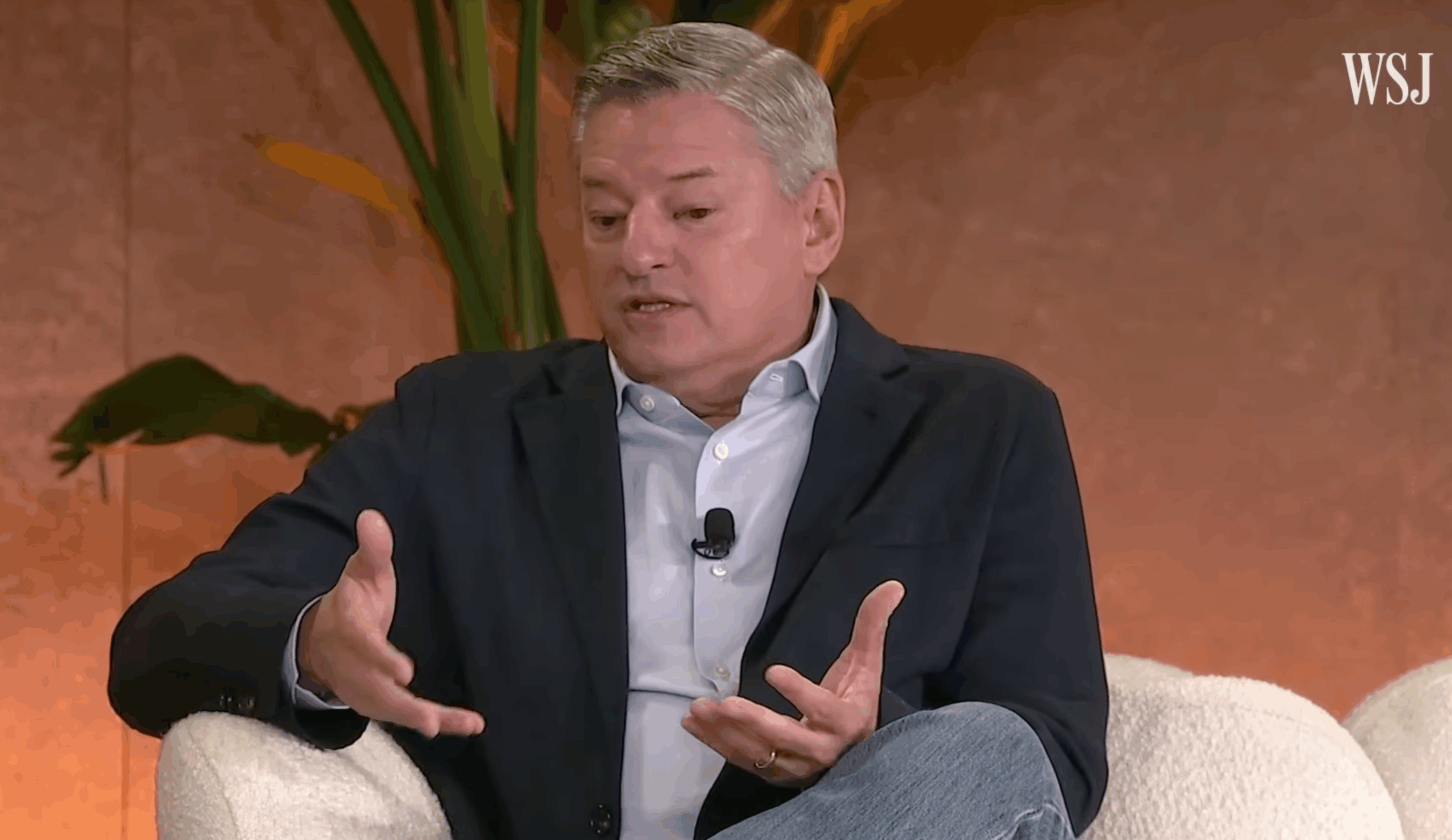
Netflix Co-CEO Ted Sarandos – YouTube, WSJ News
Sarandos is working overtime to convince investors the answer is yes. I’m not sure about you, but after watching him justify the non-deal for months, it sounds a lot more like damage control than the confident swagger of 2024-2025. The market will decide if the buybacks are conviction or “copium.”
What do you think? Should Netflix keep buying back stock or finally swing at the next real asset? Is Lionsgate still out there? Is Sarandos’s “disciplined” line a strength or just the “new cope” after missing the biggest consolidation move in years? Drop your takes in the comments.
