



Nintendo is facing a tariff refund lawsuit in the United States from players who argue that refunds from tariffs imposed on imports should be passed on to consumers. The legal action focuses on tariffs applied to products imported by Nintendo, including game consoles and accessories.
The lawsuit, filed in federal court in California, claims that Nintendo received refunds after certain U.S. tariffs were lifted, but did not distribute the money to customers. Plaintiffs argue that consumers effectively overpaid due to the tariffs and are entitled to reimbursement. The case seeks compensation for all affected U.S. customers who purchased products during the period when the tariffs were in place.
Background on Tariffs Involved in the Nintendo Lawsuit
According to legal filings, the tariffs in question were part of broader trade measures implemented by the U.S. government targeting imports from China, where many electronics are manufactured. While the tariffs were imposed, Switch accessories saw price increases of about to $5-$10. In August 2025, the Switch hardware itself saw price increases between $30 and $50, depending on the model.
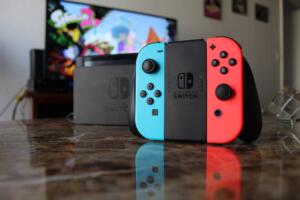
Nintendo Switch Splatoon 2. Photo Credit: joatseu, CC0, via Wikimedia Commons
READ: Shareholders Rubber-Stamp $111B Paramount-Warner Deal Crushing 3,900-Signature “Creative” Revolt
The U.S. Supreme Court ruled that President Trump did not have the authority to impose certain tariffs, which formed the legal basis for companies to seek refunds. Following that ruling, Nintendo and over 1,000 other companies filed claims for refunds of tariffs they argue were collected illegally. Last month, Nintendo won a lawsuit against the U.S. government concerning tariffs applied to certain imported gaming products.
Refund Lawsuit Against Nintendo
Nintendo’s opponents argue that the company benefited from the reduction or elimination of these tariffs without passing the savings to buyers.
The complaint asserts that Nintendo’s pricing structure included the tariff costs, which were subsequently refunded at the company level. Plaintiffs allege this created an unjust enrichment scenario, as Nintendo retained money that should have been returned to consumers. Legal experts note that the Nintendo tariff refund lawsuit could set a precedent regarding how companies handle tariff refunds in the United States.
The lawsuit states, “Unless restrained by this Court, Nintendo stands to recover the same tariff payments twice – once from consumers through higher prices and again from the federal government through tariff refunds, including interest paid by the government on those funds.”
Nintendo’s Response and Legal Considerations
Nintendo has not publicly commented on the lawsuit. Court documents indicate the company may challenge the claims, arguing that tariff adjustments were not directly linked to individual consumer purchases. Analysts suggest that the outcome may hinge on whether the court determines that tariff-related savings constitute a benefit that must be passed on to buyers.

Promotional image for Donkey Kong Country Returns HD – Nintendo
READ: Epic Universe Testing Out Individual Land Entry Barriers
The case is part of a growing trend in U.S. consumer litigation, where companies are questioned about pricing adjustments tied to governmental policy changes. Similar disputes have arisen over airline fees, shipping surcharges, and import-related taxes. Courts have varied in their rulings, often depending on whether consumers were explicitly charged for policy-driven costs.
Potential Implications for Consumers and the Industry
Industry observers note that the Nintendo tariff refund lawsuit could involve millions of dollars if the court rules in favor of plaintiffs. Nintendo’s product lineup, including handheld and home consoles, has consistently sold well in the U.S., increasing the potential scale of claims. The plaintiffs are seeking class-action status, which would allow all affected consumers to potentially receive compensation.
Key art for Paper Mario: The Thousand-Year Door (2024), Nintendo
Legal experts caution that these types of cases often take several years to resolve, given the complexities of trade law and consumer protection statutes. They also highlight the challenge of proving that consumers directly overpaid due to tariffs rather than general market pricing.
Consumer Advocacy and Transparency
Consumer advocacy groups have expressed interest in the case, emphasizing transparency in how companies handle government-imposed costs. They argue that when companies receive financial benefits from tariff changes, consumers should have access to any corresponding savings.
As the lawsuit progresses, it could influence how electronics companies and other importers structure pricing and respond to governmental tariff adjustments. Both sides are likely to provide detailed financial documentation and pricing records to support their claims. The outcome may shape future discussions on corporate responsibility and consumer rights related to trade policies.
What do you think of this lawsuit? Let us know your thoughts in the comments below.
