


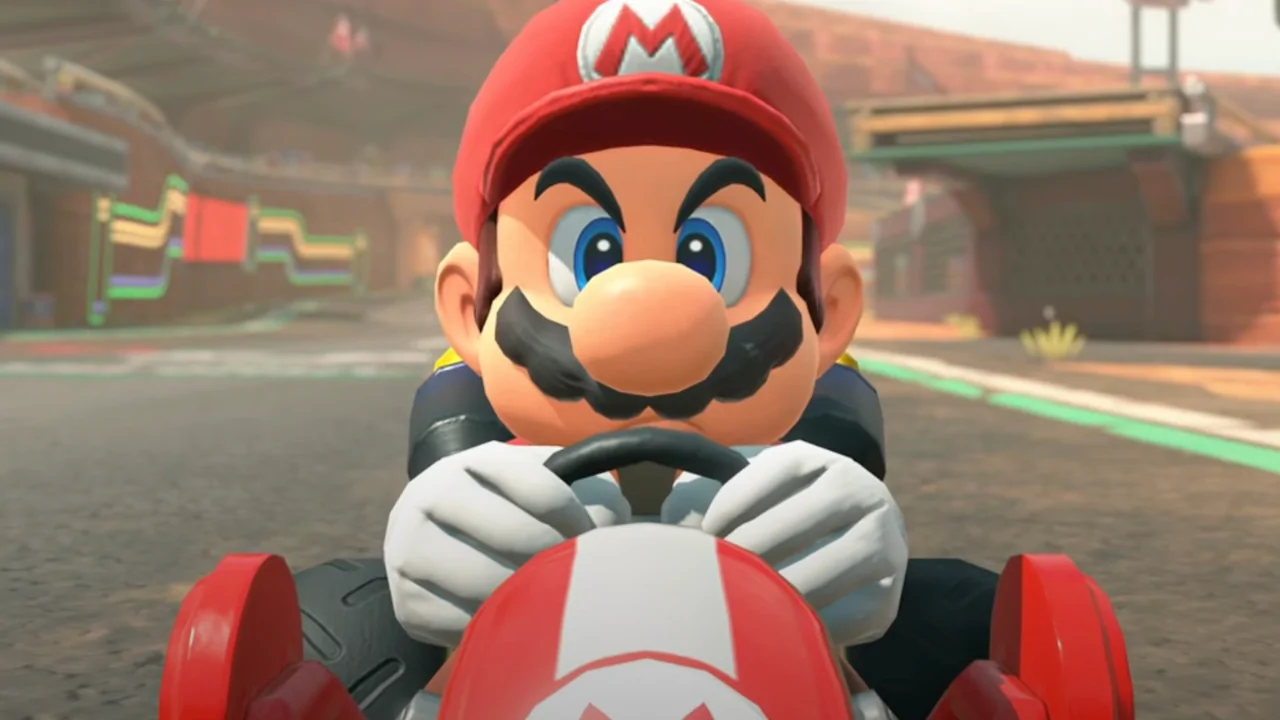
Last week’s reveal of Mario Kart World as an $80 digital title for the upcoming Nintendo Switch 2 sparked heated discussion across the gaming community. Coming in at $10 more than the already-increased $70 pricing standard, many fans expressed sticker shock at Nintendo—especially when paired with the Switch 2’s $449.99 retail price.
Now, Nintendo of America president Doug Bowser (yes, that’s really his name, get it out of your system…) has weighed in, offering insight into the company’s evolving pricing strategy during an interview with The Washington Post.
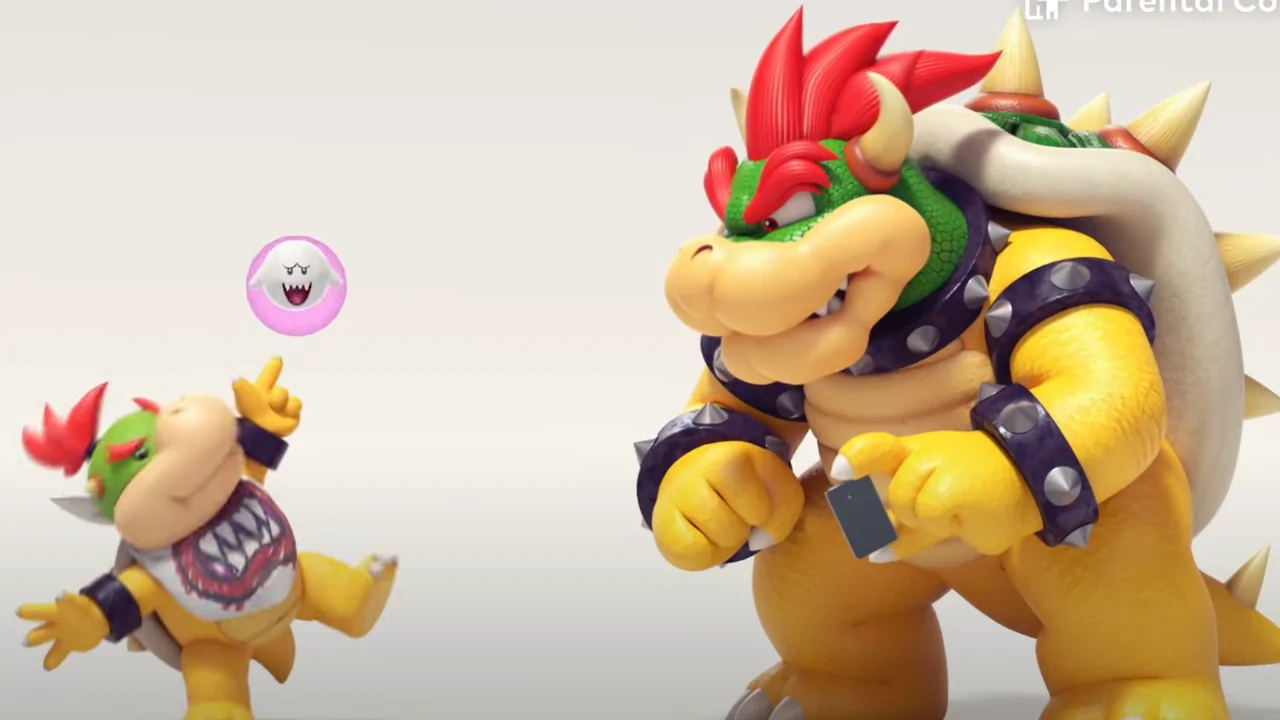
Bowser and Bowser Jr. demonstrate Nintendo’s new parental controls – YouTube, Nintendo of America
According to Bowser, Nintendo isn’t establishing a new universal baseline, but instead embracing what he called “variable pricing.”
“We’ll look at each game, really look at the development that’s gone into the game, the breadth and depth of the gameplay, the durability over time and the repeatability of gameplay experiences,” Bowser said. “Those are all factors… So I think you can anticipate that there will be variable pricing, and we haven’t set a benchmark.”
In other words, not every Nintendo game will cost $80—but some will. And Mario Kart World, the follow-up to Mario Kart 8 Deluxe, which sold over 67 million copies, is considered by the company one of Nintendo’s flagship offerings deserving of the premium tier.
Not Every Game Will Hit $80
Bowser pointed to the newly revealed Donkey Kong Bonanza as a prime example of Nintendo’s tiered approach. That game will launch at $69.99, aligning with what’s become the standard price point for top-tier titles on PlayStation and Xbox.
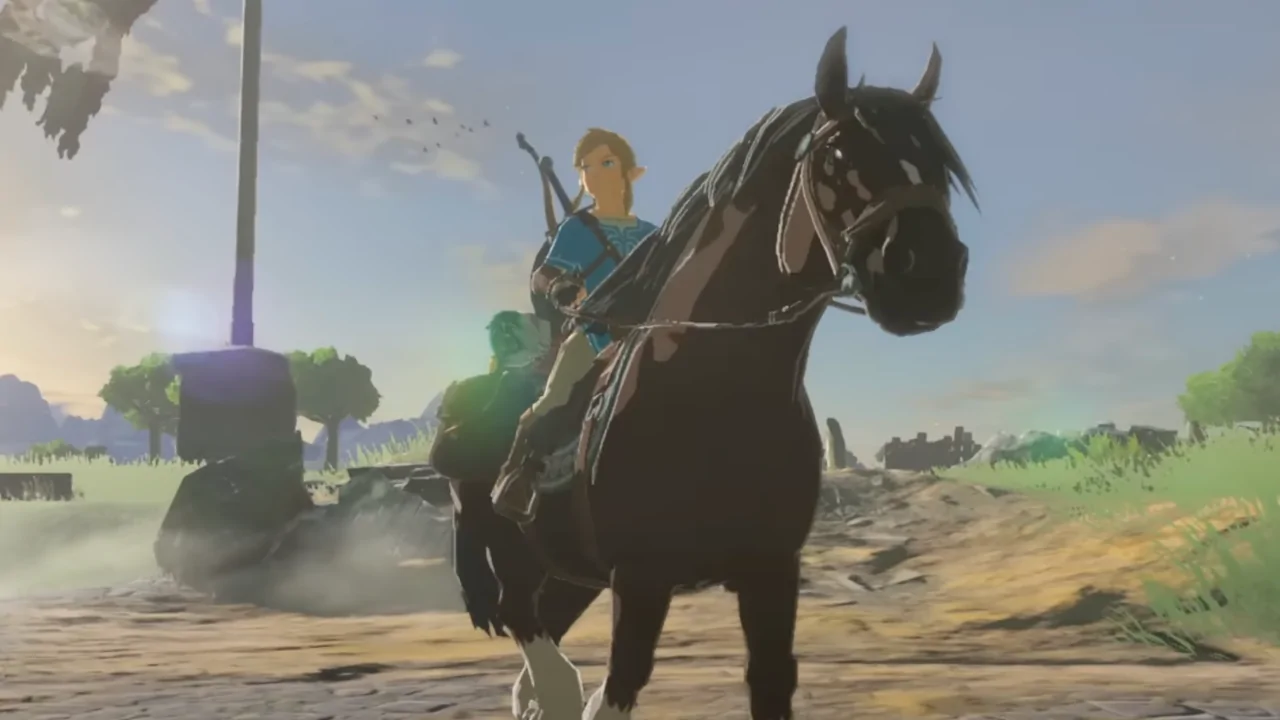
Link in The Legend of Zelda Breath of The Wild – YouTube, Nintendo of America
Nintendo has experimented with pricing differences before. The Legend of Zelda: Tears of the Kingdom was the company’s first $70 game, while its predecessor Breath of the Wild remained $60. Remakes like Link’s Awakening stayed at $60, despite major overhauls.
This flexible model appears to be Nintendo’s way of evaluating each release based on content, longevity, and investment—a business-minded approach they feel falls more in line with the realities of modern development cycles.
“It’s more about what we think is right for our content, what is the right value for the consumers as they come into our platform,” Bowser added.
A Brief History of Variable Pricing in Video Games
While some consumers may see this new Nintendo pricing model as a break from tradition, the truth is—this is actually a return to how things used to be.
1980s–1990s (NES, SNES, Genesis era):
Game prices varied wildly. You might pay $39.99 for one title and $79.99 or more for another. Pricing was based on factors like:
- Cartridge size (More memory = more expensive manufacturing)
- Special chips (like the Super FX chip in Star Fox)
- Popularity of the IP (Final Fantasy and Chrono Trigger launched at premium prices)
Retailers and publishers had far more flexibility back then, and gamers generally accepted the differences.

The Legend of Zelda: Breath of the Wild (2017), Nintendo
2000s–Early 2010s (PS2, Xbox 360, Wii era):
The industry shifted toward standardized pricing to streamline marketing and sales. Most major console releases were priced at $49.99, and eventually $59.99 when the HD era started.
This move was driven by retail simplicity, consumer expectations, and a broader casual audience familiar with uniform pricing for movies and music.
Modern Era (PS4, PS5, Switch, etc.):
In the modern era, uniformity became the default—$59.99 was considered standard. Only recently have publishers returned to variable pricing.
As we mentioned before, Tears of the Kingdom came out at $69.99. PlayStation first-party games (e.g., Demon’s Souls, Spider-Man 2) were also priced at $69.99. However, indie titles and AA releases are often priced between $30–$50.
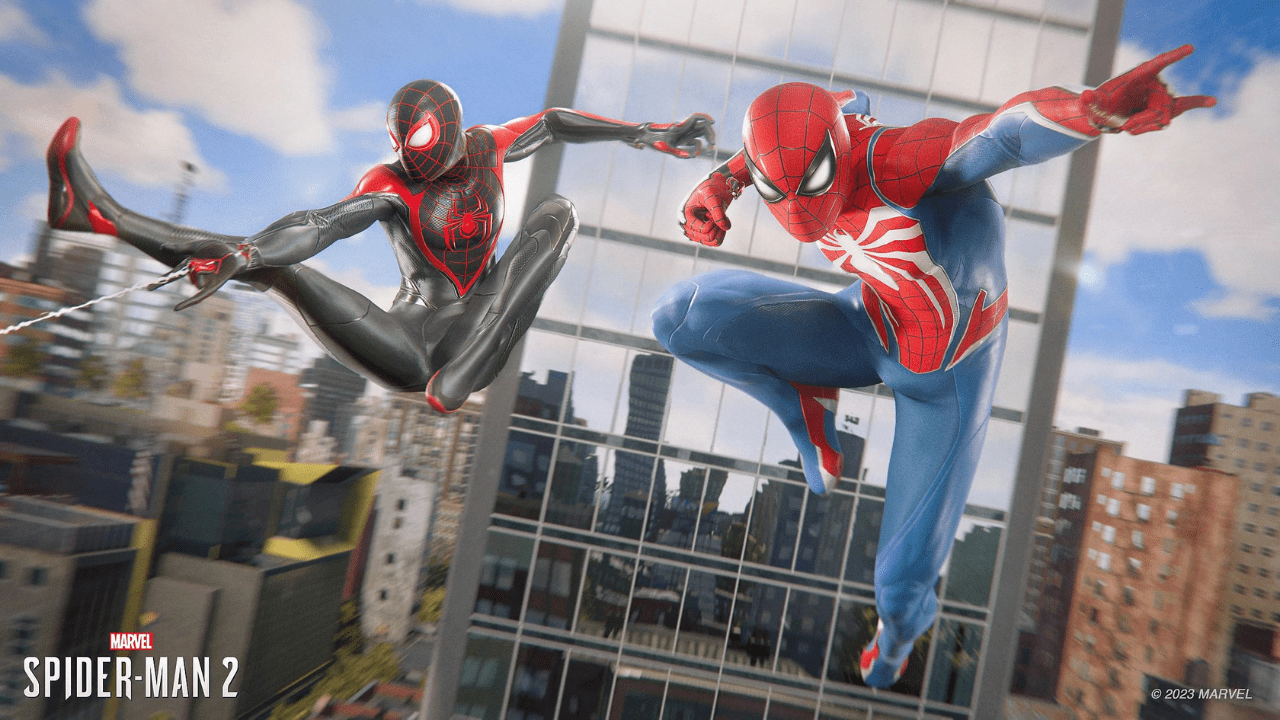
Miles Morales and Spider-Man in Marvel’s Spider-Man 2 (2023), Insomniac Games
Now, Mario Kart World at $79.99 signals that Nintendo is comfortable charging more when it believes the content justifies it.
So while the price may feel high compared to recent years, this isn’t unprecedented—it’s a reversion to an older, more flexible model that prioritizes development scope and content value over uniformity.
Supporting a Diverse Ecosystem
Bowser also confirmed Nintendo’s commitment to the original Switch ecosystem, which now boasts over 150 million units sold. There are no current plans to lower prices for the original models (Switch at $299, OLED at $349, Lite at $199), but Nintendo is watching consumer behavior closely.
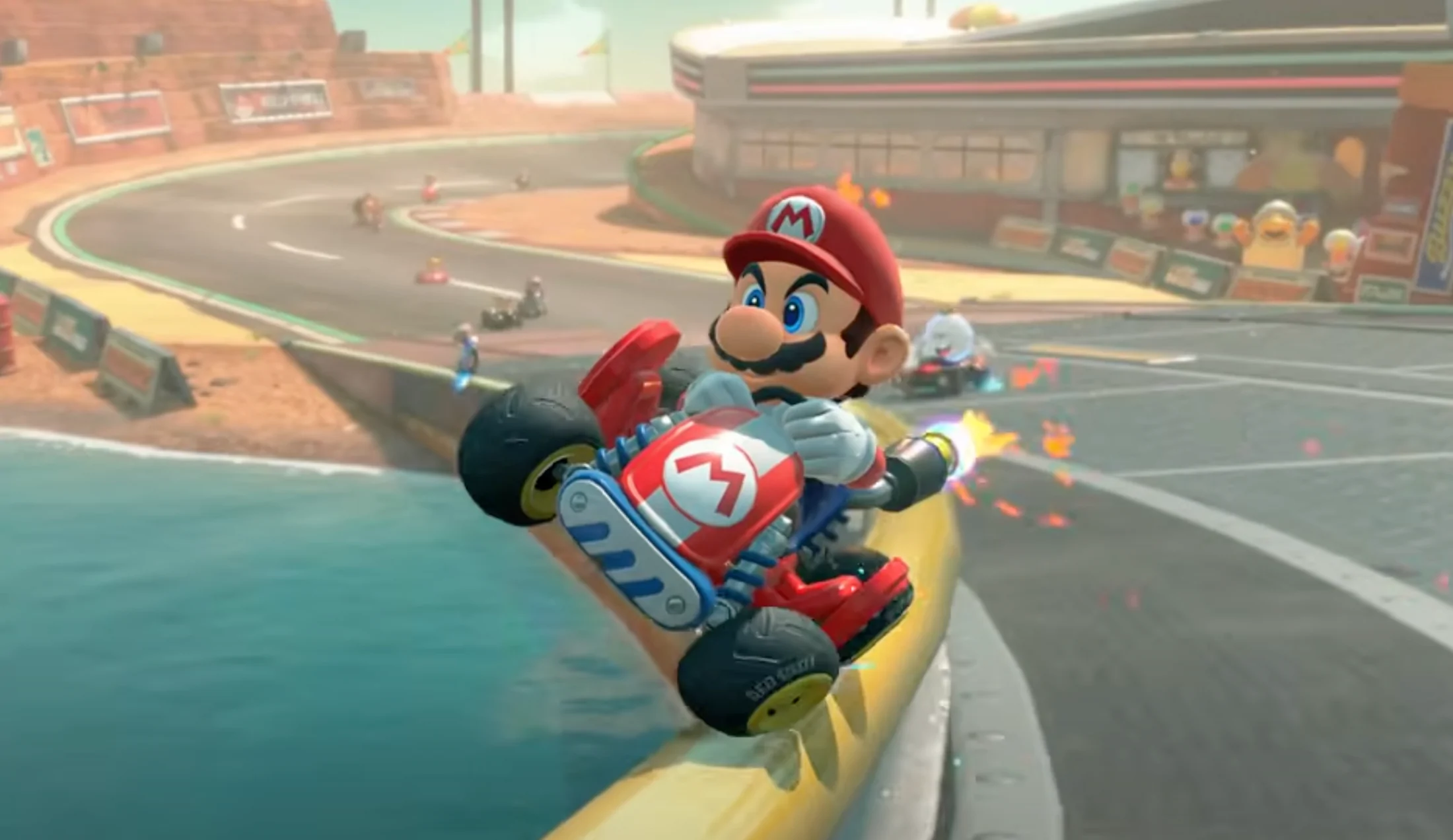
A screenshot from the trailer to Mario Kart World – YouTube, Nintendo of America
“Not all of them may be ready to jump to Switch 2,” Bowser noted. “Hopefully with time and with the right games, it’ll be compelling for them to want to come on.”
Launch Still on Track Despite Preorder Delay
Bowser’s interview took place just before Nintendo delayed Switch 2 preorders, which had been set to begin April 9. The decision was made to assess the impact of new tariffs announced by President Donald Trump, which are prompting many companies to revisit supply chain and pricing logistics.
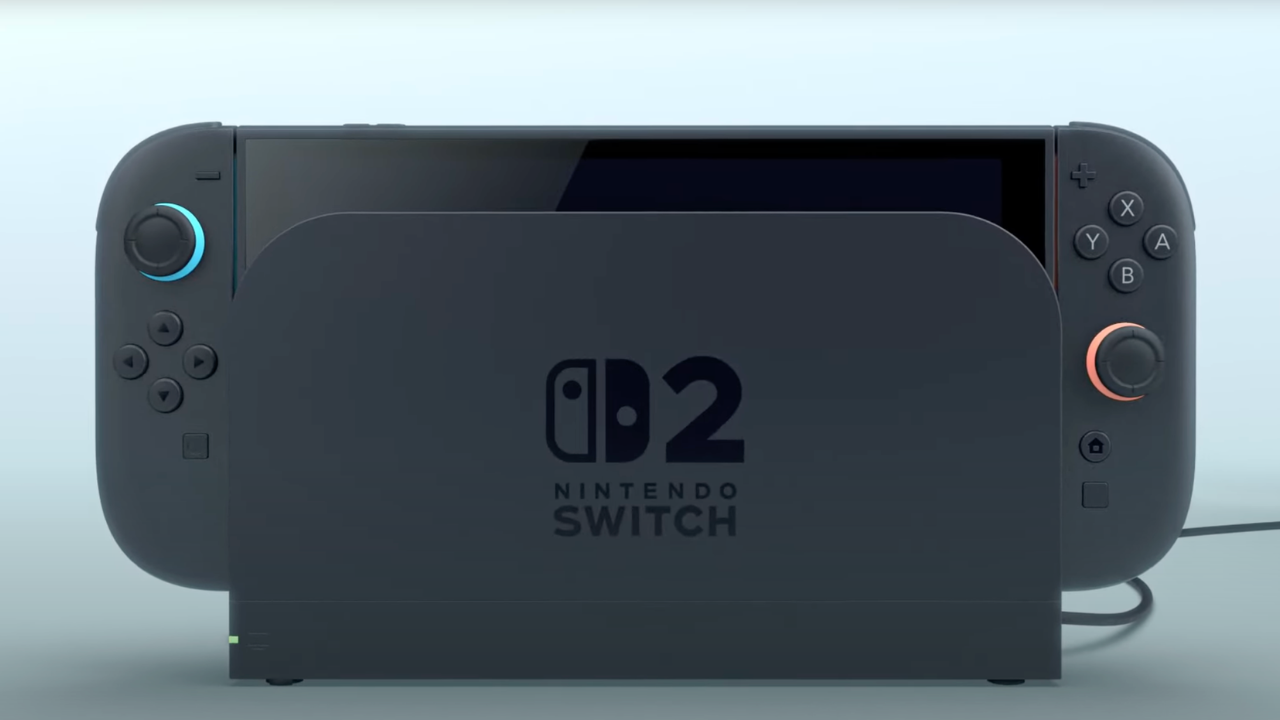
The fully revealed Nintendo Switch 2 console – YouTube, Nintendo of America
Nintendo reiterated that the Switch 2 will still launch on June 5, and preorder timing will be updated “at a later date.”
The Bottom Line
While the $80 price point for Mario Kart World may raise eyebrows, Bowser’s explanation offers valuable perspective. Nintendo isn’t shifting to a flat $80 model—it’s adopting a tiered, value-based strategy that reflects development effort, content scale, and replay value.

A screenshot from the trailer to Mario Kart World – YouTube, Nintendo of America
And for those who remember the days of $70–$80 SNES carts? This isn’t a price hike. It’s, for better or worse, a full-circle moment in gaming history.
How do you feel about Nintendo bringing back variable game pricing? Sound off in the comments and let us know!
