



Protecting kids online is a goal we all support. Nobody wants young players harassed, bullied, or exposed to toxic behavior in games like Minecraft or Fortnite. That’s why tools like muting, blocking, and reporting exist—and they’re essential. But a new Sony “bad actor” detection patent floats an approach that goes far beyond moderation.
According to a recently published filing, the Sony bad actor Patent outlines a system that tracks and scores players across online multiplayer games based on how frequently they exhibit “negative behavior.” If a player crosses a predetermined threshold—by, for example, engaging in inappropriate chat or griefing—Sony’s system could automatically limit their access to online features until they “improve” their behavior.
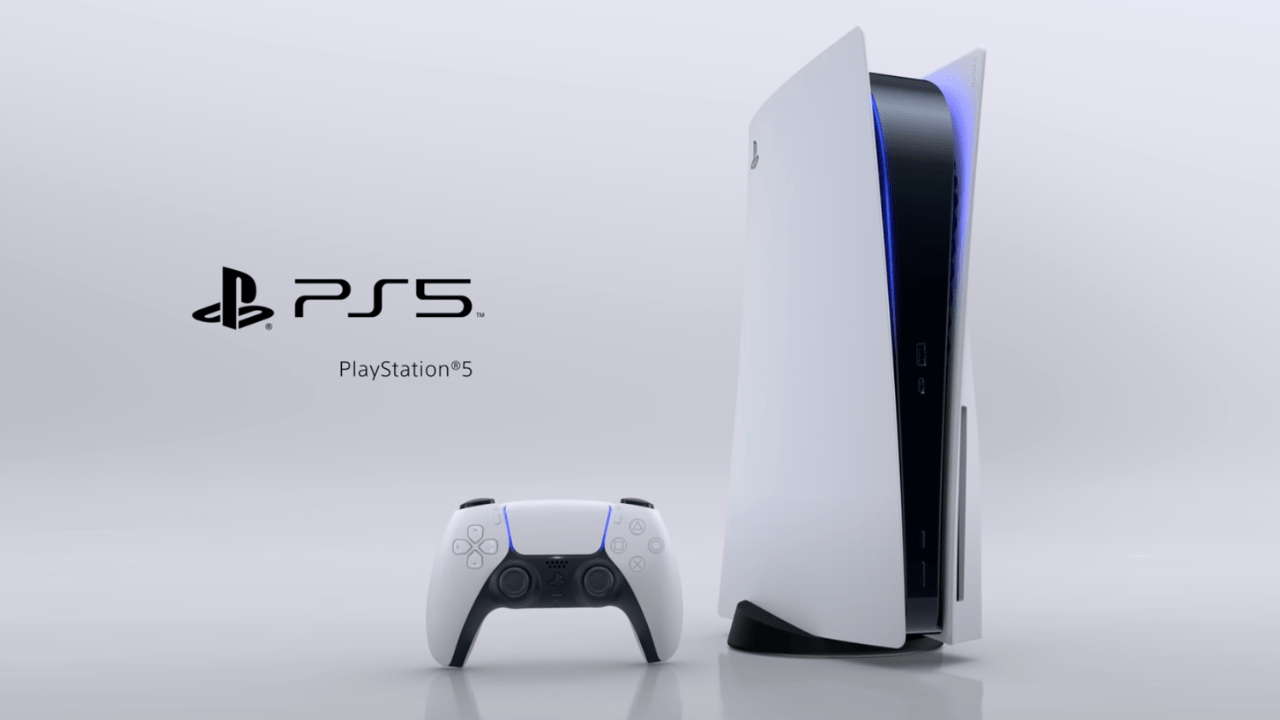
A Playstation 5 console and controller – YouTube, PlayStation
READ: Mark Ruffalo Rumored to Appear in Spider-Man 4 as Savage Hulk
At first glance, it sounds like a reasonable step toward cleaner gaming spaces. But dig deeper, and what Sony is proposing starts to resemble something far more dystopian: a corporate-run social credit score for gamers.
From Moderation to Profiling
The patent, filed in October 2024 and published on May 22, 2025, details an automated behavior detection system that evaluates players through “frequency markers.” The more often you break the rules—or are perceived to—the more likely you are to be flagged as a “bad actor.”

PlayStation Studios Hero Banner via PlayStation.com Website
Sony’s system wouldn’t just mute or warn you. It could restrict your online gameplay entirely. And while a one-time mistake might not push you past the limit, the system is built to compile and track your behavior over time, forming a persistent profile.
That kind of long-term surveillance and behavioral grading isn’t just moderation. It’s control. And once a system like this is embedded into the fabric of multiplayer gaming, who decides what’s “toxic”? What qualifies as unacceptable behavior? Is it context-dependent—or purely algorithmic?
A Chilling Parallel to China’s Social Credit System
If this sounds eerily familiar, that’s because it is. China’s social credit system operates on many of the same core principles Sony outlines in this patent such as:
- Tracking behavior
- Assigning scores
- Rewarding compliance
- Punishing deviation
In China, this means citizens can be barred from flights, jobs, or even dating apps if they fall below a government-defined threshold. While Sony’s version applies to video games, the structure is strikingly similar—automated oversight tied to user behavior, with seemingly no transparency, no appeal process, and no room for nuance.

President Xi Jinping of China issues a New Year’s Address – YouTube, South China Morning Post
This isn’t a slippery slope argument. It’s a direct blueprint match—only instead of being run by a government, it’s run by a gaming corporation. That makes it no less dangerous. Because when a tech company normalizes behavior-based restrictions in one area, it becomes that much easier to apply it elsewhere.
The Sony Bad Actor Patent may be marketed as a tool for positivity, but under the surface, it reflects the kind of behavioral control we once warned could only happen in authoritarian regimes. Now it’s being built into entertainment platforms we use every day.
A Dangerous Precedent
Let’s be clear: We believe children deserve safe, respectful gaming environments. But Sony’s patent opens the door to something much broader than safety enforcement. This is about conditioning behavior through persistent digital scoring.

A screenshot from Horizon Zero Dawn (2017), Guerilla Games
READ: HBO’s Harry Potter Series Casts New Trio for Iconic Roles of Harry, Ron, and Hermione
If you’ve ever been unfairly reported in a match, imagine that report contributing to a score you can’t see, audit, or appeal. Imagine being locked out of online play not by a moderator, but by an opaque system that quietly labeled you a problem.
Another reason not to get a PSN account.
Sony wants to bring social credit scores to gaming. https://t.co/fqOORrzcbB
— Grummz (@Grummz) May 28, 2025
And what happens if that score starts affecting more than just gameplay—when it carries over to your PlayStation Network reputation, cloud saves, or even cross-platform experiences? The Sony bad actor patent could become more than just a moderation tool—it’s a potential foundational structure for widespread behavioral enforcement.
Sony’s Pattern of Surveillance Patents
This isn’t Sony’s first move in this direction. In 2024, they filed a separate patent for a “VR safe space” that automatically removes or mutes disruptive users in virtual environments. In isolation, these may seem like minor steps. But together, they suggest a company intent on shaping how players act—not just in one game, but across the entire ecosystem.
That’s where the comparison to a social credit system becomes unavoidable. What begins as a noble effort to reduce harassment evolves into a system where corporations monitor, rate, and restrict users based on behavior. And what happens if they decide that saying you don’t like the latest PlayStation exclusive is suddenly a bad actor strike? What if mocking the failure of Concord or referencing Sweet Baby Inc. could suddenly get you flagged and booted?

A screenshot from Concord (2024), Firewalk Studios
This is an extreme example, but it’s a potential example nonetheless. Where does the moderation stop? Who decides? On its surface the CCP social credit score can sound like a noble venture. But over time it was revealed for what it is: a dystopian system designed to regulate behavior and adhere to what the government finds acceptable.
Again, we’re dealing with video game companies here, not world governments. But the comparison can’t be ignored. And this could only be the beginning.
It’s Not Just About Gaming Anymore
Let’s not pretend this isn’t part of a broader tech trend. From banking algorithms to social media shadowbans, digital scoring systems are creeping into every corner of life. Now, with the Sony bad actor patent, they’re coming for our games too.

Marvel’s Spider-Man: Miles Morales (2020), Insomniac Games
READ: Rotten Tomatoes Touts Critic Score for The Last of Us Season 2 While Ignoring Audience Rating of 39%
And once this kind of player profiling becomes standard, other companies won’t hesitate to adopt it. Microsoft. EA. Ubisoft. The gaming landscape could shift from a space of freedom and creativity to one of constant behavioral management.
Final Thought: Protect Kids, But Don’t Police Everyone
We can—and should—protect children from predators and bullies in online games. But there’s a clear line between protecting players and profiling them. Sony’s new system crosses that line. By creating behavior profiles and restricting access based on unseen metrics, the company risks transforming online gaming into a system of surveillance and conformity.
If they go forward with this patent, the consequences won’t just affect trolls and cheaters. They’ll affect all of us.

The Last of Us Part I (2022), Naughty Dog
Gamers should reject this path now—before it becomes the industry standard.
How do you feel about this Sony bad actor patent? Sound off in the comments below and let us know!
