


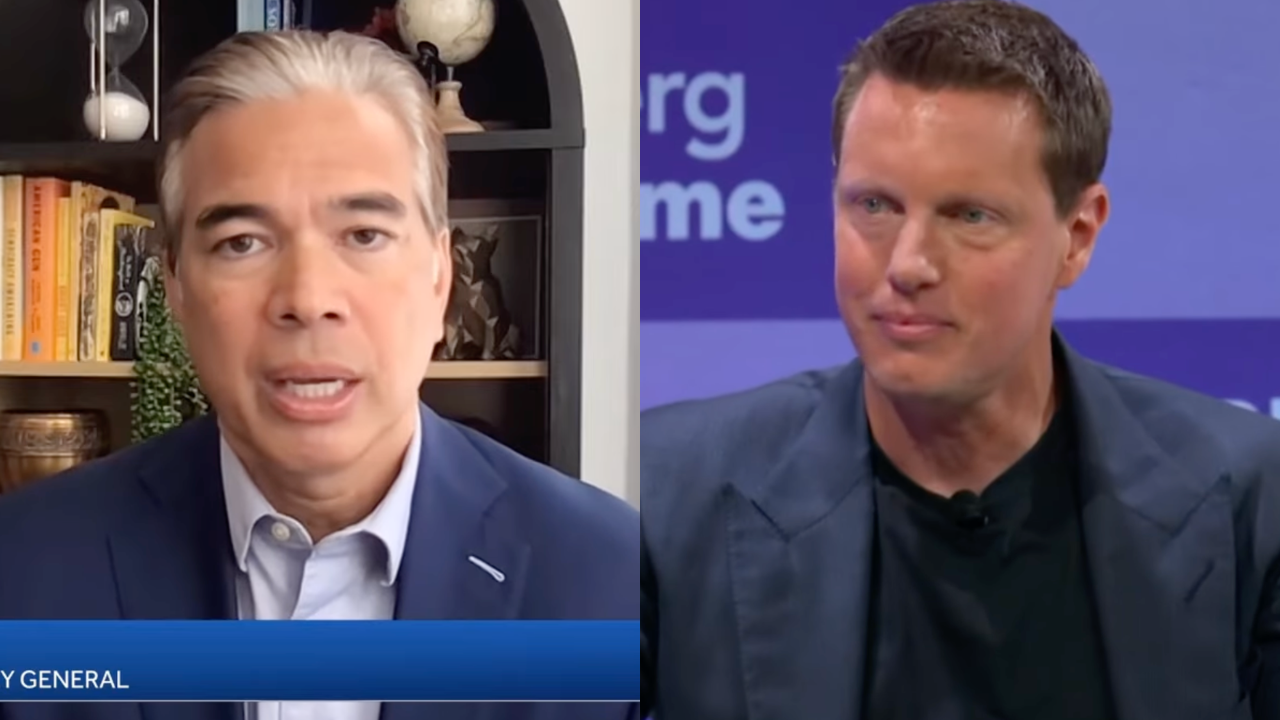
The months-long legal war threatening Paramount Skydance’s massive acquisition of Warner Bros. Discovery could be approaching a dramatic resolution, with a new report claiming Paramount and the coalition of states attempting to block the merger could reach a settlement as soon as this weekend.
According to Reuters, Paramount and the 12 states challenging its $110 billion Warner Bros. acquisition are discussing potential settlement terms that could clear one of the largest remaining obstacles standing between David Ellison and control of Warner Bros.
Sources familiar with the discussions told Reuters that an agreement could potentially be reached as soon as this weekend.
The California Department of Justice would neither confirm nor deny the negotiations.
“Potential settlement talks are confidential,” a spokesperson told Reuters. “We cannot confirm or deny whether settlement talks are occurring or their alleged substance.”
Paramount similarly declined to comment.
Nevertheless, investors reacted quickly to the report. Paramount shares climbed nearly 7% in after-hours trading Friday, while Warner Bros. Discovery jumped 8.4%.
Paramount May Finally Have a Path Forward
A settlement would represent a remarkable change in the trajectory of a legal fight that has grown increasingly bitter over the past several months.
California Attorney General Rob Bonta led a coalition of 12 attorneys general in suing to block the merger in July, arguing that combining Paramount and Warner Bros. would substantially reduce competition in theatrical film distribution and basic cable television.
The coalition includes California, Arizona, Colorado, Connecticut, Massachusetts, Minnesota, Nevada, New Jersey, New Mexico, New York, Oregon, and Washington. All states with Democratic leadership.
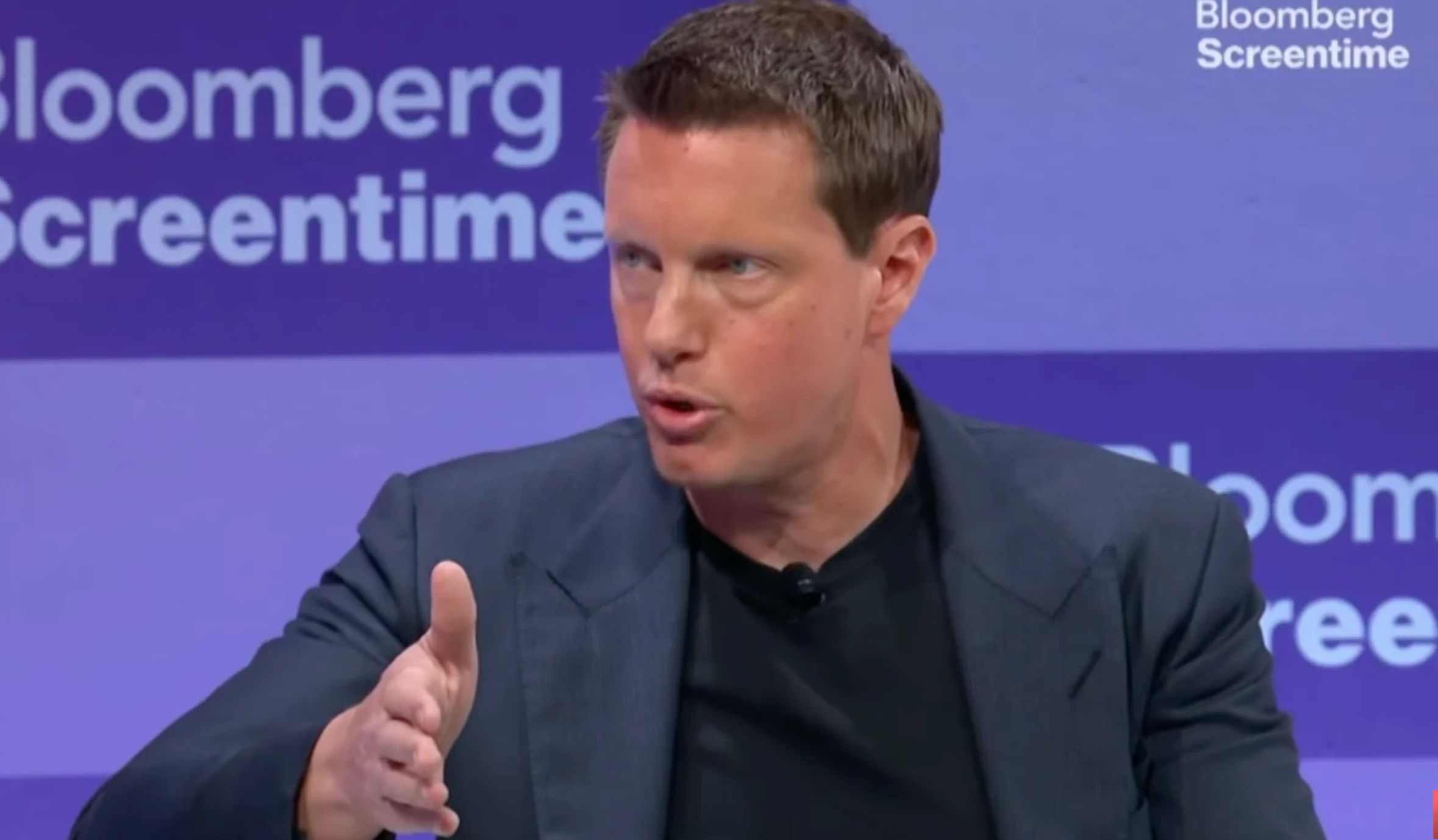
David Ellison in an interview with Bloomberg – YouTube, Bloomberg Podcasts
READ: Duck Tales World Showcase Adventure Will Return to EPCOT
Bonta’s office claims the combined company would control approximately 27% of wide-release theatrical film distribution and more than 30% of anticipated blockbuster distribution.
The states subsequently secured an agreement preventing Paramount and Warner Bros. from completing the transaction while the case proceeds, which was approved by a Biden-appointed judge.
But the federal government has taken a markedly different position.
The merger has already cleared federal antitrust review, and the Federal Communications Commission on Thursday approved Paramount’s request concerning foreign investment in the combined company.
The FCC stipulated that foreign investors couldn’t hold voting stock or exercise control over management or content decisions.
That left the states’ lawsuit as one of the most significant remaining roadblocks to Ellison completing the acquisition.
Now, that obstacle may be moving toward a negotiated resolution.
What Could Paramount Give the States?
Multiple reports have now identified several potential concessions being discussed as Paramount attempts to resolve the states’ antitrust challenge.
Reuters reports that a commitment concerning the number of movies Paramount releases theatrically is among the terms under discussion. Ellison has previously pledged that the combined Paramount-Warner Bros. operation would release approximately 30 movies annually, and preserving theatrical output has been a major issue surrounding the consolidation of two of Hollywood’s five major studios.
The second provision reported by Reuters is considerably more unusual: independent content monitoring of CNN.
CNN would fall under Paramount’s control through the Warner Bros. acquisition, and Reuters reports that some form of independent monitoring of the cable news network’s content is among the terms being discussed.
A screenshot from CNN – YouTube, CNN
Exactly what that monitoring would entail, who proposed it, and what authority an independent monitor would possess remain unclear.
That revelation also raises substantial questions considering Bonta’s previous insistence that CNN was not part of the antitrust dispute — an issue that warrants examination separately from the broader settlement negotiations.
But those are not the only potential concessions that have surfaced.
The Wall Street Journal separately reports that Paramount and Bonta have discussed a compromise under which Paramount Pictures and Warner Bros. would continue operating as separate movie studios for a period of time rather than being immediately combined after the acquisition.

A CNN Report on President Trump – YouTube, CNN
How long the studios would have to remain operationally separate, what restrictions would govern them, and whether that proposal will ultimately appear in a settlement remain unclear.
Earlier negotiations were considerably more aggressive. Bonta previously sought structural remedies that included the divestiture of some of the combined company’s cable networks, but there is currently no public confirmation that those asset sales remain part of the settlement now being negotiated. Reuters reports that additional potential settlement terms could not be determined.
Bonta Previously Wanted Structural Changes
The concessions now being reported are particularly notable because Bonta has repeatedly argued that promises governing Paramount’s behavior after the merger would not be enough to resolve his antitrust concerns.
The California attorney general previously advocated for structural remedies — permanent changes to the composition or ownership of the merged company, potentially including divestitures.
Bonta specifically argued that Ellison’s promise to release approximately 30 movies annually was inadequate because such behavioral commitments can be difficult for regulators to enforce after a transaction closes.
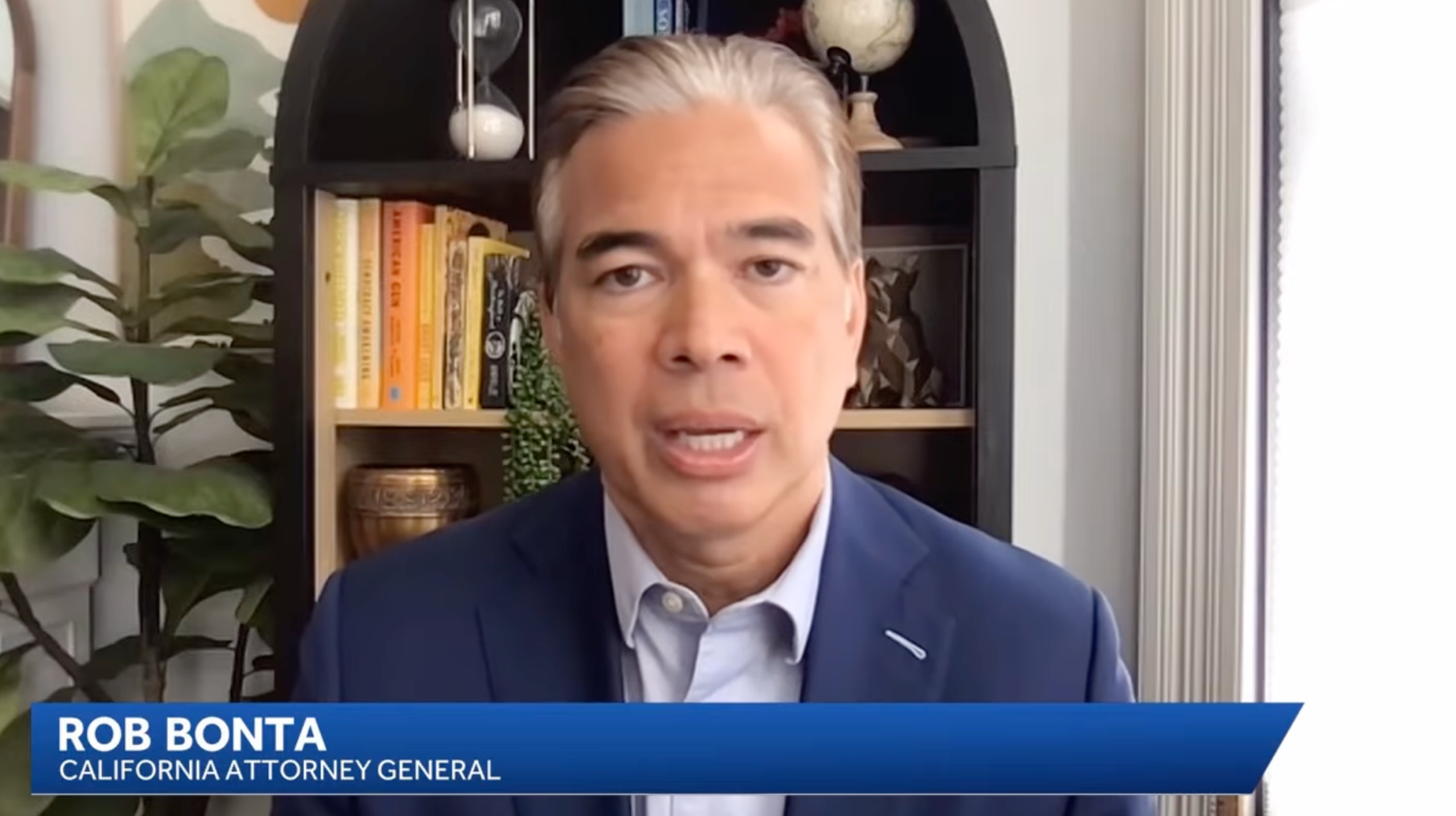
California Attorney General Rob Bonta – YouTube, KCRA 3
READ: Details Revealed for New Book Examining Bob Iger and The War Over Disney’s CEO Succession
Earlier reports indicated that Bonta was interested in the potential sale of some of the companies’ combined cable channels. He also sought protections preventing the immediate consolidation of Paramount Pictures and Warner Bros.
The concessions currently being publicly reported, however, could represent a significant compromise.
A theatrical-release requirement is a behavioral remedy. Independent monitoring of CNN would also regulate how the combined company operates after the acquisition. And even an agreement to operate Paramount Pictures and Warner Bros. separately for a specified period would leave both studios under the same corporate ownership rather than permanently separating them through a divestiture.
It remains unclear whether any actual asset sales or other structural remedies are part of the negotiations now approaching a potential settlement.

Paramount Pictures Logo – YouTube, ClosingLogosHD
If Bonta ultimately settles the case primarily through temporary operational restrictions, content monitoring, and theatrical-release commitments, the final agreement could look considerably different from the structural solution he publicly advocated earlier in the fight.
The apparent progress is nevertheless striking considering how hostile the relationship between Bonta and Paramount had become.
In August, Bonta canceled a planned meeting with Paramount, accusing the company of “playing games” and saying he would meet with Paramount when it was prepared to negotiate seriously.
Only weeks later, the two sides may now be approaching an agreement.
The Clock Is Ticking for Paramount
Paramount also has an enormous financial incentive to resolve the dispute quickly.
Under the Warner Bros. agreement, Paramount will begin paying Warner Bros. shareholders a $7 million-per-day “ticking fee” after September 30 if the transaction hasn’t closed.
Paramount has warned that those costs could become staggering if the states succeed in delaying the acquisition through trial.
Earlier this month, the company sought a $1.88 billion bond from the states to cover potential losses resulting from the delay.
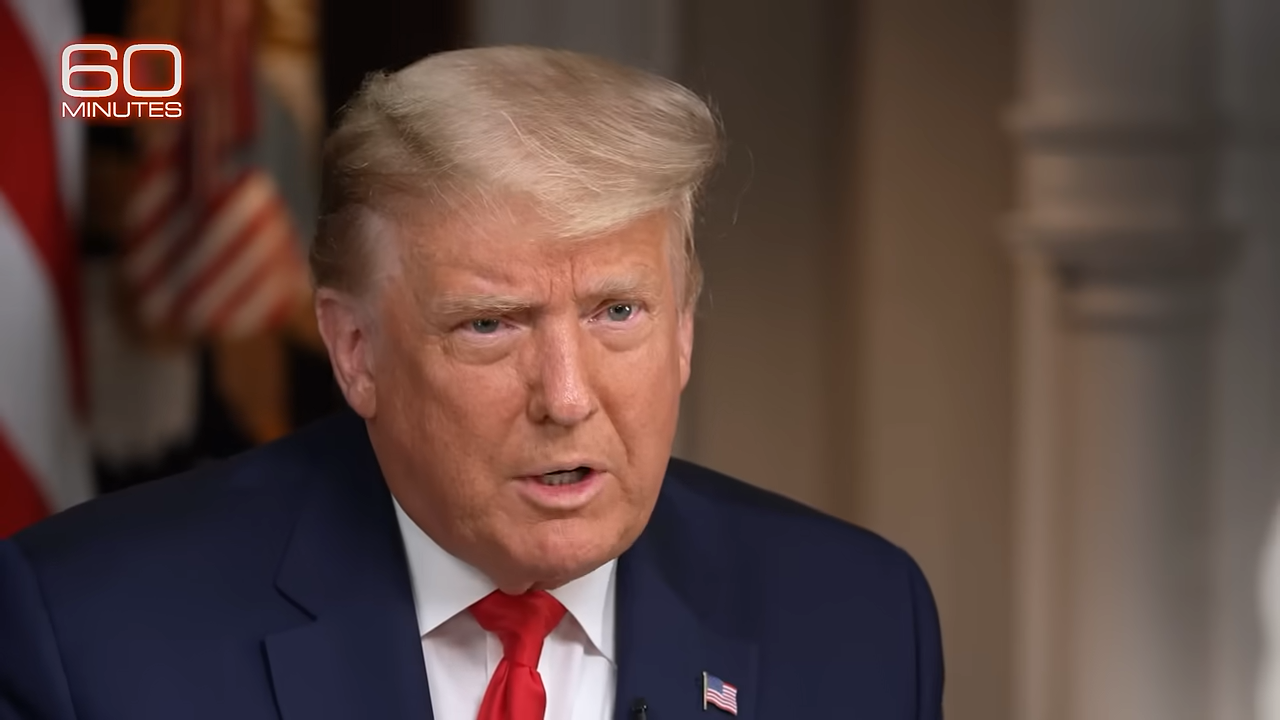
President Donald Trump in a 2020 interview – 60 Minutes, YouTube
The U.S. Department of Justice subsequently backed Paramount’s argument that parties seeking an injunction should be required to post an appropriate bond covering potential damages.
Paramount argued that if the dispute continued through the currently scheduled March trial and into April, it could accumulate approximately $1.3 billion in unrecoverable ticking fees.
A settlement before the end of September could therefore potentially save Paramount hundreds of millions of dollars while eliminating the uncertainty of taking the states’ antitrust claims to trial.
One Major Challenge Could Remain
Settling with the states would not necessarily eliminate every legal challenge facing the merger.
The Writers Guild of America has separately sued to stop the transaction, arguing that combining two of Hollywood’s largest employers would reduce competition for writers, suppress compensation, and worsen working conditions.
Reuters reported that the WGA did not immediately respond when asked whether it was participating in the current settlement discussions. But removing the 12-state coalition from the equation would dramatically change the landscape surrounding the acquisition.

Logos for Paramount Skydance and Warner Bros. – Paramount, WB
Just two months ago, Bonta was celebrating California’s success in preventing Paramount and Warner Bros. from completing their merger, declaring that his office intended to continue fighting until the transaction was stopped.
Now, Paramount and those same states are reportedly negotiating the conditions under which the deal could move forward. If Reuters’ sources are correct, those negotiations may not have much further to go.
A settlement as soon as this weekend would represent the biggest breakthrough yet for Ellison’s $110 billion Warner Bros. takeover — and could put Paramount considerably closer to finally completing one of the largest media acquisitions in Hollywood history.
Do you think Paramount and Bonta will reach a settlement? Sound off and let us know!
UP NEXT: Dolly Parton Accepts Award With Posthumous Message Ending With “I Will Always Love You”
