



A dramatic new twist has thrown Paramount’s proposed merger with Warner Bros. Discovery into uncertainty after the companies agreed not to close the transaction until at least June 1, 2027, or until the legal challenges against the deal are fully resolved.
The agreement represents one of the most significant developments since Paramount first announced its plans to merge with Warner Bros. Discovery. While federal regulators and European authorities have already approved the transaction, a coalition of Democrat state attorneys general and the Writers Guild of America have continued their legal fight to block the merger, arguing it would dramatically reduce competition across the entertainment industry.
Now, rather than attempting to rush the deal through while litigation continues, Paramount has effectively agreed to put everything on hold.
Paramount Agrees To Pause The Merger
According to a court filing submitted Friday, Paramount and Warner Bros. Discovery agreed that the transaction will not close until either:
- Five days after the lawsuits are decided on their merits, or
- June 1, 2027
whichever comes first.
READ: Wall Street Journal Report Shows Guests Don’t Like Disney’s Lightning Lane
The filing states that neither company will take steps to integrate or consolidate operations while the litigation proceeds.
Earlier this week, Biden-appointed U.S. District Judge Araceli Martínez-Olguín extended a temporary restraining order preventing the transaction from closing while she considers whether to issue a preliminary injunction. Rather than continue fighting over short-term delays, both sides have now indicated they want to move directly toward a full trial.
Democrat Attorneys General Continue Their Challenge
The lawsuit was filed by a coalition led by California Attorney General Rob Bonta alongside a dozen Democrat-led states.
They argue the merger would illegally reduce competition in areas including:
- Wide theatrical film distribution
- Big-budget blockbuster production
- Basic cable television licensing
The Writers Guild of America filed a separate lawsuit making similar antitrust arguments, claiming the merger would reduce competition for writers’ services.
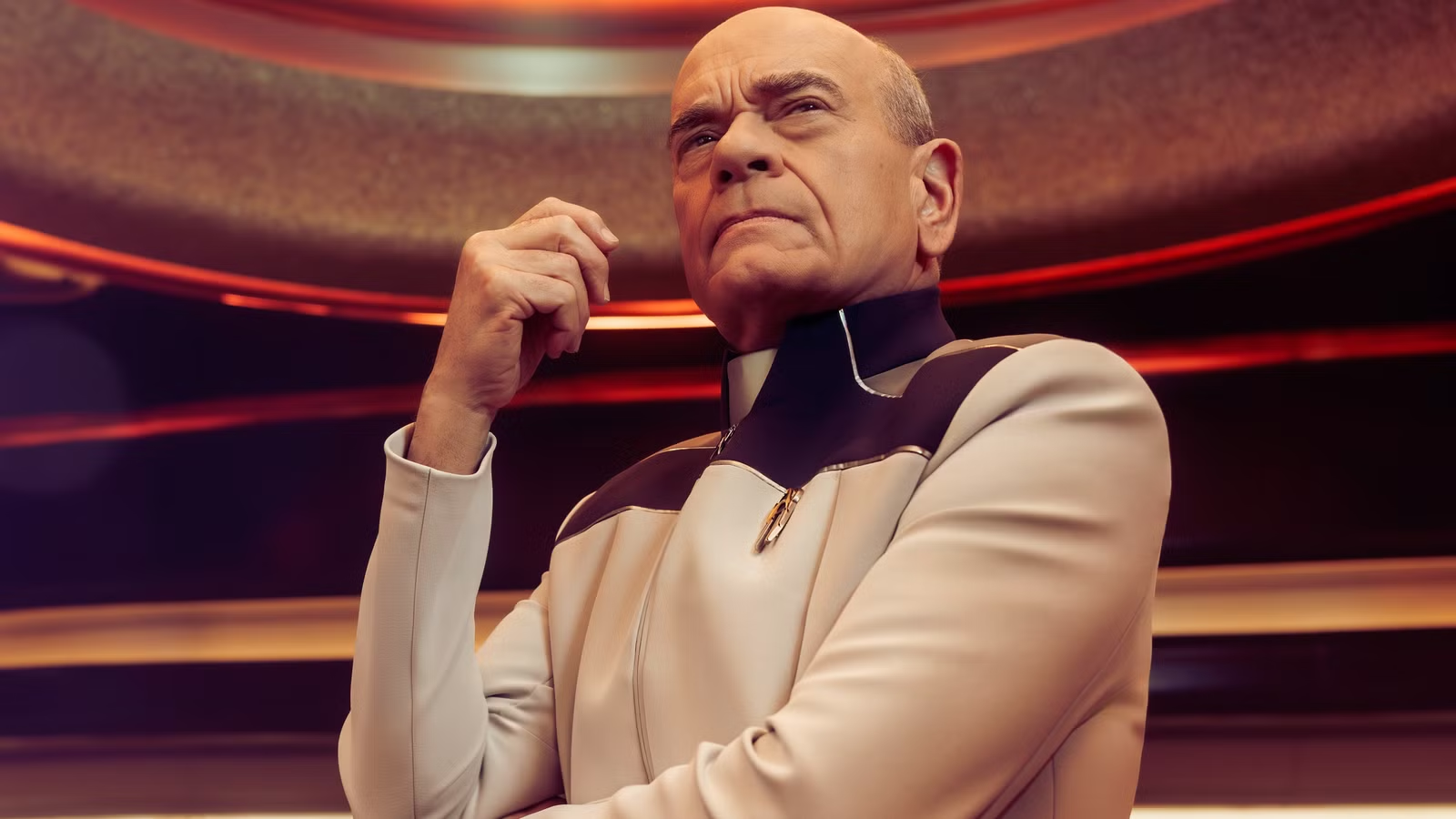
Robert Picardo as The Doctor in Star Trek: Starfleet Academy – Paramount
Rob Bonta celebrated Friday’s agreement, calling it “a major victory for a free and fair economy, for the entertainment industry, for workers, for consumers, and for affordability.”
New York Attorney General Letitia James likewise claimed the merger would harm everyone from creative workers to moviegoers and said halting the transaction while the case proceeds is “a critical victory.”
Paramount Says The Lawsuits Ignore Today’s Media Landscape
Paramount continues to reject the allegations.
A company spokesperson said the agreement simply creates the fastest path toward a trial where the company believes it can demonstrate the merger is lawful.

The logo for Paramount Skydance – Paramount
According to Paramount, regulators around the world have already concluded the transaction does not threaten competition, while the plaintiffs rely on outdated market definitions that no longer reflect today’s entertainment landscape.
The company maintains that streaming services, digital distribution, and increased consumer choice make the attorneys general’s claims fundamentally flawed.
The Politics Behind The Lawsuit
The legal battle has also fueled broader political speculation.
Unlike federal regulators, who approved the transaction, the most aggressive resistance has come from Democrat attorneys general in states such as California and New York.
That has inevitably led critics to question whether politics is playing a role.
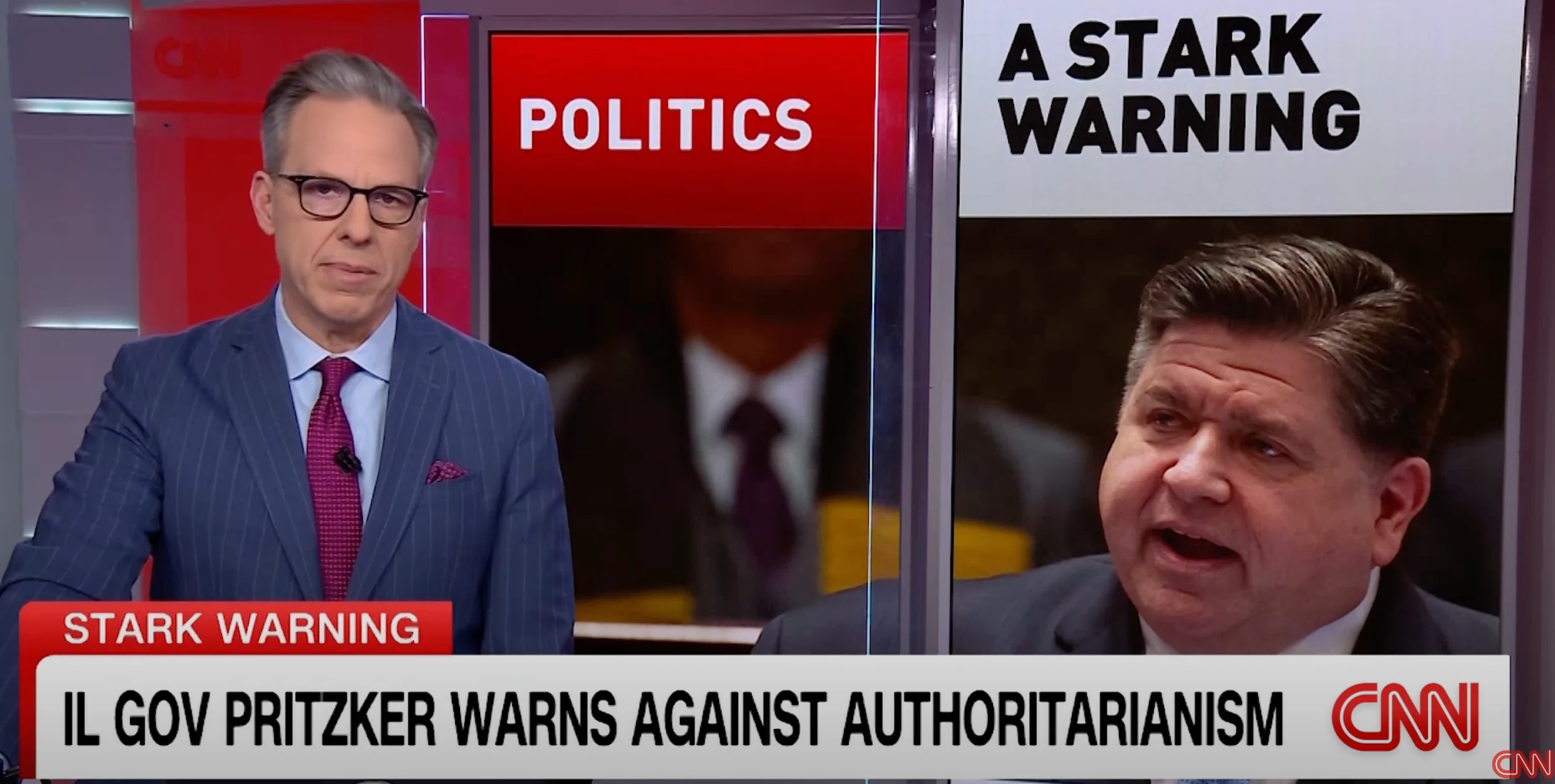
A screenshot from CNN – YouTube, CNN
Larry Ellison, whose family controls Skydance Media, has long been viewed as politically aligned with President Donald Trump. If the merger ultimately closes, the combined company would gain control of CNN alongside an enormous library of film and television assets.
President Trump has repeatedly criticized CNN over the years, accusing the network of functioning as an arm of the Democratic Party.
Supporters of the merger argue it’s difficult to ignore the political backdrop when Democrat attorneys general remain determined to block a deal that already received federal regulatory approval.
Whether politics actually influenced the lawsuits remains a matter of debate, but the optics have become impossible to separate from the legal fight itself.
Billions Of Dollars Are Now At Stake
The delay also creates enormous financial uncertainty.
Reports indicate Paramount could face a $7 million-per-day ticking fee owed to Warner Bros. Discovery after September 30 if the transaction remains incomplete.
Shadow in Sonic the Hedgehog 3 – Paramount
Meanwhile, the merger agreement reportedly contains a staggering $7 billion breakup fee should the transaction ultimately collapse.
Those financial pressures now loom over litigation that could continue well into next year—or beyond.
What Happens Next?
The parties have agreed to abandon the current preliminary injunction briefing schedule and instead work toward setting a full trial.
A joint scheduling proposal is expected to be filed with the court by July 31.
Until then, the merger remains frozen.
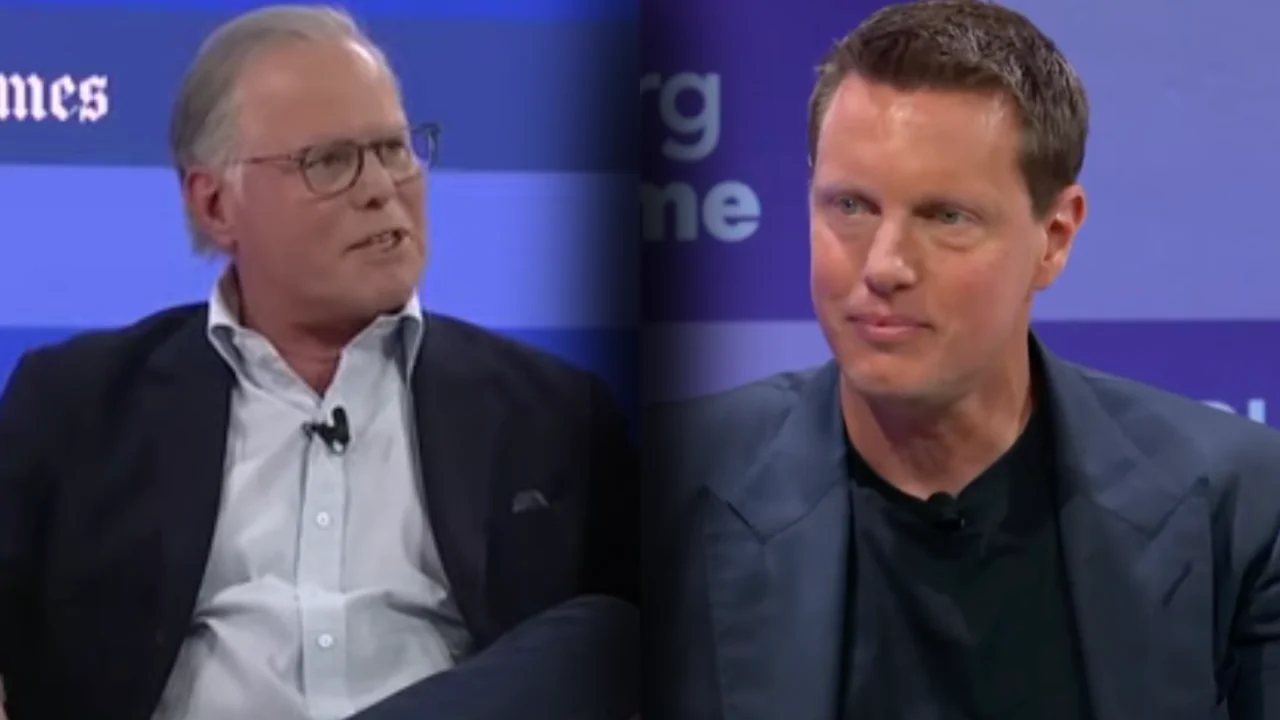
Source Photo Credit: YouTube, New York Times Events; YouTube, Bloomberg Podcasts
What once appeared to be one of the biggest media consolidations in recent history has now entered an entirely new phase, with the future of Paramount, Warner Bros. Discovery, CNN, and one of Hollywood’s largest proposed mergers resting in the hands of a federal courtroom rather than corporate boardrooms.
Do you think the Paramount Warner Bros. merger will ultimately go through? Sound off and let us know!
