


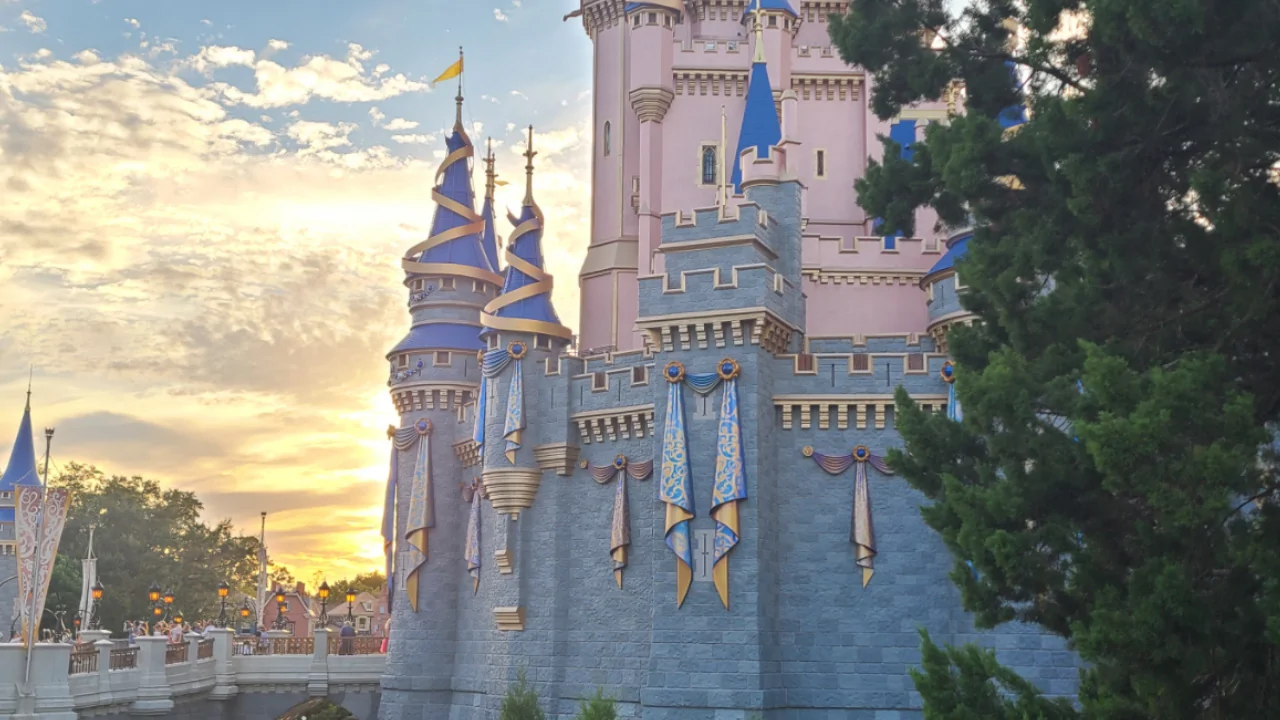
A growing trend sees some homeschooling families using Disney parks—not as occasional field trips but as their primary classroom. This shift brings both potential benefits and significant downsides.
Let’s examine how this affects other paying guests, the parks themselves, and as well as the homeschooled kids. Is this an innovative way to teach children real-life lessons, or does it lack the rigor and down-to-earth approach kids need?

The Train Station at Main Street USA
There are several websites articles, from Disney blogs to the Wall Street Journal, exploring this new educational approach. So what is Disney homeschooling? Many parents, mostly moms, are using the theme parks to teach their children beyond textbooks.
Learning about ecosystems and animals? Take a trek through Animal Kingdom. Learning about other countries? Grab a bite of different cultural cuisine and read the signs at EPCOT’s various world pavilions. Learning how to calculate using basic math? Make a snack budget for the day.
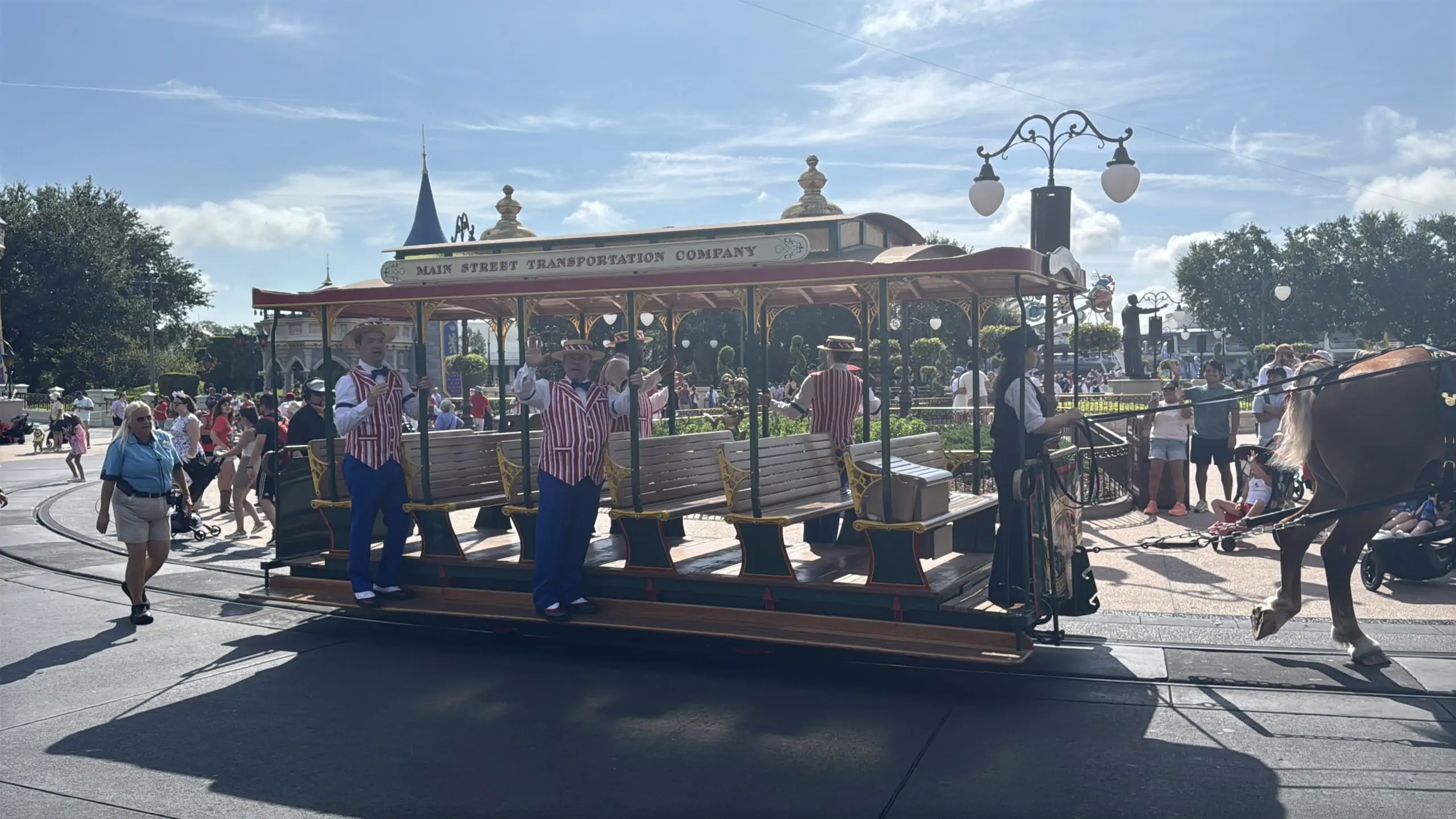
The Dapper Dans on Main Street USA in Walt Disney World – Photo Credit: That Park Place
Sounds almost like a dream. Spending at least one if not every weekday at the Disney parks sounds like an exciting childhood. The homeschooling moms argue that they are intentionally using each day to learn new topics and cover more material. There is even a 2000+ member Facebook group where parents can swap ideas and lesson plans.
Still something feels off about a childhood education centered around an amusement park. Let’s dive in.
The Positives of Disney World Homeschooling
As an educator myself, the idea has several attractive points right away.
Nothing teaches kids as effectively as real life lessons. Kids are naturally curious, and they are more motivated to learn facts and algorithms if they can see the real-life application. Not to mention, the more anyone interacts with a concept, the more likely they are to master it.
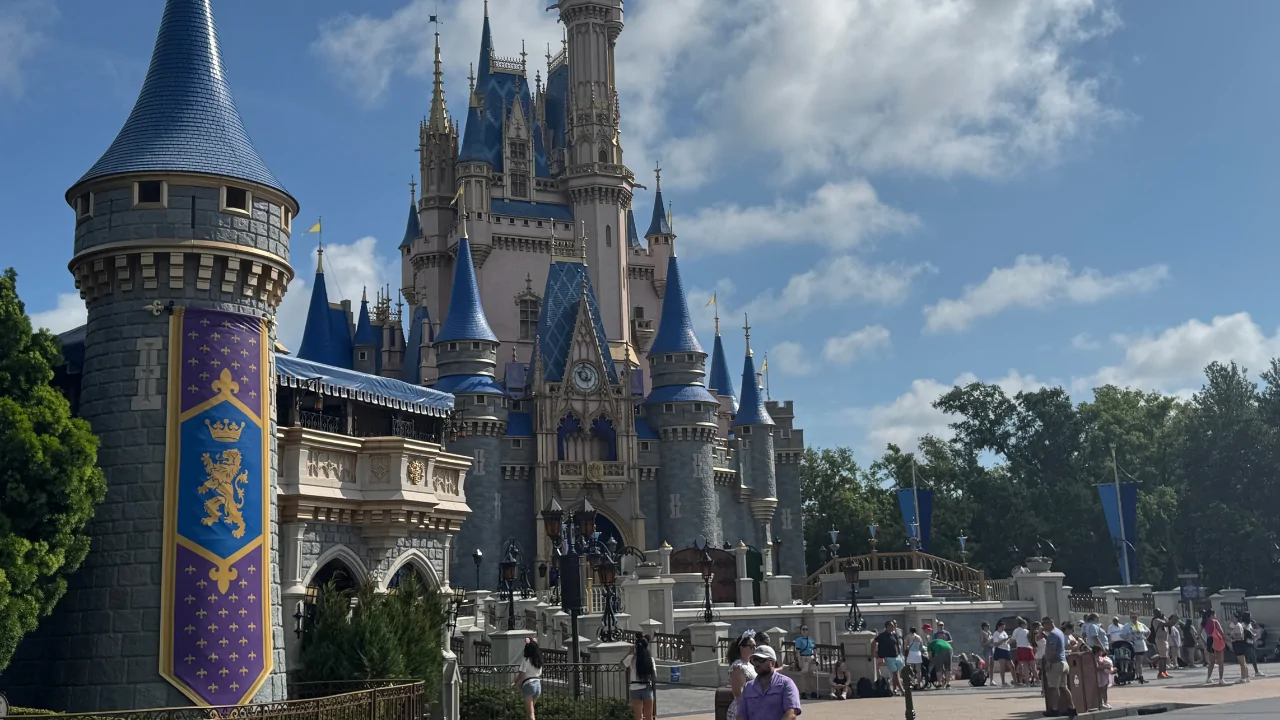
Cinderella Castle in Walt Disney World – Photo Credit: That Park Place
The idea of learning through play is very attractive.
Children are hard-wired to play, and psychological research proves the importance of unstructured play for the developing mind. Parents are recognizing this and how the traditional worksheet-at-a-desk-for-hours-each-day model of education can sometimes rob children of the chance to move, imagine, and create.
The idea of incorporating learning through real-life challenges, exploration, and hands-on experience is crucial to helping children not only learn, but to love the process of learning.
There is truly something innovative about this immersive learning approach.
View this post on Instagram
Additionally, it goes beyond facts and algorithms. Kids get the chance to practice everyday skills like waiting patiently in line, using a map, and sticking to a budget. How many young adults wish their school had spent less time on field-specific facts that are not used by the everyday person after graduation, and more time on everyday skills such as personal finance and social skills?
“They’re learning how to manage emotions, communicate, and problem-solve,” says former teacher and current homeschool mom Haley Sisk. “That’s as important as anything else.”
Agreed.
The Negatives of Disney World Homeschooling
The idea of using the Disney parks as a springboard for curiosity and learning sounds great. The question becomes, is it enough? Science is not limited to the scope of the physics of roller coasters or the habitats of animals. How about the water cycle, genetics, or the human body?
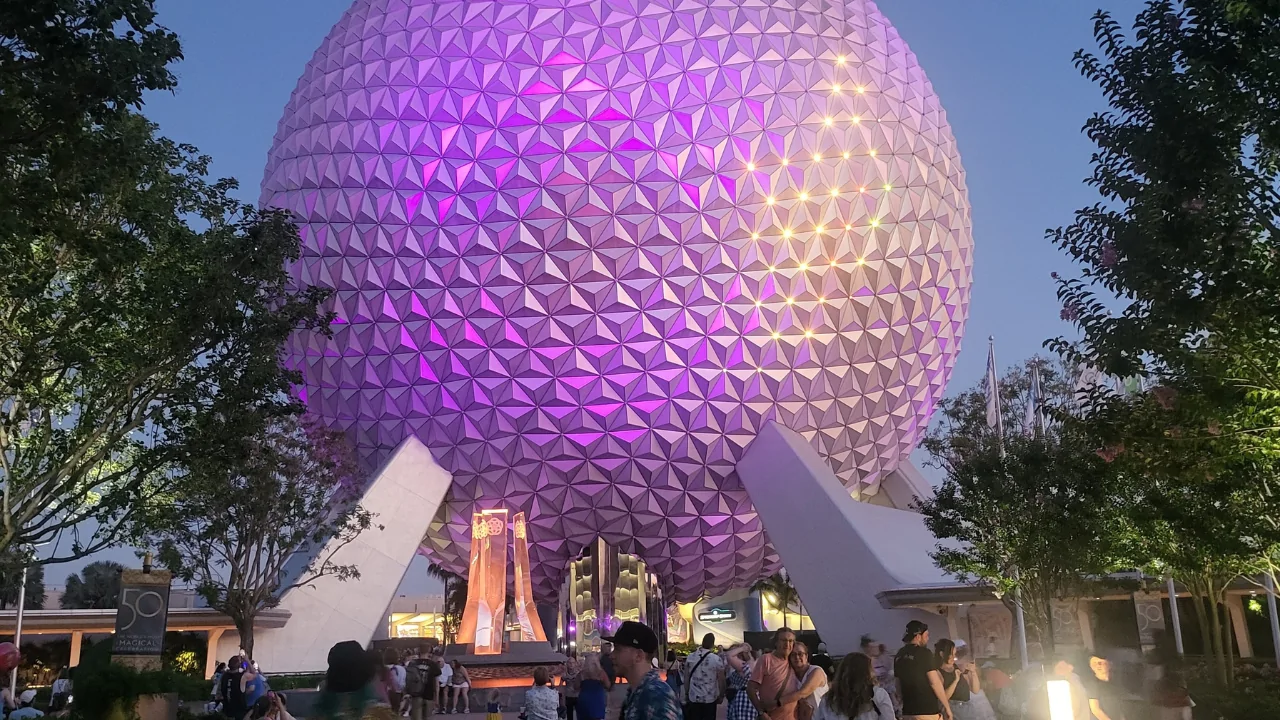
Spaceship Earth in the evening in EPCOT at Walt Disney World – Photo Credit: Marvin Montanaro
Or take social studies. Sure seeing an animatronic Abraham Lincoln can whet the imagination. But what about WW2, the checks and balances of a three-branch government, or the 19th Amendment? I don’t remember seeing that in a Disney catalog.
The point is, Disney can inspire learning, but it does not replace a comprehensive curriculum. It was never designed to cover everything a child would need to learn. Asking it to do so misses the point.

The statue of Walt Disney in Dreamer’s Point in EPCOT at Walt Disney World – Photo Credit: Marvin Montanaro
Not to mention, the Disney parks lack the depth needed for true learning.
Sure, getting sushi and enjoying the zen gardens can give children a taste of Japan, for example. However, cultural learning goes beyond to historical events, value systems, and more. The parks were not developed to train critical thinking, but to amuse and entertain.
Children need more than that. And I think that is where my deepest concern lies.
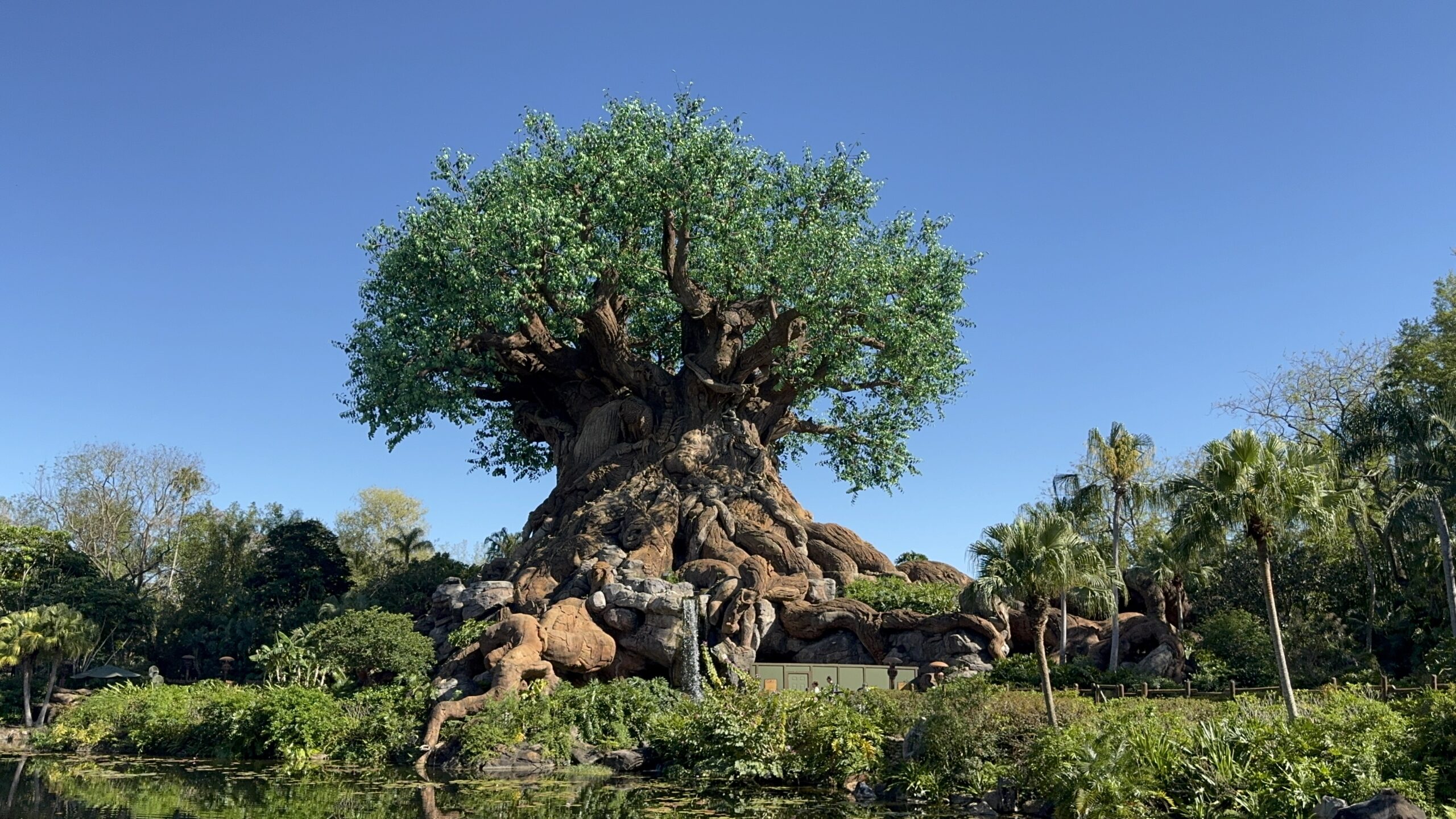
The Tree of Life in Disney’s Animal Kingdom in Walt Disney World – Photo Credit M. Montanaro
Kids are meant to play, but they are not meant to be amused 24/7. No one is.
Any skill or concept takes hard work and diligence. That’s boring at times, but that is just as important a lesson for children.
Kids who are constantly entertained become adults who constantly seek amusement and leisure. Disney homeschooling takes what is meant to be a chance to rest from normal life into everyday life itself. I cannot see how that could be healthy.
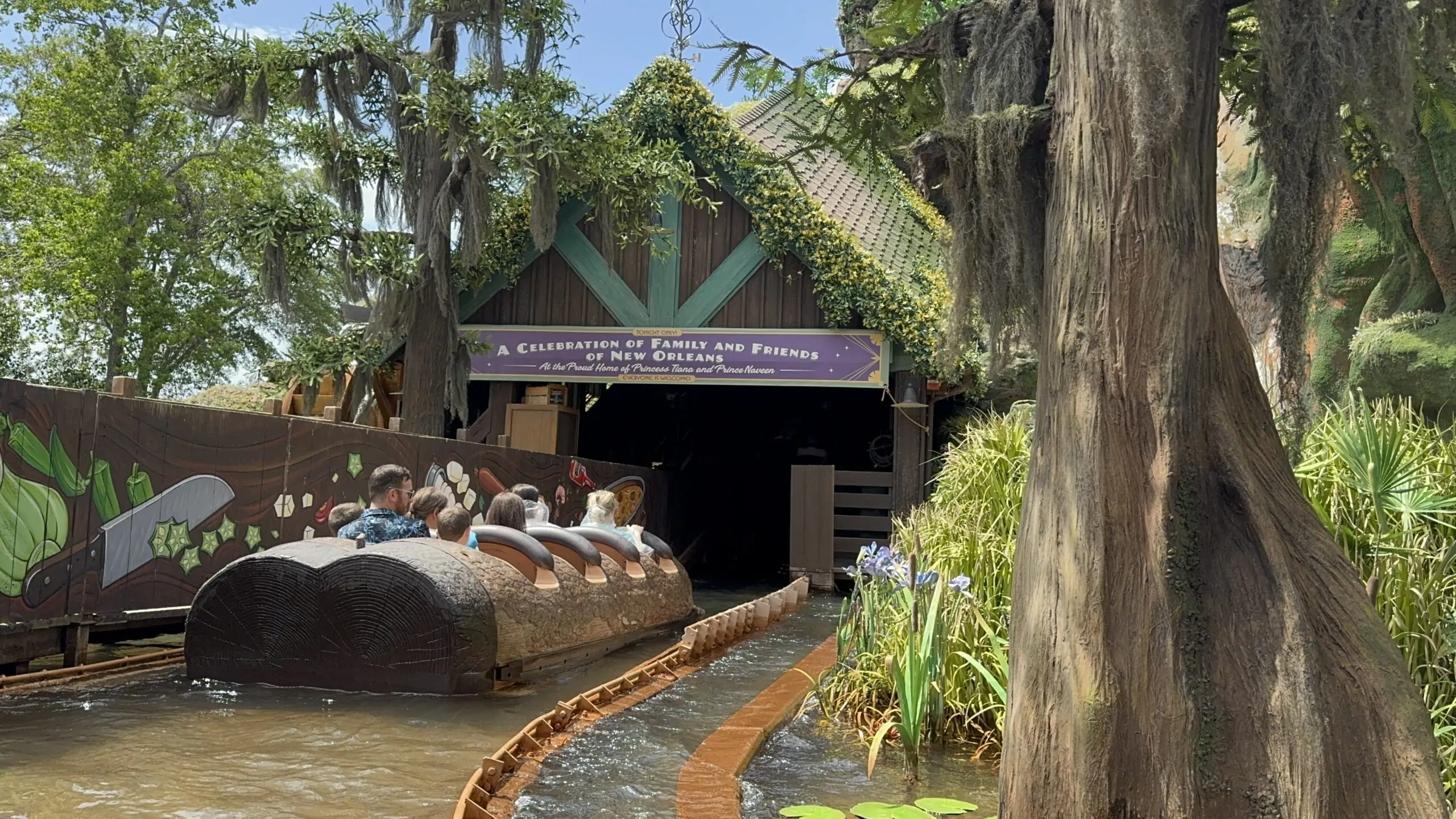
The exterior of Tiana’s Bayou Adventure in Walt Disney World – Photo Credit: M. Montanaro
A steady diet of “follow your dreams” in an environment where some full-time jobs center around making sure you have a good time, does not seem to prepare kids for the reality or responsibility of everyday life.
It feels like a recipe for entitlement or, at the least, a deficiency in the joy of hard work and helping others.
Speaking of others…
How Does it Affect the Parks and Other Guests
For the parks, this could mean another steady source of revenue during an unusually slow vacation season. Families spend an estimated $3,000-$5,000 per year, which they argue is less than a private school education.
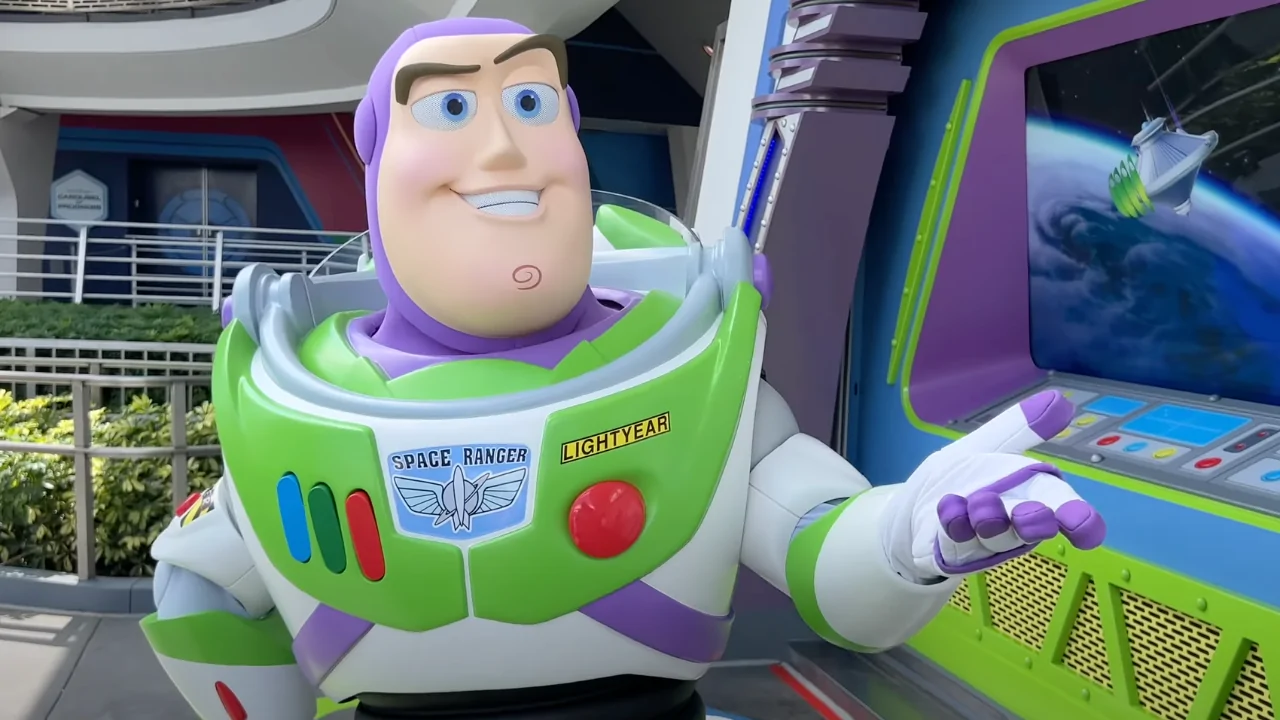
Buzz Lightyear Meet and Greet at Walt Disney World – YouTube, Mousesteps
With crowds lower than usual, the parks may have the space for some families to show up weekly. For the families that do not pack their own lunch and snack, that can add up quickly.
On the other hand, guests expecting a standard theme‑park experience may view classroom activities in ride queues, public plazas, or shaded gathering spots as intrusive or inconsiderate.

Cinderella Castle in Walt Disney World at Magic Kingdom during a clear Orlando day – Photo Credit: M. Montanaro
Use of space meant for circulation or rest becomes extended seating, limiting access for others. This could be disruptive to the family who only comes to Disney once a year or less, and who is trying to cram as much into their pay-per-day vacation.
Homeschool‑as‑daily‑school could skew the park’s function away from universal accessibility.
Overview
The idea of turning the world into one’s classroom is not new. It truly has positive benefits for kids to immerse themselves into everyday situations to learn and grow.
My question is, does Disney World actually prepare kids for the world outside the House of Mouse’s shiny gates? I don’t think so.
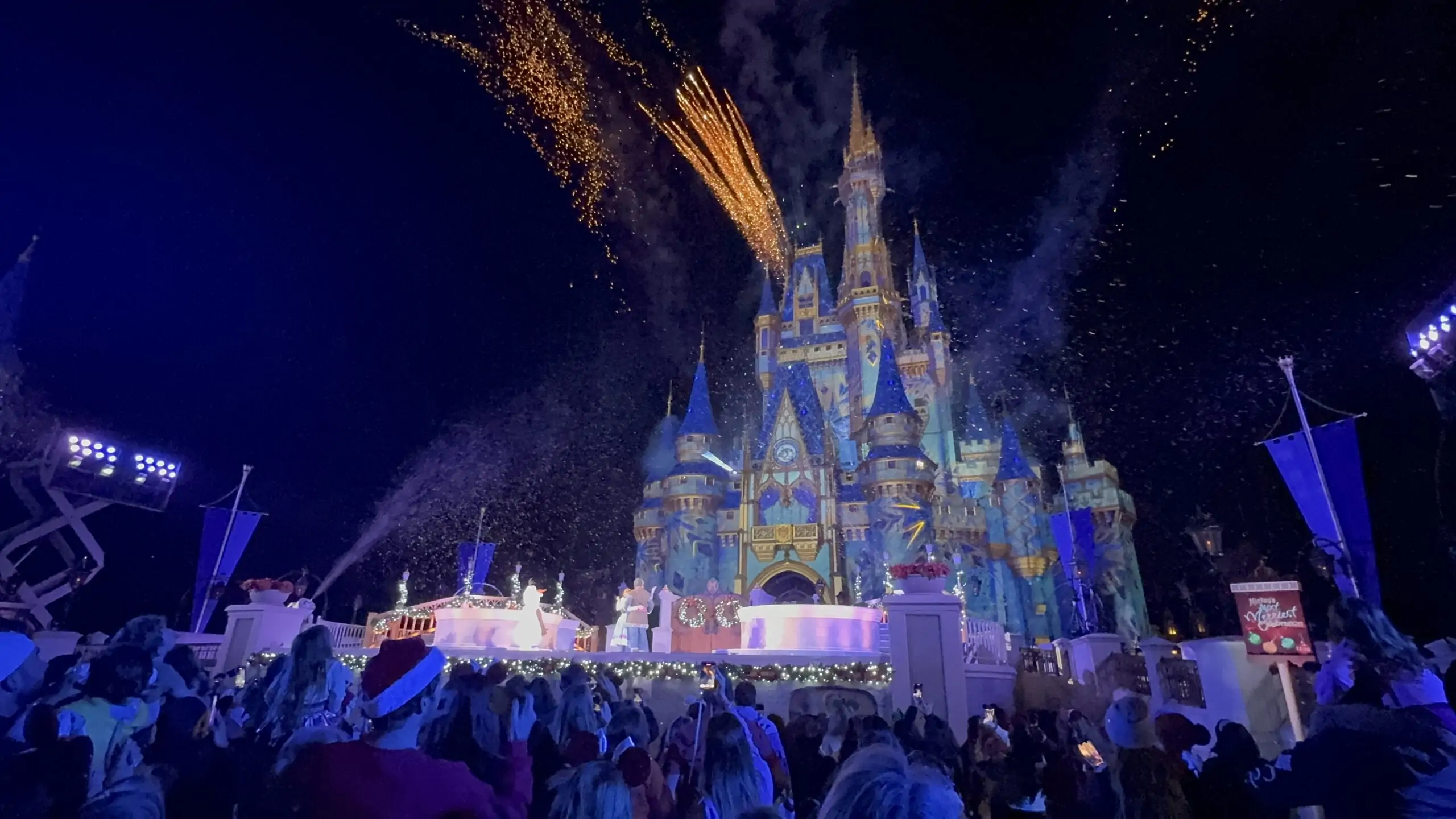
Cinderella Castle at Walt Disney World During a Stage and Fireworks Show – Photo Credit: M. Montanaro
Walt created the parks for families to amuse themselves and take a day to play together. That’s important. So is the monotonous lesson of hard work or the academic rigor of a structured curriculum.
Is it as exhilarating? Probably not. But I hope my kid is able to push past a life of instant-dopamine rushes to a life of steady meaning, purpose, and responsibility.
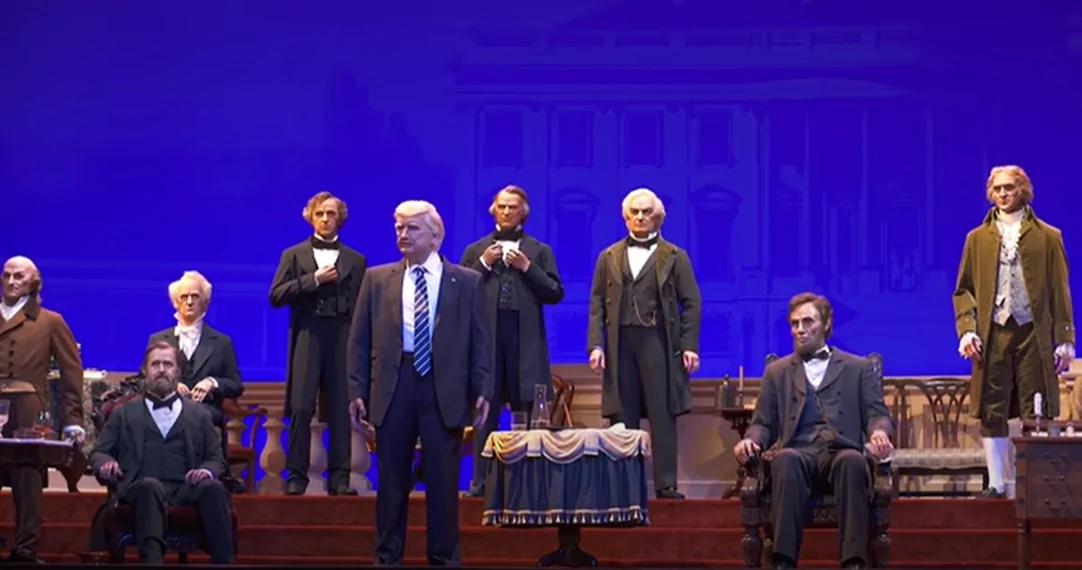
The Hall of Presidents in Magic Kingdom at Walt Disney World via wdwmagic YouTube
It’s a little boring sometimes, but almost anything with much depth has its less exciting moments. Yet there is still something magical about the steady rhythm of everyday life.
The people we love, the nature that surrounds us, the little joys that bring delight to our day. I hope to teach my kid to look for that kind of magic, amusement park or not.
What do you think of Disney homeschooling? Is it missing the point of how to teach kids real-life lessons? Maybe I’m wrong and it really is a creative approach to hands-on learning? Let me know in the comments!
UP NEXT: The Oscars Could Go Global on Disney+ Streaming Despite Declining Relevance and Box Office Woes
