


In a recent article by Variety, the publication noted that Disney’s impending merger of Hulu into Disney+ by 2026 is being positioned as a potential game-changer for the Academy Awards, promising to extend the Oscars’ reach to international audiences through enhanced streaming capabilities.
Disney’s 2026 plan to fold Hulu into Disney+ isn’t just about streamlining platforms — it could reshape how the Oscars are broadcast in the streaming era.
With the Academy’s ABC deal ending in 2028, Disney’s combined platform gives the Oscars global reach, while the awards give… pic.twitter.com/8NzA9k7cSS
— Variety (@Variety) August 8, 2025
READ: Universal Scores Major Talent From Disney as Former Imagineer Becomes Creative Director
With the current broadcasting deal between ABC and the Academy set to expire in 2028, proponents argue this could inject new life into the ceremony by tapping into global viewers.
But let’s be realistic: if Americans are increasingly tuning out from Hollywood’s premier night of self-congratulation, what makes anyone think the rest of the world will suddenly care?
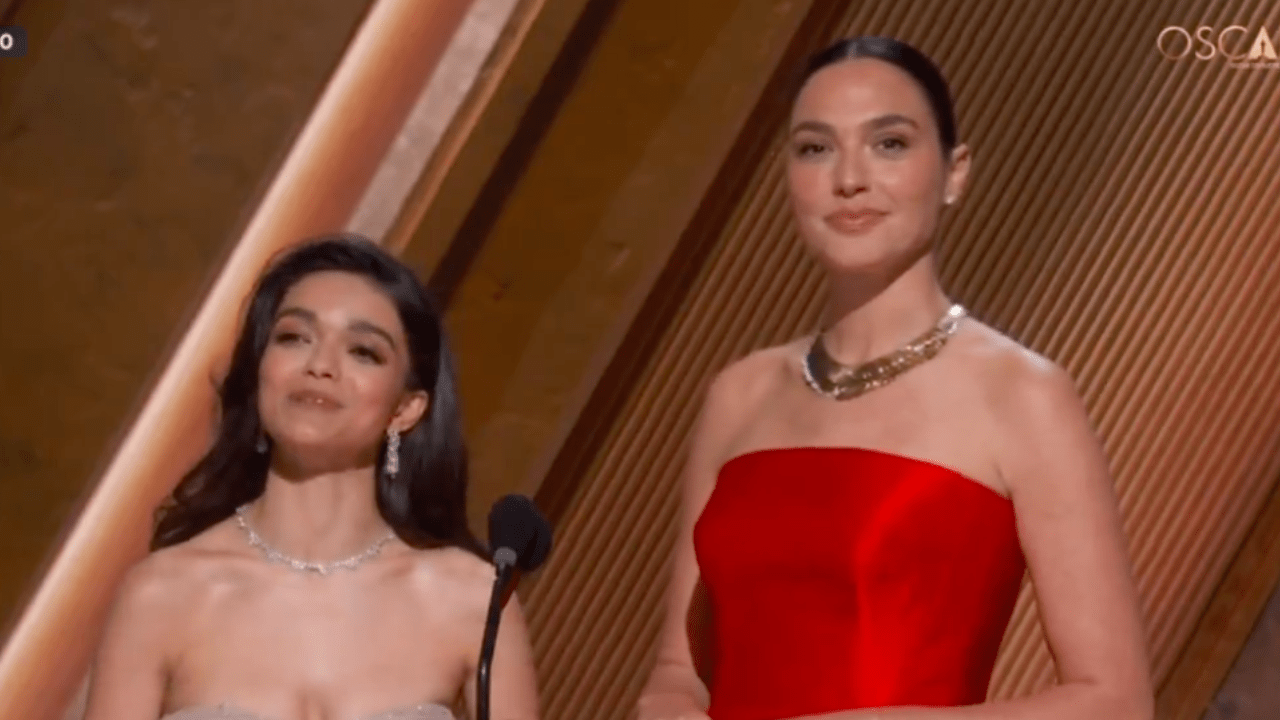
Gal Gadot and Rachel Zegler present together at the Oscars – X, @priceoreason
The Oscars have long been criticized as an insular event, heavy on celebrity back-patting and light on broad appeal, even through streaming. Now, with U.S. viewership stuck in a rut and international box office figures showing signs of fatigue with Hollywood abroad, the idea of a worldwide audience flocking to watch stars lecture from the podium seems more like wishful thinking than a viable strategy.
Fading Interest in U.S.: A Warning Sign for Global Appeal
Domestic viewership for the Oscars provides a stark indicator of the event’s waning cultural pull.
In 2025, the ceremony drew approximately 19.7 million U.S. viewers, a marginal uptick from 19.5 million the previous year. While some outlets hailed this as a “five-year high,” it pales in comparison to historical peaks—such as the 34.4 million who tuned in back in 2016 or the whopping 55 million in 1998.
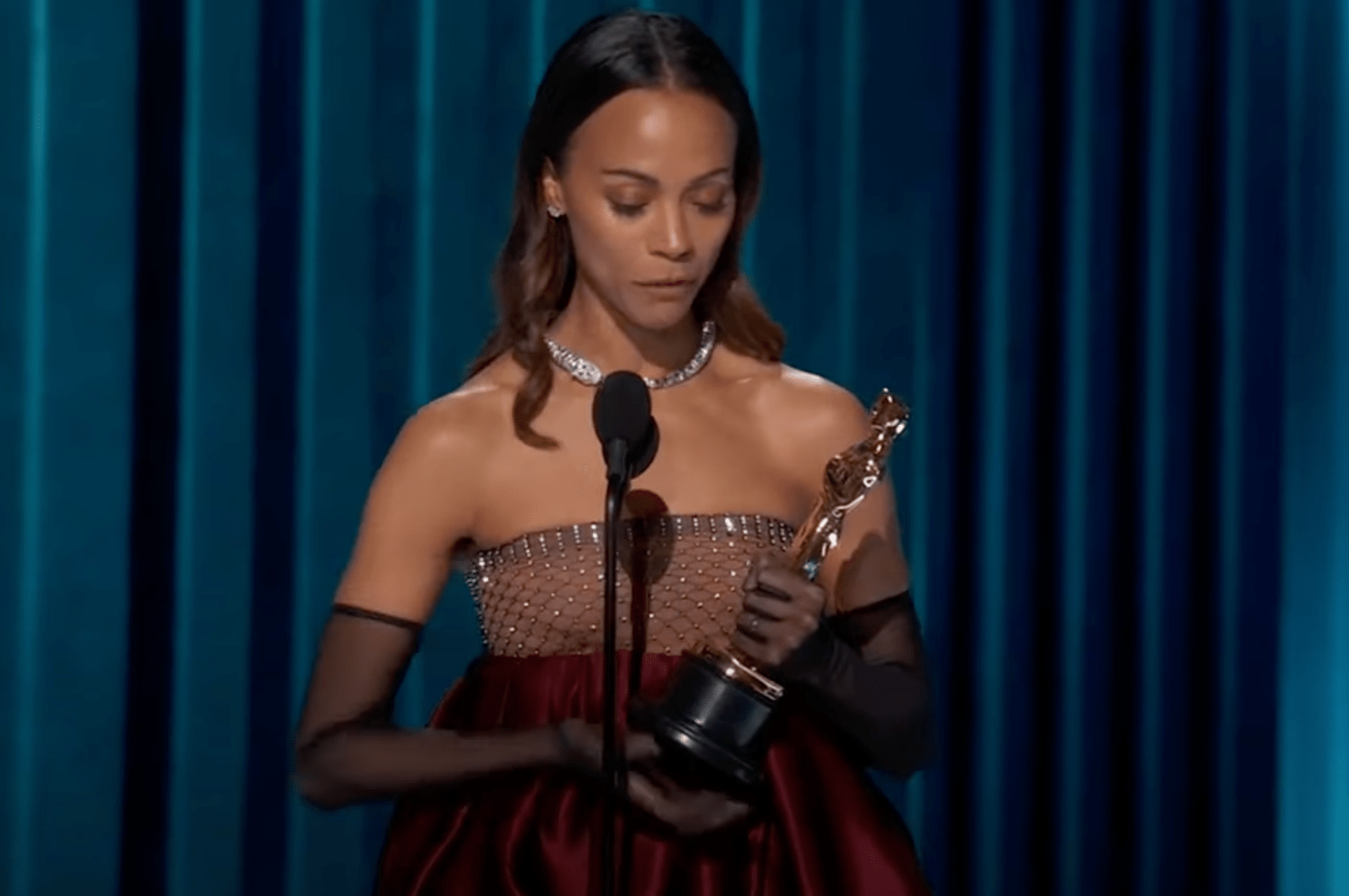
Zoe Saldana accepts the Oscar for Best Supporting Actress – YouTube, ABC News
READ: Gina Carano Breaks Silence on Disney Lawsuit Settlement With Emotional Statement
This isn’t a rebound; it’s a plateau at rock bottom after years of steady decline.
Experts attribute this drop to several factors, including audience fragmentation in the streaming era and a general apathy toward the nominated films, many of which are arthouse darlings rather than blockbuster crowd-pleasers.
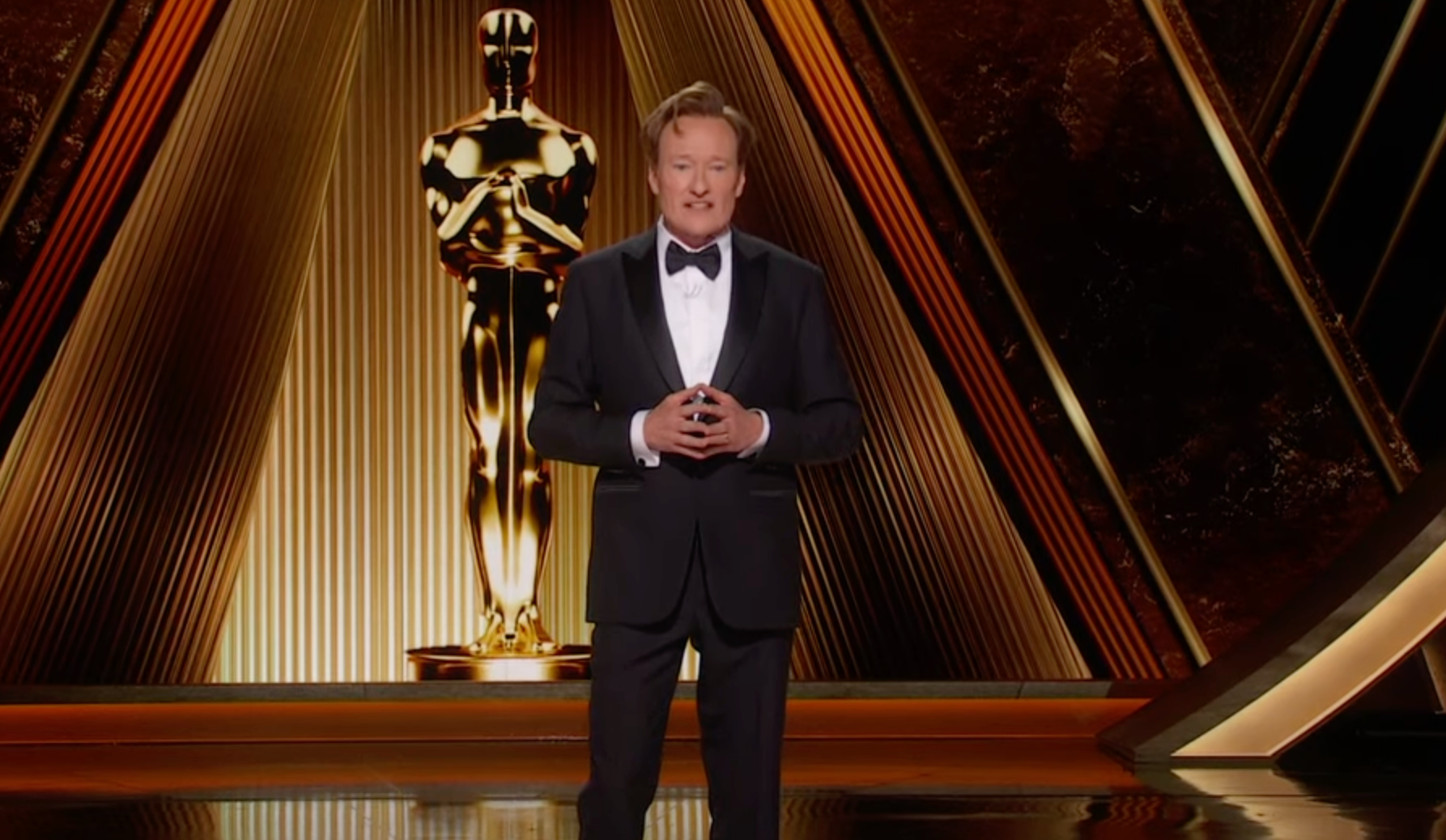
Conan O’Brien hosts The Oscars – YouTube, ABC
If the Oscars can’t hold the attention of their core American audience—who have easy access via traditional broadcast—how can they expect to captivate viewers in markets where Hollywood’s influence is even more diluted?
Slipping International Box Office: Hollywood’s Global Grip Loosens
Proponents of the Oscars’ streaming expansion point to Disney’s worldwide platform as a way to boost visibility. Yet, this optimism ignores the broader trend of declining international box office revenue, which demonstrates Hollywood’s eroding appeal abroad.

The cast of Fantastic Four: First Steps – YouTube, Marvel Entertainment
In 2024, global ticket sales plummeted by double digits, driven by sharp drops in key markets like China and Japan. Early 2025 figures are even more grim: U.S. and Canadian grosses were down 7% year-over-year as of late March, signaling a “terrible start” to the year.
Analysts predict that the global box office won’t recover to pre-lockdown levels until at least 2029, if ever. Factors like economic pressures, the rise of home entertainment options, and competition from regional film industries are siphoning away audiences.

Superman fighting the Hammer of Baravia in the trailer for James Gunn’s Superman – YouTube, DC
For instance, China’s market, once a boon for Hollywood blockbusters, has contracted significantly, favoring domestic productions over American imports.
If international moviegoers are buying fewer tickets to Hollywood films, it’s a stretch to assume they’ll stream the Oscars—a three-plus-hour spectacle celebrating those very films. The ceremony’s global reach via Disney+ might sound innovative, but without underlying interest in the content, it’s just another ignored tile in a crowded app.
Self-Aggrandizing Spectacle and Political Posturing: Turn-Offs for a Worldwide Audience
Beyond numbers, the Oscars’ content itself is a major deterrent.
The event has devolved into what many see as an evening of elite self-aggrandizement, where multimillionaire celebrities pat each other on the back while the world watches—or doesn’t. Add in frequent political posturing, and it becomes even less palatable for diverse global viewers who may not align with Hollywood’s often one-sided takes.
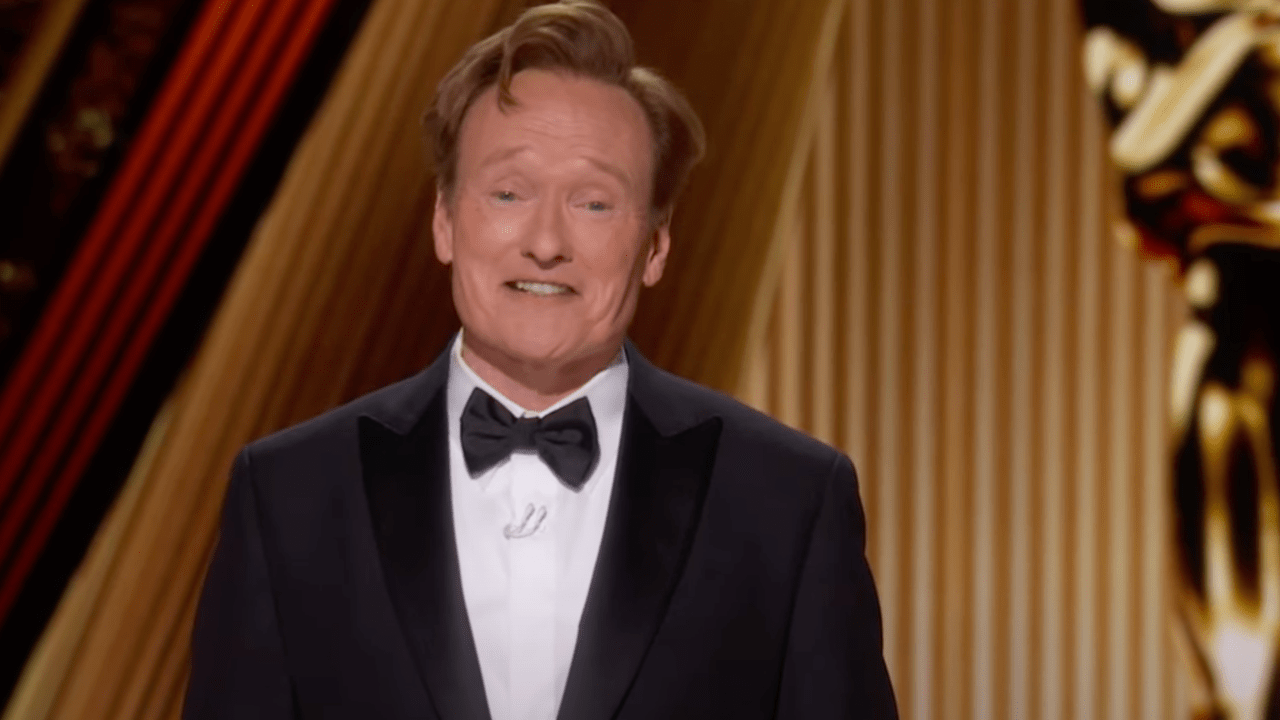
Conan O’Brien hosting the Oscars – YouTube, ABC
READ: Trump Executive Order Could End Mastercard and Visa Gaming Censorship
Historical examples abound: Marlon Brando’s 1973 refusal to accept his award in protest of Native American treatment, Patricia Arquette’s 2015 call for equal pay, and more recently, Jonathan Glazer’s controversial speech at the 2024 Oscars.
Jonathan Glazer’s acceptance speech for Best International Film for ‘THE ZONE OF INTEREST’ at the #Oscars pic.twitter.com/XNsMv0HDib
— Film Updates (@FilmUpdates) March 11, 2024
In 2025, statements on issues like the Middle Eastern conflict and democracy continued the tradition, alienating segments of the audience who tune in for escapism, not lectures.
These moments often come across as performative to critics, further eroding viewership. International audiences, with their own cultural and political contexts, might find such displays irrelevant or even off-putting.
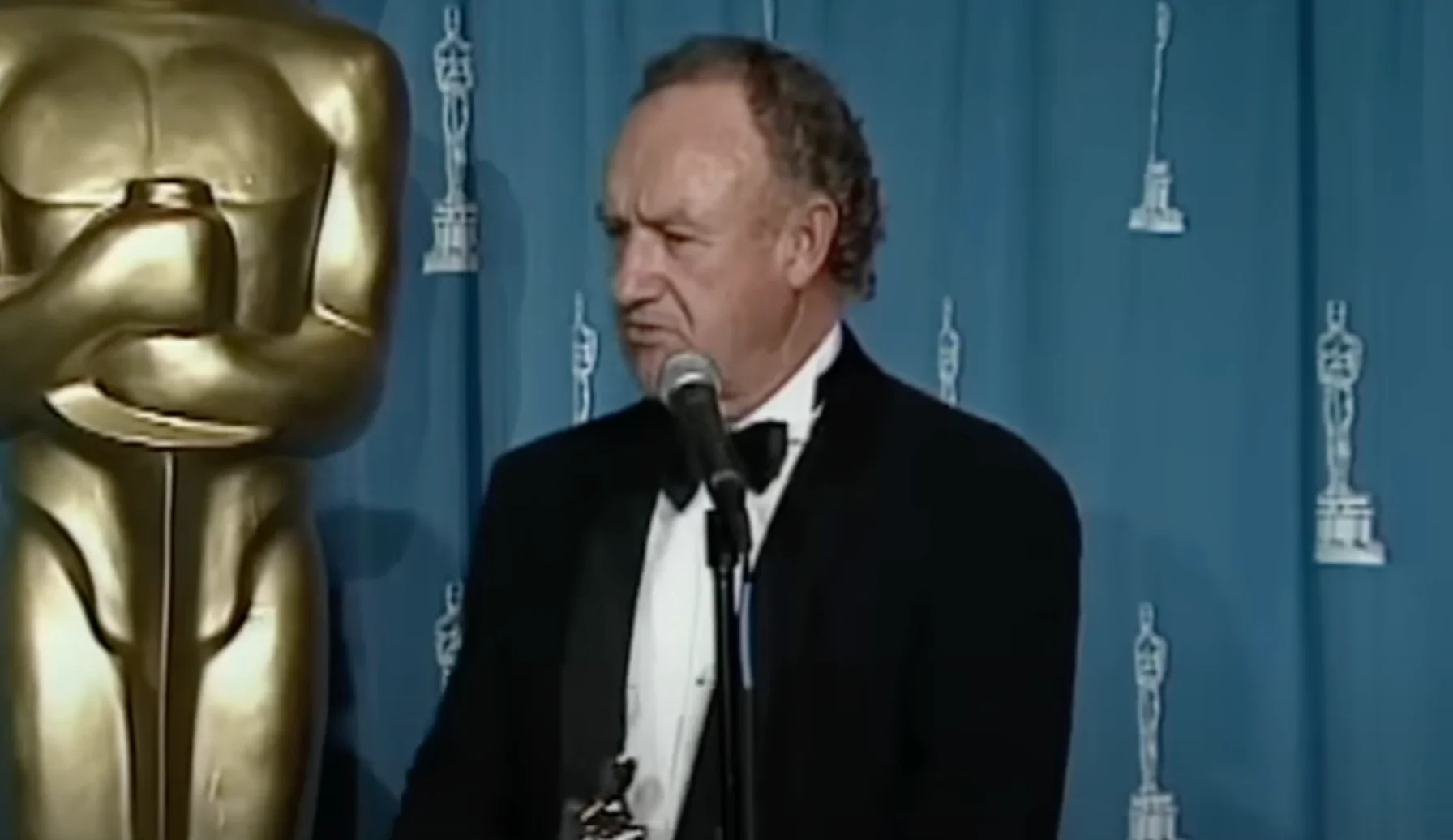
Gene Hackman at the Oscars – YouTube, Fox News
Why stream an American awards show laced with U.S.-centric politics when local alternatives offer more relatable content?
Conclusion: Time for the Academy to Rethink, Not Expand
Variety’s enthusiasm for a Disney-fueled global Oscars overlooks these harsh realities.
With U.S. interest at historic lows, international box office in decline, and the ceremony’s tone alienating potential viewers, banking on streaming to save the day feels misguided.
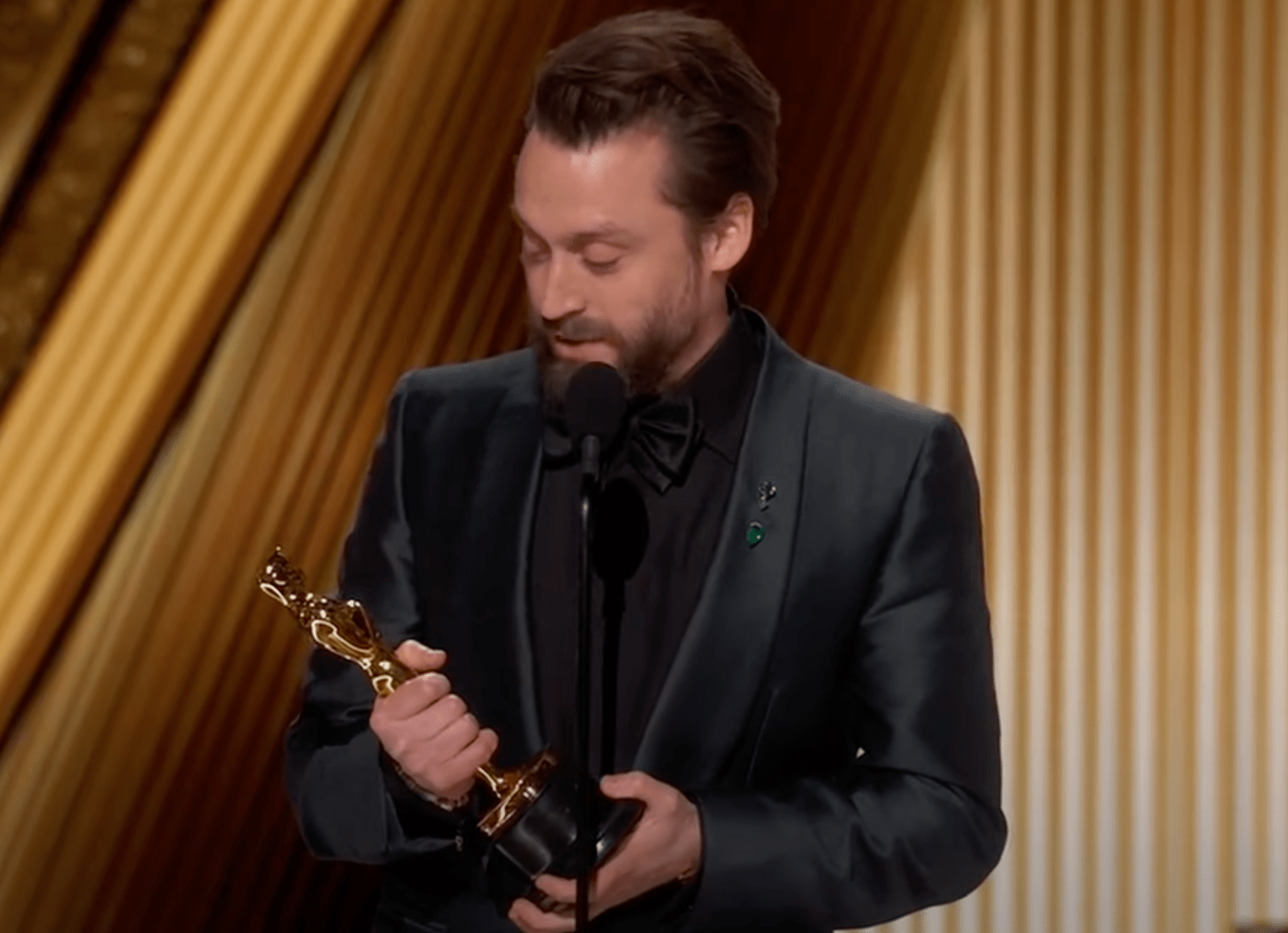
Kieran Culkin in his Oscars acceptance speech – YouTube, ABC News
Instead of chasing illusory global dominance, the Academy might fare better by refocusing on making the event more accessible, less preachy, and tied to films that actually resonate worldwide.
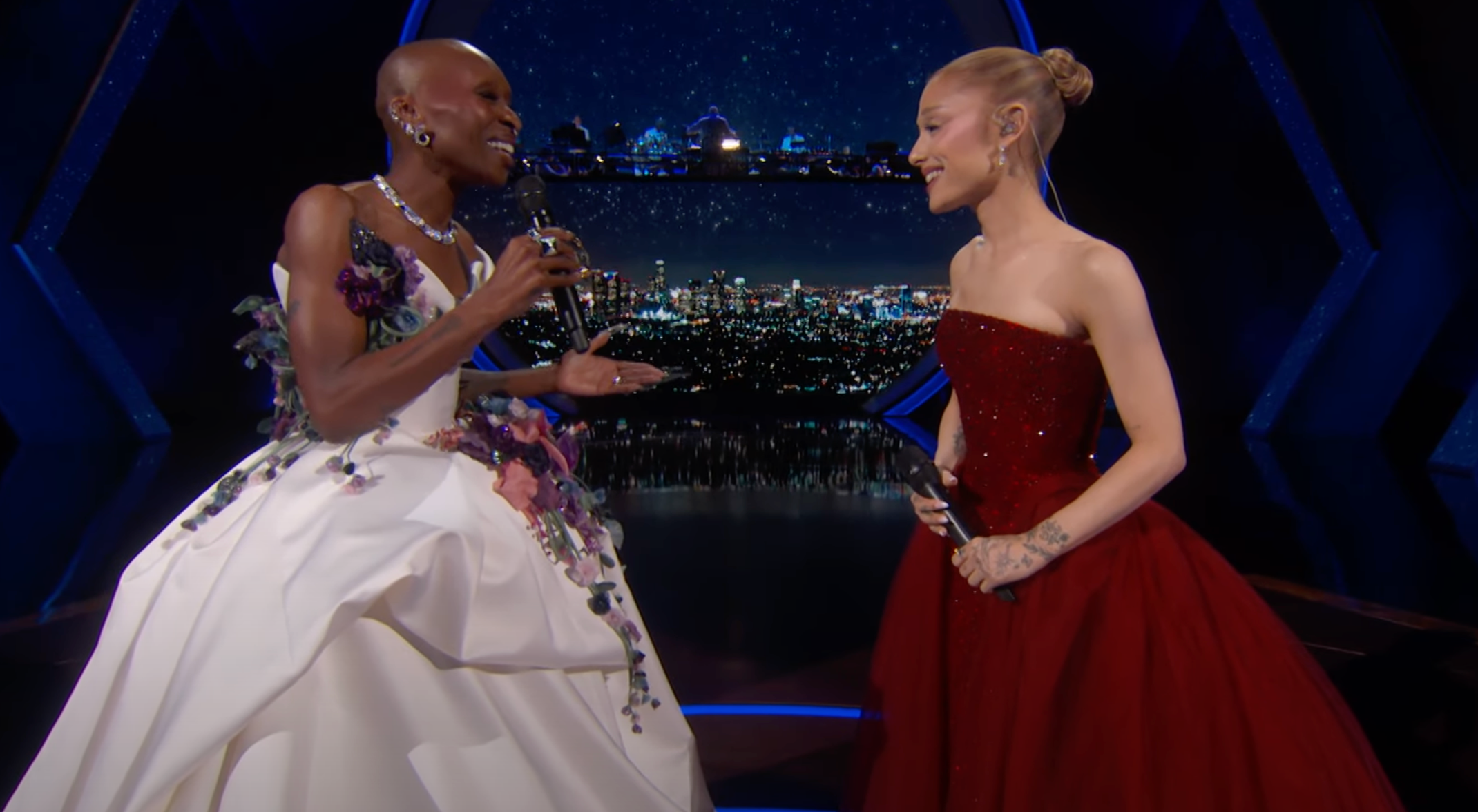
Cynthia Erivo and Ariana Grande sing at the Oscars – YouTube, Oscars
Until then, the Oscars risk remaining a niche affair for Hollywood insiders—streamed or not. The world has moved on; perhaps it’s time the Academy does too.
How do you think about the Oscars streaming on a global level? Sound off in the comments and let us know!
UP NEXT: Superman Actor Dean Cain Announces Intention to Join ICE Amid Backlash from Hollywood ‘Peers’
