


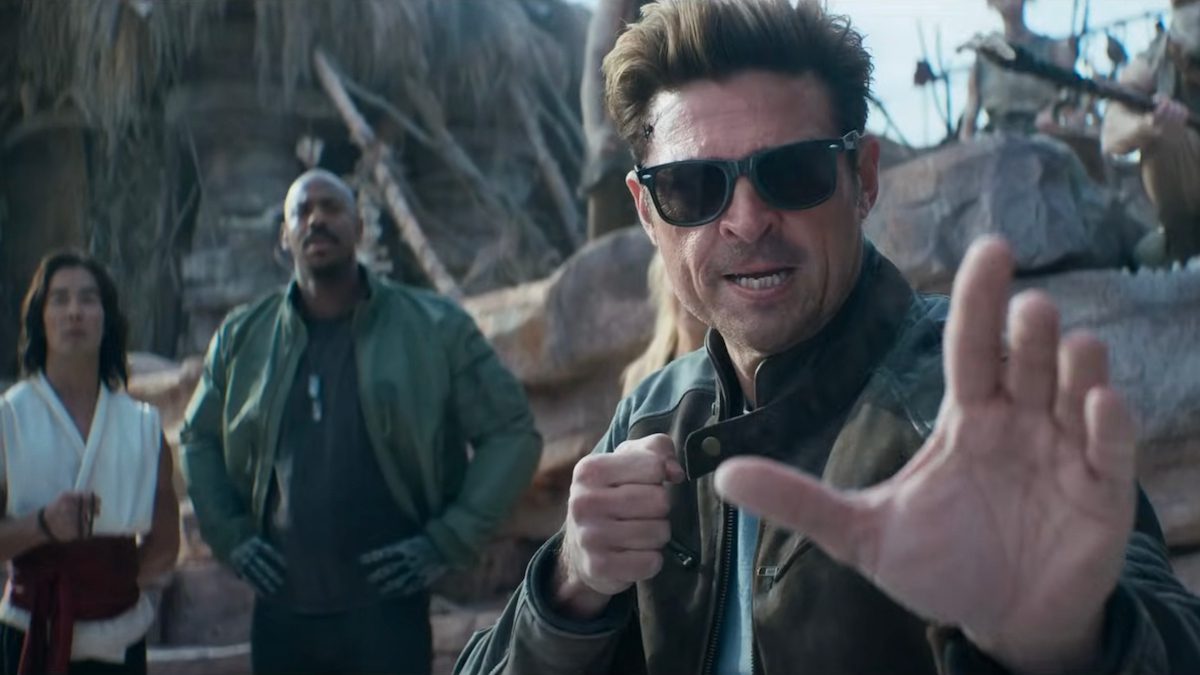
There are certain movies you watch because you are excited to experience them. Then there are movies you watch because your body has declared war on your immune system and you need something simple enough for your cold-medicated brain to process without emotional commitment. That was me walking in to review Mortal Kombat II.
Armed with cough drops, enough cold medicine to tranquilize a horse, and the lingering social distancing instincts left over from 2020, I settled into the theater hoping for one thing: dumb fun. I was not expecting prestige filmmaking or emotional depth. I simply wanted people throwing each other through walls while someone yelled “Finish Him,” which honestly should not be difficult for a Mortal Kombat movie to accomplish.
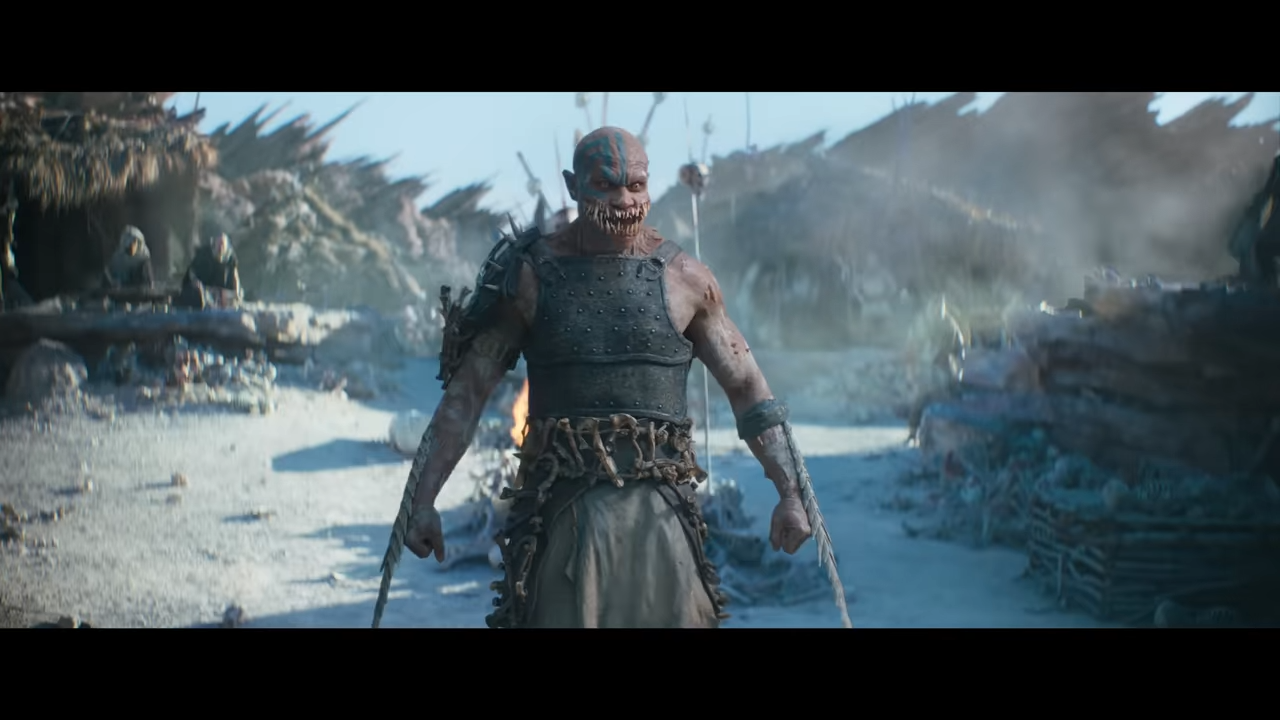
Screenshot from Mortal Kombat II – Mortal Kombat, YouTube
What made the experience stranger was realizing midway through the film that I had apparently seen the 2021 Mortal Kombat movie with my husband and completely forgotten about it. The memory did not even return until Scorpion showed up and we got the flashback explaining how his family died. Suddenly, my brain unlocked the memory like Sherlock Holmes rediscovering a file he once deemed unimportant. I remembered enjoying parts of the first movie, especially the fight scenes, but the fact I forgot I had watched the entire thing probably says more about the franchise’s staying power than I intended.
That same feeling carried over into Mortal Kombat II, another movie that somehow manages to feel both overstuffed and forgettable at the same time.
Mortal Kombat Still Carries Nostalgia Weight
I have a soft spot for Mortal Kombat. Growing up, it was one of those games I played constantly with my father in arcades. Scorpion felt like the coolest thing ever created to my younger self. The spear attacks, the fatalities, the over-the-top violence, and the ridiculous energy of the world all felt larger than life.
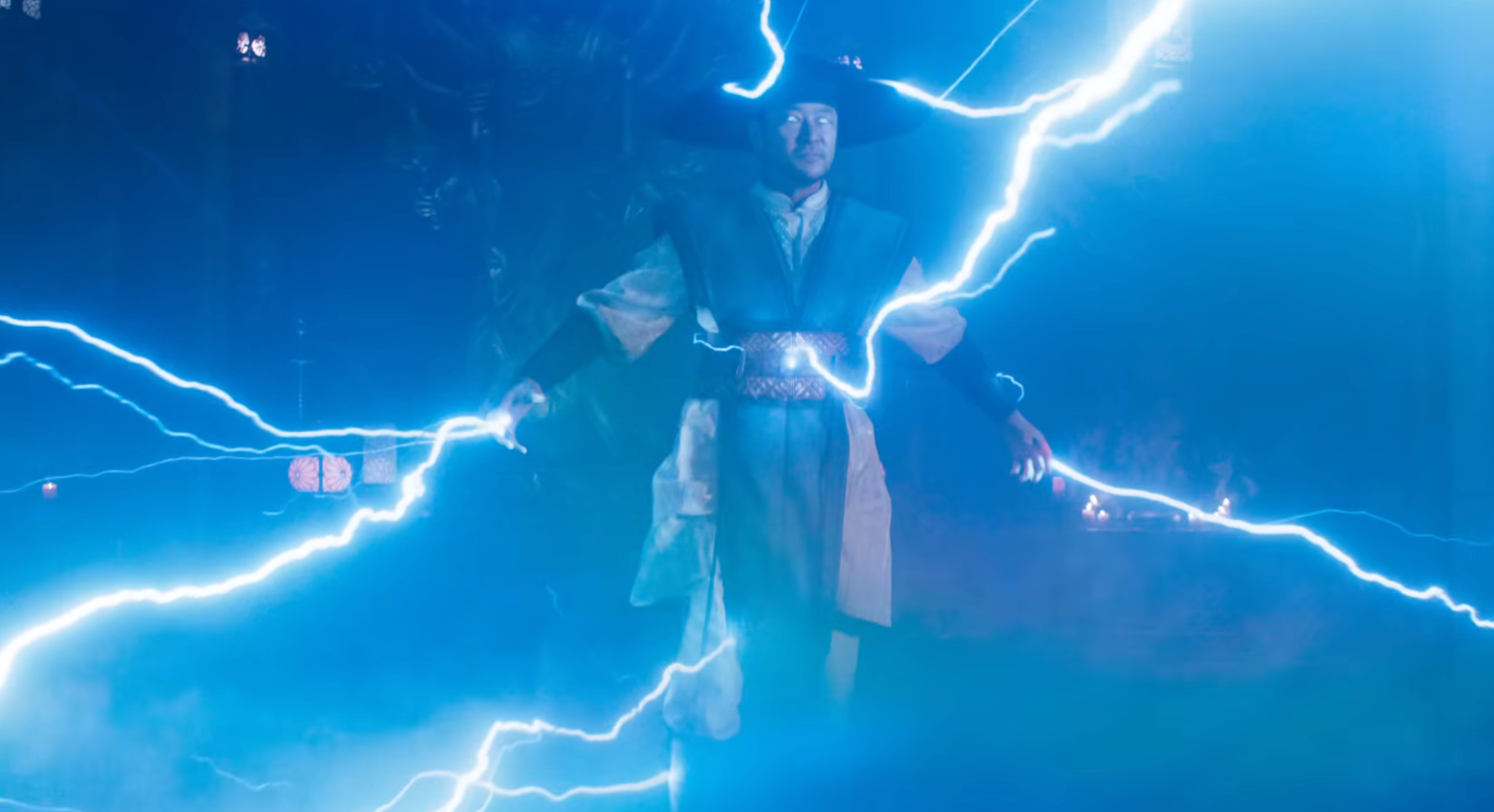
Raiden in Mortal Kombat II – YouTube, Warner Bros.
Back then, your imagination did half the work for the franchise. Every fight felt dramatic because your brain filled in the mythology while you smashed combo buttons hard enough to develop early wrist problems. That nostalgia buys these films a surprising amount of goodwill from me because video game adaptations always have to fight an uphill battle. They can never fully compete with the version fans created in their heads while growing up.
Once producers, writers, directors, actors, and studio executives all get involved, lore inevitably becomes a little loosey-goosey. I can forgive a lot if the adaptation captures the spirit of the property. Unfortunately, Mortal Kombat II only manages to do that in flashes.
The Fight Scenes Are the Movie’s Biggest Weakness
The most baffling issue with Mortal Kombat II is the combat (or kombat?) itself. For a franchise built entirely around fighting, the choreography in this film is wildly inconsistent. Some moments genuinely work and have impact, speed, and personality behind them. Then there are scenes where the action feels awkward enough that I started wondering whether actors learned the choreography 20 minutes before the cameras rolled.
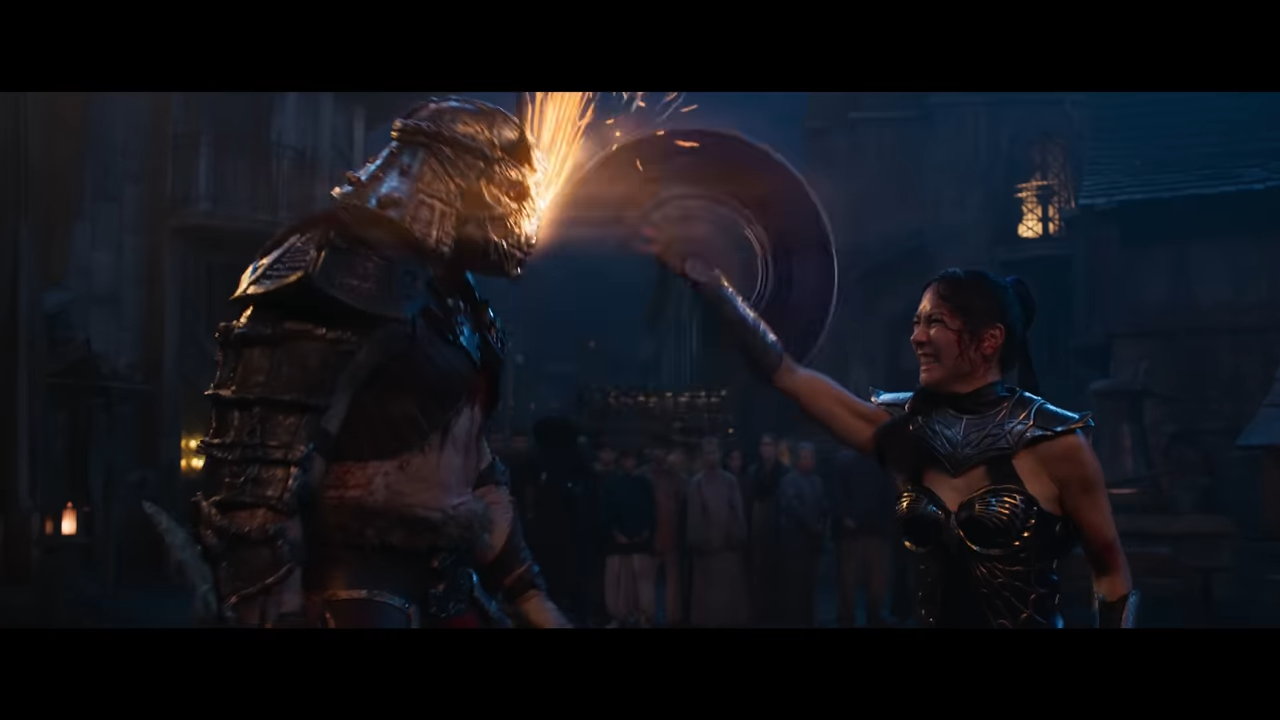
Screenshot from the Mortal Kombat II trailer – Mortal Kombat, YouTube
The entire thing reminded me of the Netflix Iron Fist problem where combat sequences felt rushed and unfinished. That becomes a massive issue for a property like Mortal Kombat because combat is not just spectacle within this franchise. Combat is character. The way fighters move should tell you who they are. Scorpion should feel vicious. Johnny Cage should feel flashy and arrogant. Kitana should feel elegant and precise.
Instead, many of the fights feel clumsy, over-edited, or oddly weightless. At several points, I found myself wishing somebody had called Donnie Yen for advice because this movie desperately needed someone who understands how action choreography communicates personality and emotion. Good fight scenes are storytelling, and too often Mortal Kombat II forgets that entirely.
Johnny Cage Feels Trapped Between Multiple Versions of Himself
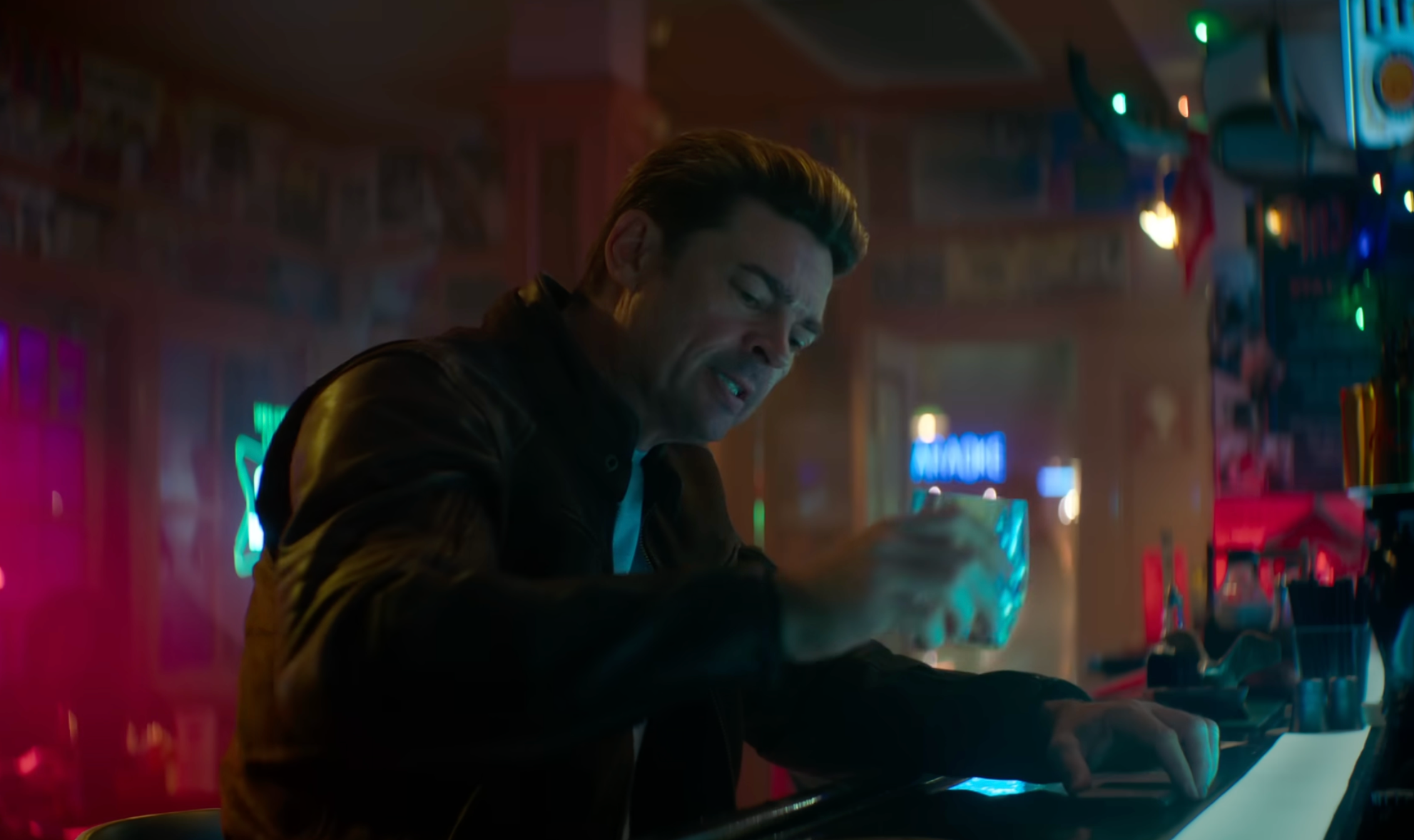
I also had mixed feelings about Johnny Cage, which surprised me because I am generally a fan of Karl Urban (*fans self*). He is usually an actor who fully commits to material even when the material itself gets ridiculous. There is normally a consistency to his performances that helps stabilize chaotic films.
Johnny Cage in Mortal Kombat II – YouTube, Warner Bros.
That consistency feels missing here. Johnny Cage comes across like a character trapped between multiple creative directions. Sometimes he is washed-up comic relief. Sometimes he is self-aware satire. Other times the movie wants him to be emotionally sincere. None of those approaches fully connect together, and the performance ends up feeling uneven because of it.
I am also not convinced the “washed-up actor” angle was the best direction for the character. The 1995 Mortal Kombat adaptation understood Johnny Cage far better because it balanced arrogance, charm, and genuine competence in a way this version never quite achieves. He provided a great talking head to help the audience understand what was going on.
Kitana and the Modern Audience Fatigue Around “Girl Boss” Writing
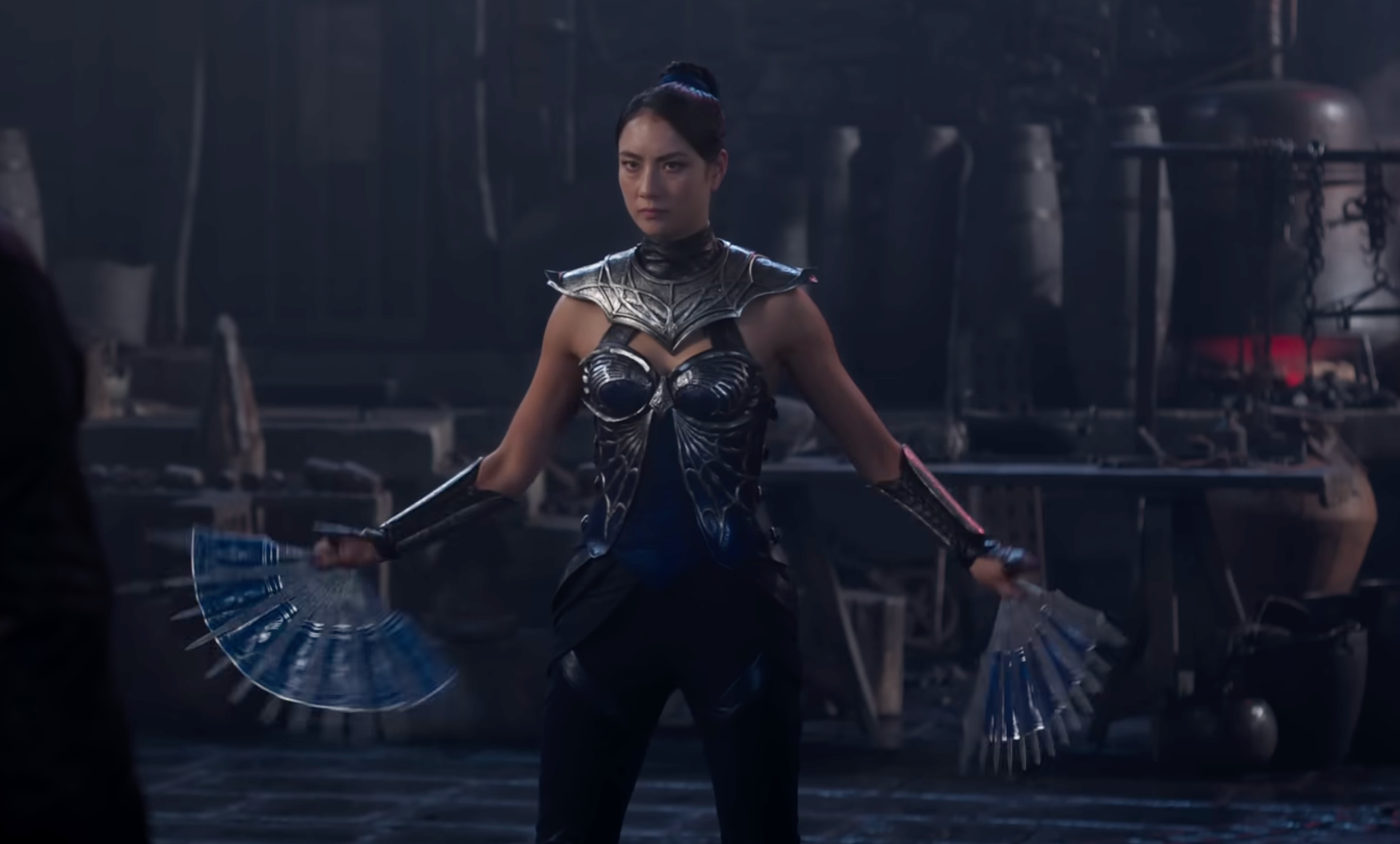
My thoughts on Kitana are complicated because the issue is not necessarily the character herself. The larger problem is audience fatigue with modern “girl boss” archetypes. Hollywood often mistakes power for personality, and when that happens viewers stop seeing actual characters and start seeing corporate writing trends instead.
Kitana occasionally falls into that trap. To the movie’s credit, it clearly tries to balance those dynamics through Johnny Cage and other characters, but every time Kitana became the central focus my attention started drifting. That is not because powerful female characters are inherently bad. Mortal Kombat has always had iconic women. The problem is that modern writing sometimes struggles to make strength feel human rather than performative.
Kitana in Mortal Kombat II – YouTube, Warner Bros.
The older games understood something important about characters like Kitana, Sonya, and Jade. They were dangerous, stylish, confident, memorable, and larger than life all at once. Modern adaptations often sand those edges down in pursuit of seriousness, and in doing so they lose some of the energy that made those characters iconic in the first place.
Part of the issue also comes down to the writing itself. A lot of Kitana’s dialogue feels oddly stiff or over-processed, like scenes were rewritten multiple times by different people trying to figure out what version of the character they wanted her to be. There are moments where you can see a better arc hiding underneath the film, which honestly makes me suspect there is probably a stronger director’s cut somewhere that would flesh her story out considerably more. Several scenes involving Kitana feel like they were trimmed down for pacing, and the unevenness hurts her more than some of the other characters because the movie clearly wants her emotional arc to matter.
Jade’s Design Choices Left Me Confused
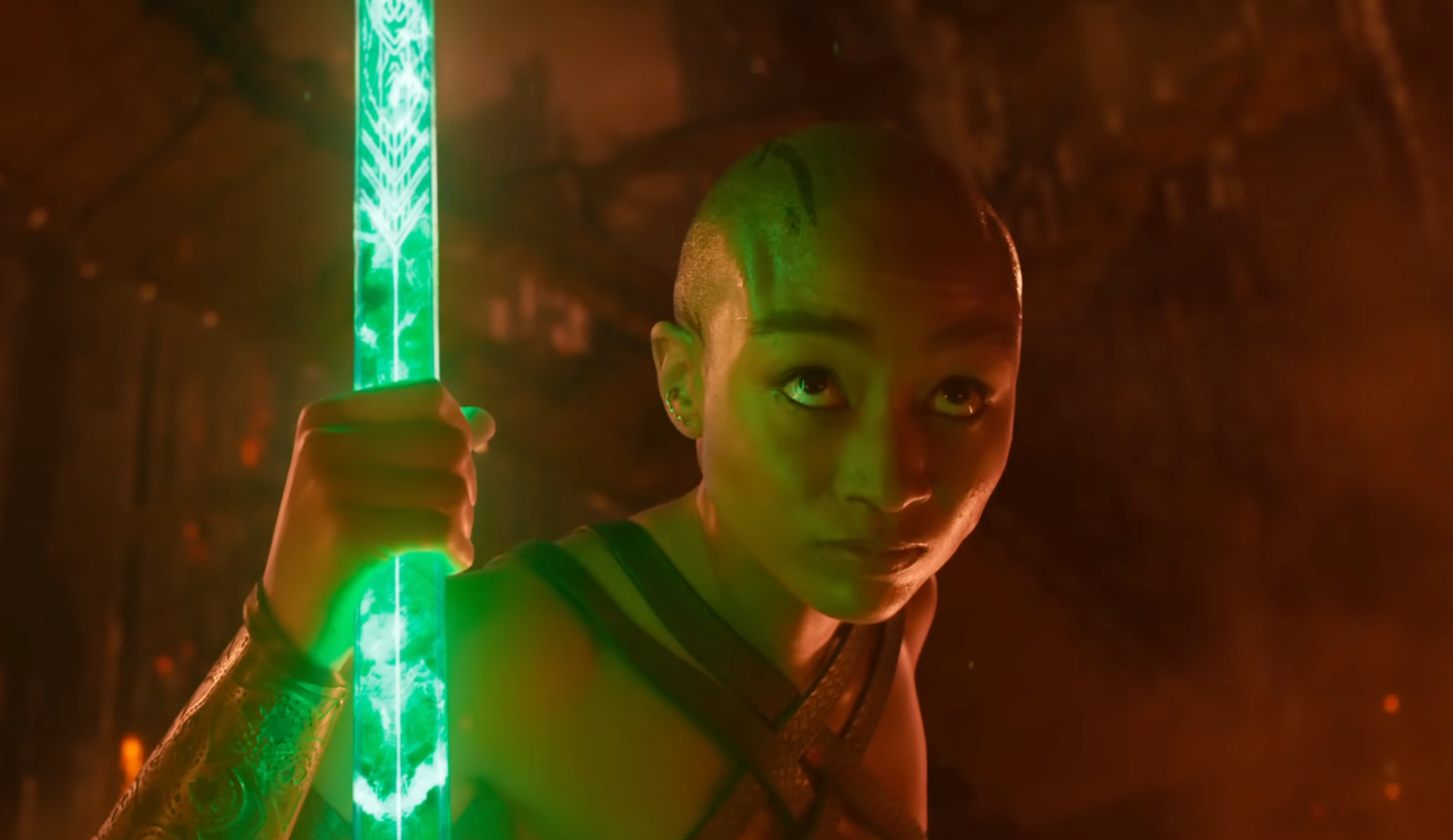
Then there was Jade, which became one of the stranger viewing experiences in the film for me. At one point I genuinely thought the cold medicine was causing hallucinations because I briefly wondered whether I had somehow wandered into footage from Intergalactic: The Heretic Prophet instead. Nope. It was Tati Gabrielle playing Jade while looking almost exactly the same as she will in that game. Everything about Jade in this film left me disgruntled and annoyed, and I am not even a hardcore Jade fan. I was offended on behalf of women in general.
Jade in Mortal Kombat II – YouTube, Warner Bros.
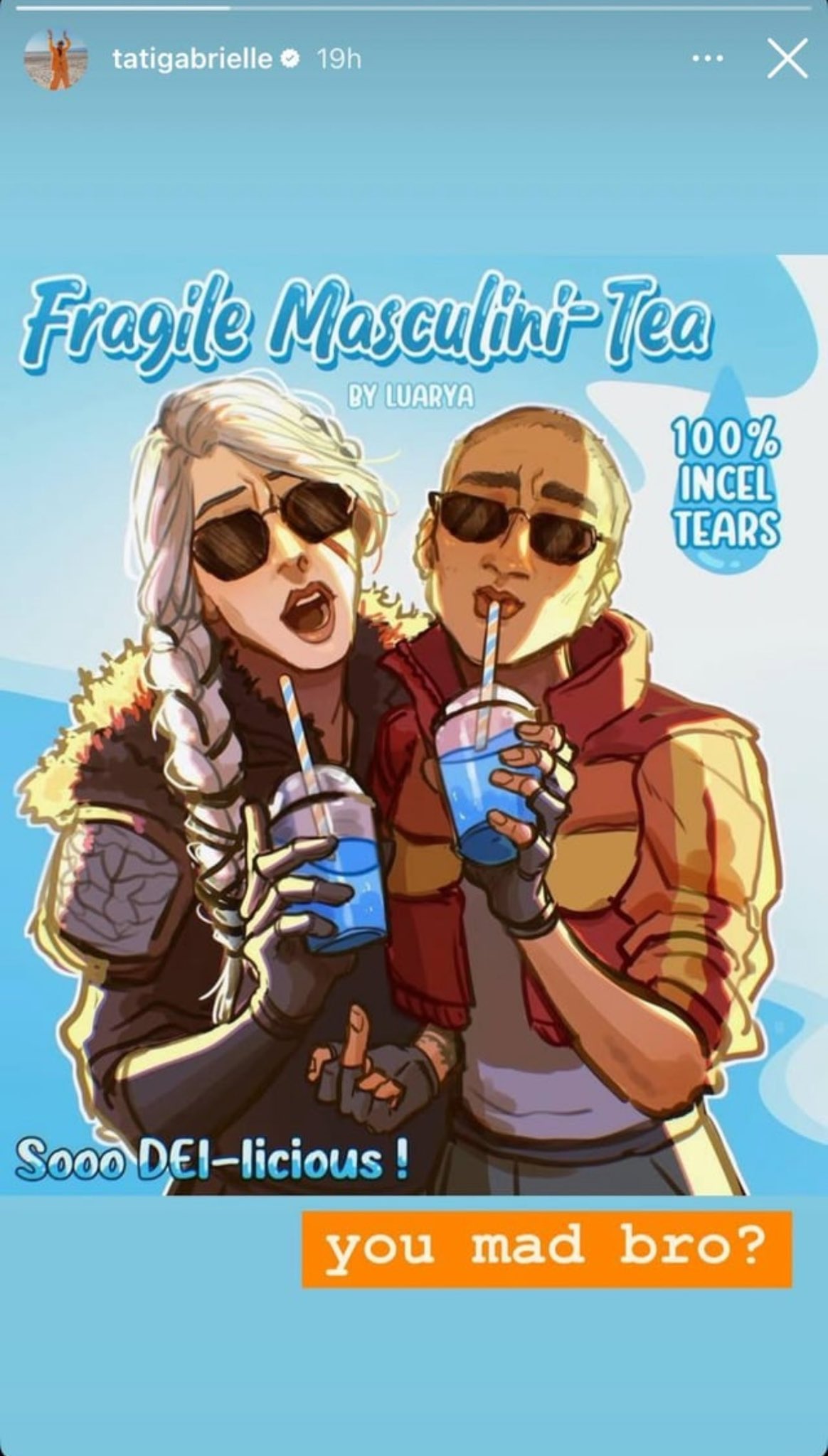
Actors can absolutely reinterpret characters, and adaptations always require some flexibility. However, Jade has historically been one of the most visually iconic characters in the franchise, and the design choices here felt disconnected from the source material. Hollywood continues to have this strange obsession with “uglifying” glamorous female characters as though beauty itself is somehow embarrassing. I could offer some grace in this situation if Tati Gabrielle was contractually locked into maintaining a specific appearance, but there is also this magical invention called a wig.
A meme shared on social media mocking critics by Intergalactic: The Heretic Prophet actress Tati Gabrielle – Instagram, Tati Gabrielle
Meanwhile, audiences repeatedly prove they enjoy attractive, stylish, larger-than-life characters. The games once understood that balance very well. This movie occasionally does and occasionally does not. Costume design across the female cast swings wildly between “solid adaptation” and “what are we even doing here?” I understand translating game costumes into live action is difficult, but effort matters and stylization matters. There is nothing wrong with letting beautiful women look beautiful while also being dangerous. The industry sometimes acts allergic to that concept.
The Dialogue Will Age This Movie Quickly
Another issue that repeatedly pulled me out of the film was the dialogue. One of the fastest ways to date a movie is stuffing it full of modern references and trendy jokes, and Mortal Kombat II leans on that crutch far too heavily.
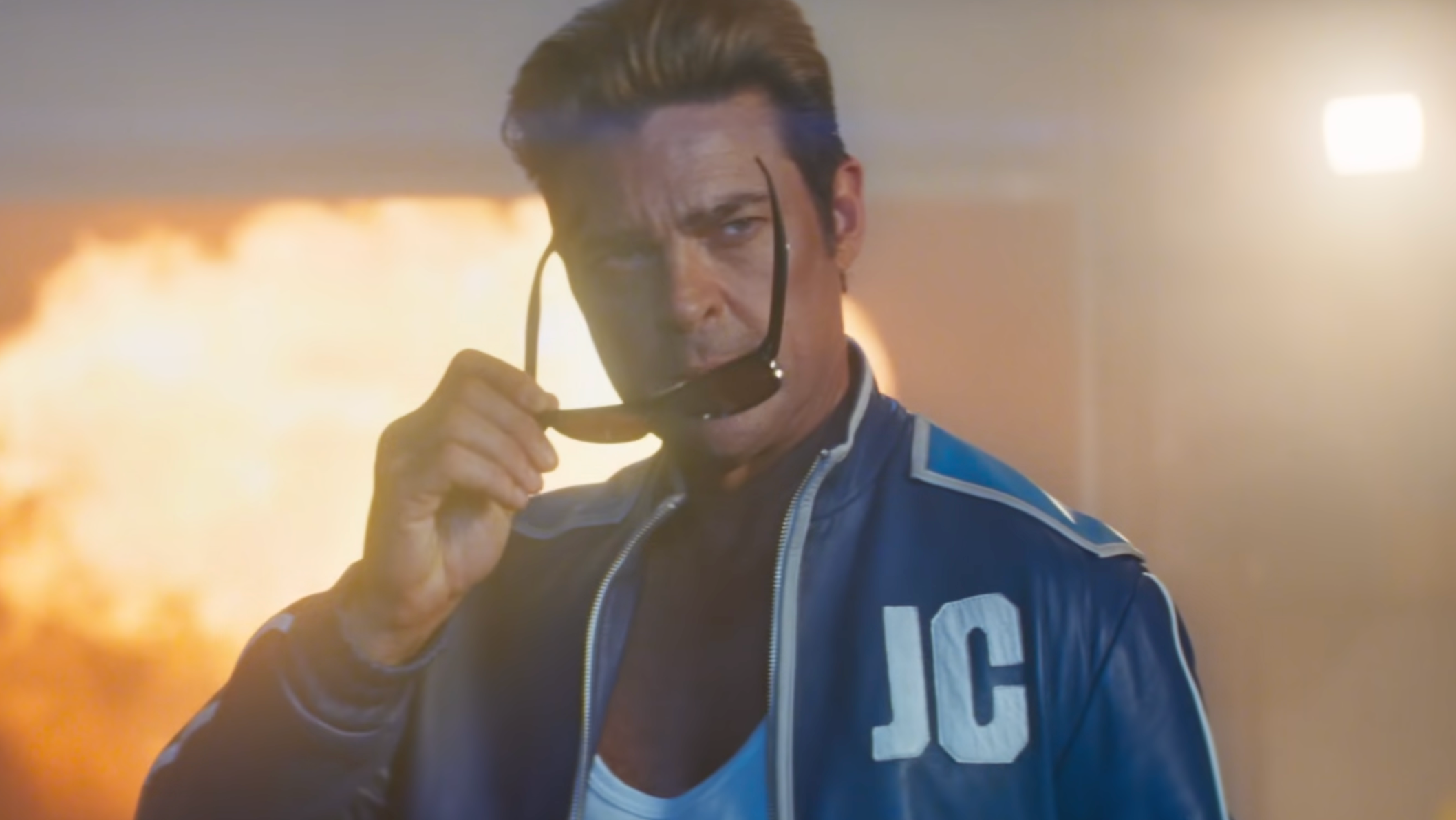
Johnny Cage in Mortal Kombat II – YouTube, Warner Bros.
A joke here and there is fine because every movie needs flavor, but when writers constantly rely on current references it starts feeling less like characters talking and more like social media timelines wearing costumes. Every time another self-aware joke or modern wink appeared, my inner editor started mentally reaching for a red pen.
The best fantasy and sci-fi dialogue feels timeless. This movie often sounds terrified audiences will get bored unless someone references internet culture every few minutes, and that insecurity bleeds into the overall writing.
Final Thoughts on Mortal Kombat II
At the end of the day, Mortal Kombat II is not offensively terrible — it’s aggressively average. There are moments where you can see a better movie trying to break free from inside it. A stronger fight scene appears here. A fun character moment appears there. Occasionally the film captures the chaotic arcade energy that made people love the franchise in the first place.
Those moments just never fully come together into something memorable.
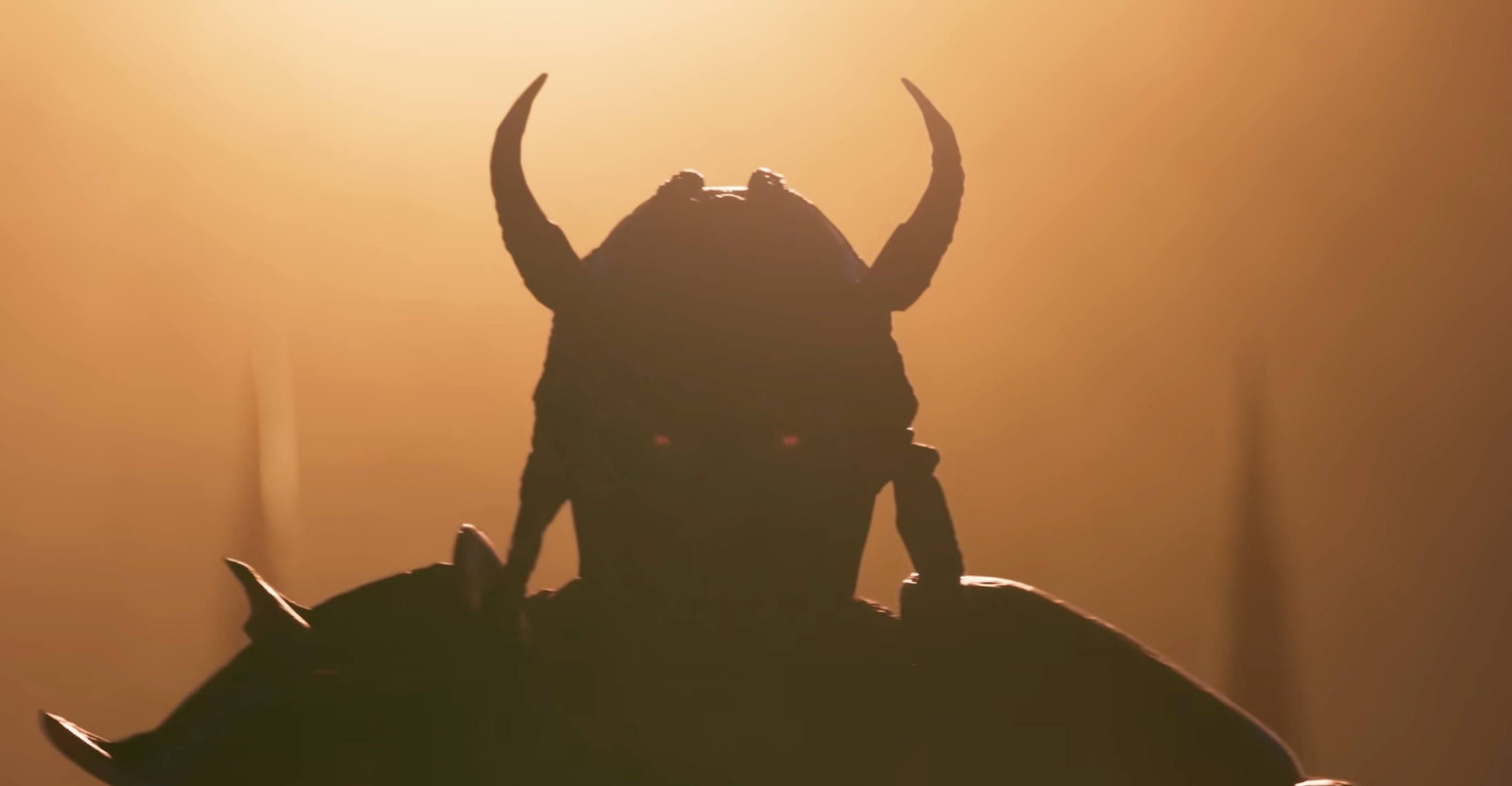
Shao Khan in Mortal Kombat II – YouTube, Warner Bros.
This is the kind of movie you watch while sick, half-conscious, wrapped in a blanket, occasionally drifting in and out of awareness while explosions happen on screen. Honestly, that may be the ideal viewing experience for it because I have a feeling this film will disappear from my memory the same way the first movie apparently did.
FINAL SCORE: 5/10
What’s your Mortal Kombat II review? Sound off in the comments and let us know!
UP NEXT: Stephen Colbert Turns Final Late Show Episodes Into Anti-CBS Reunion With Fellow Late-Night Hosts
