



Rocksteady Studios, once heralded as the visionary developer behind the Batman: Arkham series, has suffered yet another blow in its decline, with reports of end-of-year layoffs in 2024 caused by its Sweet Baby Inc. infected failed live service co-op shooter Suicide Squad: Kill The Justice League.

Mrs. Freeze in Pride Outfit Pack in Suicide Squad: Kill The Justice League (2024), Rocksteady
READ: Sweet Baby Inc. Continues Work With Remedy Games After Destroying Alan Wake 2 With DEI ‘Sensitivity’
Sources revealed that members of the programming, art, and QA teams were affected, marking the studio’s second round of redundancies in just a few months. In September, the QA team was slashed nearly in half, from 33 members to just 15, leaving many employees blindsided. This included one worker who discovered he’d lost his job during paternity leave.
The trigger for this collapse? The disastrous release of Suicide Squad: Kill the Justice League.
Warner Bros. reportedly lost a staggering $200 million on the game, which failed to gain traction with players despite years of anticipation. By December, Rocksteady confirmed it would cease producing new content for the game in 2025, though servers would remain online. But with low player numbers and poor reception, it’s clear that the damage has been done. The studio’s future remains uncertain, with Warner Bros. staying silent on the latest layoffs.

Suicide Squad: Kill the Justice League Sweet Baby Inc. credits
Adding fuel to the fire is the involvement of Sweet Baby Inc. (SBI), a narrative design firm specializing in DEI initiatives contracted for Suicide Squad: Kill the Justice League. SBI was heavily involved in the game’s developement, so much so that it had an entire section of Kill the Justice League’s credits dedicated to its team.
While Rocksteady crumbles, SBI appears to be thriving. According to YouTube personality MasterOfTheTDS, SBI has suffered no layoffs and boasts as many as 30 active game projects. This stark contrast raises questions about SBI’s role in the game’s failure—and whether its business practices contribute to the industry’s woes.
SBI’s Trail of Destruction
Sweet Baby Inc., the narrative consultancy firm co-founded by Kim Belair, has garnered a troubling reputation for leaving its partner studios in turmoil.

Sweet Baby Inc. CEO Kim Belair via InclusionFX YouTube
For instance, Avalanche Studios Group, another SBI client, announced massive layoffs in summer 2024, cutting nearly 10% of its workforce and shutting down its offices in New York and Montreal. Similarly, Reflector Entertainment and Heart Machine—both SBI collaborators—faced steep staff reductions after launching projects that failed to meet expectations.
Critics argue that SBI’s involvement often leads to bloated narrative designs focusing on DEI and virtue signaling that fail to connect with players. This leaves developers holding the bag for underwhelming releases. In the case of Rocksteady, the once-pristine reputation of the Arkham series has been tarnished, while SBI walks away unscathed.
A Studio in Decline
Rocksteady’s fall from grace is a cautionary tale for developers partnering with external firms like SBI. After building its legacy with the Arkham trilogy, Rocksteady seemed poised to deliver another hit. Instead, Suicide Squad: Kill the Justice League became a financial and critical disaster, dragging the studio down with it.
The game’s failure not only resulted in Rocksteady’s layoffs but also affected Warner Bros. Games Montreal, which reportedly cut 99 jobs in December. Many of those positions were dedicated to supporting Rocksteady’s post-launch content for Suicide Squad.
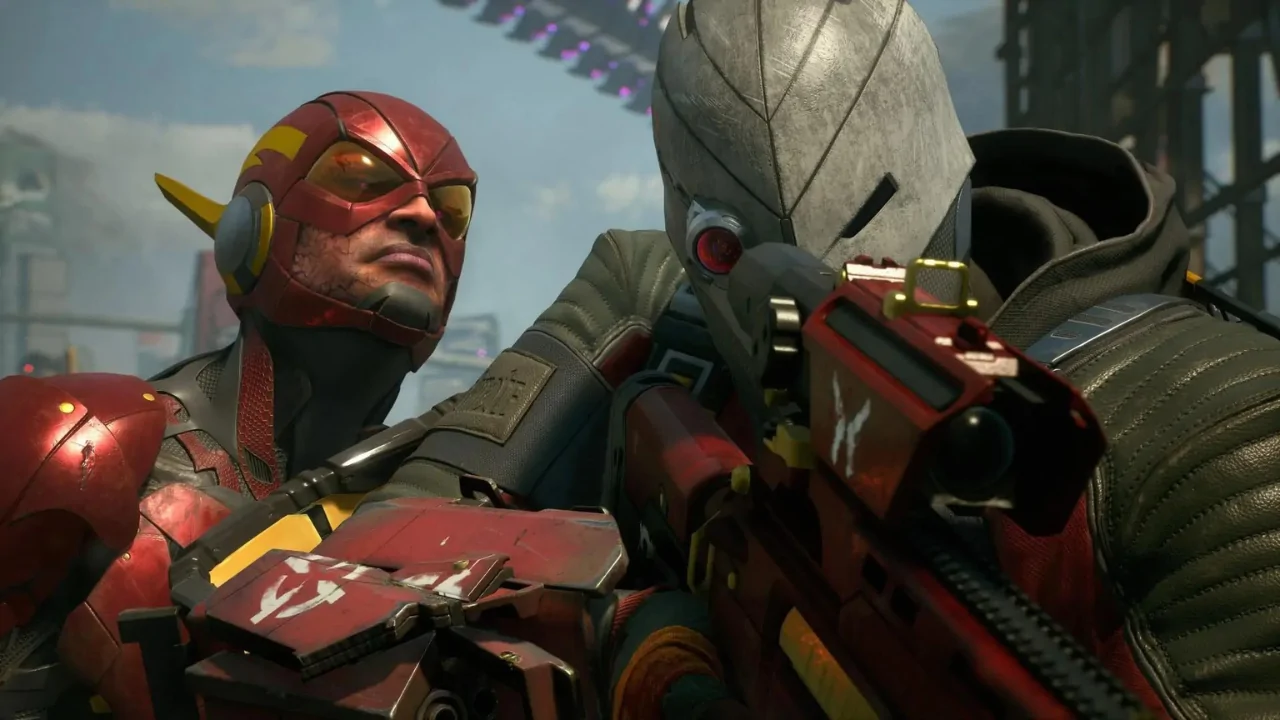
A screenshot from Suicide Squad: Kill the Justice League (2024), Rocksteady
While Rocksteady’s employees face career uncertainty, SBI continues to secure contracts, seemingly impervious to the industry’s consequences. The firm’s ability to weather these failures without repercussions raises serious concerns about accountability in game development.
As Rocksteady struggles to recover following these layoffs, the question remains: will studios continue to rely on firms like Sweet Baby Inc., or will this latest fiasco prompt a reckoning in the industry? For now, the once-mighty Rocksteady serves as a grim reminder of what happens when poor collaboration meets poor execution.
Do you think AAA game studios will continue to work with Sweet Baby Inc.? Is Rocksteady on borrowed time after these latest layoffs? Sound off in the comments and let us know!
