


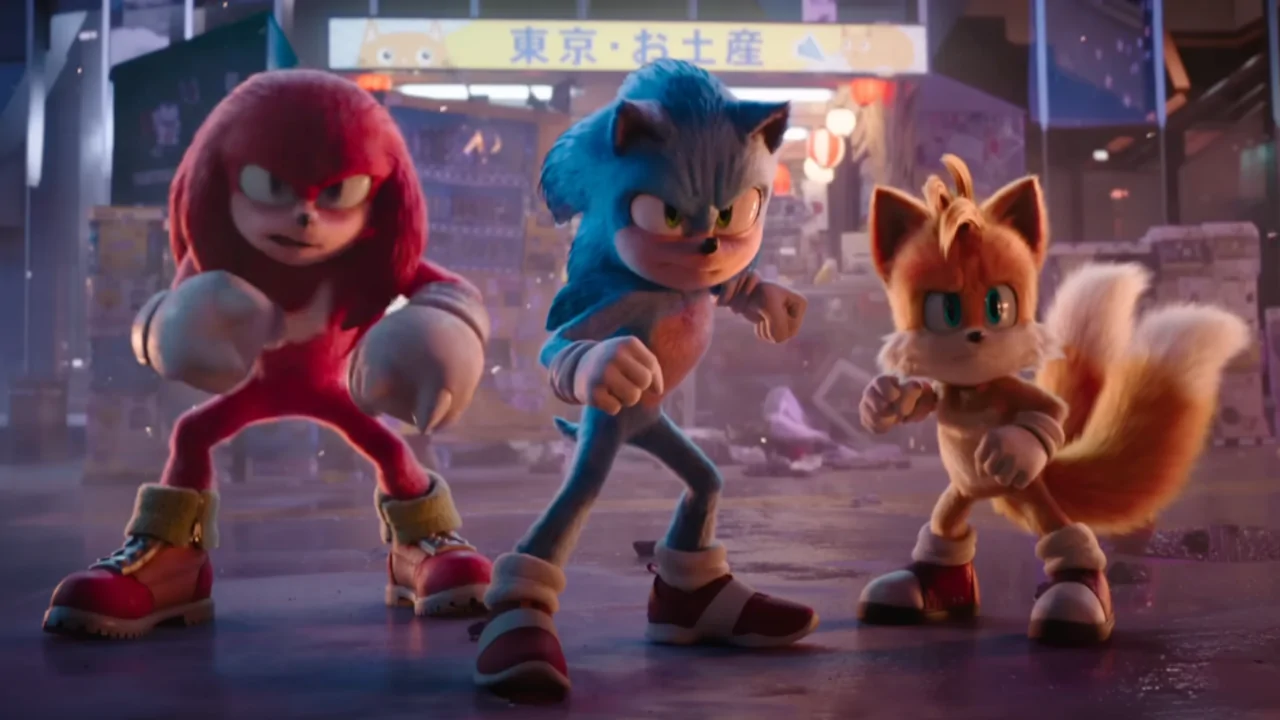
The Federal Communications Commission’s approval of the $8 billion Paramount-Skydance merger on July 24, 2025, marks a pivotal moment for the beleaguered media giant, but it has sparked debate over whether the price tag truly reflects the value of Paramount’s storied assets.
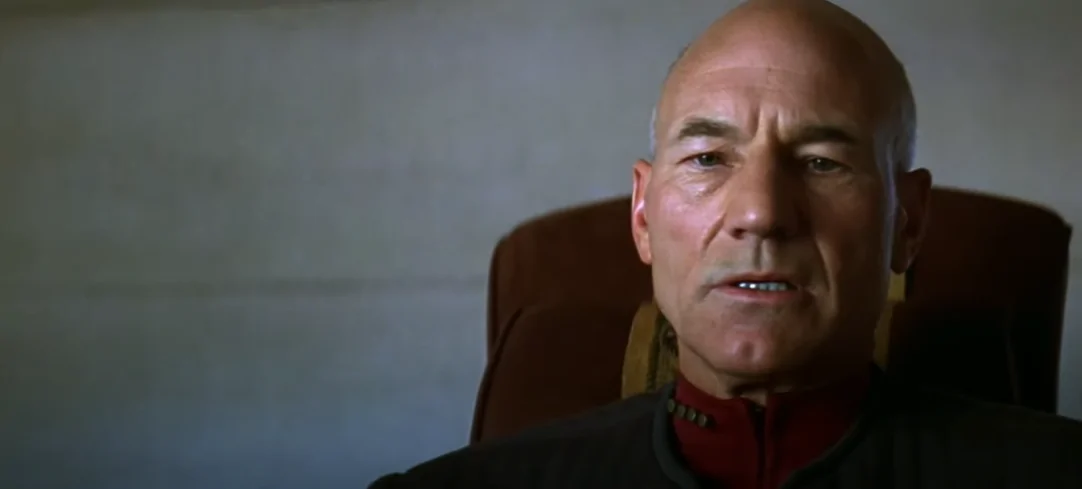
Patrick Stewart as Jean Luc Picard in Star Trek: First Contact (1996), Paramount Pictures
READ: Disneyland Abu Dhabi Will be a Disney-Branded Park, But Not a Disney-Operated One
With the deal set to close on August 7, 2025, executives at Paramount Global can finally exhale after a tumultuous year of negotiations, regulatory hurdles, and political scrutiny. Yet, in the shadow of historic media consolidations, the $8 billion figure—often cited as $8.4 billion including adjustments—appears strikingly modest. To understand why, let’s dissect the deal and stack it against three landmark transactions: WWE’s merger into TKO Group Holdings, Disney’s acquisition of 21st Century Fox, and the Warner Bros. Discovery merger.
Breaking Down the Paramount-Skydance Deal
The merger isn’t a simple buyout but a two-step process designed to infuse Paramount with capital while handing control to Skydance Media, led by David Ellison, son of Oracle billionaire Larry Ellison.
First, a Skydance-led investor group acquires National Amusements, Paramount’s controlling shareholder, for $2.4 billion in cash. Then, Paramount merges with Skydance in a $4.75 billion all-stock transaction, paying out $4.5 billion in cash and shares to its stockholders and adding $1.5 billion in fresh capital to bolster the balance sheet. The resulting entity, tentatively called Paramount Skydance Corporation, boasts an enterprise value of $28 billion, encompassing Paramount Pictures, CBS, Nickelodeon, and Pluto TV.

Sylvester Stallone as Dwight ‘The General’ Manfredi in Tulsa King (2022), Paramount Plus
FCC Chairman Brendan Carr hailed the merger for promising “significant changes” at CBS, including commitments to diverse viewpoints and no new DEI initiatives amid broader concerns about media bias.
However, the valuation has raised eyebrows. Paramount’s current market cap hovers around $8-9 billion, down from peaks over $60 billion in 2021, weighed down by cord-cutting, ad revenue slumps, and Paramount+’s ongoing losses. Wall Street remains cautious, with shares rising post-approval but arbitrage opportunities emerging as the buyout price sits at $15 per share versus a current trading price near $13. Critics argue the deal undervalues Paramount’s IP library (e.g., Star Trek, Mission: Impossible) in a market hungry for content, but proponents see it as a necessary lifeline in a fragmented industry.
Comparison: WWE’s Leap into TKO Group Holdings (2023)
In September 2023, WWE merged with Endeavor’s UFC to form TKO Group Holdings, creating a live sports and entertainment behemoth with a combined enterprise value of $21.4 billion. WWE itself was valued at $9.3 billion in the deal, while UFC contributed $12.1 billion, with Endeavor retaining 51% control and WWE shareholders owning 49%. This stock-based merger wasn’t a cash fire sale but a strategic alignment, capitalizing on WWE’s lucrative media rights deals with Peacock and Fox.
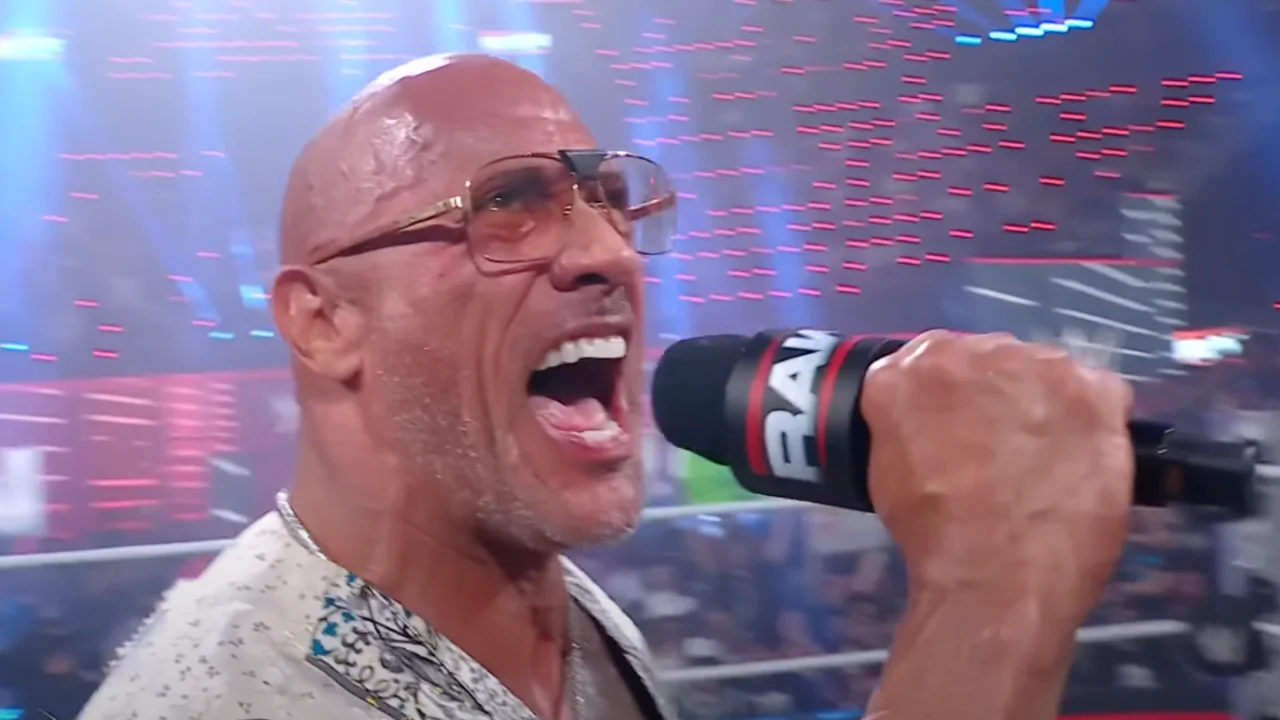
The Rock on Monday Night RAW on Netflix – YouTube, WWE
READ: Rachel Zegler Abruptly Leaves Evita Performance — Understudy Received 5-Minute Standing Ovation
At first glance, WWE’s $9.3 billion standalone valuation exceeds Paramount’s $8 billion headline, despite WWE’s narrower focus on wrestling content and events.
Why the disparity?
Live sports remain a premium in the streaming era, immune to much of the cord-cutting that plagues linear TV giants like Paramount’s CBS. Moreover, TKO’s formation occurred during a bull market for sports rights, inflating values. Paramount’s deal, by contrast, addresses a debt-heavy company in decline, making the $8 billion feel like a discount—even as the combined $28 billion EV edges out TKO’s.
Comparison: Disney’s $71 Billion Grab of 21st Century Fox (2019)
Disney’s 2019 acquisition of most of 21st Century Fox stands as a high-water mark for media deals, clocking in at $71.3 billion in stock and cash after a fierce bidding war with Comcast. The price, up from an initial $52 billion offer, included assuming $19 billion in debt and spun off assets like Fox News into a new entity.

A screenshot from Avatar: The Way of Water – YouTube, Avatar
This deal dwarfs Paramount-Skydance by nearly 9x, reflecting the 2018-2019 frenzy where conglomerates paid premiums for scale. Fox’s pre-deal market cap approached $70 billion, buoyed by global assets and a robust ad business—assets Paramount lacks in comparable strength. Today, media valuations have deflated; Paramount’s $22 billion enterprise value pre-merger is a fraction of Fox’s, hammered by industry headwinds.
If anything, the comparison underscores how Paramount’s $8 billion transaction, while low, aligns with a post-boom reality where buyers demand concessions for turnaround potential.
Comparison: Warner Bros. Discovery’s $43 Billion Union (2022)
AT&T’s spin-off of WarnerMedia to merge with Discovery in 2022 created Warner Bros. Discovery, valuing WarnerMedia at $43 billion and the combined company at $130 billion with projected $52 billion in 2023 revenue. Structured as a reverse merger, AT&T shareholders got 71% of the new entity, with Discovery owners at 29%, and AT&T receiving $40.4 billion in cash and debt relief—no direct cash outlay for Discovery.
Assets included HBO, CNN, DC Comics, and Warner Bros. studios, aiming to rival Netflix.

David Corenswet as Superman flying in James Gunn’s “Superman” – YouTube, DC
READ: Online Movement Seeks to Nominate Disney’s Banned ‘Song of the South’ for the National Film Registry
Over 5x larger than Paramount’s headline, this deal highlights premium content’s pull—HBO’s prestige alone commanded a valuation boost. Yet, Warner Bros. Discovery’s stock has plummeted 80% since, mirroring Paramount’s struggles with debt and streaming profitability.
Paramount’s lower price tag reflects similar woes but on a smaller scale; its $28 billion post-merger EV is a fifth of WB-Discovery’s initial figure, partly because Paramount’s broadcast-heavy portfolio (CBS, Nickelodeon) has depreciated faster in the cord-cutting age.
Why Does $8 Billion Seem So Low? Contextual Factors and Outlook
The perception of a “bargain” stems from Paramount’s vulnerabilities: $15 billion in debt, annual losses, and a market cap eroded by competition from Netflix and Disney.
Unlike the premium paid for Fox’s IP arsenal or WB’s HBO jewel, Skydance is essentially staging a rescue, injecting $1.5 billion to deleverage and fund growth. Broader trends—ad market weakness, regulatory scrutiny, and post-lockdown valuation resets—have compressed media multiples, making $8 billion pragmatic rather than predatory.
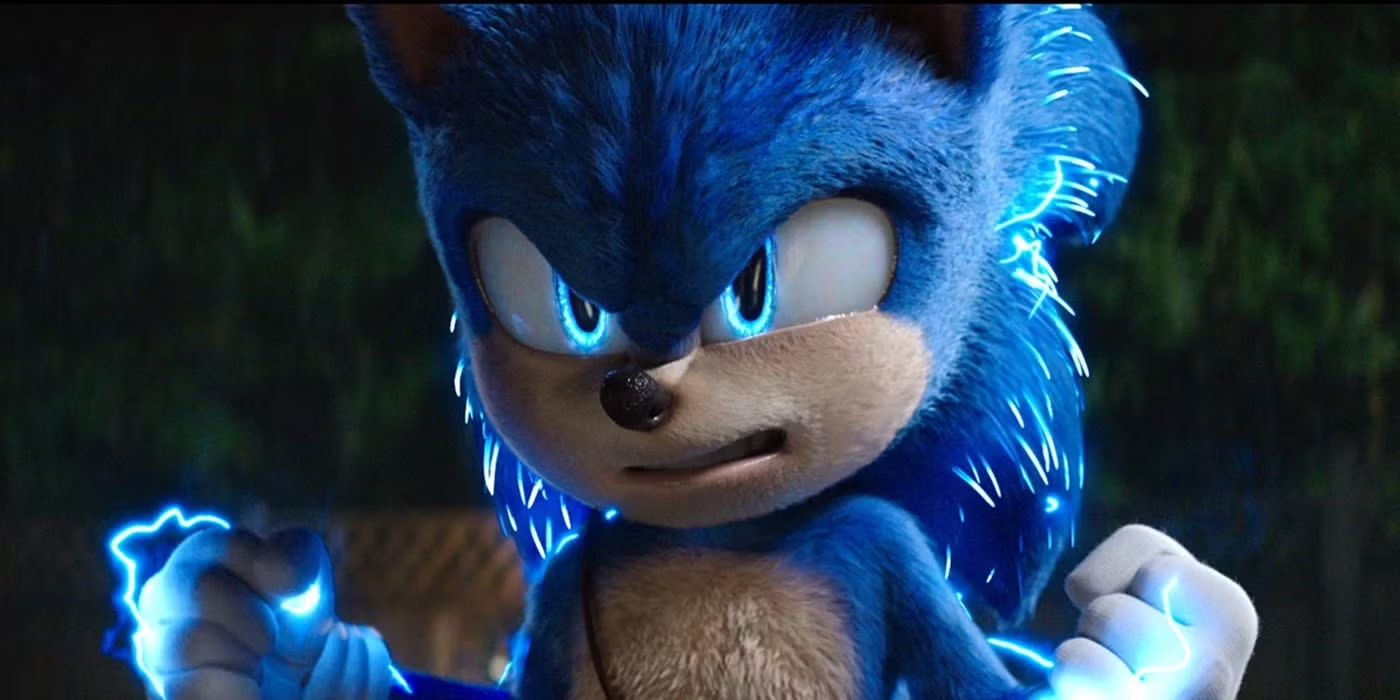
A screenshot from Sonic the Hedgehog – Paramount Plus
Politically, the deal’s FCC nod amid Trump-era concessions has fueled controversy, with dissenters like Commissioner Anna Gomez decrying potential government overreach. Figures like Senators Elizabeth Warren and Adam Schiff question ties to recent events, such as CBS’s $16 million settlement with Trump and the cancellation of The Late Show with Stephen Colbert. Yet, substantiated by Paramount’s financials, the low valuation isn’t politically motivated but a symptom of industry malaise.

L-r, DONNIE, RAPH, MIKEY and LEO in PARAMOUNT PICTURES and NICKELODEON MOVIES Present A POINT GREY Production “TEENAGE MUTANT NINJA TURTLES: MUTANT MAYHEM”
Looking ahead, the merger could unlock value if Ellison’s tech-savvy leadership revives Paramount+, much like Disney leveraged Fox for streaming. For now, though, it serves as a cautionary tale: in media’s evolving arena, yesterday’s giants fetch today’s discounts.
How do you feel about the Paramount Skydance merger? Sound off in the comments and let us know!
UP NEXT: Two Electric Buses Catch Fire at Universal Orlando Depot Near Epic Universe
