



A dramatic restructuring at Sony Interactive Entertainment (SIE) has seen the company abandon its short-lived dual CEO structure, removing Hermen Hulst from his co-CEO position and leaving Hideaki Nishino as the sole leader of PlayStation.
The change, which takes effect on April 1, 2025, signals that Sony’s attempt at shared leadership was not working as planned.

A screenshot from Concord (2024), Firewalk Studios
READ: EXCLUSIVE: ‘Assassin’s Creed Shadows’ Delay Was to Scale Back Yasuke After Historical Backlash
Hulst, who previously led Guerrilla Games and has been a strong advocate for Sony’s ill-fated push into live-service gaming, will now focus exclusively on PlayStation’s first-party studios under the title of CEO, Studio Business Group. Meanwhile, Nishino, formerly overseeing hardware, accessories, and PSN, will now control all major business decisions as the head of SIE.
In a press release, Nishino expressed gratitude for the opportunity:
“I am truly honored to take the helm at Sony Interactive Entertainment… We will continue to grow the PlayStation community in new ways, such as [intellectual property] expansion, while also delivering the best in technology innovation.”

Angrboda in God of War: Ragnarok (2022), Sony Santa Monica
He also thanked Hulst for his leadership.
“I want to thank Hermen for his expertise and leadership as he continues his role as CEO, Studio Business Group,” he said. “I am deeply grateful for the PlayStation community and their continued support and I am very excited for what the future holds.”
Hulst’s demotion is part of a larger corporate restructuring within Sony Group. Hiroki Totoki, who had been serving as both Sony Group Corporation’s president, chief operating officer, and chief financial officer, will step up as the new CEO of Sony Group Corporation. He replaces Kenichiro Yoshida, who will remain chairman.
Additionally, Lin Tao, a financial executive at SIE, will become the new CFO of Sony Group Corporation, though her replacement at PlayStation has yet to be announced.
The Live-Service Debacle and Hulst’s Legacy
While this restructuring may appear to be a simple consolidation of power, the reality is that it follows Sony’s embarrassing failures in the live-service gaming sector—failures like Concord that were championed by none other than Hulst himself. Despite mounting losses and fan backlash, Hulst repeatedly assured players that Sony remained committed to developing live-service games.

A screenshot from Marvel’s Spider-Man 2 (2023), Insomniac Games
Hulst’s unwavering stance was put on full display in a recent interview with Famitsu, where he doubled down on Sony’s dedication to the controversial business model. When asked about the catastrophic failure of Concord, which launched to near-universal disinterest and led to the closure of two studios, Hulst sidestepped the debacle and instead spoke in vague platitudes about “technological advances” and the “evolution of gaming.”
“We will continue to focus on developing live-service titles along with the story-driven, single-player titles that our players demand,” he said. “We are learning a lot as we build our ability to develop quality live-service titles within Sony Interactive Entertainment.”
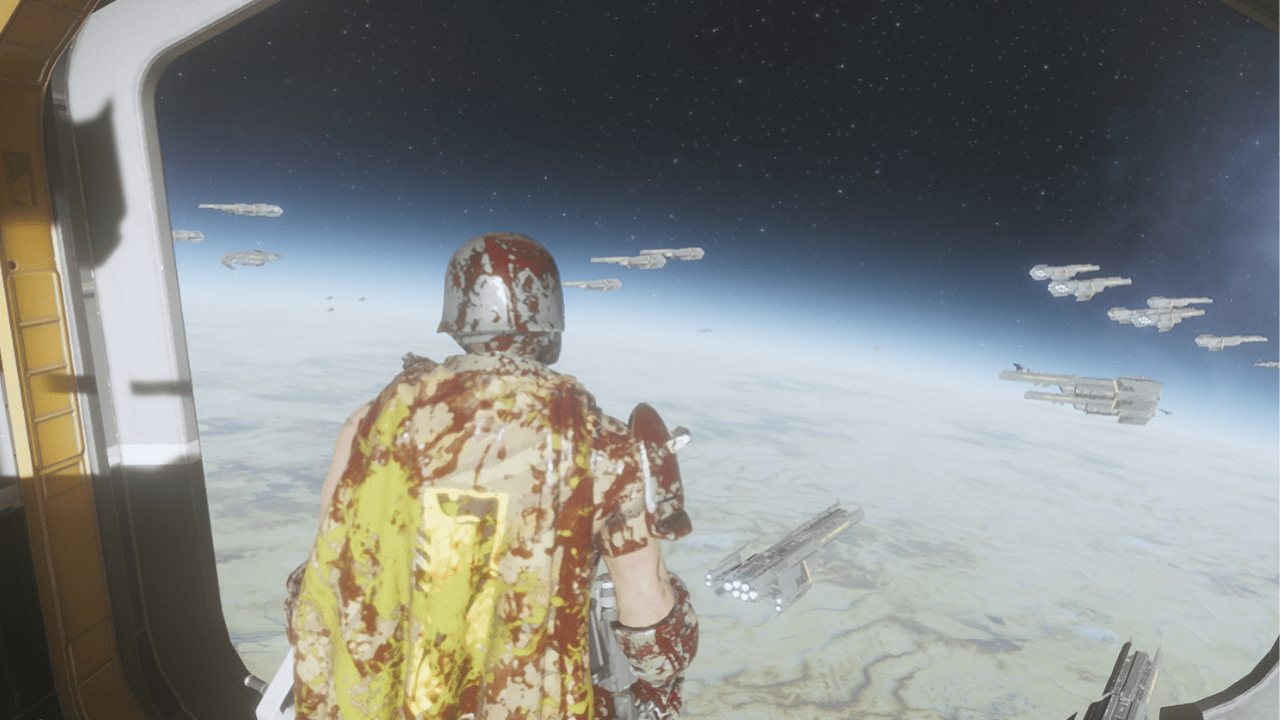
A screenshot from Helldivers 2 (2024), Arrowhead Game Studios
Unfortunately for PlayStation, the company’s ability to deliver “quality live-service titles” has been virtually nonexistent. Helldivers 2 stands as the lone exception to Sony’s disastrous track record, while nearly every other live-service project has crashed and burned.
In addition to Concord’s complete collapse, Sony has axed at least six in-development live-service projects in the past year alone.
Among the casualties are:
- The Last of Us Multiplayer – Naughty Dog’s ambitious but troubled online adaptation was scrapped after years of development.
- Spider-Man: Great Web – A multiplayer Spider-Man game from Insomniac that never saw the light of day.
- Twisted Metal Multiplayer – A rebooted Twisted Metal online experience that was quietly canned.
- Foamstars – Square Enix’s bizarre attempt at a Splatoon competitor was confirmed to be shutting down in January 2025.
Despite these failures, Sony has shown no sign of pulling the plug on its live-service ambitions. Instead, Hulst suggested that the company is merely “adjusting” its approach.
What This Means for PlayStation’s Future
For the average PlayStation gamer, this Sony CEO shakeup likely won’t result in any immediate changes. Hulst will still oversee Sony’s first-party studios, while Nishino will take on broader business responsibilities. However, the removal of Hulst as co-CEO suggests that Sony’s upper management was dissatisfied with his leadership—especially given the widespread criticism of the company’s recent strategy.
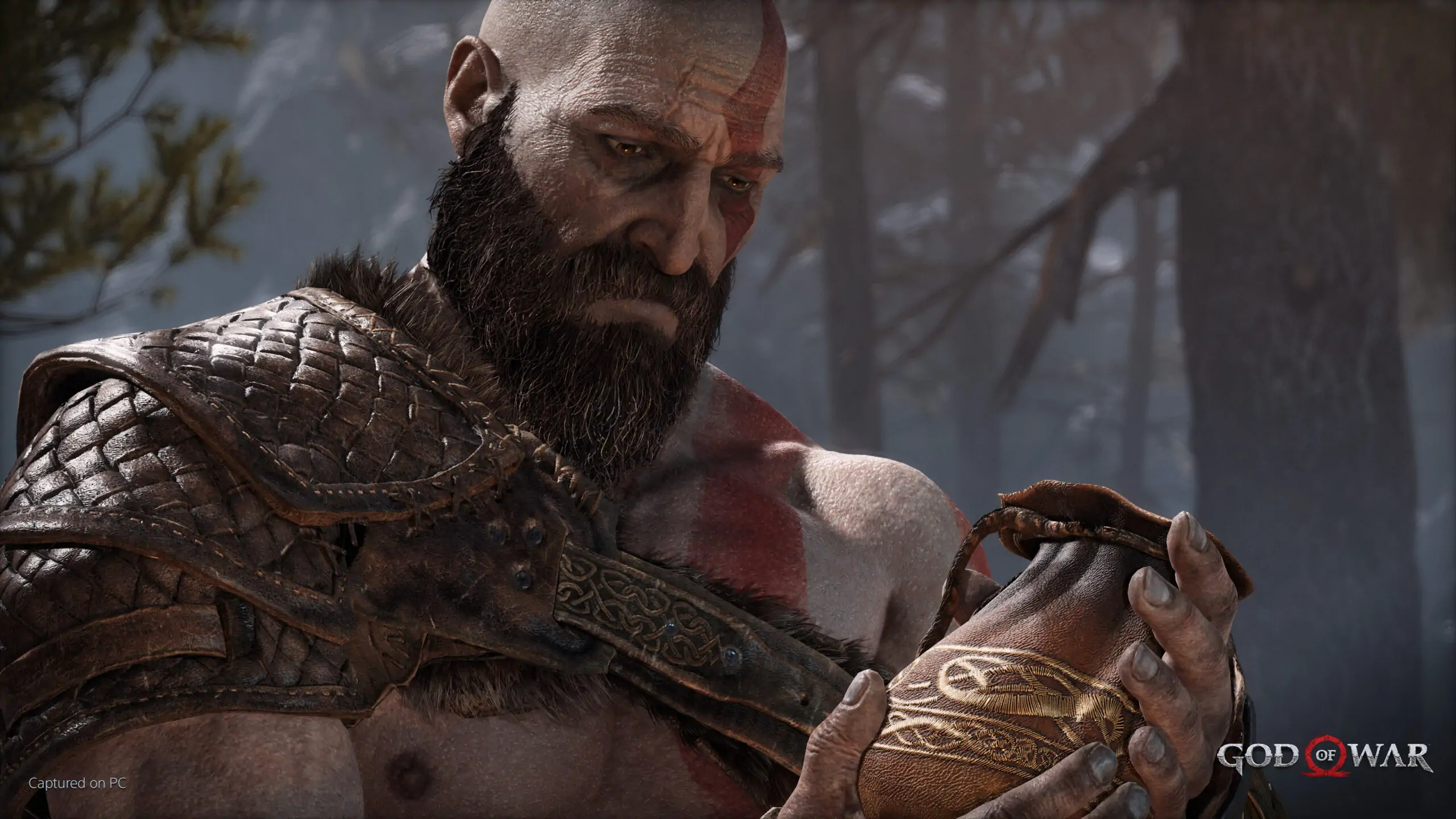
A screenshot from God of War (2018), Santa Monica Studios
While PlayStation continues to enjoy success in single-player gaming (Astro Bot was a Game of the Year contender, and Ghost of Yotei and Death Stranding 2 are set for major releases this year), the company’s ill-advised attempt to chase the live-service trend has been nothing short of a disaster.
With Nishino now in sole control, PlayStation fans will be watching closely to see whether he steers the company away from the live-service model or continues Hulst’s missteps. One thing is certain—Sony can’t afford many more Concord-level disasters before the PlayStation brand takes a serious hit.
What do you think about this Sony CEO shakeup? Sound off in the comments and let us know!
