


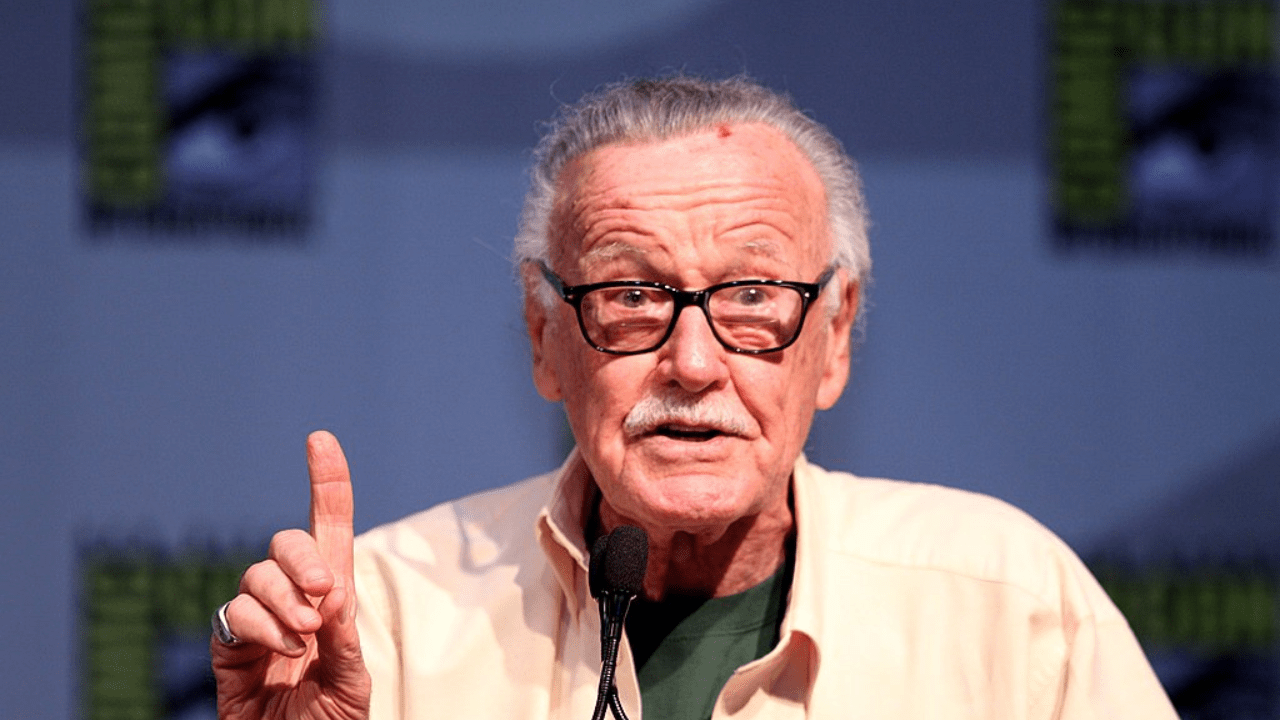
Former Marvel Comics President Stan Lee debunks the myth that the X-Men were a pride Allegory: “No, it was the furthest thing from my mind.”
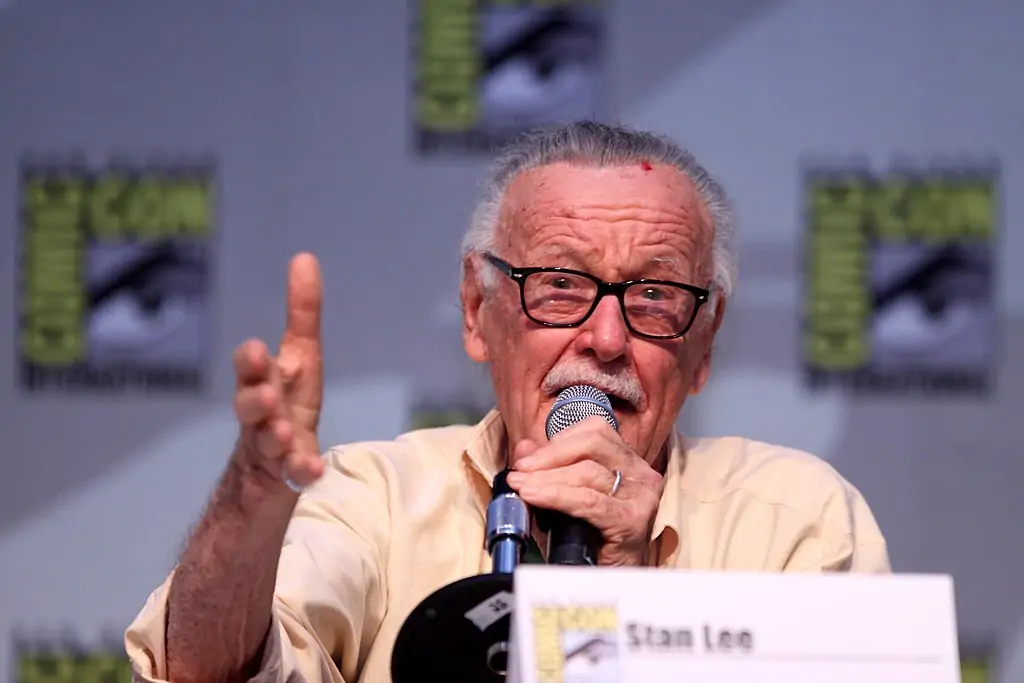
Stan Lee at the 2010 San Diego Comic Con in San Diego, California. Photo Credit: Gage Skidmore from Peoria, AZ, United States of America, CC BY-SA 2.0 <https://creativecommons.org/licenses/by-sa/2.0>, via Wikimedia Commons
In the wake of the debut of the first X-Men ’97 trailer and the revelation that Morph will be made into a “non-binary” character numerous individuals began perpetrating the lie that the X-Men have always been woke and been allegories for racial and sexual orientation injustice.
X-Men Updates posted on X, “The X-Men have and will always be symbols for inclusion and diversity” and maligned those who disagree. “You’re not an X-Men fan and you don’t understand the slightest thing about them.”
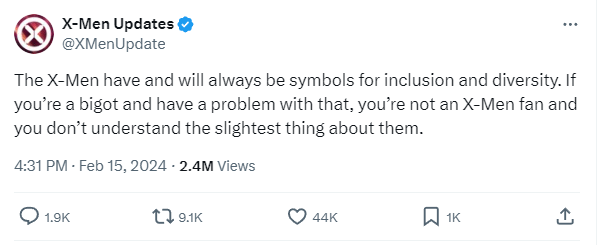
X-Men Updates on X
READ: Marvel’s Eyes of Wakanda Disney+ Cartoon Gender Swaps Iron Fist
Mightykeef on X also responded to the Geeks + Gamers thumbnail, “I can’t stress how incredibly stupid you look for saying X-men, out of all things….is turning woke.”
He added, “Themes like identity politics has always been in X-men, in either the comics, animated series, or movies.”
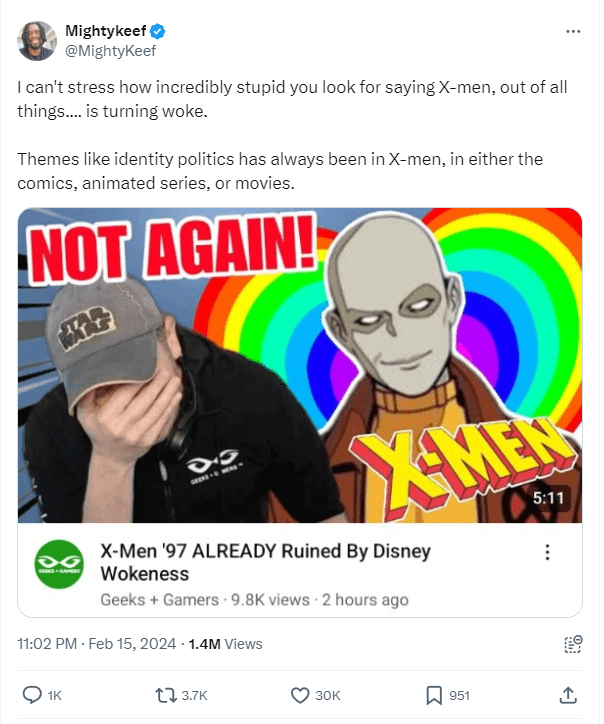
MIghtykeef on X
In response to claims like these, Rippaverse founder Eric July showcased an interview Stan Lee did in 2007 on Coast to Coast with George Noory with guest host Ian Punnett.
At one point in the interview, Lee said, “Now, take the X-Men. I was just originally trying to get an interesting group of characters with interesting powers and I thought it would make it twice as interesting if the public didn’t really like them that much and if they had a worry about their reception by the outside world.”
He continued, “Little by little I began getting mail saying how great it is that I’m doing these stories about bigotry and the evils of bigotry and so forth and race hatred. And I guess I was doing that, but I was doing it subconsciously. That wasn’t the main purpose.”
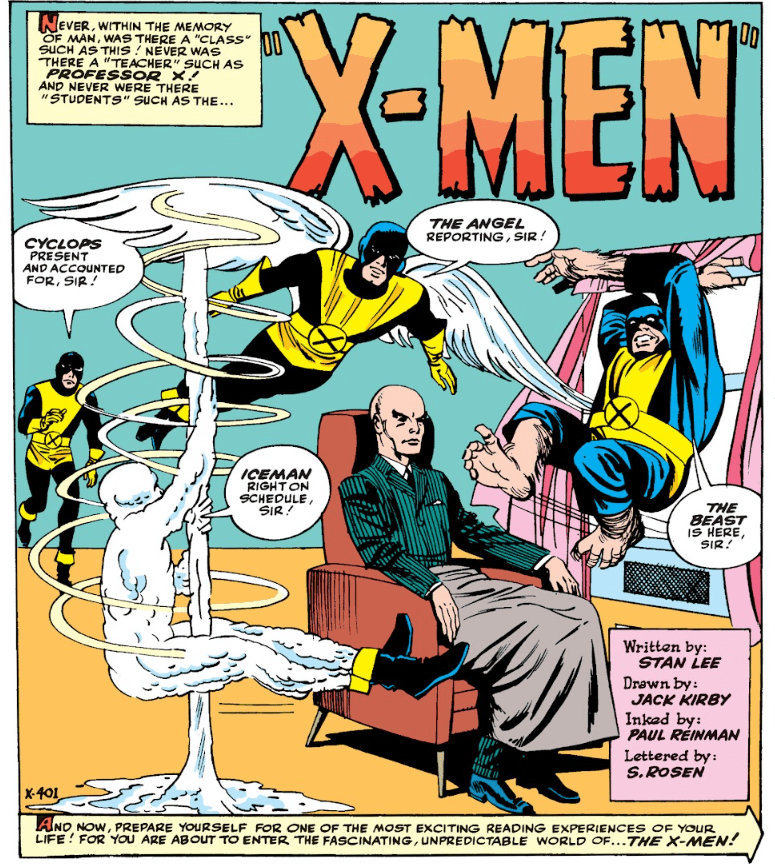
Uncanny X-Men #1 (1963), Marvel Comics
In another clip from the program, Lee addresses the idea the characters are an allegory for being representatives of the pride community.
He says, “No, it was the furthest thing from my mind.”
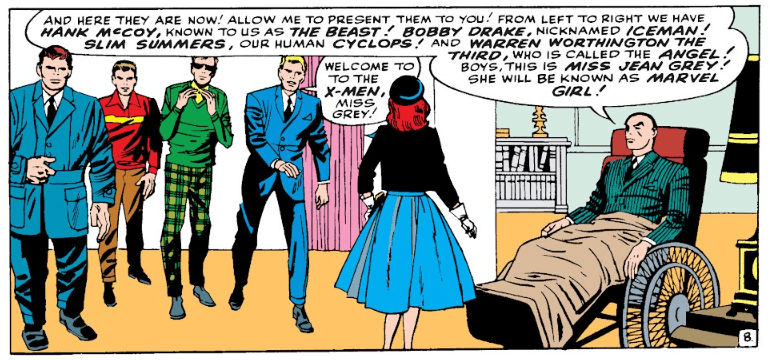
Uncanny X-Men #1 (1963), Marvel Comics
Lee also discussed the X-Men’s origins in a two-hour interview conducted for the Living Television Collection back in 2004.
In that interview he stated, “Oh! The X-Men, how I did that. Well, there’s a funny a story, everything is a funny a story. After I had done the Fantastic Four, the Hulk, Spider-Man, I think the X-Men came next. The X-Men and one other. I think Daredevil. They’re about the same time.”
“Anyway I wanted to do another group, another group of superheroes, but I was getting tired now of figuring out how they get their superpowers. I couldn’t have everybody bitten by a radioactive spider or exposed to a gamma ray explosion,” he explained.
Lee then recalled, “And I took the cowardly way out. I said to myself, ‘Why don’t I just say they’re mutants. They were born that way.’ We all know there are mutants in real life. There’s a frog with five legs, things like that. So I won’t have to think of new excuses. I’ll get as many as I want and yeah, he’s a mutant, that’s all.”
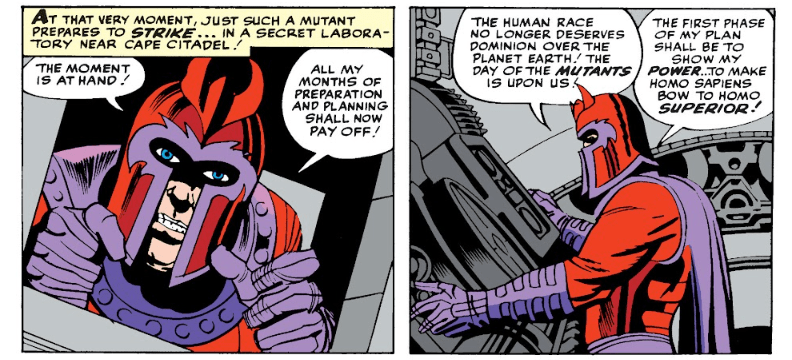
Uncanny X-Men #1 (1963), Marvel Comics
He then pitched this idea to his publisher, “I had the idea and I made up some characters that I loved and I went to my boss, Martin, he was still publishing at the time. I said, ‘I have an idea for a book called The Mutants.’ I wanted to call it The Mutants. He said, ‘It sounds like a good idea, Stan, but, you know, nobody’s going to know what a mutant is. Our readers wouldn’t understand. Get another name.’”
“Well, I felt he was wrong, but what the hell he was the boss. So I went back and I gave it some thought and I thought they have extra power. They were led by a guy named Professor Xavier so I said well, ‘I’ll call them the X-Men’ even though one was a girl,” Lee shared.
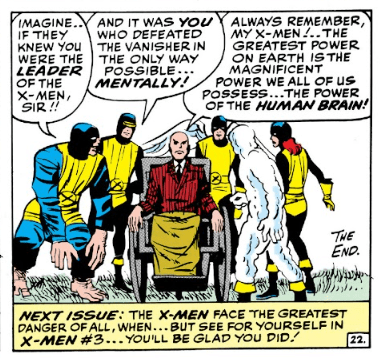
Uncanny X-Men #2 (1963), Marvel Comics
READ: Rumor: Marvel’s Initial Idea For X-Men Is To “Focus More On The Female Members Of The Team”
Lee continued, “I went back to Martin. I said, ‘Hey, all right, how about this name, The X-Men.’ He said, ‘Yeah that sounds fine use that.’ So, as I walked out of his office I thought to myself, ‘If a reader isn’t going to know what a mutant is, how was the reader going to know what an X-Man is.’ But I didn’t want any trouble. I had my name and I just let it go.”
“But I often felt I don’t understand the workings of the executive mind,” he concluded.
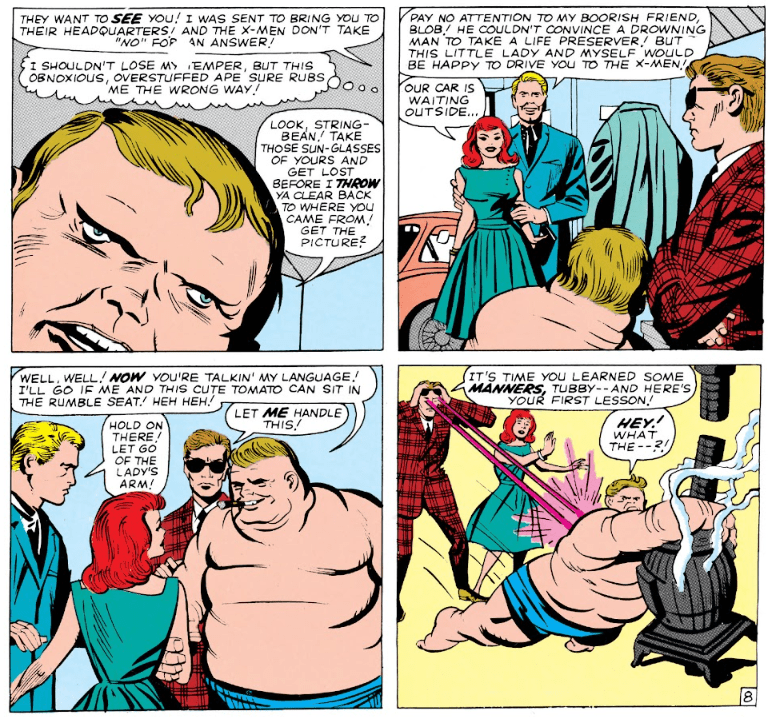
Uncanny X-Men #3 (1964), Marvel Comics
He told a similar story to Robert Kirkman’s Secret History of Comics for AMC back in 2017.
He explained, “I had already done Spider-Man, the Hulk, and Fantastic Four and my publisher said, ‘Give me another book, Stan. We’re going strong. Let’s do some more.’”
“Well, in order to get a new superhero, you have to think of what are his or her power is. That’s not too hard. But you have to figure out how do they get that power, and that’s a little difficult. I can’t have them all be bitten by radioactive spiders,” he stated.
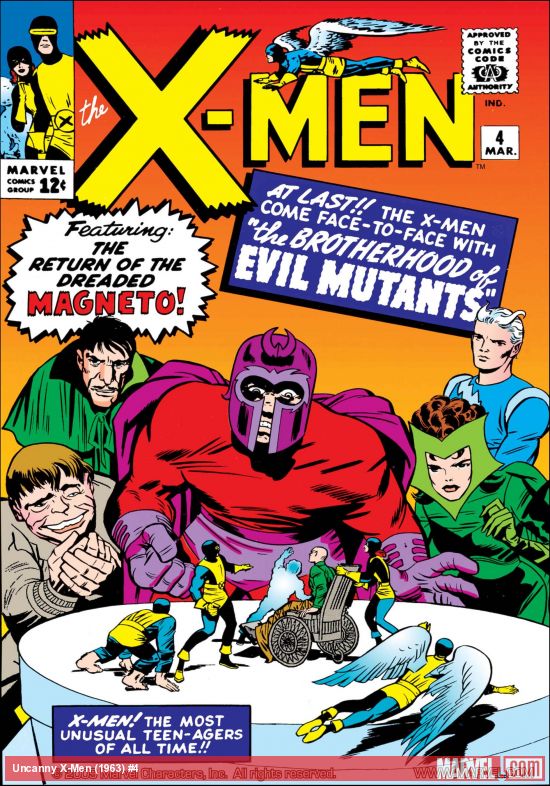
Uncanny X-Men #4 (1964), Marvel Comics
READ: America is Over the MCU: Fantastic 4 and X-Men Lost Their Audience Years Ago
He recounted, “So I had already given them their powers. And then it hit me. What if they’re mutants? What if they were born that way? I thought that was brilliant, and I ran into my publisher. And I told him about the characters. And I said, ‘We’ll make them mutants, and we’ll call the book The Mutants.’”
Lee went on, “And he said, ‘No, Stan, that’s no good because our readers wouldn’t know what a mutant is.’ And I said, ‘You don’t have enough respect for our readers. They will know. Or else they’ll learn by reading the story.’ He said, ‘No, I don’t like the name The Mutants.’ So I had to think of something else ’cause he was the boss.”
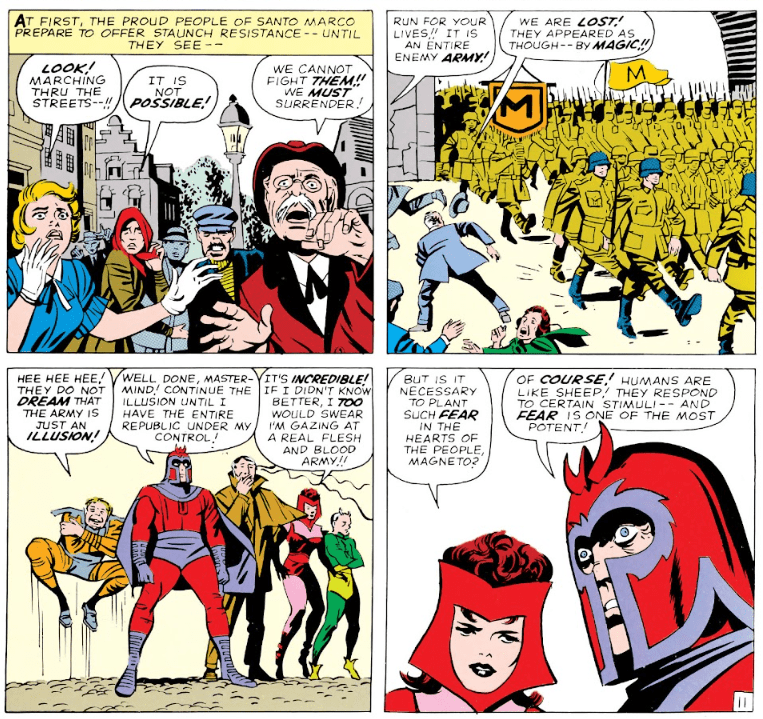
Uncanny X-Men #4 (1964), Marvel Comics
He then recalled, “So I thought, after a while, each of them has an extra power, maybe I’ll call them the X-Men. That could sound kind of dramatic. So I ran back to him and I said, ‘Okay, how about if we call them X-Men?’ And he said, ‘Oh, that’s great.’”
“And as I walked out of his office, I thought, ‘If a reader wouldn’t know what a mutant is how will he know what an X-Man is?’ But I wasn’t about to make an issue of it. I had my title and that’s why their leader, I called him Professor Xavier, ’cause it began with an ‘X,’ and that tied in with the X-Men and so forth,” Lee concluded.
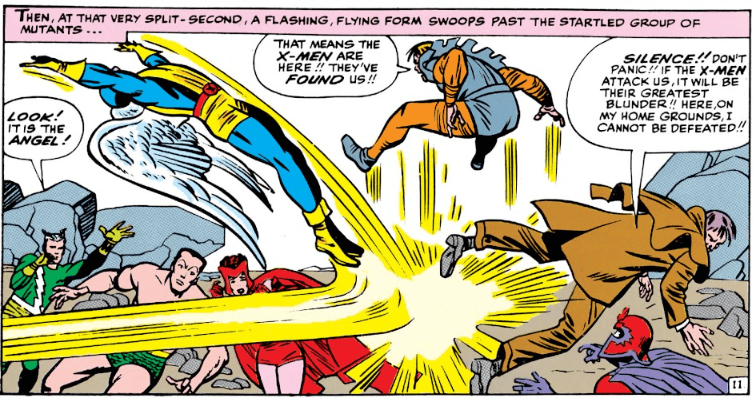
Uncanny X-Men #6 (1964), Marvel Comics
What do you make of Stan Lee’s comments?
NEXT: X-Men ’97 Showrunner Confirms Show Shifts to “Authentic Representation” In Re-Casting Original Roles
