


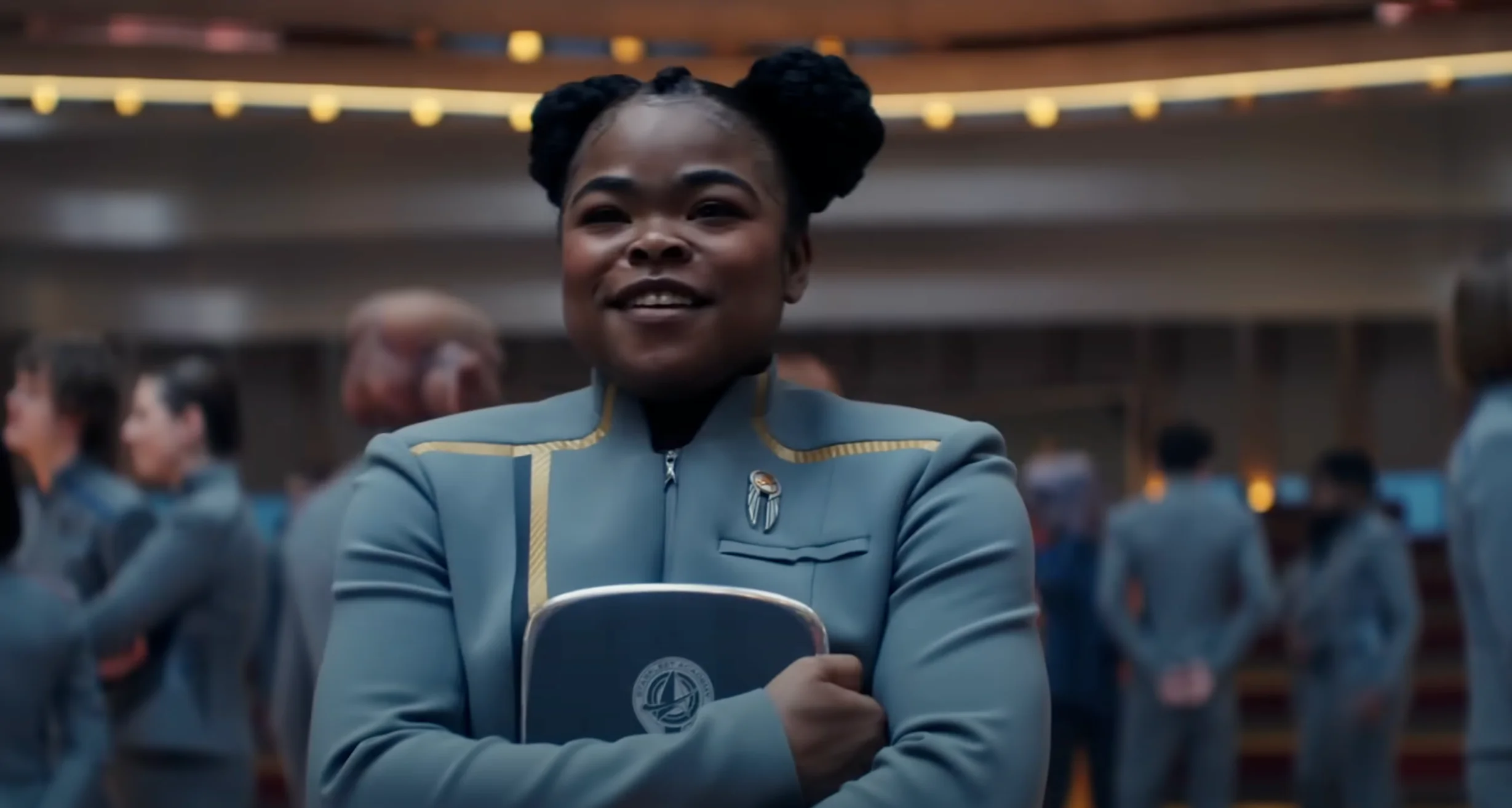
The debate around supposed Starfleet Academy review bombing has quickly become the latest flashpoint in the ongoing culture war between legacy franchises and their audiences — and now, even longtime Star Trek insiders are weighing in.
Following the rocky (to put it mildly) rollout of Star Trek: Starfleet Academy, a new narrative has begun circulating — one less focused on the show itself and more on the supposed consequences of fan backlash.
Some franchise insiders are now warning that sustained negative feedback and so-called “review bombing” could push Star Trek toward another long hiatus, or even threaten its viability in the streaming era altogether.
But that raises an uncomfortable question: if the current direction of the franchise isn’t resonating with audiences, would stepping away for a time really be such a bad thing — or could a pause be exactly what Star Trek needs to recalibrate and rediscover what made it endure for nearly 60 years?
Insider Claims Put Fans in the Crosshairs
The controversy escalated when veteran Star Trek artist Christopher Cushman publicly suggested that negative audience reactions could have long-term consequences for the franchise’s future.
Negative review bombing of Academy likely to end the possibility of shows like Legacy as well put Trek into 10-15 years of hiatus… Honestly with much of the negative rhetoric coming out before the airing of the first episode based on the trailer and stills… pic.twitter.com/Rlp9ILI6C2
— Christopher Cushman (@ChrisCushman2) February 17, 2026
According to Cushman, what’s happening to Starfleet Academy isn’t organic backlash but coordinated review bombing — and if it continues, it could jeopardize the viability of future shows and even send the franchise into a prolonged hiatus.
“Negative review bombing of Academy likely to end the possibility of shows like Legacy as well put Trek into 10-15 years of hiatus,” he said.
It’s a serious claim, one that frames fan criticism not as feedback, but as sabotage. Yet for many viewers, that accusation didn’t just miss the mark — it poured gasoline on an already burning debate.
The Critic vs. Audience Divide
At the center of the Starfleet Academy review bombing argument is the now-familiar ratings split.
Critics have largely embraced the series, with strong professional review scores. Audiences, however, have been far less enthusiastic, producing a significant gap between critic and viewer reception.
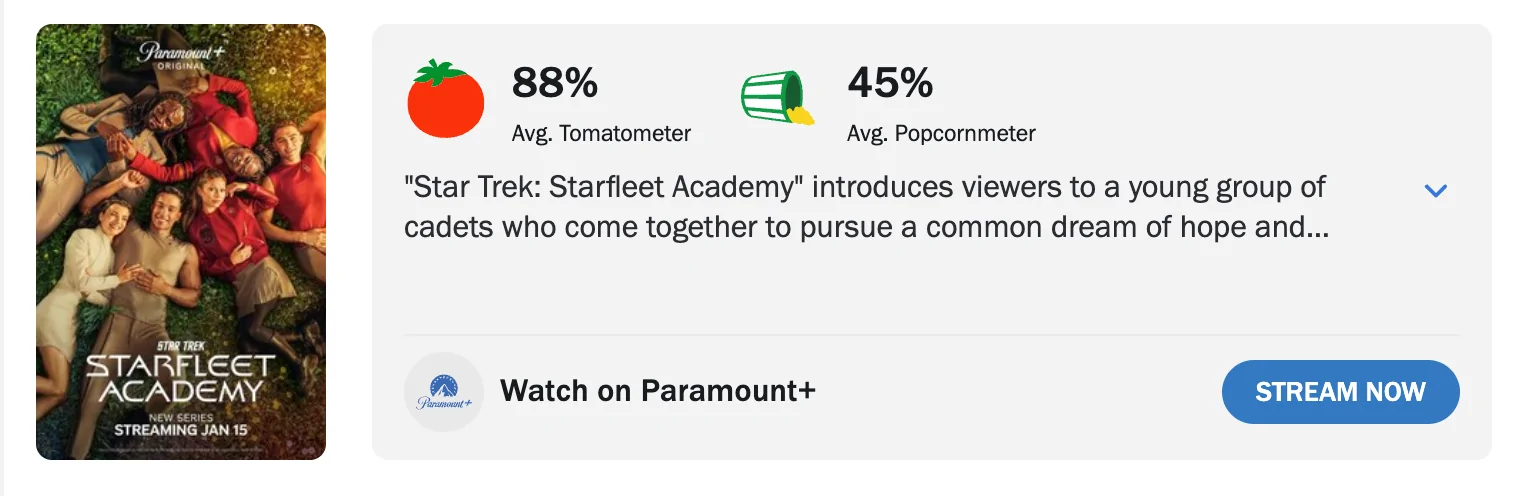
Starfleet Academy scores on Rotten Tomatoes – Rotten Tomatoes
While defenders of the show point to that disparity as evidence of coordinated negativity, critics of the claim argue the opposite: a divide doesn’t automatically signal manipulation — it can just as easily reflect a tonal or creative disconnect.
This pattern isn’t new. Similar critic-audience gaps have appeared across multiple franchise releases in recent years, often coinciding with shifts in tone, storytelling priorities, or target demographics.
Viewership Questions Complicate the Narrative
If negative reviews were purely the result of organized campaigns, conventional wisdom suggests viewership would remain strong while ratings dipped artificially.
But early performance indicators have raised additional questions.
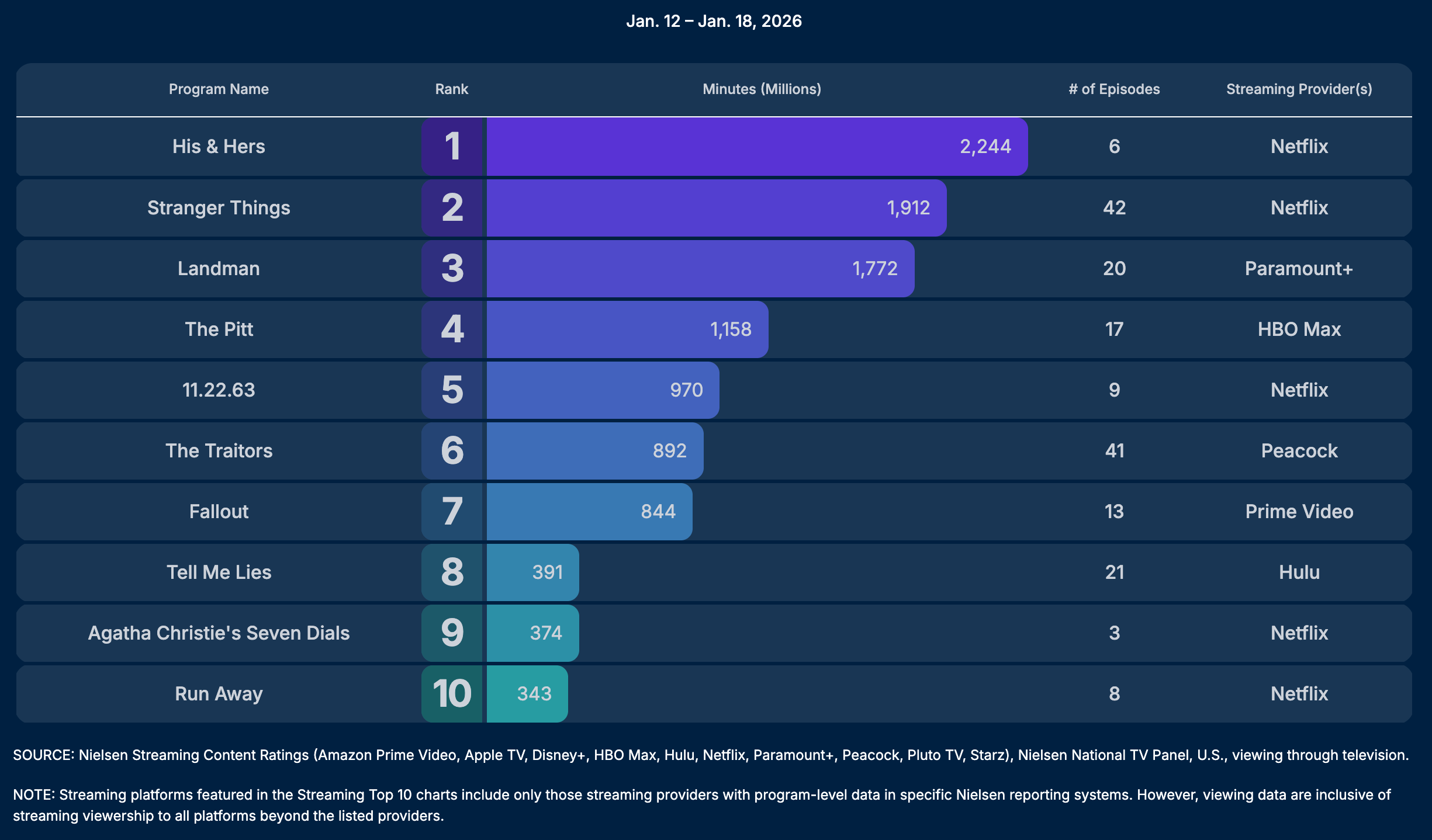
Nielsen Ratings for the Starfleet Academy Debut week – Nielsen
Streaming tracking data and third-party analytics from Nielsen have shown muted momentum following the show’s debut. Despite the brand recognition of Star Trek and a multi-episode launch strategy, the series struggled to generate the kind of sustained placement typically expected from a tentpole franchise release.
In the streaming era — where completion rates, minutes watched, and subscriber retention matter as much as raw viewership — that kind of soft engagement becomes harder to dismiss as mere trolling.
Franchise Fatigue or Fan Rejection?
Beyond review scores, the conversation has widened into a broader critique of modern franchise management.
Studios, under pressure from the streaming wars, have accelerated content pipelines, leaning heavily on established IP to drive subscriptions. The result has been a constant flow of new installments across multiple brands — sometimes at the expense of anticipation or creative refinement.
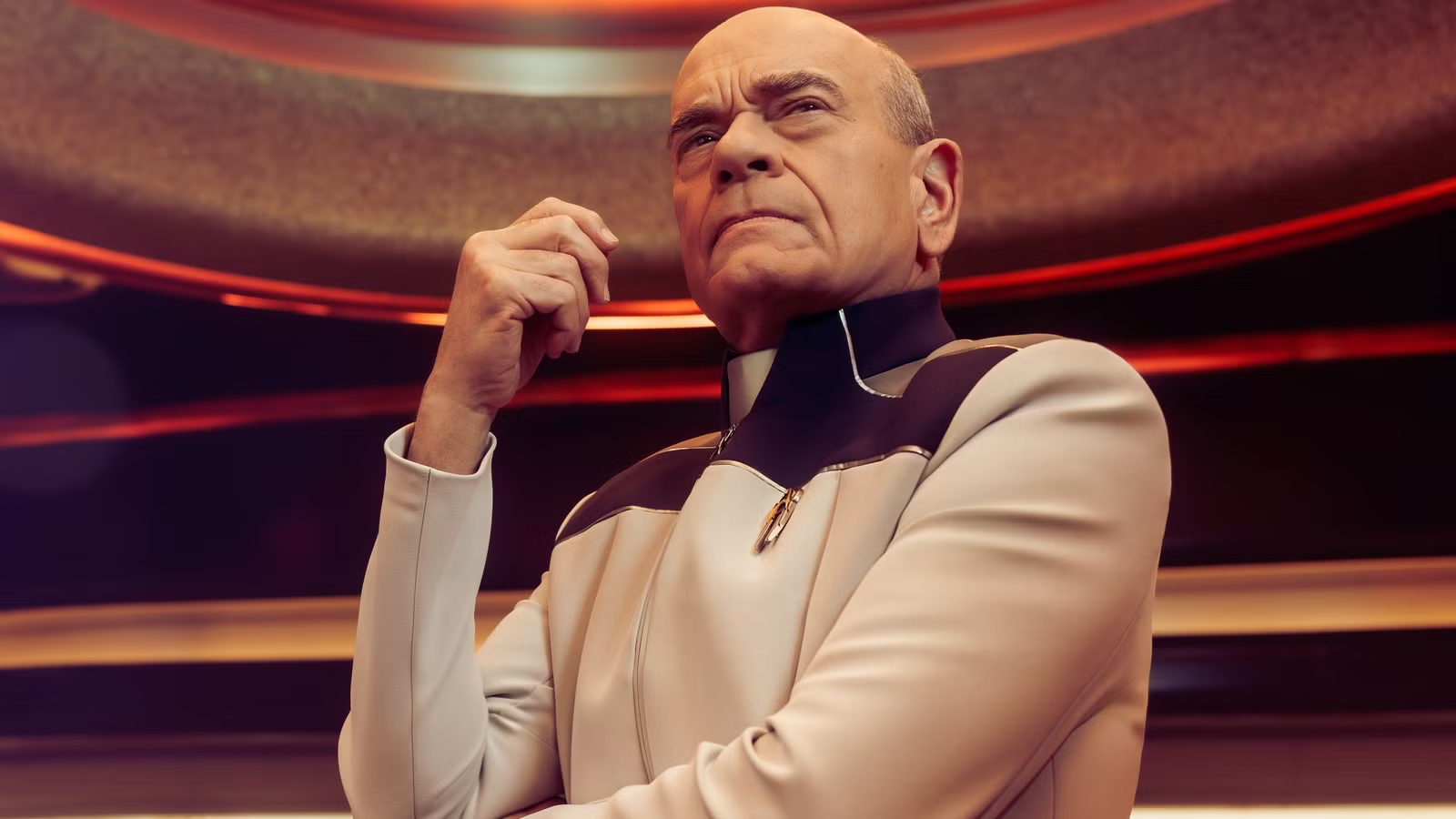
Robert Picardo as The Doctor in Star Trek: Starfleet Academy – Paramount
Franchise fatigue has become an increasingly common industry concern.
When audiences feel oversaturated, enthusiasm can erode. Event status disappears. What once felt special begins to feel routine.
From this perspective, lukewarm reception to Starfleet Academy may reflect macro-level brand exhaustion rather than targeted hostility.
Leadership and Creative Direction Under Scrutiny
The debate has also pulled franchise leadership into focus — particularly the stewardship of the modern Star Trek television era under executive producer Alex Kurtzman.
For years, Kurtzman has overseen the expansion of Star Trek across multiple streaming series. While that strategy dramatically increased output, it also introduced creative shifts that have divided longtime fans.
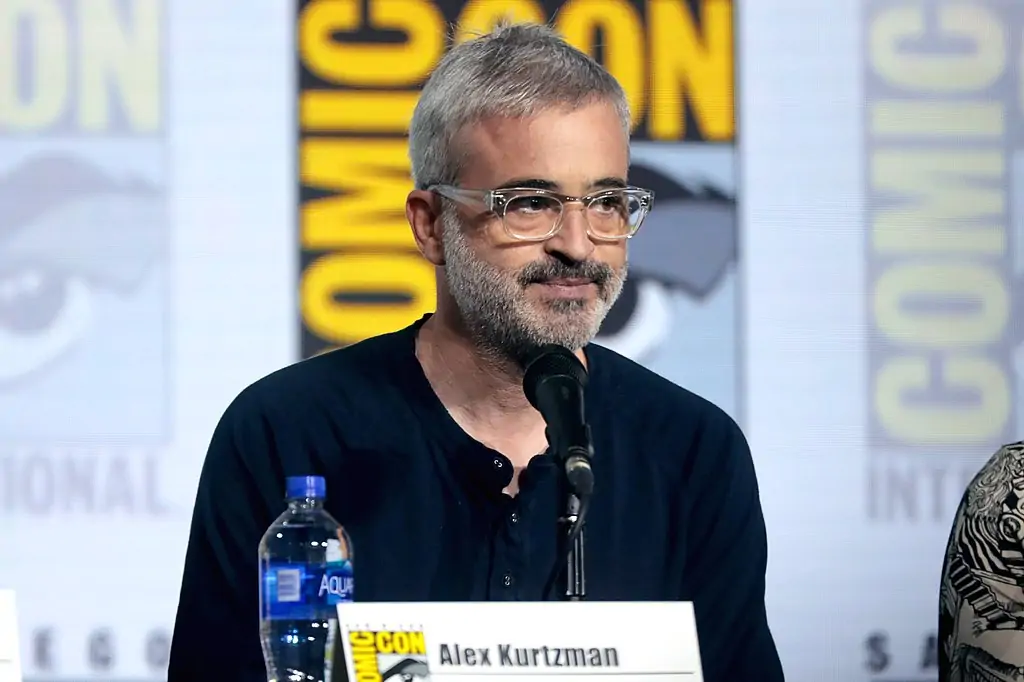
Alex Kurtzman speaking at the 2019 San Diego Comic Con International, for “Star Trek: Discovery”, at the San Diego Convention Center in San Diego, California. Photo Credit: Gage Skidmore from Peoria, AZ, United States of America, CC BY-SA 2.0 <https://creativecommons.org/licenses/by-sa/2.0>, via Wikimedia Commons
Critics argue that if multiple projects under the same leadership face similar audience reception challenges, responsibility shouldn’t fall on viewers.
After all, fans don’t greenlight scripts, map story arcs, or set tonal direction. They react to what’s delivered.
Are Fans Being Asked to Support What They Don’t Enjoy?
One of the more controversial elements of the Starfleet Academy review bombing discourse is the implied expectation that fans should support franchise entries for the good of the brand — regardless of personal reception.
For many viewers, that framing feels less like community and more like obligation.
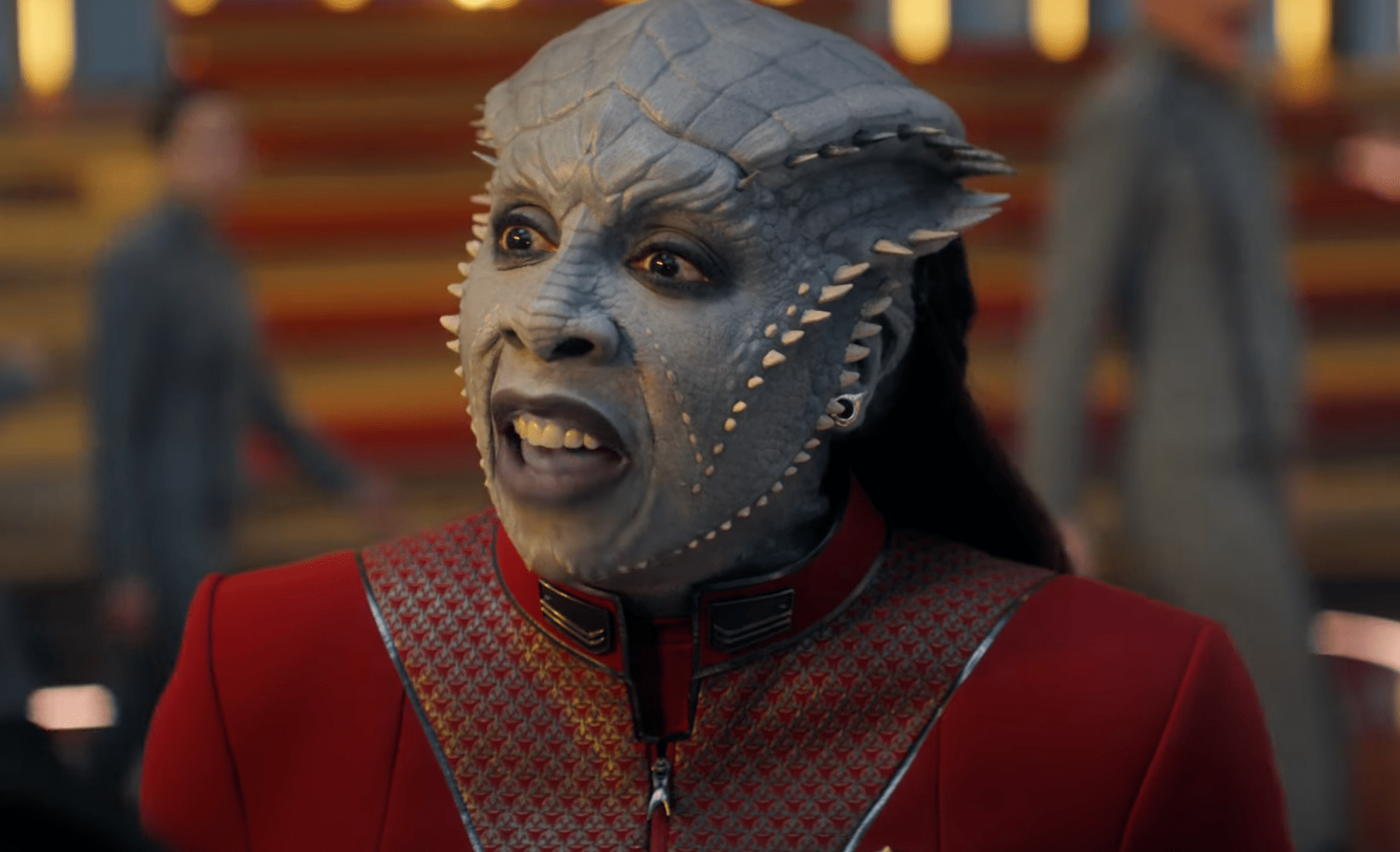
A screenshot from Star Trek Starfleet Academy – YouTube, Paramount Plus
Audiences historically reward what they connect with and disengage from what they don’t. That feedback loop has shaped entertainment for decades, long before audience score aggregators existed.
Artificially inflating reception metrics may protect optics in the short term, critics argue, but it doesn’t address underlying creative concerns.
The Bigger Picture for Star Trek
If Starfleet Academy ultimately underperforms, the long-term implications for Star Trek remain uncertain.
Hiatuses, while often framed as catastrophic, have historically allowed major franchises to recalibrate. Periods of absence can rebuild anticipation, reset creative direction, and restore brand prestige.
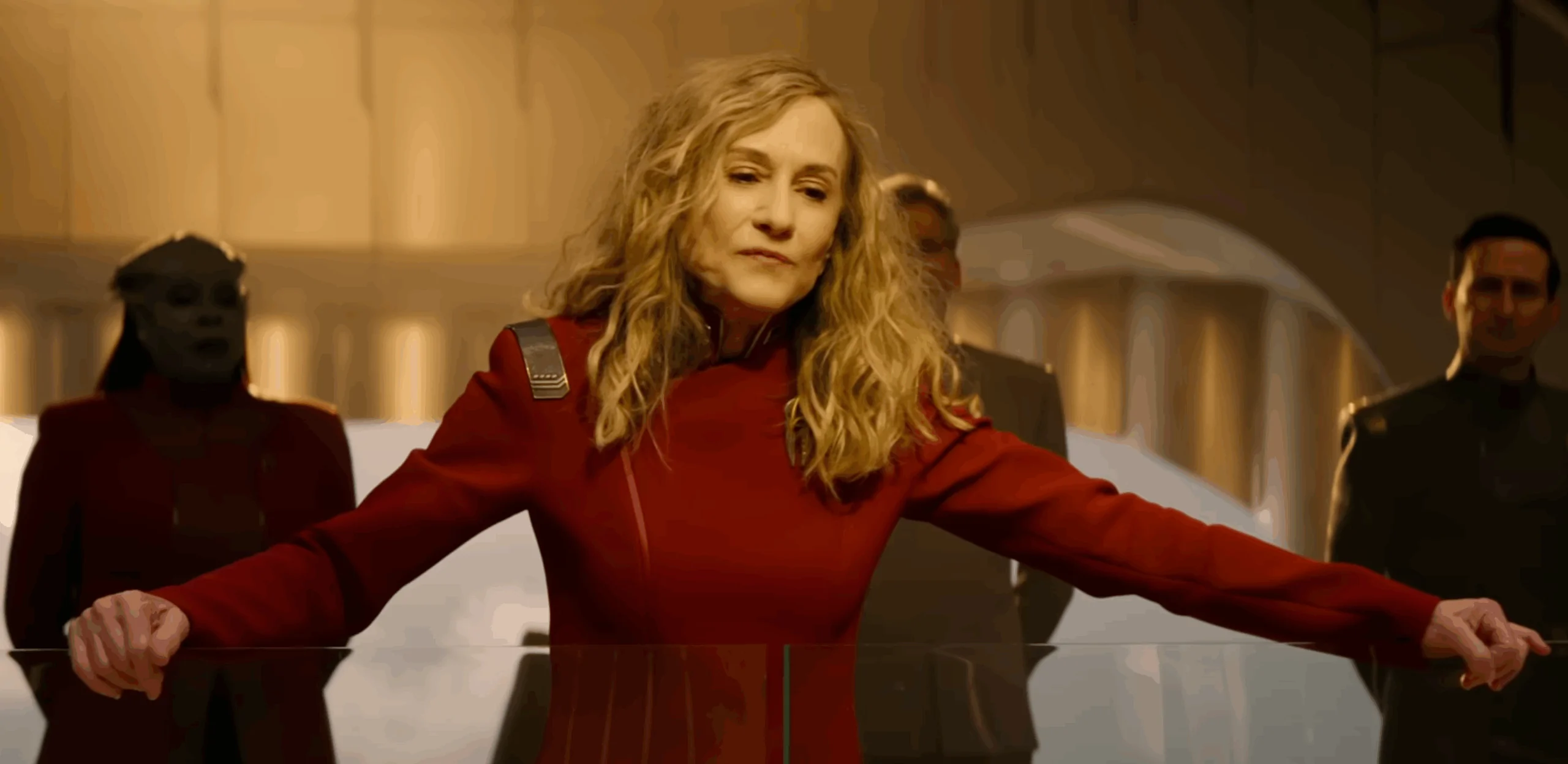
A screenshot from the trailer to Star Trek Starfleet Academy – YouTube, Paramount Pictures
The original Star Trek itself experienced revival after dormancy — proving that pauses aren’t always death sentences.
Fans vs. Franchise — Or Fans vs. Framing?
At its core, the Starfleet Academy review bombing debate isn’t just about one show.
It’s about how studios interpret criticism.
Is negative reception evidence of organized bad actors? Or is it a reflection of genuine audience sentiment?
If Trek fails fans will have an equal share in that outcome. My past criticism has always been vocal about the destruction of TOS storylines… Academy is 1000 years in the future and poses little to no risk to that continuity… if you hate it don’t watch!
— Christopher Cushman (@ChrisCushman2) February 17, 2026
Blaming coordinated campaigns may be easier than confronting creative misfires, but it risks deepening the divide between franchises and the fanbases that sustained them for decades.
Because if audiences feel dismissed rather than heard, the fallout extends far beyond a single Rotten Tomatoes score.
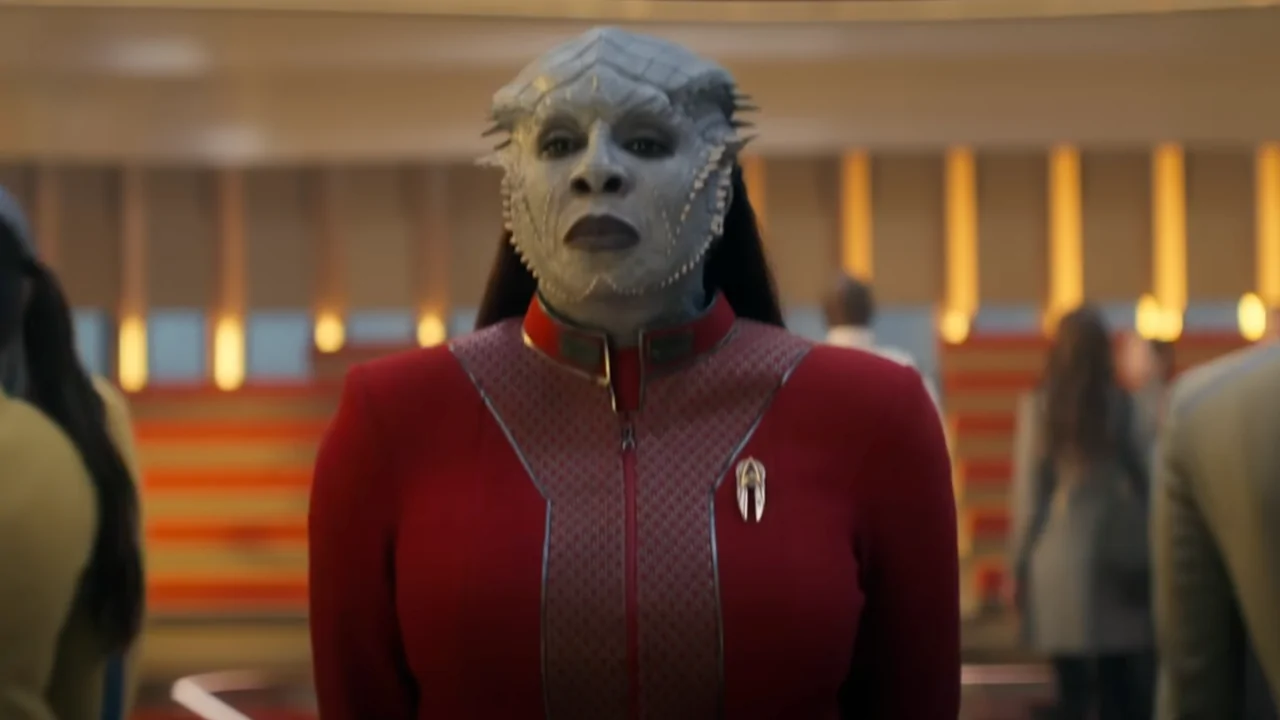
A screenshot from the trailer to Star Trek Starfleet Academy – YouTube, Paramount Pictures
And in an era where viewer loyalty is no longer guaranteed, that disconnect may prove far more damaging than any alleged review bombing campaign.
What’s your opinion on allegations of review bombing for Starfleet Academy? Sound off in the comments and let us know!
