


Disney has spent years trying to tell us that it’s Star Wars sequel trilogy wasn’t a failure. Despite declining box office revenue and exploding costs leading to its grand finale The Rise of Skywalker likely losing money with a billion dollar showing, Disney and Lucasfilm have been insistent that there were “more Star Wars stories in front of us than behind us.”
Lucasfilm has spent years betting that younger audiences would eventually embrace its version of Star Wars. That if they just waited long enough, the sequel trilogy would become “their” generation’s saga.
The idea that the failure of the Star Wars sequel trilogy would eventually correct itself through a new generation of fans has been one of Disney’s quietest—and riskiest—assumptions. The thinking was simple: kids who grew up with Rey, Kylo Ren, and the First Order would eventually embrace those films the same way Millennials embraced the prequels.
A decade on and that doesn’t appear to be happening.

LOS ANGELES, CALIFORNIA – MAY 23: Kathleen Kennedy, President, Lucasfilm attends the launch event for Lucasfilm’s new Star Wars series The Acolyte at the El Capitan Theatre in Hollywood, California on May 23, 2024. (Photo by Alberto E. Rodriguez/Getty Images for Disney)
A recent interview conducted by Matthew Belloni for Puck News offers a blunt snapshot of where things stand. Belloni sat down with a group of high school students to talk about Hollywood, covering everything from Marvel to directors like Christopher Nolan. But when the conversation turned to Star Wars, something striking happened.
There wasn’t much to talk about.
A Franchise That Barely Registers
When asked about Star Wars, the teens didn’t debate storylines, characters, or upcoming films. Instead, the conversation was brief—and dismissive.
“I like the old stuff, but the new stuff… nah. I’m not too excited for The Mandalorian. I never watched it, personally,” one teen said.
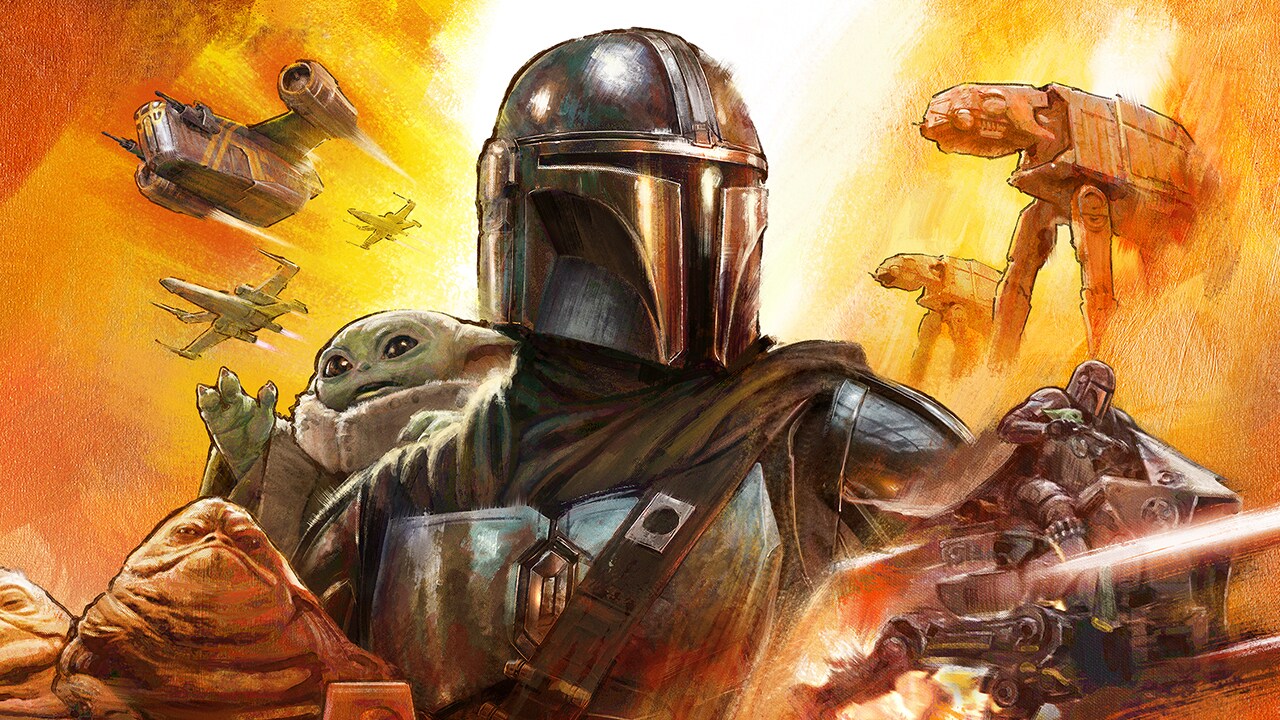
A piece of the Mandalorian and Grogu movie poster – Disney
Another didn’t even bother sugarcoating it: “Anything that came out after I was born isn’t that great.”
The only semi-positive mention came with a caveat. “Star Wars has been quiet lately, but I liked Andor a lot,” another added—before the conversation quickly moved on.
It should be noted that Andor broke the mold of modern Disney Star Wars storytelling. Instead of progressive ideology and a push toward female heroes, the series was dark, gritty, male focused, and centered around the original trilogy era. That’s a far cry from the endless space witches of Dave Filoni approved projects.

Grogu eating a cookie – Star Wars, YouTube
Then came the kind of comment Disney should be paying very close attention to.
“Baby Yoda is creepy!” one teen said. “At the Oscars he looked like an animatronic.”
That’s not outrage, like the kind we see from Gen X and Millennial Star Wars fans who feel betrayed by the franchise’s hard left turn. What we’re seeing from these Gen Z teens is actually something much worse.
Indifference.
The Nostalgia Plan Isn’t Working
For years, Disney has leaned on the assumption that younger audiences would eventually form a nostalgic attachment to the sequel trilogy—The Force Awakens, The Last Jedi, and The Rise of Skywalker. That emotional connection was supposed to fuel future films, merchandise, and spin-offs.
But if this interview is even remotely representative, that foundation simply isn’t there.

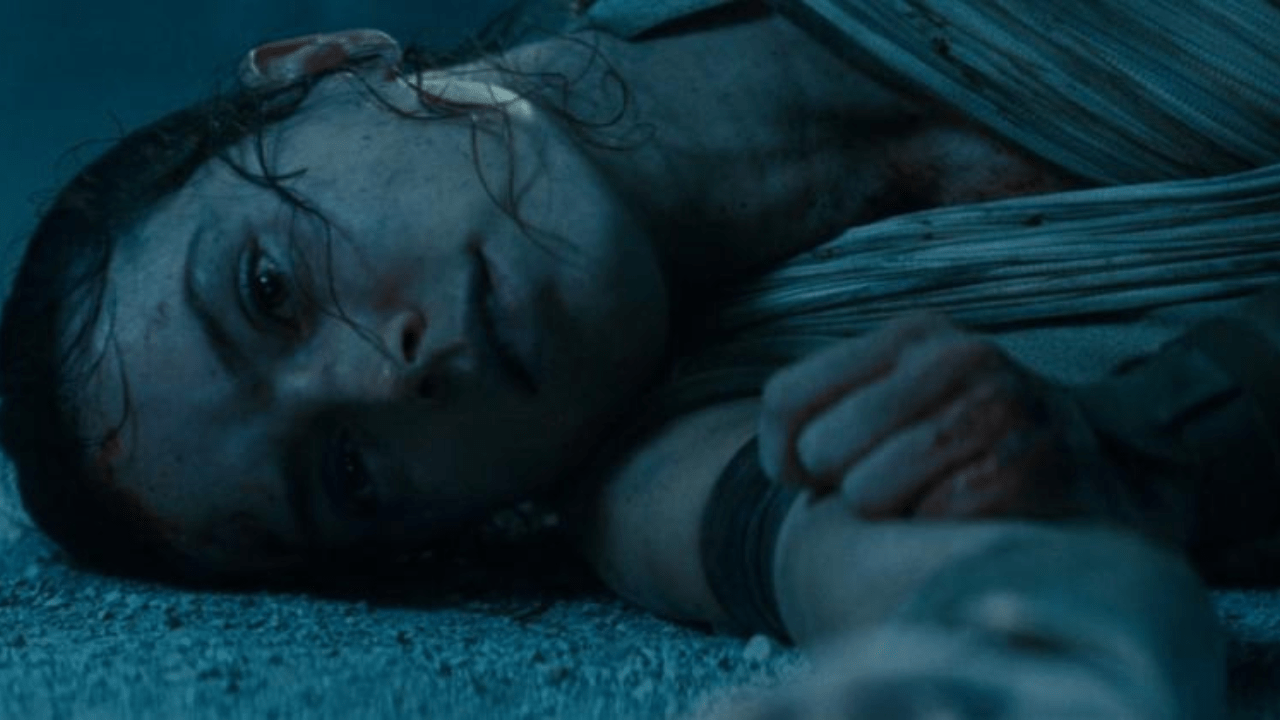
Adam Driver as Ben Solo kisses Daisy Ridley as Rey in Star Wars: The Rise of Skywalker (2019), Lucasfilm
These teens aren’t defending the sequels. They aren’t re-evaluating them. They’re not even arguing about them.
They’re ignoring them.
And that lines up with what we’ve seen elsewhere.
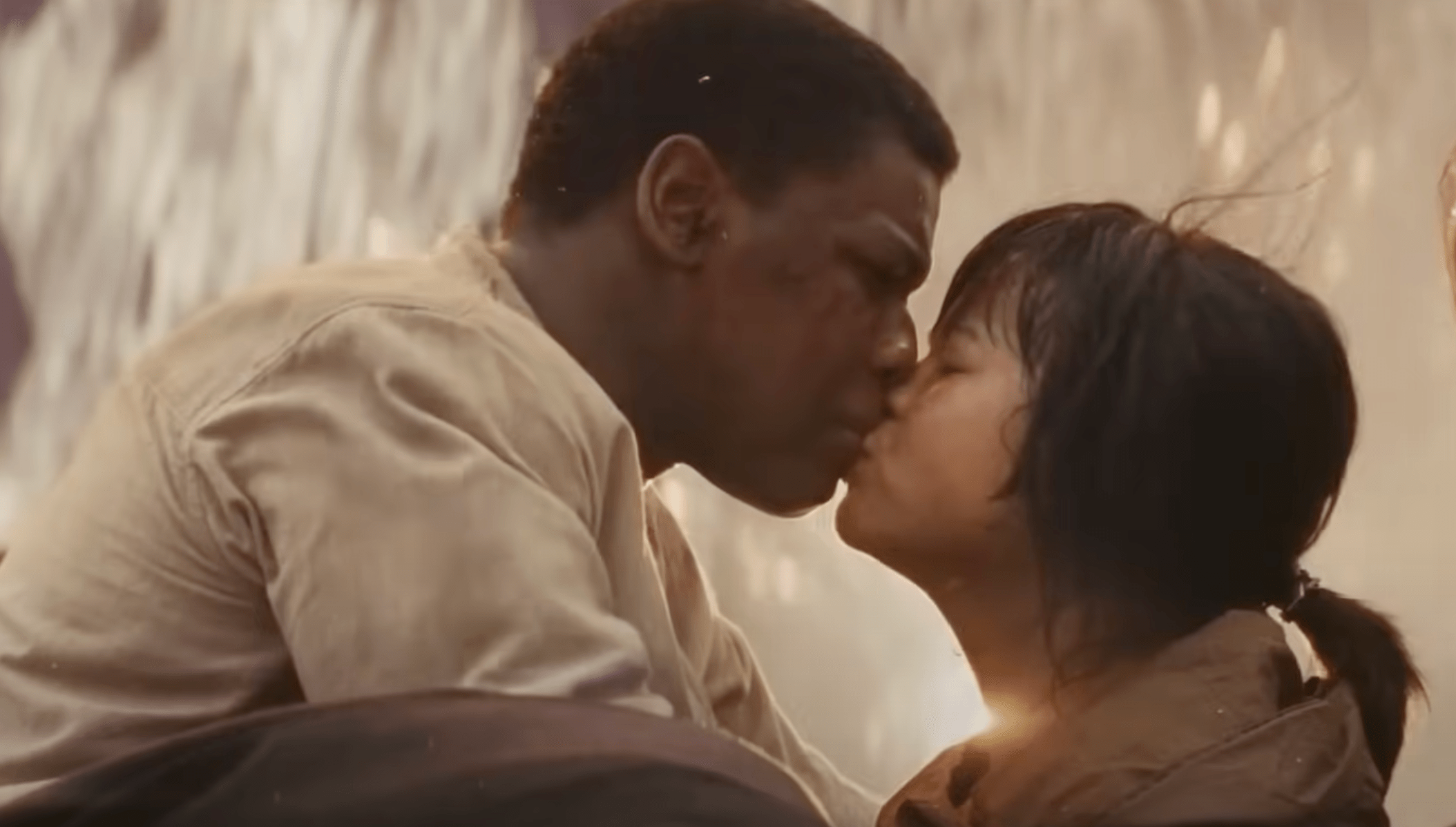
Kelly Marie Tran as Rose Tico kisses Finn, played by John Boyega in Star Wars Episode VIII: The Last Jedi – Disney+
Disney recently rolled out a merchandise campaign featuring spirit jerseys inspired by Episodes I through VI—noticeably excluding the sequel trilogy entirely. For a company that normally squeezes every drop of value out of its IP, that omission speaks volumes about just how Lucasfilm under its new leadership (and perhaps Disney as a whole) view Kathleen Kennedy’s Magnum Opus.
Stalled Projects Tell the Same Story
On the film side, the cracks are just as obvious.
The long-discussed Hunt for Ben Solo concept was rejected by Disney and after a swell of online audience support that critics believe was manufactured, disappeared from the conversation entirely. Meanwhile, the announced Rey-centered film starring Daisy Ridley has shown little meaningful forward momentum since its reveal and doesn’t even have a finished script.
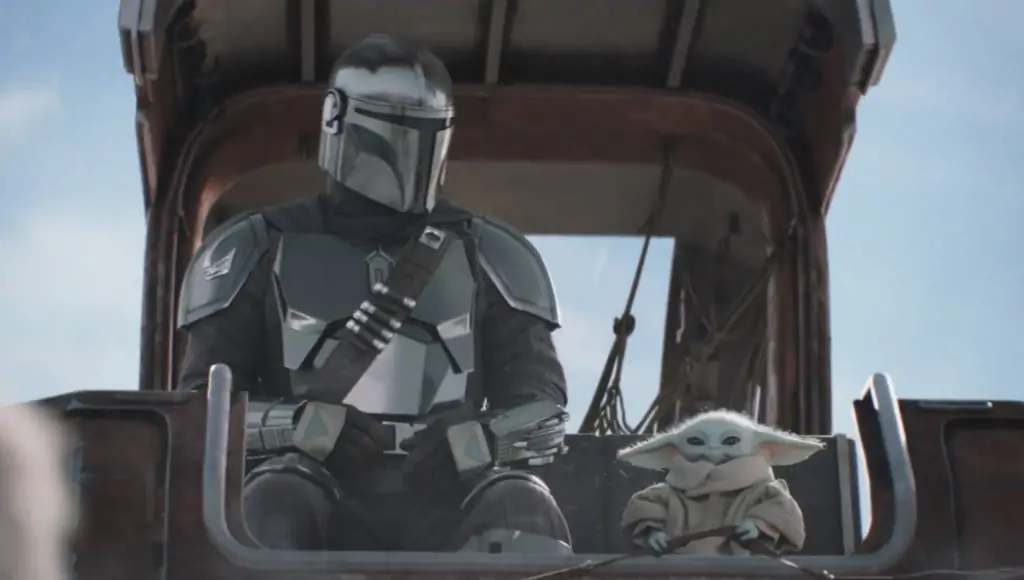
A screenshot from The Mandalorian and Grogu Super Bowl spot – Lucasfilm
And then there’s The Mandalorian and Grogu—Disney’s attempt to bring its most successful streaming storyline to theaters.
Early tracking suggests an opening weekend around $80 million. If that holds, it would mark the lowest theatrical debut in Star Wars history. And this will be the first Star Wars theatrical release since The Rise of Skywalker in 2019.
For a franchise that once defined blockbuster dominance, that’s a blazing warning sign.
A Brand That Lost Its Center
What makes this moment particularly telling is that the issue doesn’t appear to be a lack of awareness. These teens know Star Wars. They’ve grown up in a world saturated with it.
They just don’t feel connected to it.
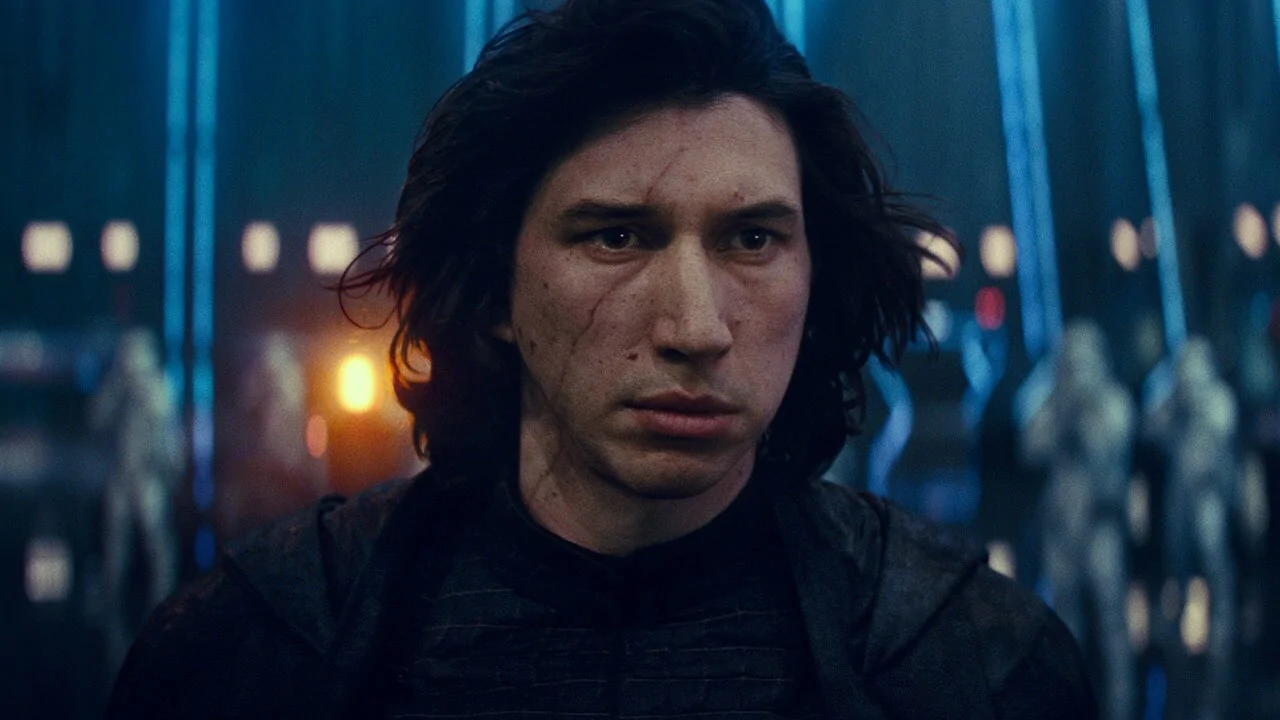
Kylo Ren in the Star Wars Sequels – Disney+
Instead, their enthusiasm is directed elsewhere—toward Sony’s Spider-Man (not Disney Marvel projects), major directors, and original theatrical experiences that feel like “events.” Even films like Project Hail Mary generated more excitement in the discussion than anything related to Star Wars.
That’s a dramatic shift for a franchise that once defined what an “event movie” even meant.
Time for a Course Correction
If Disney is still banking on sequel trilogy nostalgia to carry Star Wars into the next decade, it may be time to rethink that strategy.
Because the audience they were counting on doesn’t seem interested.

Poe Dameron in The Rise of Skywalker – Disney+
The path forward likely isn’t doubling down on the same characters and storylines that failed to resonate. It’s returning to what made the franchise work in the first place—compelling characters, clear mythology, and stories that feel grounded rather than manufactured.
Whether that means revisiting legacy characters or building entirely new narratives rooted in the original spirit of the franchise, one thing is becoming harder to ignore:
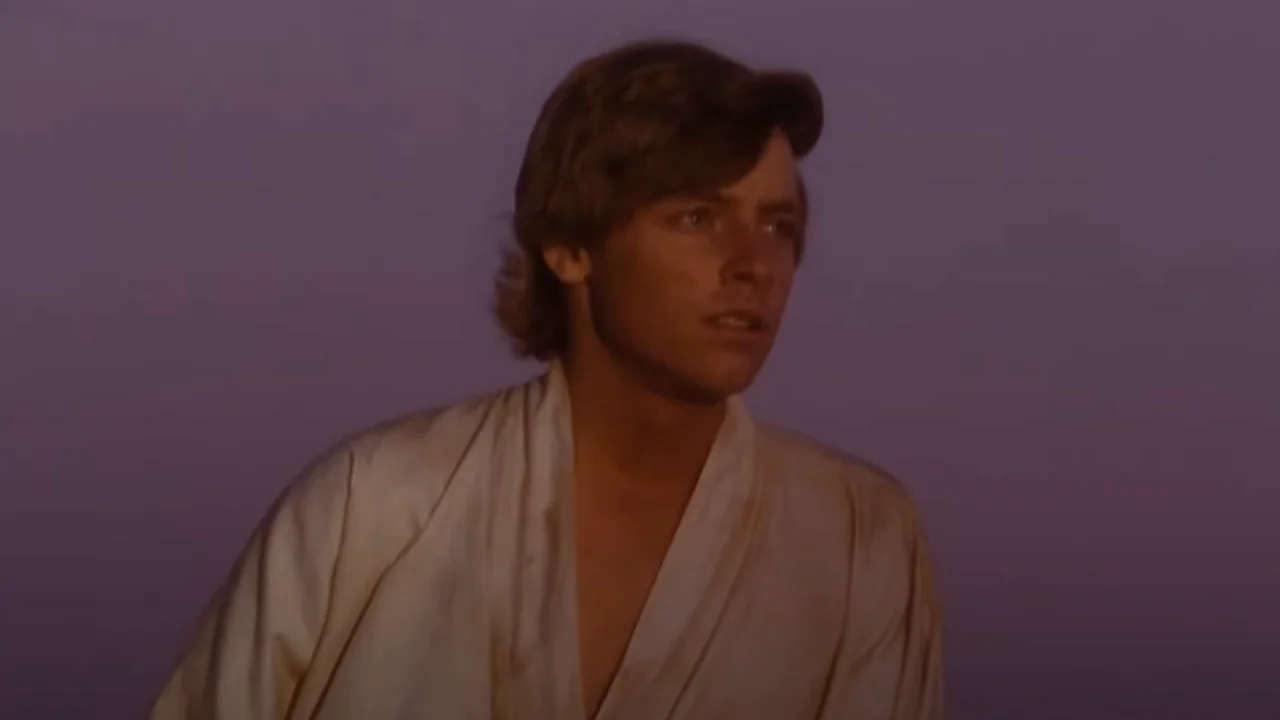
Luke Skywalker watches the Tatooine sunset in Star Wars Episode IV: A New Hope – YouTube, Collective Culture
Right now, Star Wars isn’t being rejected by younger audiences. It’s being forgotten entirely.
Do you think the Star Wars sequel trilogy is officially a failure? Sound off in the comments and let us know!
