

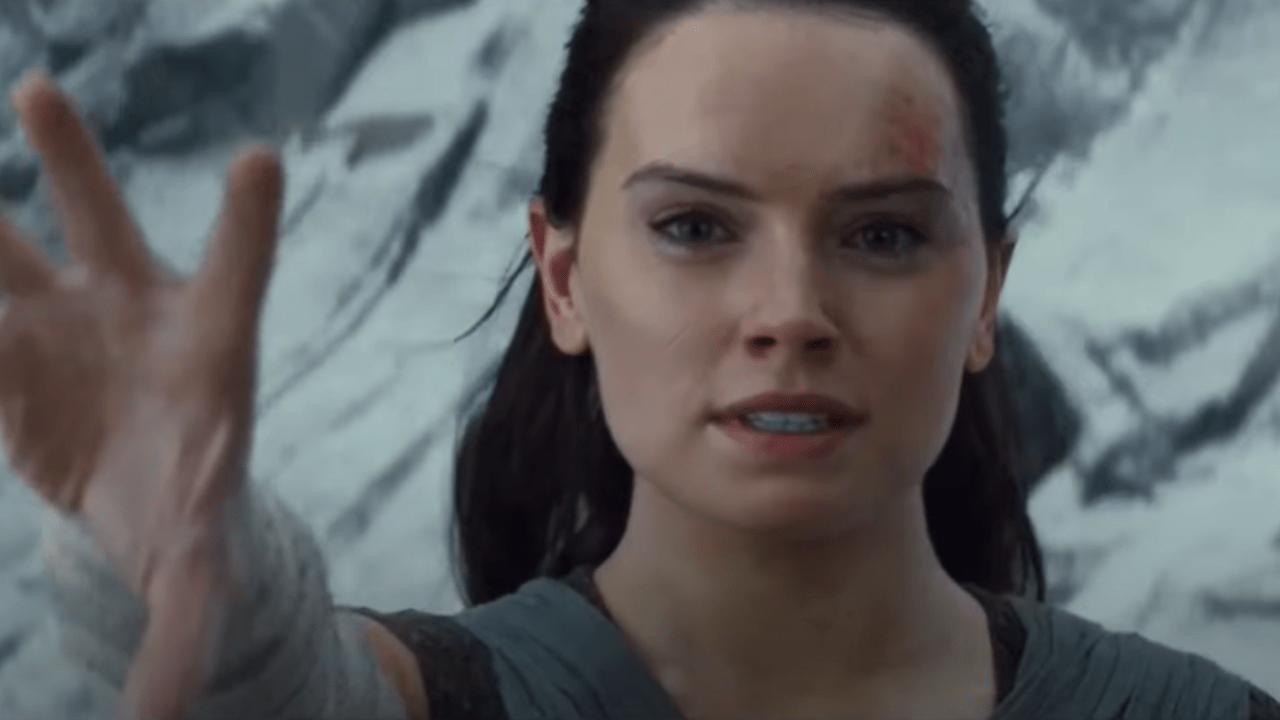
The Disney era of Star Wars has been, to put it mildly, deeply divisive. The sequel trilogy—The Force Awakens, The Last Jedi, and The Rise of Skywalker—sparked the debate and has remained at the heart of it ever since. Yet one performer from the films believes audiences will eventually come around, even going so far as to claim the sequels could become as beloved as the prequel trilogy of the early 2000s.

Liam Neeson as Qui-Gon Jinn and Samuel L. Jackson as Mace Windu in in Star Wars Episode I – The Phantom Menace (1999), Lucasfilm
READ: Oriental Land Company Announces Disney Cruise Operations in Japan
It’s a hopeful prediction that has surfaced since The Force Awakens premiered over a decade ago. Still, for many fans, opinions remain firmly unchanged.
A Puppeteer Speaks Out
Brian Herring was one of the puppeteers behind BB-8 and the porgs in the sequel trilogy. These characters were widely seen as attempts to create a new R2-D2 or Ewoks for a younger generation. Yet their appeal remains debated, much like the sequels themselves. Still, Herring is confident this will change.
His optimism draws on the evolving reception of the prequels. In a recent interview with Gamereactor, Herring explained: “I think the sequels are no more polarizing than the prequels were when they came out.”
He added that the internet has amplified criticism. If online fan communities had existed during George Lucas’s prequels, he believes the backlash would have been similar.

Ahmed Best as Jar Jar Binks in Star Wars Episode II: Attack of the Clones (2002), Lucasfilm
READ: ‘Daredevil: Born Again’ Cast Makes Marvel Political Again
“I think in 10 years’ time, you’re going to see what you’re seeing with the sequels, because the sequels have a huge fan base and I meet them all the time, but they’re all much younger than the people complaining on the internet about how much they didn’t like,” Herring explained. “It’s perfectly fine, if you don’t like them, you don’t like them. Everything’s not for everyone.”
It’s a bold prediction, and one that may not hold up to scrutiny. Herring points to the prequels’ eventual appreciation—but that comparison overlooks a key difference: Lucas’s singular vision.
The Authority of George Lucas
While fan reaction to the prequels was harsh at the time, some prominent voices offered praise. Film critic Roger Ebert gave Star Wars: Episode I – The Phantom Menace three-and-a-half stars out of four. Much of his praise focused on the groundbreaking visual effects. He also noted that “within the rules he has established, Lucas tells a good story.”
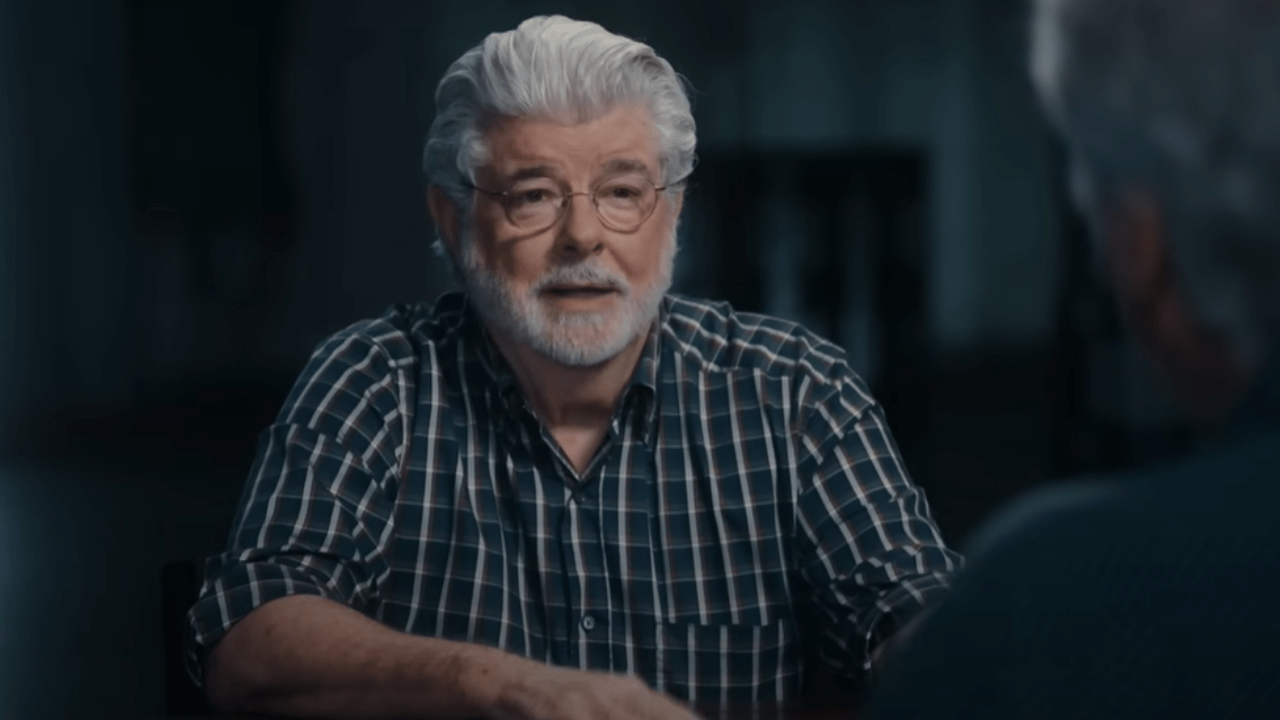
George Lucas via AMC+ YouTube
READ: Gutfeld Continues to Dominate Late Night Viewership as Ratings Dwarf Colbert, Kimmel
The singular vision of George Lucas—for better or worse—gives the prequels an authority other Star Wars projects cannot match. Some online commentators also suggest that kids at the time genuinely enjoyed the prequels. That affection has carried forward, passed down to new generations. In contrast, younger audiences today show little interest in Disney’s sequels.
Disney Distancing Itself
Disney also seems to be distancing itself from the sequels. At Disneyland, Galaxy’s Edge is scaling back and focus is moving toward the original trilogy. Although new projects featuring sequel characters like Rey have been announced, they have not been spoken of since. Another project, The Hunt for Ben Solo, was rejected by Disney executives despite Lucasfilm’s support.

Adam Driver as Kylo Ren in The Force Awakens (2015), Lucasfilm
Ultimately, it has been ten years since The Force Awakens premiered, and it has yet to inspire any real nostalgia.
Many fans doubt another decade will change that. Whether Herring is right—that the sequels will become as beloved as the prequels—seems increasingly improbable, given the sequels’ faltering cultural impact.
Do you think the sequels will improve with time? Let us know in the comments!
UP NEXT: Before Executives Took Credit, Tony Baxter Built the Disney Parks You Love


And here are the real, simple reasons.
First: Most prequel haters only hate Episodes 1 and 2. But they like or even love Episode 3. That’s why they’ve found peace with it. Episode 9 just wasn’t that for the people.
Second: Multiple generations of kids grew up with watching TCW on TV. They love the characters so they love the movies, too. They have a completely different point of view than OG fans or cinema fans on these movies.
The sequels wether have a series that keeps their characters alive, nor a tv that makes new generation of kids watching star wars. And that can’t be fixed easily because even if they do series they only reach Disney+ customers, who are already Star Wars fans for the most part.
“Disney also seems to be distancing itself from the sequels”
That’s a good point. Disney got the message that the force isn’t female. Or, did it?
As they say, Hollywood learns the wrong lessons: probably because mega-rich globalists secretly pay it to do so. Are those massive budgets needed for sufficient money-laundering? Journalists talk about “Hollywood accounting” like it’s almost a benign joke, that it’s just the way things are done: but, actually it’s crime (organised crime) as I see it. Like charities, etc.
How can we not like Rey Mary Sue Palpatine? I mean, she’s even Kathleen Kennedy’s fantasy feminist heroine, what’s not to like? She could do anything, she’s so smart. Flying a knackered spaceship with zero training, after being brought up a peasant away from technology? Miss Palpatine did it! It’s so awesome. What a role model. Girls, you don’t need no education, you can just do anything, like magic. Light sabres? Only MEN need training to use them things, don’t you know.
All hail Rey Palpatine. (Do as you’re told, muggles!)
She can emit a light sabre beam right from her vagina.
“The Disney era of Star Wars has been, to put it mildly, deeply divisive”
Actually it wasn’t. It didn’t divide the audience at all, which is what “divisive” means. The audience simply rejected it, acting as an undivided unit.
The theory that Disney Star Wars is sh*t is not at all controversial, outside a few of the wokest cast and crew on copium.
Divisive means, half loved it, half hated it, the word divisive stems from “Divide”. Disney did not divide the audience, it drove the audience away, as one flock.
“given the sequels’ faltering cultural impact”
Bullshit. The sequels are woke garbage, that’s why they are despised.
Well, Brian Herring hasn’t a damned clue what he’s talking about. Episode III gave fans something to chew on. The Disney trilogy is a farce that has done more to kill SW than anything George Lucas did in Episodes I and II. That isn’t including the disasters that were the spin-off and character films, or shows like The Wokealyte that only cemented the death of “official” SW lore from Lucasfilm.
I am trying to think like someone who is far away from politics and culture of our country, someone simply ignorant.
As such person, I take box office as the main point to prove my point. Did they sell well? Yes, they did. As a result, I conclude that Disney SW movies can indeed become as popular as the original movies.
But that is shortsightedness. Because if he was able to study how unpopular SW shows were, he would realize that
SW is in active fall, getting lower and lower. They cancelled sh*tload of movies in SW world. Why? Because they have statistics and all the data which they hide well. They know that SW is a dying brand. Their movies could convince some that they are doing just fine. But in year 2026, it is obvious–there is no future for Star Wars.
You dont need a R2-D2 for the younger audience. Artoo is for all ages
lol nope
People did used to dismiss the prequels at the time and grew to like them more, but I don’t think woke content at all is memorable. The characters are hollow and narcissistic. and when you have this whole girl boss narrative with nothing to emotionally connect with the character, then I see no reason to be nostalgic towards anything woke people create. It’s all so forgettable.