


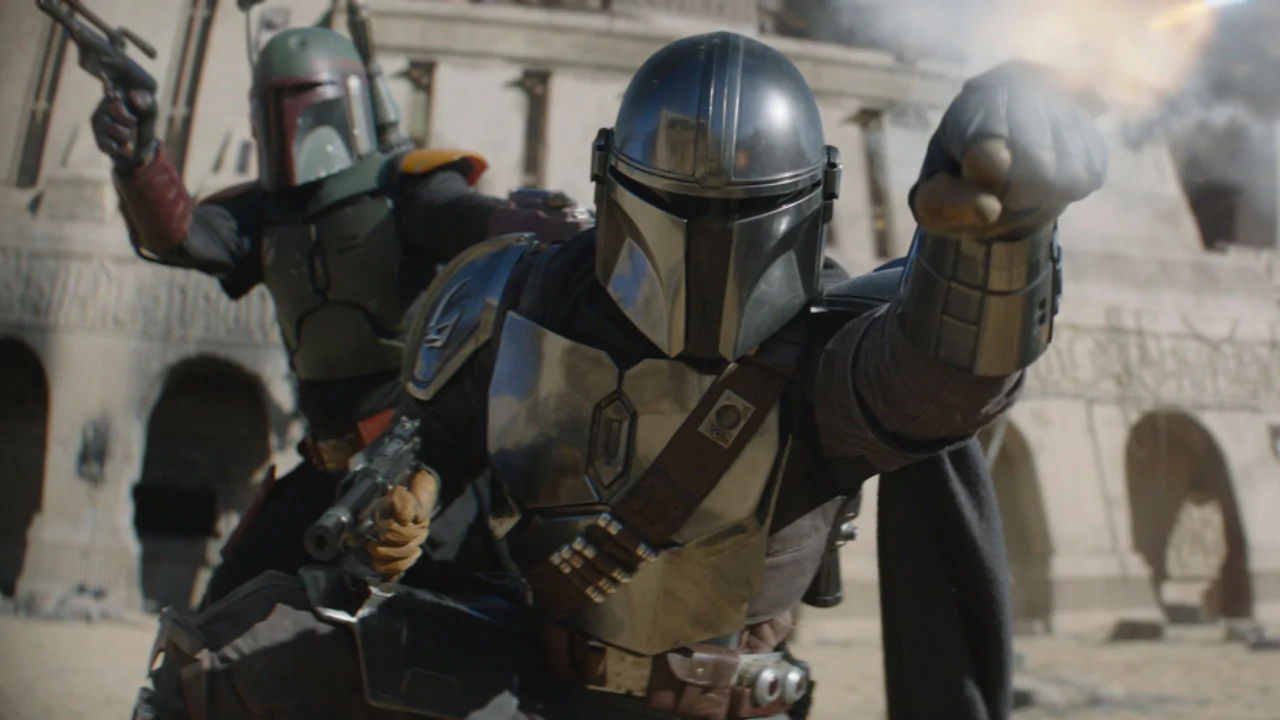
Disney and Lucasfilm have been telling boys that Star Wars isn’t for them since the sequel trilogy kicked off in 2015. So why should any boy born in the Disney era care at all about The Mandalorian and Grogu?
For years, Disney and Lucasfilm insisted that Star Wars needed to “evolve.” Kathleen Kennedy’s Lucasfilm repeatedly framed the franchise as something that had to move beyond its traditional audience and embrace a “modern” identity.
The messaging wasn’t subtle either. Between “The Force is Female” branding, endless access-media lectures about toxic fandom, and storytelling that often portrayed legacy male heroes as broken failures, a generation of young boys grew up hearing one consistent message:
This franchise wasn’t for them.
And now Disney is releasing The Mandalorian and Grogu — a movie very clearly designed to appeal to 13-year-old boys.
There’s an irony there that Lucasfilm doesn’t seem willing to acknowledge. Because if you spend a decade telling your historic core audience that they’re the problem, eventually they stop caring.
The Mandalorian and Grogu Is Built Like Old-School Boy Adventure Fiction
Strip away the branding and The Mandalorian and Grogu is classic adolescent fantasy escapism.
You have:
- armored bounty hunters,
- giant monster fights,
- laser battles,
- cool ships,
- silent stoic heroes,
- creature sidekicks,
- arena combat,
- explosions,
- action figures waiting to happen,
- and simplistic “cool factor” storytelling.
This is exactly the kind of thing that historically connected with young boys. George Lucas understood that from the beginning. Star Wars was mythic pulp adventure. It was Flash Gordon mixed with Kurosawa, westerns, comic books, and war serials.
READ: The Mandalorian and Grogu Unlikely to Hit $100 Million Opening Box Office Over 4-Day Holiday Weekend
That doesn’t mean girls couldn’t enjoy it too. Of course they could. Princess Leia became one of the most beloved female characters in movie history precisely because she was compelling naturally — not because Lucasfilm built entire marketing campaigns around identity politics.
But Disney’s Star Wars era increasingly stopped selling adventure and started selling messaging. And young audiences notice that.
Disney Mistook Online Applause for a Real Audience
The problem wasn’t introducing female characters. Star Wars always had strong female characters.
The problem was the constant framing.
Again and again, Disney-era Star Wars projects were marketed less as exciting adventures and more as cultural correction. Legacy male characters were dismantled, humiliated, or portrayed as failures. Luke Skywalker became a cynical hermit, Han Solo reverted backward, Obi-Wan Kenobi was broken, and male authority figures often existed only to be incompetent obstacles.
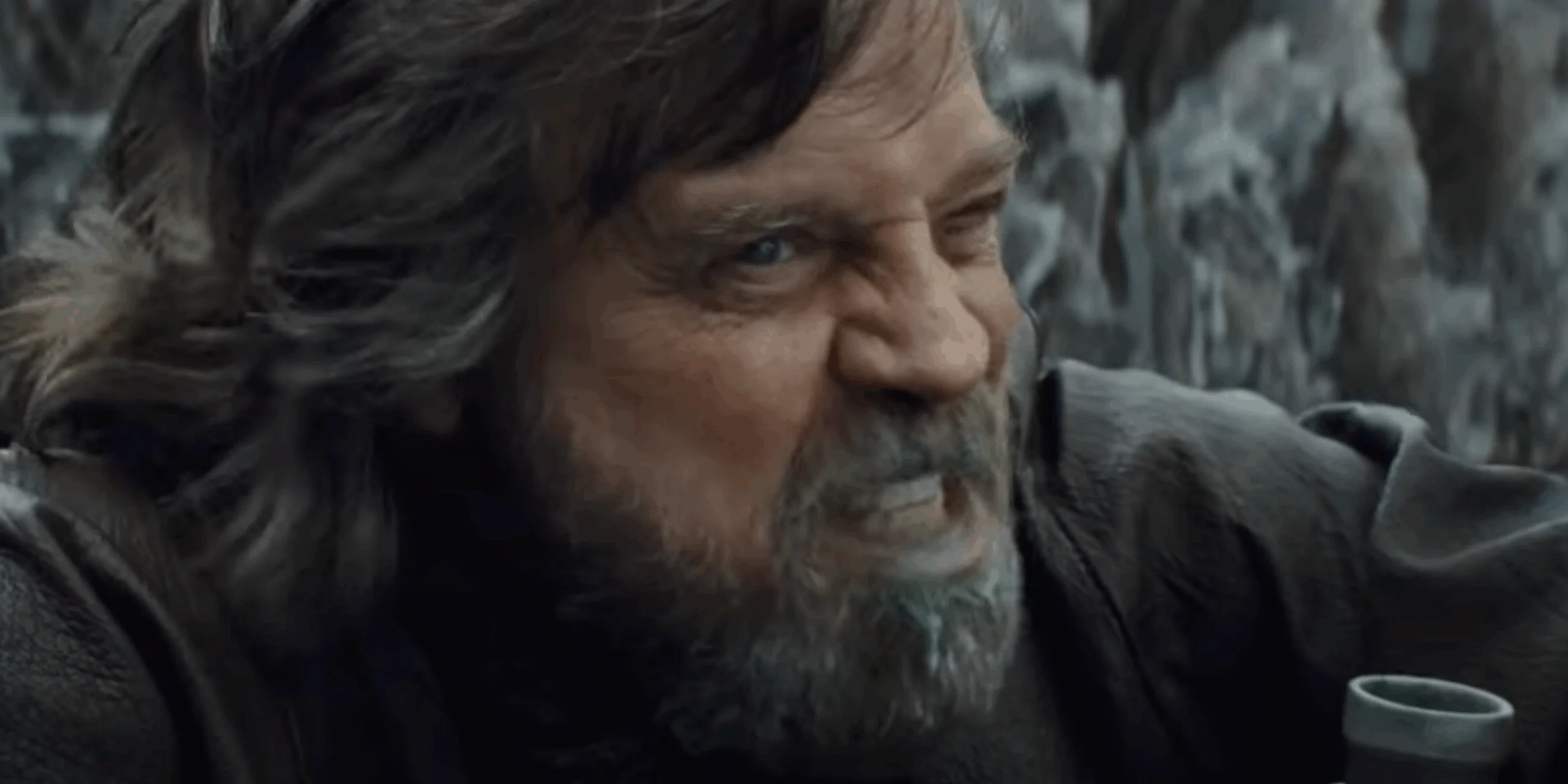
Luke Skywalker Drinks Green Milk in Star Wars Episode VIII: The Last Jedi – Disney+
Meanwhile, newer protagonists frequently arrived fully formed, fully female, and emotionally untouchable.
Rey became the symbol of this shift for many fans. She wasn’t merely heroic — she was presented as inherently superior. She mastered abilities rapidly, rarely struggled meaningfully, and often succeeded where legacy characters failed.
Then came projects like The Acolyte, which poured gasoline onto the culture war surrounding the franchise. Instead of trying to rebuild trust with alienated fans, Lucasfilm and entertainment media outlets often doubled down, treating criticism itself as evidence of moral failure.
That may generate applause on social media, but it doesn’t necessarily generate lifelong fandom.
Boys Didn’t Stop Wanting Star Wars — They Stopped Feeling Welcome
This is the point many critics intentionally avoid.
Nobody is saying boys “own” Star Wars. But historically, boys and young men were the engine that drove the franchise financially through:
- toy collecting,
- video game sales,
- merchandise,
- repeat theatrical viewings,
- expanded universe novels,
- comics,
- cosplay,
- and generational attachment passed from fathers to sons.
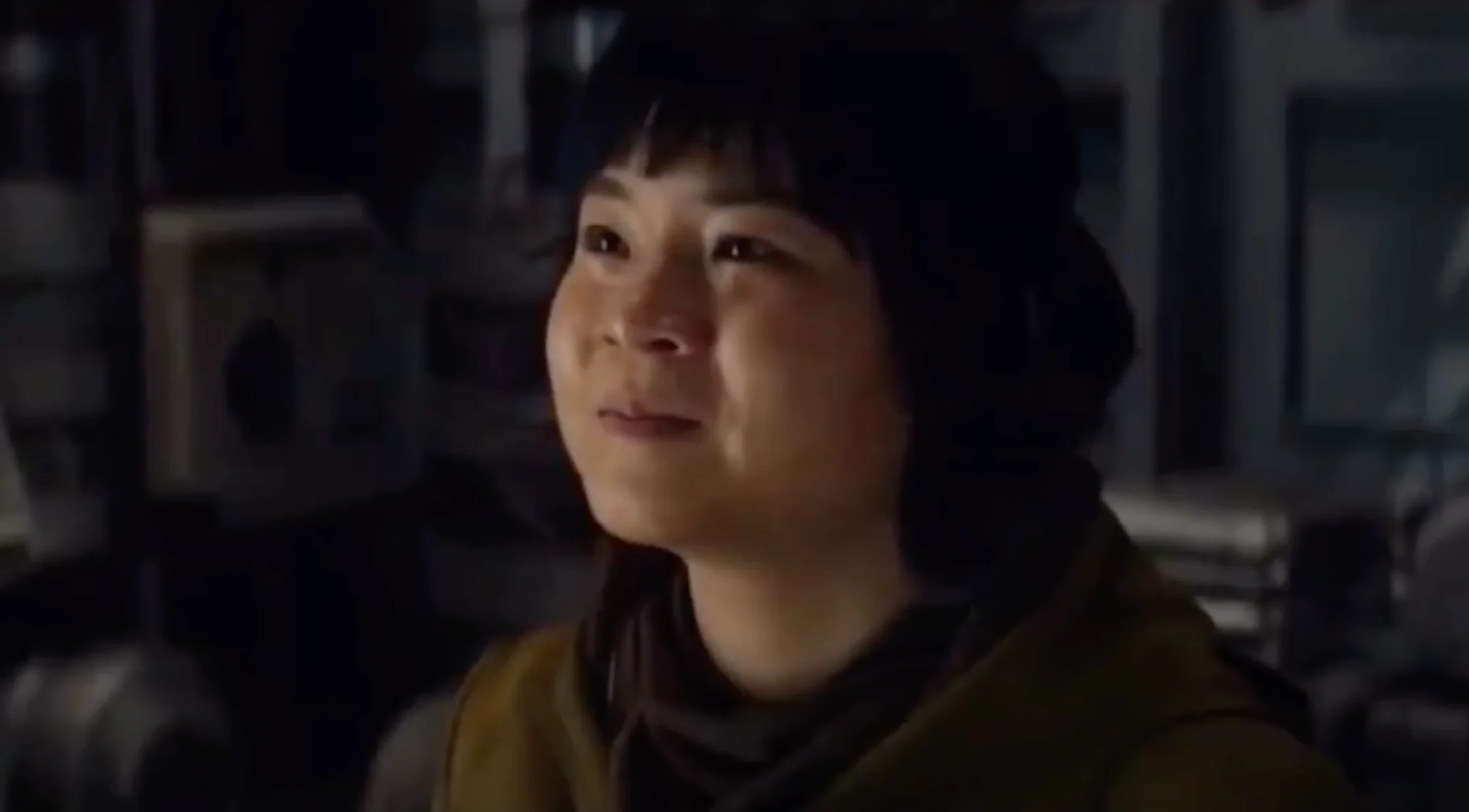
Kelly Marie Tran as Rose Tico in Star Wars Episode VIII: The Last Jedi – Disney+
READ: Star Wars: Galactic Starcruiser Named Biggest Flop in U.S. Theme Park History
But what happens when an entire generation grows up hearing that the old audience was toxic, outdated, or something the franchise needed to move past?
A 13-year-old today was born around 2012 or 2013.
Think about what Star Wars has looked like during their entire conscious life:
- endless online fan wars,
- sequel trilogy backlash,
- identity-driven marketing campaigns,
- Disney+ oversaturation,
- Lucasfilm employees publicly fighting with fans,
- access media accusing critics of ideological wrongdoing,
- and divisive projects like The Acolyte.
Today’s teenage boys never experienced Star Wars as a universally loved cultural phenomenon.

John Boyega as Finn in Star Wars Episode VII: The Force Awakens – Disney+
To them, it’s just another corporate IP adults argue about online.
That’s catastrophic for a franchise built on generational passion.
The Merchandise Problem Tells the Real Story
Nothing exposes audience enthusiasm like merchandise.
For decades, Star Wars dominated toy aisles. Kids wanted lightsabers, Clone Troopers, X-Wings, Darth Vader helmets, Boba Fett figures, LEGO sets, backpacks, bed sheets, lunchboxes — everything.
Now?
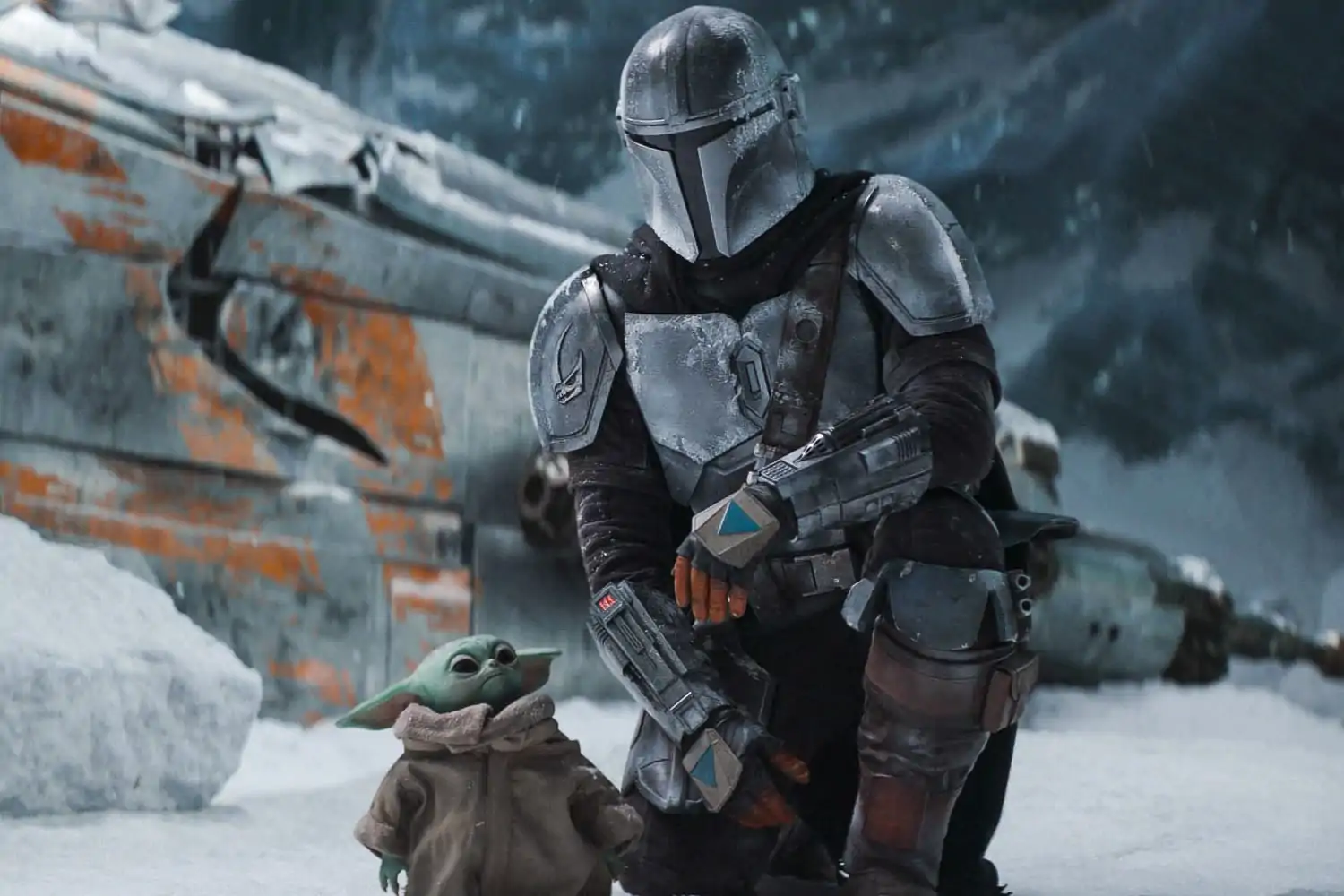
A screencap from The Mandalorian and Grogu – YouTube, Star Wars
Outside of Grogu, Disney-era Star Wars merchandise has struggled to create truly iconic new characters that resonate deeply with young audiences.
Retailers slashed shelf space. Sequel trilogy toys notoriously underperformed compared to expectations. Even Hasbro, once heavily reliant on major licensed brands, has faced significant financial struggles in recent years after landing the Star Wars license as toy sales across multiple franchises stagnated.
Grogu became the exception because Grogu bypassed ideology entirely. He’s simple, cute, marketable, and universal. But that was back in 2019. Anyone who wants Grogu merchandise already has a lot of it.

Grogu eating a cookie – Star Wars, YouTube
But where are the Disney-era equivalents of:
- Luke Skywalker,
- Darth Vader,
- Boba Fett,
- Darth Maul,
- Anakin Skywalker,
- Obi-Wan Kenobi,
- or Clone Troopers?
Where are the characters boys obsessively pretend to be on playgrounds?
The silence is deafening.
Disney Wants Boys Back — But the Relationship May Already Be Broken
That’s what makes The Mandalorian and Grogu so fascinating.
The movie feels like an admission.
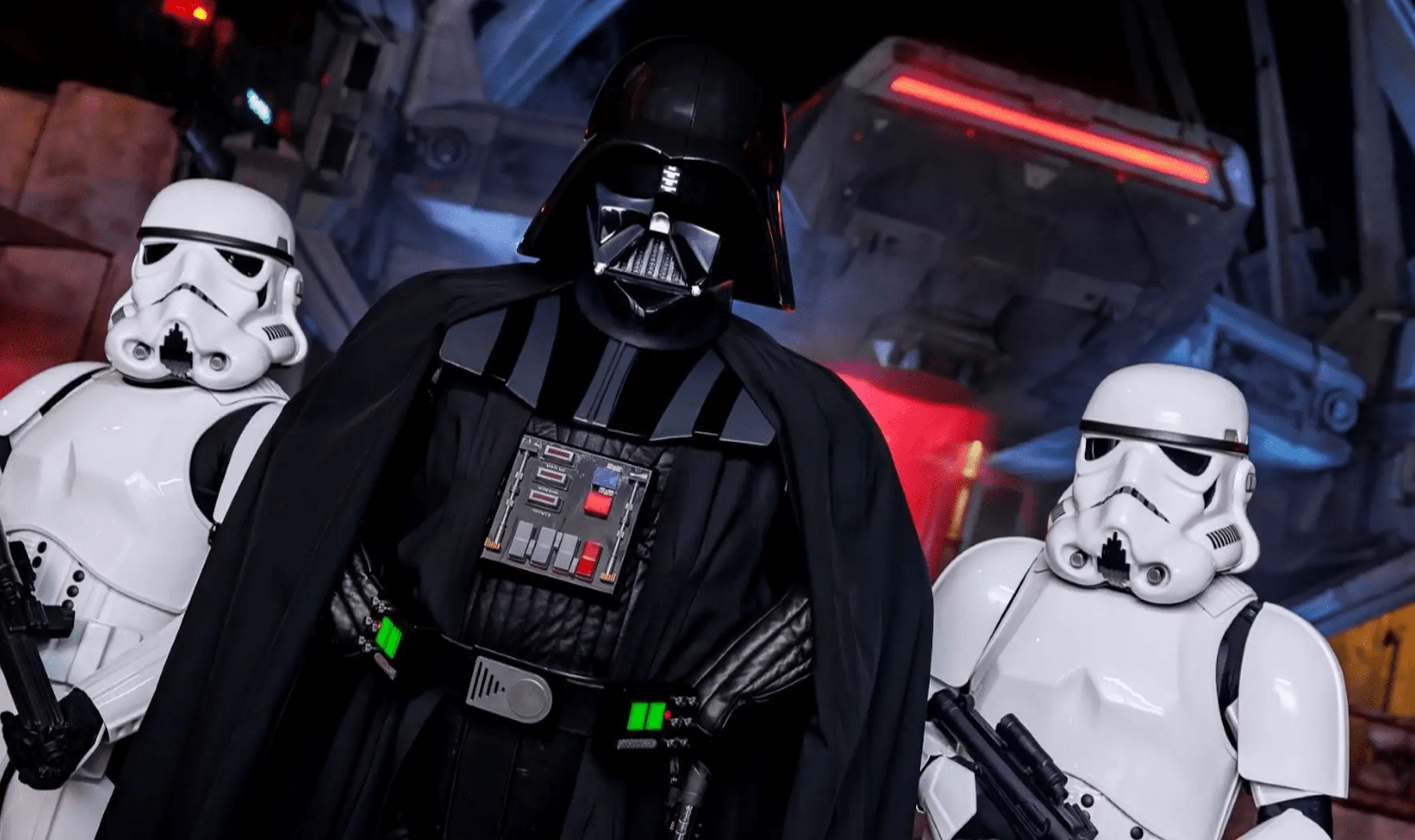
Darth Vader and Stormtroopers in Star Wars Galaxy’s Edge – Disney Parks
An admission that after years of chasing online approval, Lucasfilm suddenly remembers who historically sustained the franchise financially: boys, young men, gamers, collectors, fathers, and lifelong sci-fi fans.
The problem is that relationships don’t instantly repair themselves.
If you spend a decade telling young male audiences that they’re the problem, eventually many of them stop emotionally investing altogether.
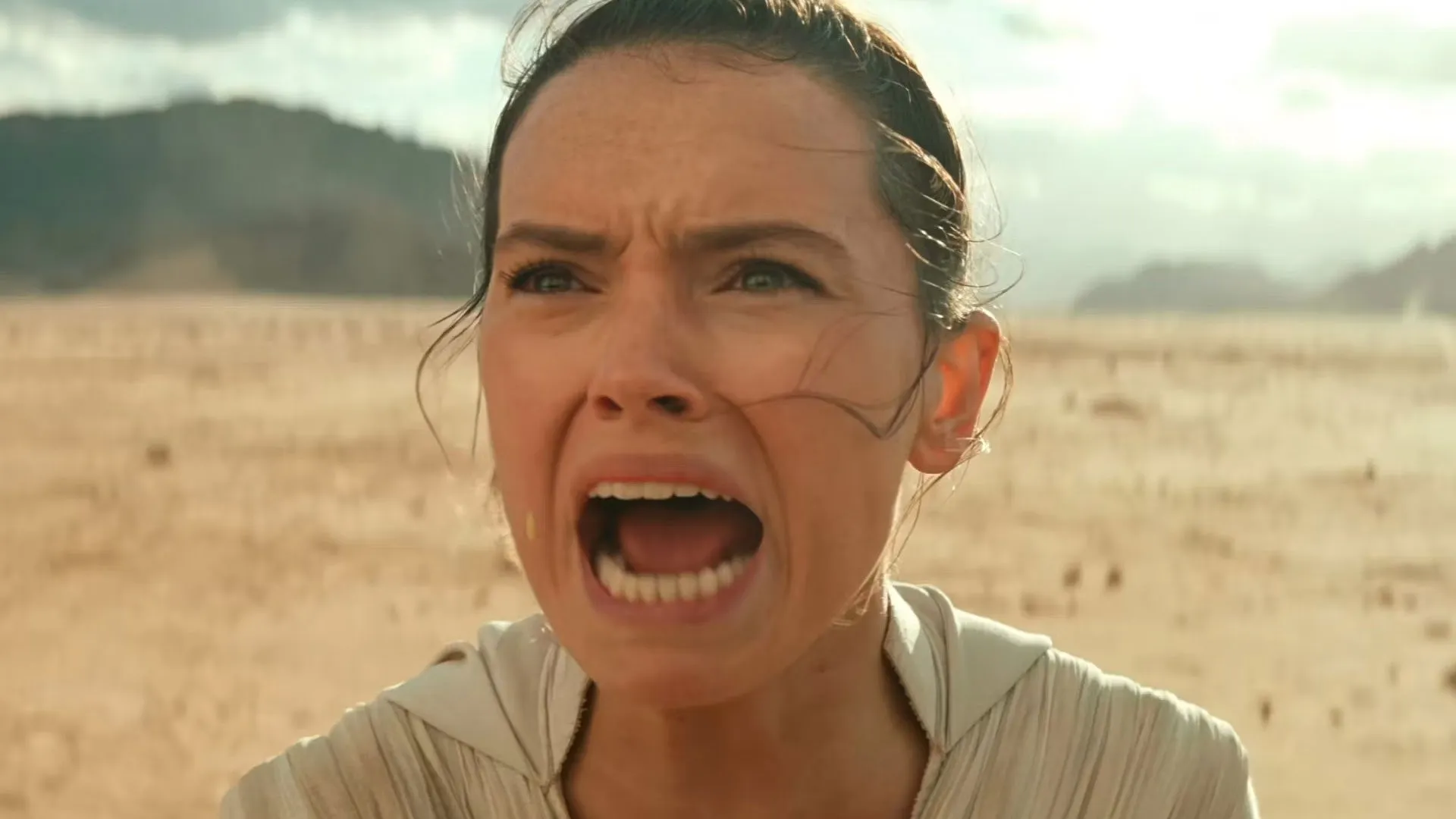
Rey from Star Wars – Disney+
And that may be the real reason Star Wars no longer feels culturally dominant.
Not because boys “grew out of it.” But because Disney trained an entire generation not to care in the first place.
How do you think boys today feel about Star Wars? Sound off in the comments and let us know!
