


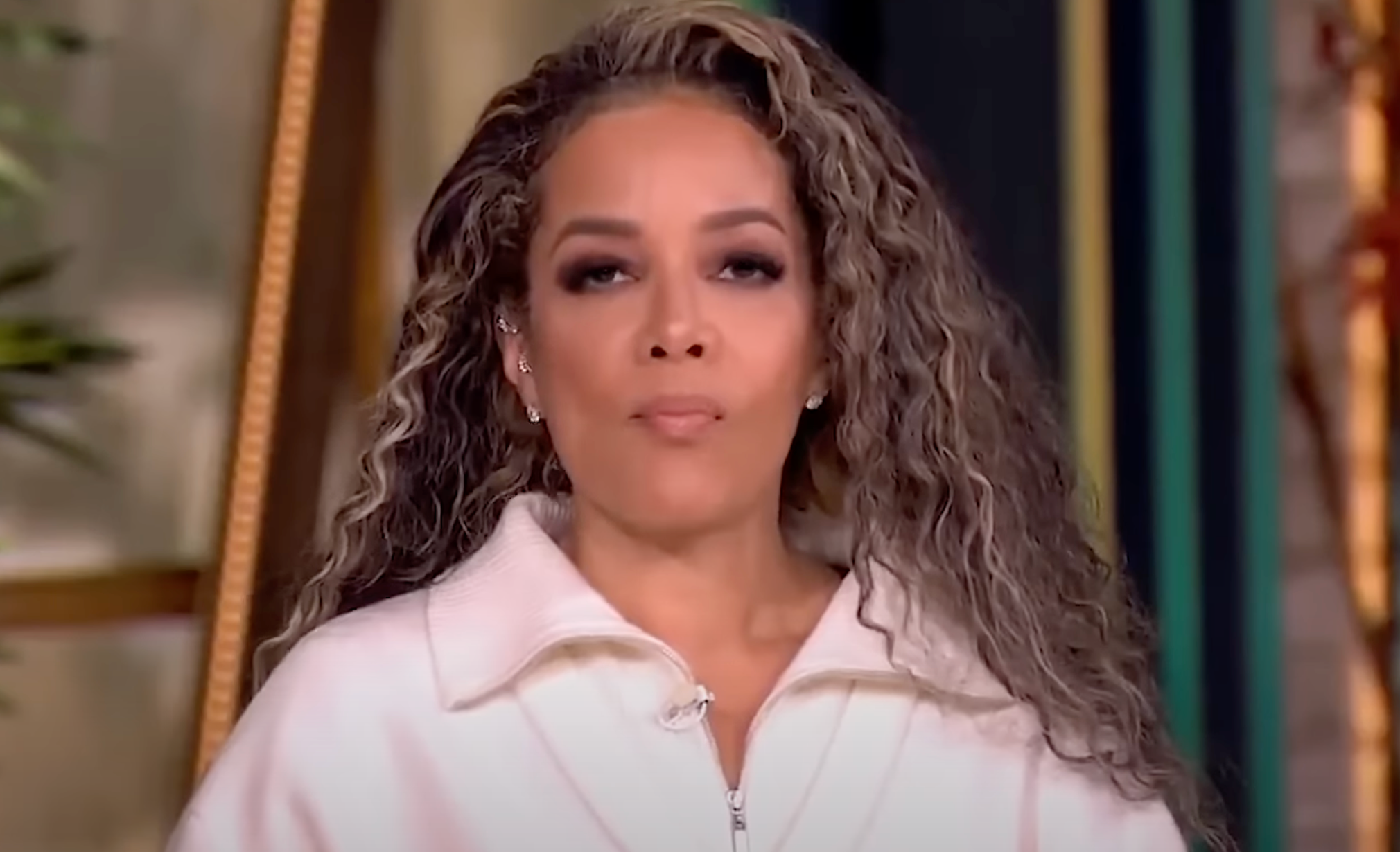
For years, The View co-host Sunny Hostin has positioned herself as someone who believes deeply in accountability, justice, and equal treatment under the law. But according to a new report from the New York Post, when her own family found itself facing legal trouble, that commitment to equality allegedly gave way to one of Hollywood’s oldest and most embarrassing traditions: The “Do you know who I am?” defense
If the allegations are accurate, it’s difficult to imagine a more perfect example of the celebrity entitlement that ordinary Americans have grown tired of watching.
Gabriel Hostin Cited for Trespassing
According to the New York Post, Hostin’s 24-year-old son, Gabriel Hostin, was stopped by MTA police on June 16 after allegedly jogging along active Metro-North railroad tracks near New Rochelle despite clearly posted “No Trespassing” signs.
Court records reportedly show Gabriel was cited for trespassing and is scheduled to appear in court later this month.
The incident itself is fairly straightforward.
Police encounter someone allegedly trespassing. Police investigate. Citation issued. Case heads to court.
That’s generally how the system works.
Then Allegedly Came the Celebrity Defense
According to law enforcement sources who spoke with the New York Post, things changed once Sunny Hostin became involved.
The report claims officers were handed the phone so Hostin could speak with them directly.
According to those sources, Hostin allegedly introduced herself by saying: “I am Sunny Hostin, I am on The View.”
Sunny Hostin on The View – YouTube, The View
The sources further claim she questioned officers about why her son had been stopped in the first place and allegedly wanted to know whether they knew who she was.
Whether every detail of those conversations is ultimately confirmed or not, the allegation itself has dominated discussion surrounding the story because it represents something Americans have seen countless times from celebrities.
When normal people get stopped by police, they explain themselves. When celebrities get stopped, some apparently reach for their résumé.
The “Do You Know Who I Am?” Playbook Never Works
Hollywood loves preaching that everyone should be treated equally.
Until someone famous—or their family—is the one facing consequences.
Then suddenly credentials become relevant.
“I’m an actor.”
“I’m on television.”
“I’m famous.”
“I know important people.”
It’s a script audiences have seen over and over again.

Arnold Schwarzenegger on The View with Sunny Hostin – YouTube, The View
READ: New Universal Florida Resident Ticket Offers Unlimited Visits Through December 16
Whether it’s athletes, actors, musicians, influencers, or television personalities, there always seems to be a temptation to believe celebrity status should somehow alter how rules are enforced.
But trespassing laws don’t contain a celebrity exemption. Neither do railroad safety regulations.
If Gabriel Hostin did nothing wrong, that’s exactly what the legal process is designed to determine. If he did violate the law, being the son of a television personality shouldn’t change the outcome one way or another.
Police Didn’t Seem Particularly Impressed
Ironically, if the New York Post‘s reporting is accurate, invoking Hostin’s name accomplished exactly nothing.
Gabriel Hostin still received a citation and he’s still expected in court. The legal process appears to be moving forward exactly as it would for anyone else.
This raises an obvious question, if invoking your television career doesn’t change anything, why do it?
Because perception matters.
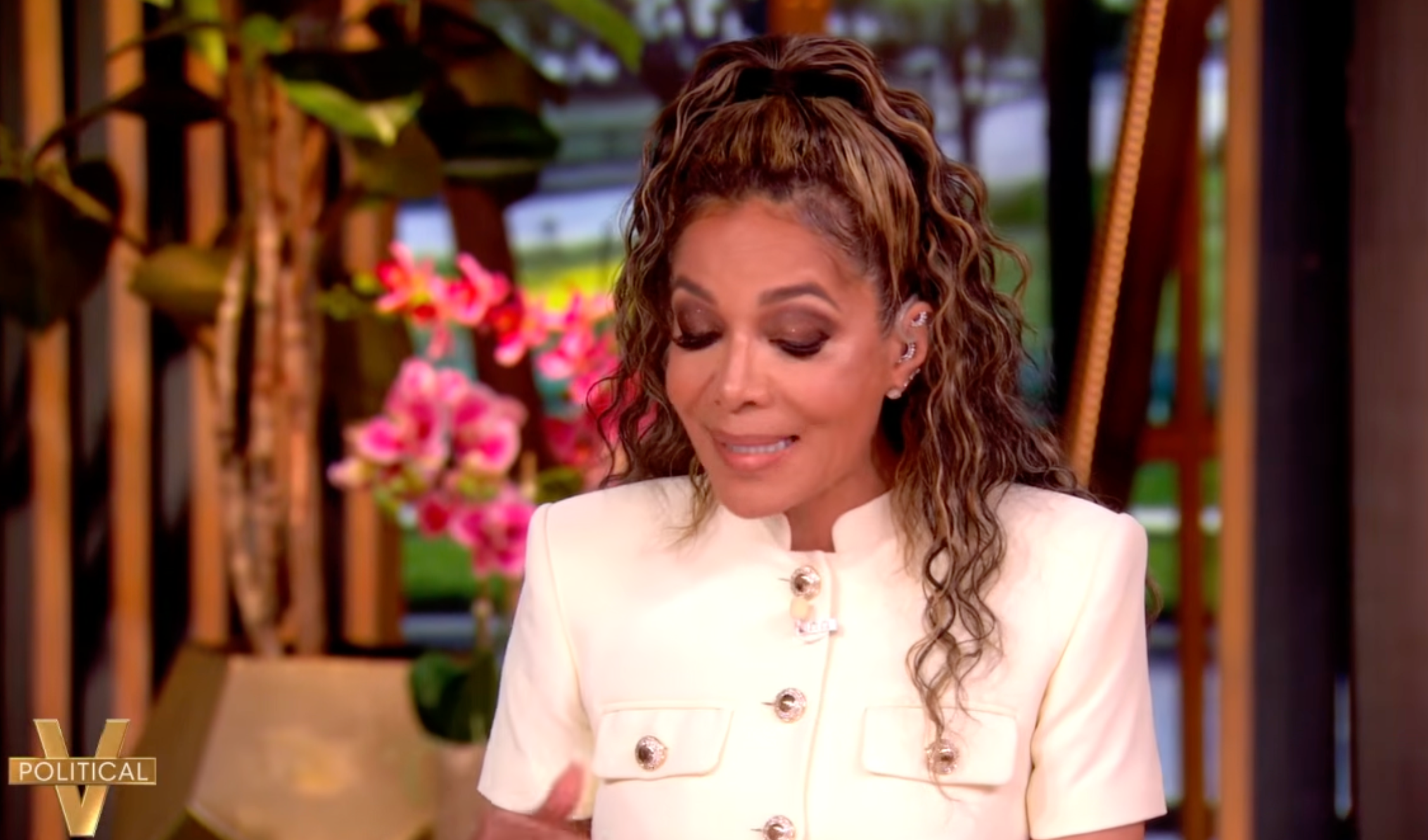
Sunny Hostin speaking to JD Vance on The View – YouTube, The View
Whether intended or not, saying “I’m Sunny Hostin, I’m on The View” doesn’t come across like an explanation.
It comes across like an expectation. An expectation that your name should carry weight, your status should matter, and the rules should somehow become negotiable.
That’s precisely the attitude that has fueled growing public frustration with celebrity culture over the last decade.
Hostin Has Defended Her Son
Hostin has since defended Gabriel’s actions.
According to a letter obtained by TMZ, she argued her son believed he was entering a gravel incline suitable for hill training and claimed the property’s gate was open. She also asserted that the “No Trespassing” sign was positioned in a way that allegedly made it difficult to see upon entering.
Those arguments are now part of the legal process and can be evaluated in court if necessary.
That’s where disputes over facts belong. Not during a phone call where a celebrity allegedly reminds officers of their television résumé.
Accountability Shouldn’t Depend on Fame
One of the recurring themes on The View is accountability.
The panel frequently discusses fairness, justice, and equal treatment under the law.
Those are admirable principles, but they only mean something if they’re applied consistently.
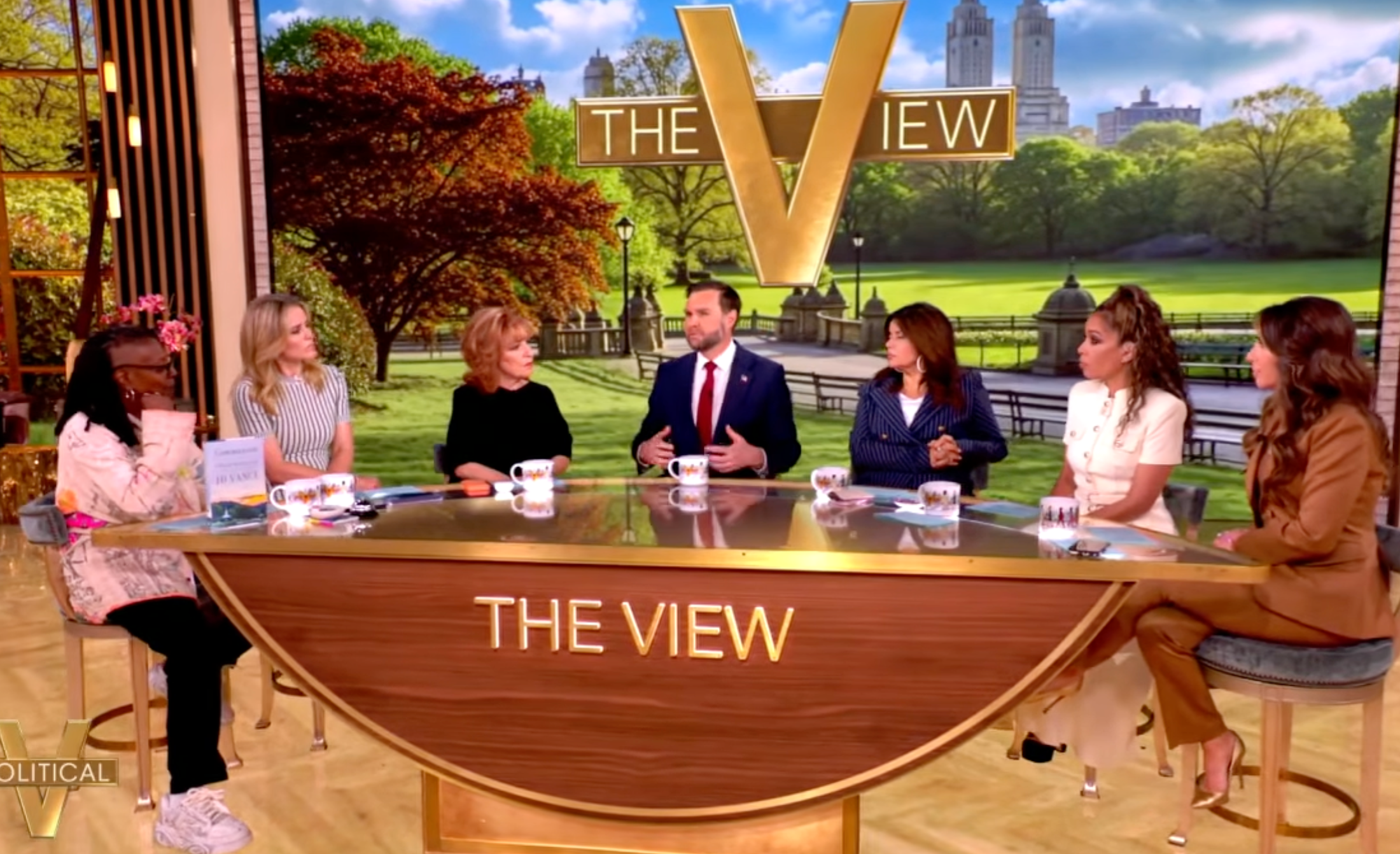
Vice President JD Vance on The View – YouTube, The View
If everyday Americans are expected to respect police and allow the legal system to do its job, the same expectation should apply regardless of whether your mommy appears on daytime television.
The law shouldn’t care whether your parent is a cashier, a mechanic, or a celebrity.
And if the allegations in the New York Post are accurate, perhaps the biggest takeaway from this story isn’t that Gabriel Hostin received a trespassing citation. It’s that even after decades of public backlash against celebrity entitlement, some public figures still apparently believe introducing themselves is somehow part of their legal defense.
Because at the end of the day, “Don’t you know who I am?” may be one of Hollywood’s oldest lines. It also remains one of its least convincing.
UP NEXT: Wall Street Says Disney Should Abandon Streaming and Cash In Instead
