


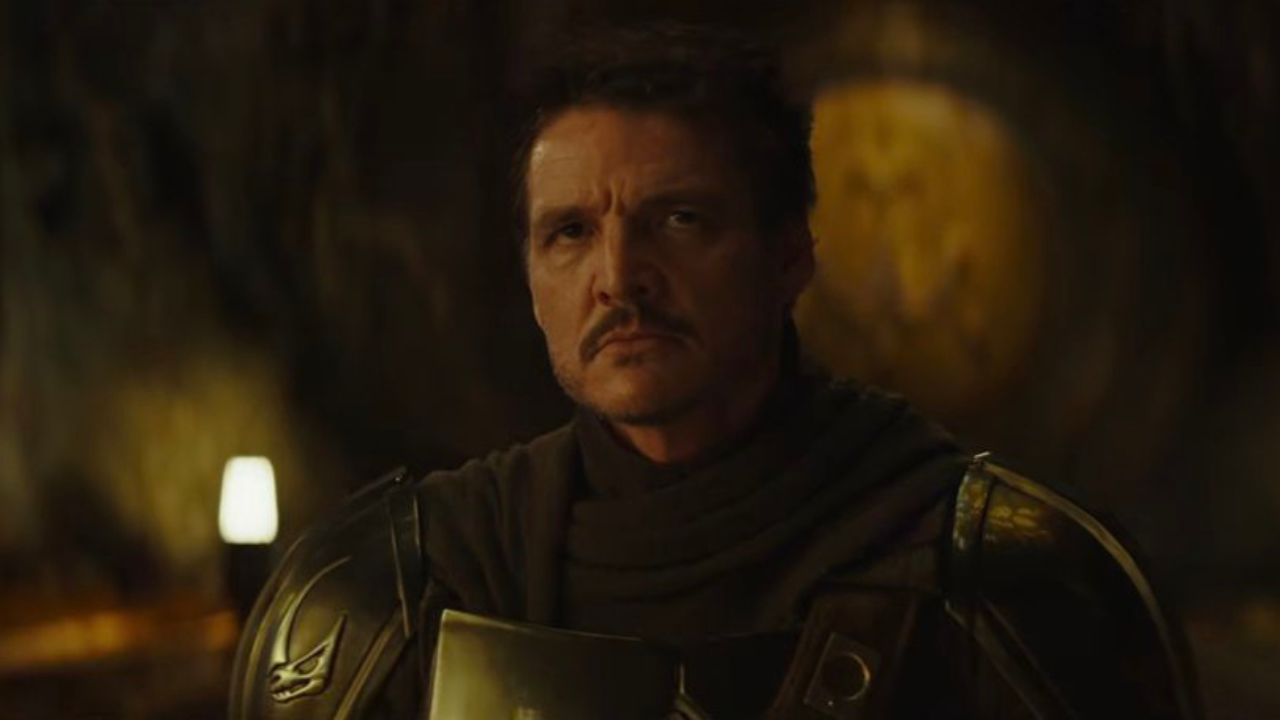
Disney and Lucasfilm have a much bigger problem than a disappointing box office performance when it comes to Star Wars and The Mandalorian and Grogu.
They have a relevance problem.
In its third weekend in theaters, The Mandalorian and Grogu fell all the way to sixth place at the domestic box office, finishing behind Masters of the Universe, Scary Movie 6, Backrooms, Obsession, and perhaps most embarrassingly of all, The Amazing Digital Circus: The Last Act.
That last title isn’t a major Hollywood blockbuster. It isn’t a Marvel movie or even a traditional theatrical release.
READ: Pixar Reveals First Look of Jesse and Emily Ahead of Toy Story 5
It’s a Fathom Entertainment event built around the finale of an animated YouTube series.
For a franchise that once dominated popular culture and routinely generated billion-dollar box office returns, being beaten by a theatrical presentation of a YouTube cartoon’s final episodes is a stunning fall from grace.
The Mandalorian and Grogu Finishes Behind a YouTube Series
According to Box Office Mojo’s weekend chart, The Mandalorian and Grogu finished sixth for the weekend with approximately $9-$10 million domestically.
That alone would be bad news for Disney.
What makes the situation even more remarkable is the competition.
The Amazing Digital Circus: The Last Act originated as a web animation created by Gooseworx and produced by Glitch Productions. The series launched on YouTube and exploded in popularity through organic audience growth rather than traditional Hollywood marketing campaigns.
The theatrical release itself wasn’t even a conventional movie. Instead, it packaged together the final episodes of the series as a special event screening distributed by Fathom Entertainment.
Yet audiences showed up.
Meanwhile, Disney’s first theatrical Star Wars film in seven years continued its downward spiral.
This Isn’t Just One YouTube Success Story
The embarrassing optics for Lucasfilm don’t stop with The Amazing Digital Circus.
Two of the other films outperforming The Mandalorian and Grogu also have roots in new media rather than traditional Hollywood.
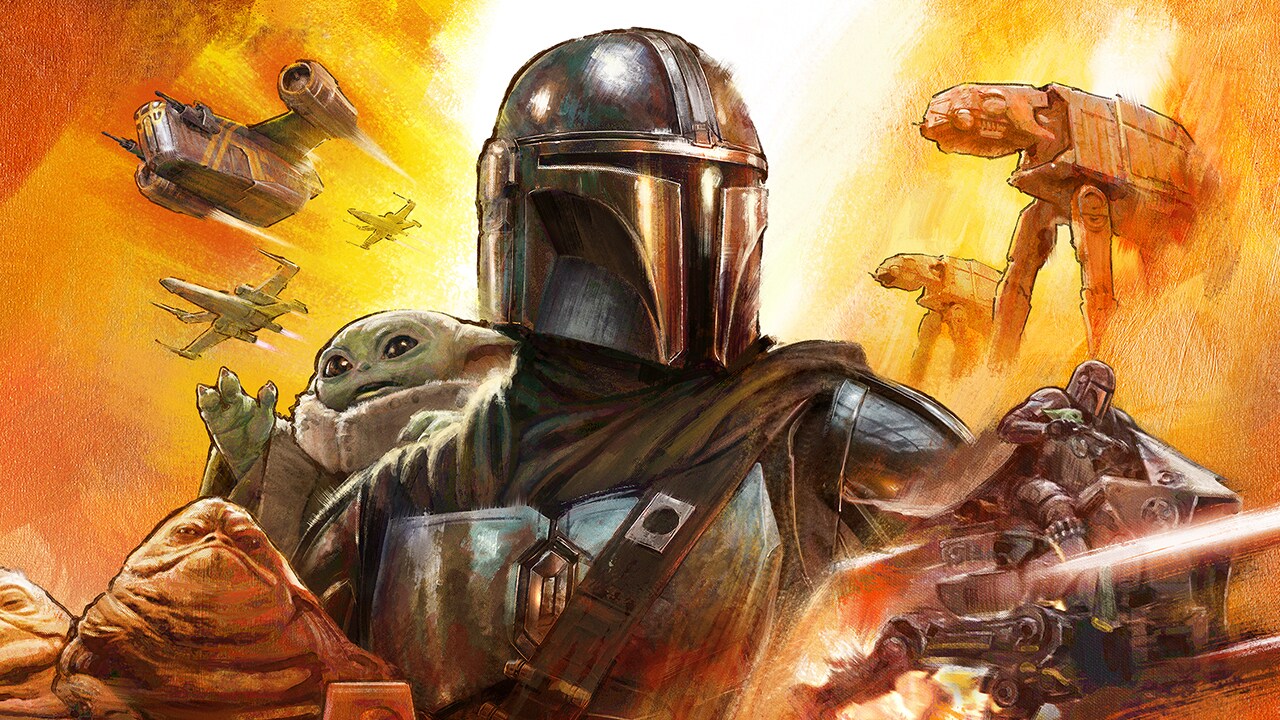
A piece of the Mandalorian and Grogu movie poster – Disney
Backrooms began as an internet horror phenomenon before creator Kane Parsons turned the concept into a feature film. Parsons built his audience on YouTube long before Hollywood came calling.
Then there’s Obsession, another project tied to creator-driven media that has dramatically exceeded expectations while posting strong week-to-week holds.
Taken together, the results paint a fascinating picture of where audiences are increasingly choosing to spend their money.
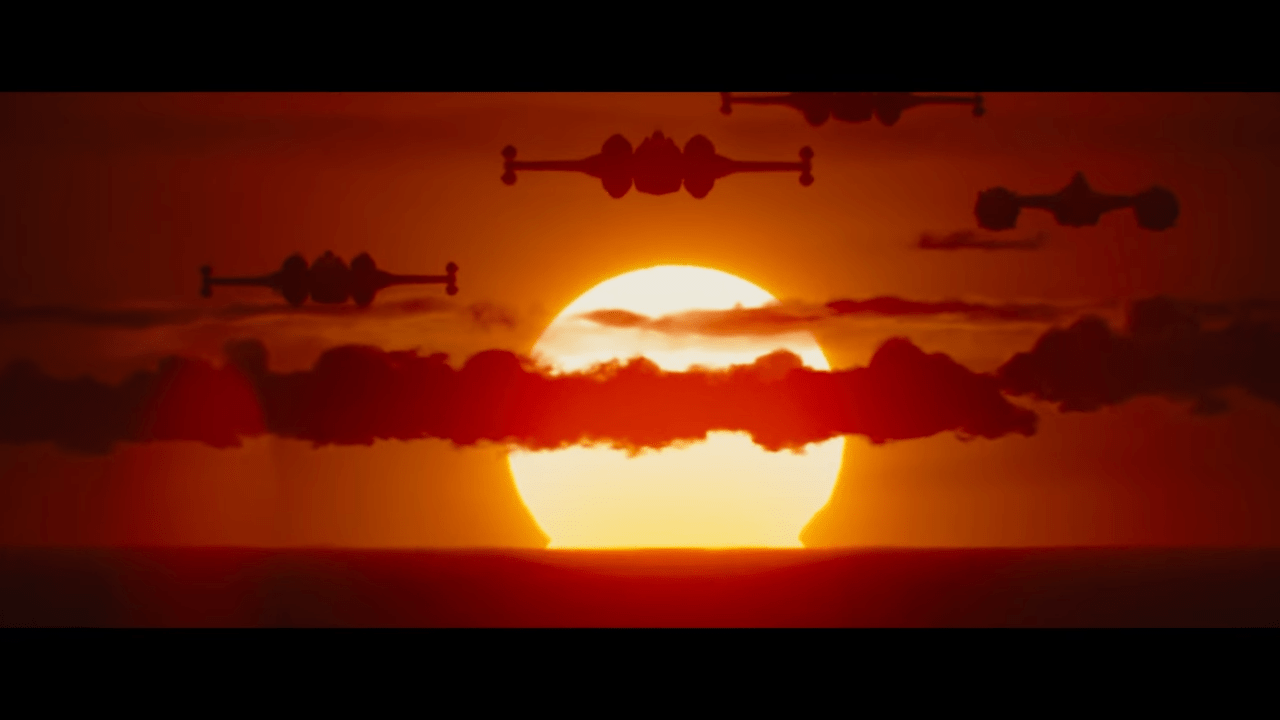
Opening shot from The Mandalorian and Grogu trailer – Star Wars, YouTube
Instead of flocking to another corporate franchise installment, moviegoers are supporting projects that grew directly out of internet communities and creator-driven platforms.
New Media Is Beating Legacy Hollywood
For years, Hollywood executives have insisted that audiences simply want familiar intellectual property.
That’s supposedly why studios continue recycling the same franchises, remakes, reboots, sequels, and spin-offs.
Yet the current box office tells a different story.
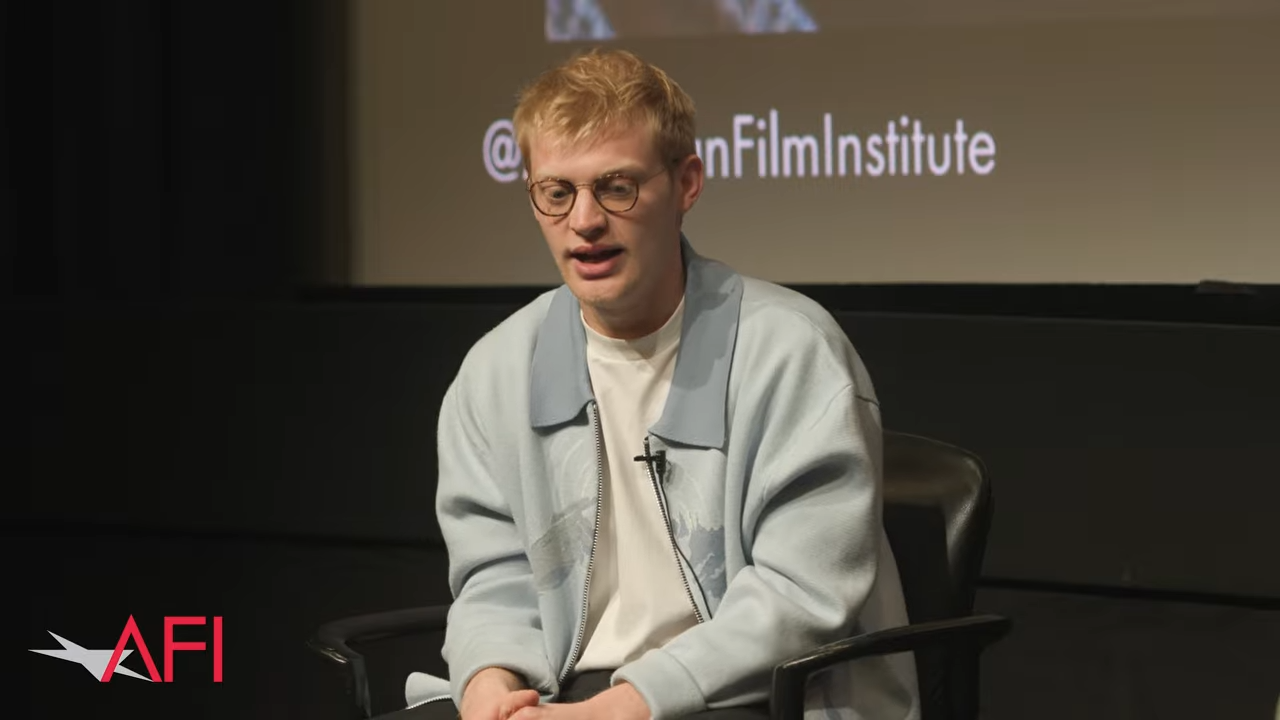
Curry Barker speaking to AFI Conservatory Fellows – American Film Institute, YouTube
The films outperforming The Mandalorian and Grogu aren’t succeeding because they’re attached to massive corporate brands. They’re succeeding because audiences feel a connection to the creators behind them.
YouTube creators spend years building trust with their audiences. Their success depends entirely on viewers voluntarily choosing to watch their content. If they lose that trust, their audience disappears.
Traditional Hollywood doesn’t operate that way.
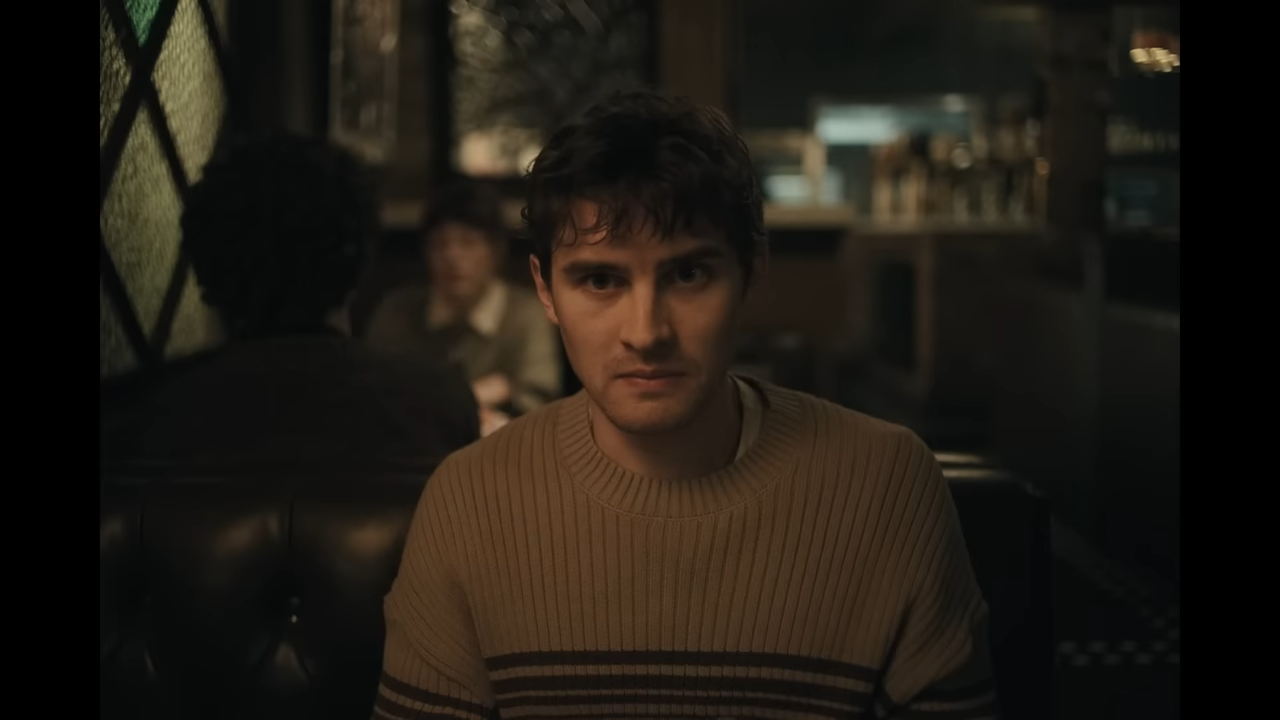
Michael Johnston as Bear in Obsession – Focus Features, YouTube
Instead, projects are often developed by committees, tested through focus groups, reshaped by executives, and altered to satisfy corporate objectives. The result can feel less like a filmmaker’s vision and more like a product designed by algorithm.
That’s increasingly how many moviegoers view modern franchise entertainment.
Not as films. As content.
Star Wars Has Become Content
Perhaps the most troubling aspect of The Mandalorian and Grogu’s performance is that this was supposed to be the safe bet.
Lucasfilm wasn’t launching a new character.
It wasn’t experimenting with an unknown concept.

Fight sequence in The Mandalorian and Grogu trailer – Star Wars, YouTube
It brought back Din Djarin and Grogu, arguably the two most popular characters created during Disney’s ownership of Star Wars.
This was the franchise’s security blanket.
And audiences still weren’t interested.

Grogu from The Mandalorian and Grogu trailer – Star Wars, YouTube
The film opened below expectations, suffered one of the steepest second-weekend drops in modern Star Wars history, and now finds itself losing ground to creator-driven projects that cost a fraction of its budget.
That’s not merely a box office problem.
It’s a warning sign that audiences no longer view Star Wars as an event.
The Future of Entertainment May Not Belong to Hollywood
The most important story here isn’t that The Mandalorian and Grogu had a bad weekend.
It’s what beat it.
A YouTube animated series finale, internet horror creators, and creator-driven projects built outside the traditional Hollywood system.
For decades, major studios controlled access to audiences. If someone wanted to make a movie, television show, or animated series, they needed Hollywood’s approval.

Grogu eating a cookie – Star Wars, YouTube
The internet changed that equation.
Today, creators can build massive audiences without studio executives, corporate gatekeepers, or legacy media institutions.
This weekend’s box office chart may be one of the clearest examples yet of that shift.
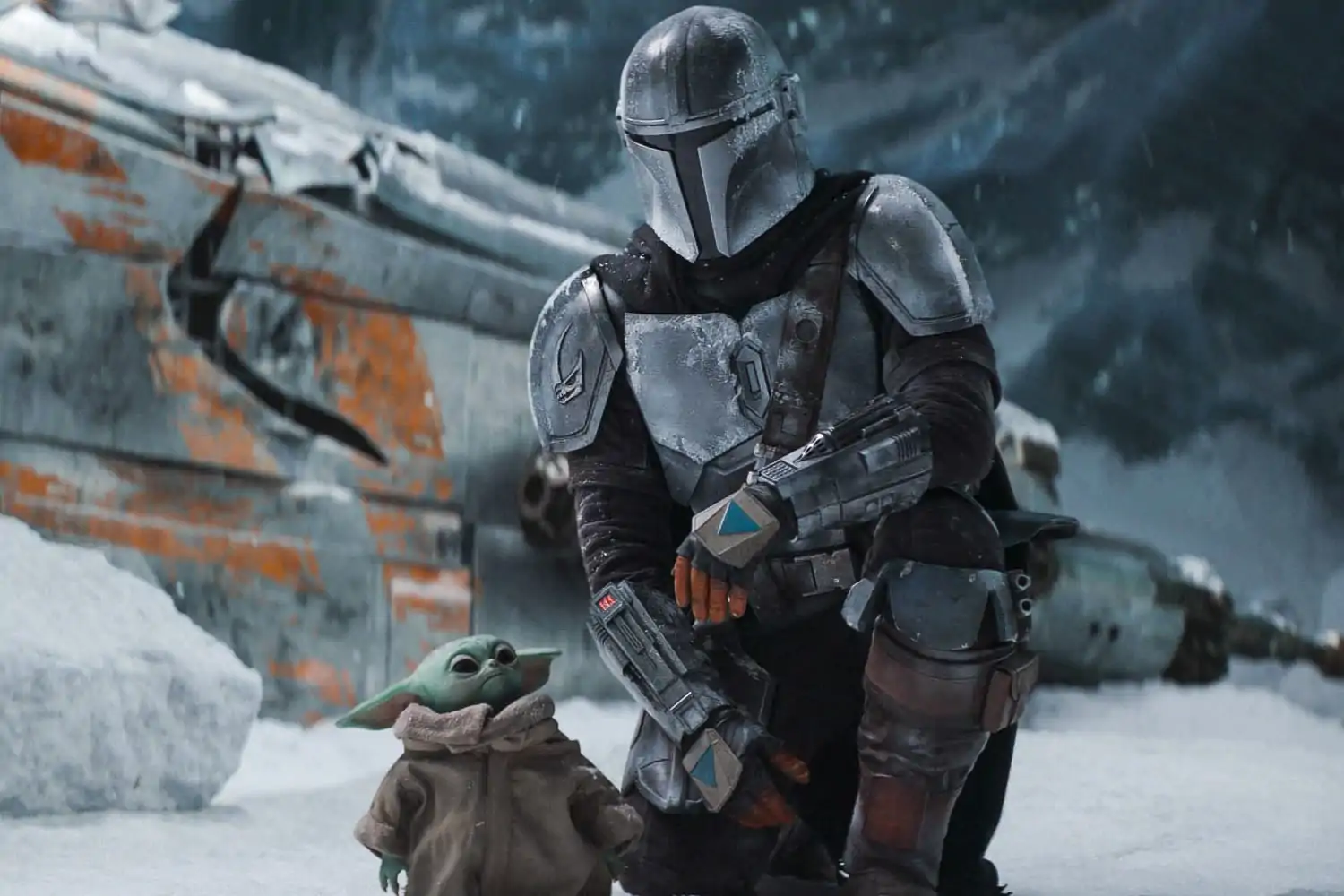
A screencap from The Mandalorian and Grogu – YouTube, Star Wars
Disney’s billion-dollar franchise wasn’t competing against Hollywood.
It was competing against the internet. And the internet won.
Are you surprised by the Mandalorian and Grogu box office upset? Sound off in the comments and let us know!
UP NEXT: Andrew Stanton Admits Toy Story 5 is All About Jessie – Is This Another Disney Bait and Switch?
