

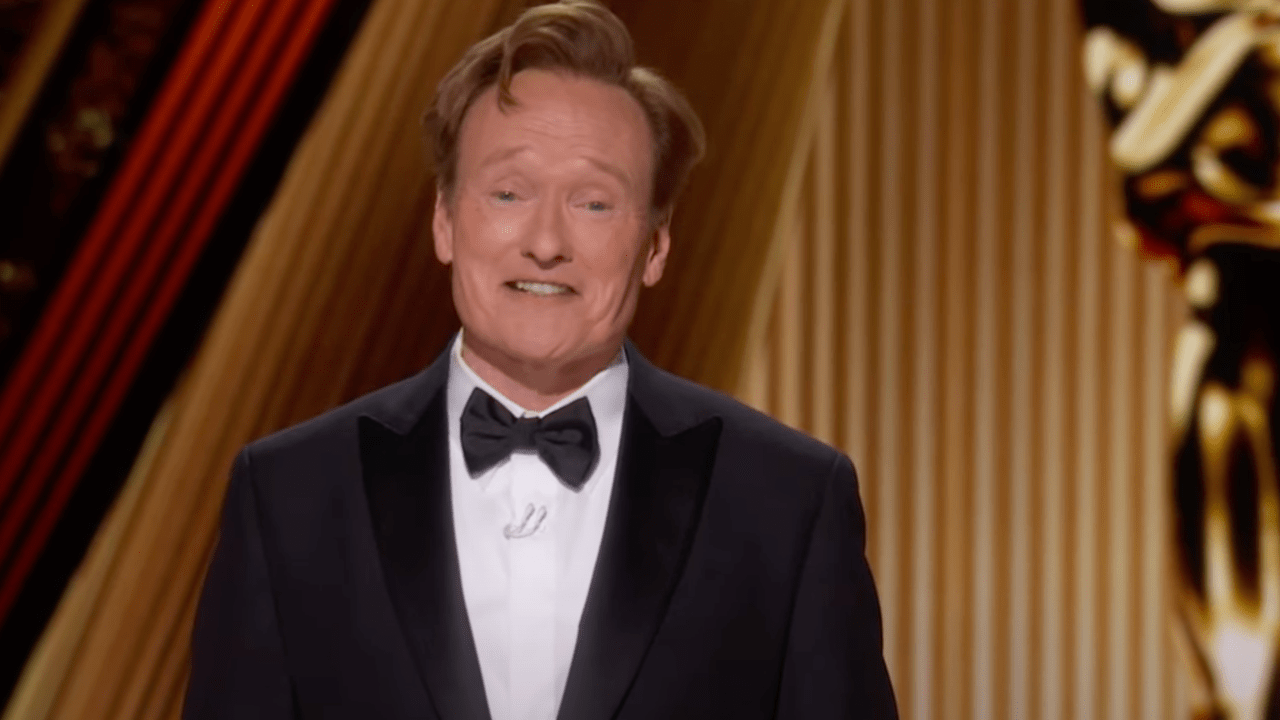
Once a celebrated hallmark of cinematic excellence, the Oscars have deteriorated into a diminished version of their former glory—a transformation accelerated by the implementation of diversity and inclusion standards in 2024.
Triggered by the #OscarsSoWhite protests of 2015 and 2016, these changes aimed to address perceived inequities but have instead eroded the merit-based foundation that defined the awards, leaving the 97th Academy Awards (held on March 2, 2025) as a testament to a legacy overshadowed by identity politics.
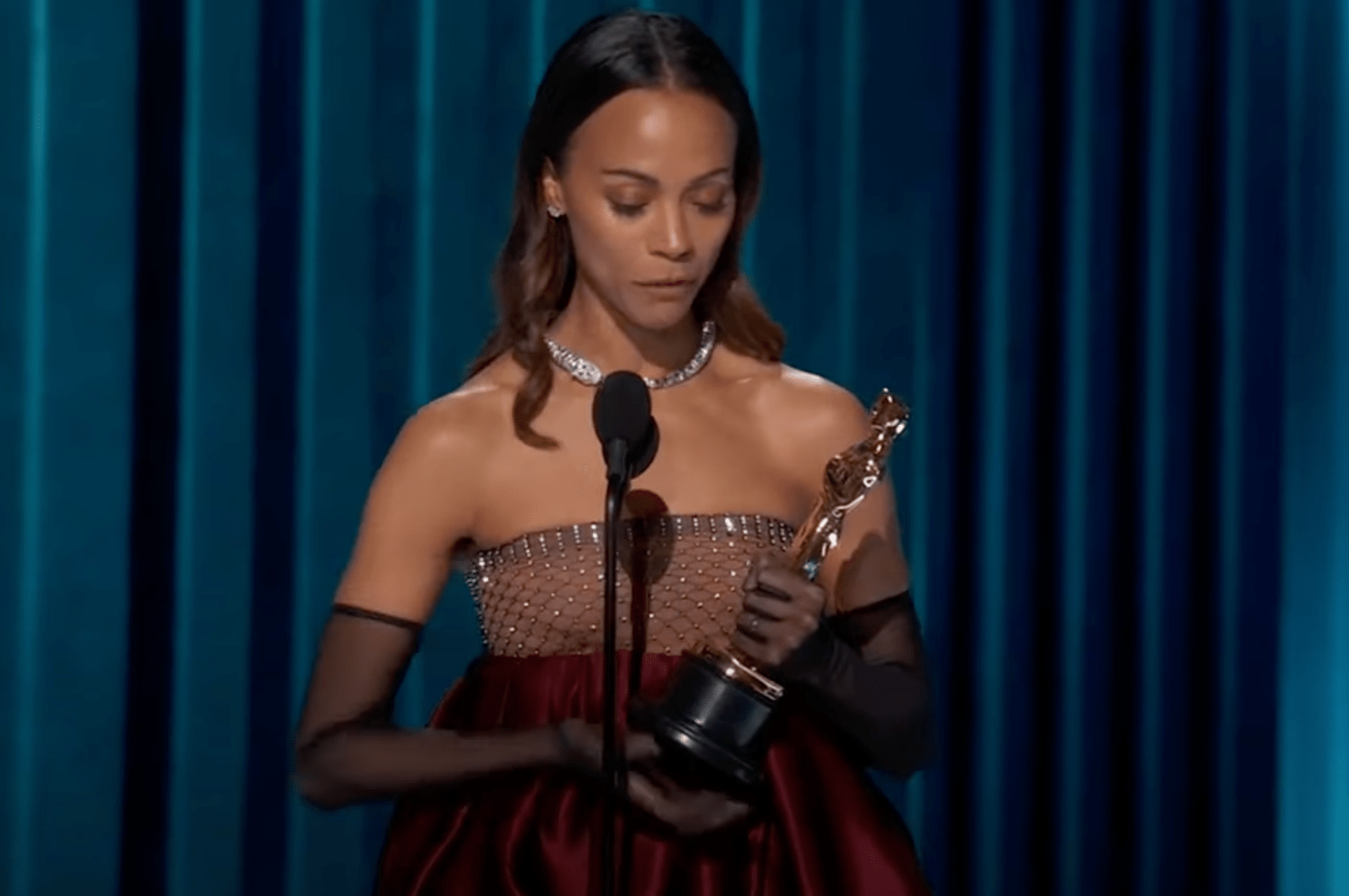
Zoe Saldana accepts the Oscar for Best Supporting Actress – YouTube, ABC News
In 2014, a Los Angeles Times survey revealed an Academy voter base that was 94% white, 76% male, and averaged 63 years old, spotlighting a lack of diversity.
In response, the Academy mandated inclusion criteria for Best Picture eligibility by the 96th Oscars, requiring films to meet two of four standards—cast diversity, crew representation, industry access, or marketing inclusivity. According to the Annenberg Inclusion Initiative, these measures led to a 19% increase in female nominees and a 20% rise in non-white nominees in 2024.
However, this overhaul drew criticism, notably from Steven Spielberg, who supported broader representation but opposed revoking voting rights from veteran members, arguing it unfairly penalized those who had earned their place through decades of contribution. His warning proved correct: rather than enhancing fairness, the new system has supplanted merit with a rigid focus on demographics, mandating judgments based on race and gender that invert the Academy’s original ethos into a framework where identity, not artistry, reigns supreme.
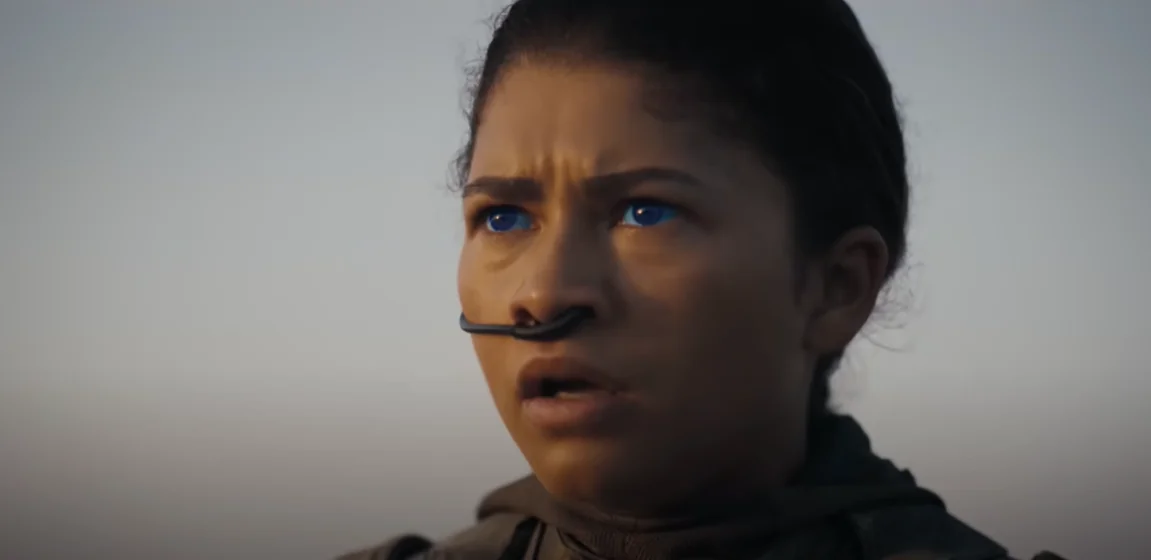
Zendaya as Chani in Dune: Part Two (2024), Warner Bros. Pictures
This shift has been accompanied by a troubling decline in voter diligence. Four Academy members—a director, writer, publicist, and casting director—admitted to skipping Dune: Part Two, a Best Picture nominee that grossed $714.4 million worldwide, citing its 2-hour-46-minute runtime or a lack of interest in science fiction. Such oversights, while not unprecedented, underscore an erosion of responsibility within a membership exceeding 9,900.
This negligence extends to individual awards as well. Ralph Fiennes, nominated for Best Actor in Conclave, was overlooked by two voters who mistakenly believed he had won for Schindler’s List in 1993. He was nominated but lost to Tommy Lee Jones. Yet they supported Adrien Brody for The Brutalist, despite his prior Best Actor win for The Pianist in 2003.
This kind of inconsistency shows that the voters aren’t even doing their jobs right—they’re voting based on half-baked perceptions of their own ideas instead of digging through the catalog of submissions they’re actually supposed to review. It’s a mess made worse by a system that’s all about lazy compliance, not competence.
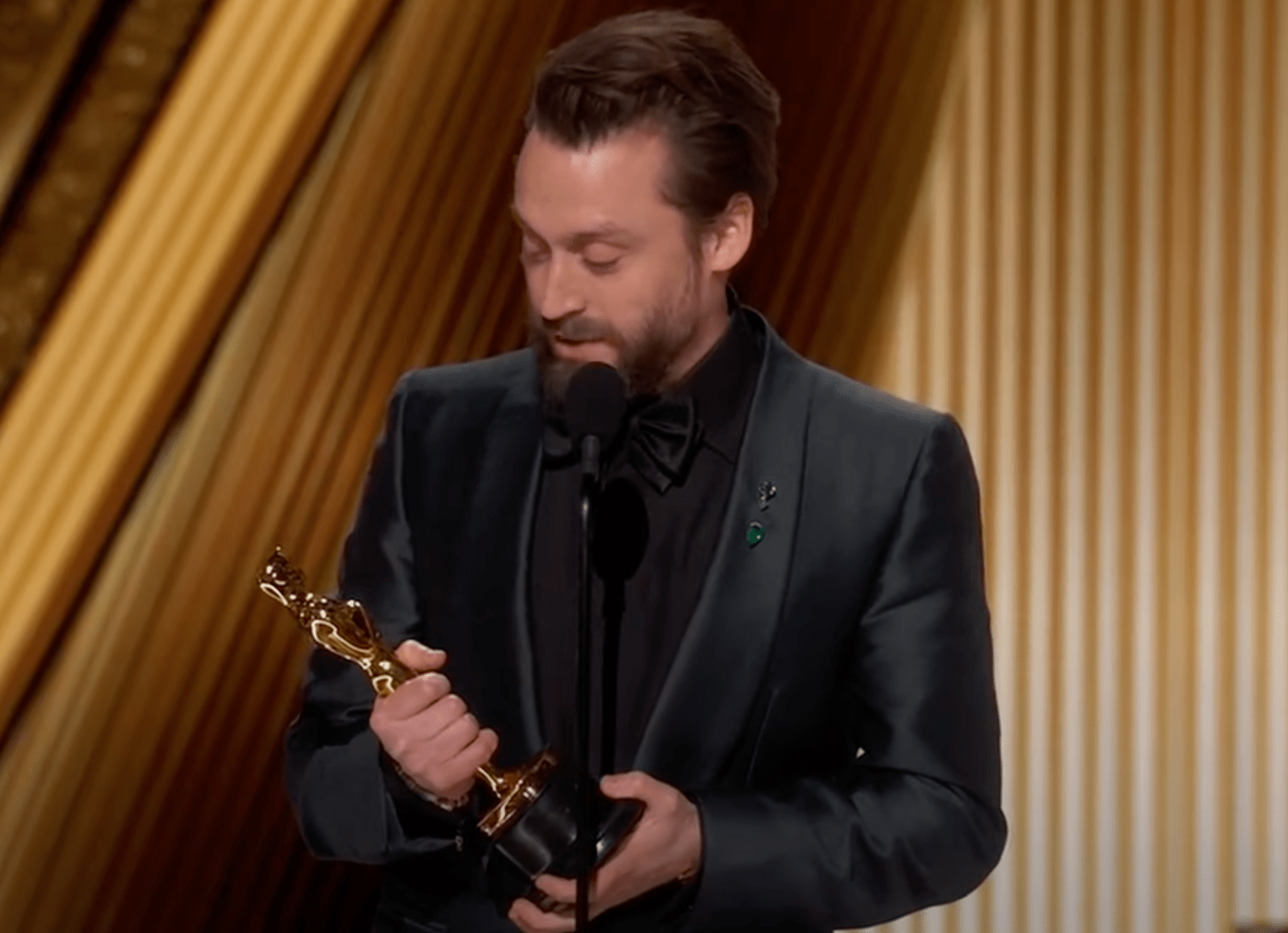
Kieran Culkin in his Oscars acceptance speech – YouTube, ABC News
Take Emilia Pérez, a 2024 musical drama that snagged 11 nominations—including Best Picture—thanks to its diverse cast and critic praise.
Audiences didn’t buy it, but since it hit every diversity button in the book, voters pushed it through—not because of merit, but because of identity and perception.
In contrast, past winners like The Lord of the Rings: The Return of the King, which also secured 11 Oscars in 2003 alongside a $1.14 billion global haul, demonstrated a synergy of artistic merit and audience. This kind of resonance is now conspicuously absent.

Bernard Hill as King Theoden in The Lord of the Rings: The Return of the King (2003), Warner Bros. Pictures
Films like Dune: Part Two and Wicked—the latter grossing $378 million—are overshadowed by projects that align with diversity mandates rather than widespread appeal, showing a profound disconnect between the Academy and the viewers it once served.
This disconnect has taken a toll on the Oscars. Viewership for the 2023 telecast plummeted to 18.7 million, a steep drop from 43.7 million in 2014, according to Nielsen, with projections for 2025 indicating further decline. While external factors—such as Netflix’s 12 Oscar wins since 2018 and the rise of TikTok (boasting 1.5 billion users)—also contribute to this erosion, the Academy’s fixation on demographic quotas has undeniably hastened its descent.
Moreover, loopholes in the standards—allowing films like Oppenheimer, with its predominantly white cast, to qualify through crew diversity—undermine any claim to their ‘’meaningful reforms,’’ exposing a system that bends to technicalities rather than genuine artistic worth.
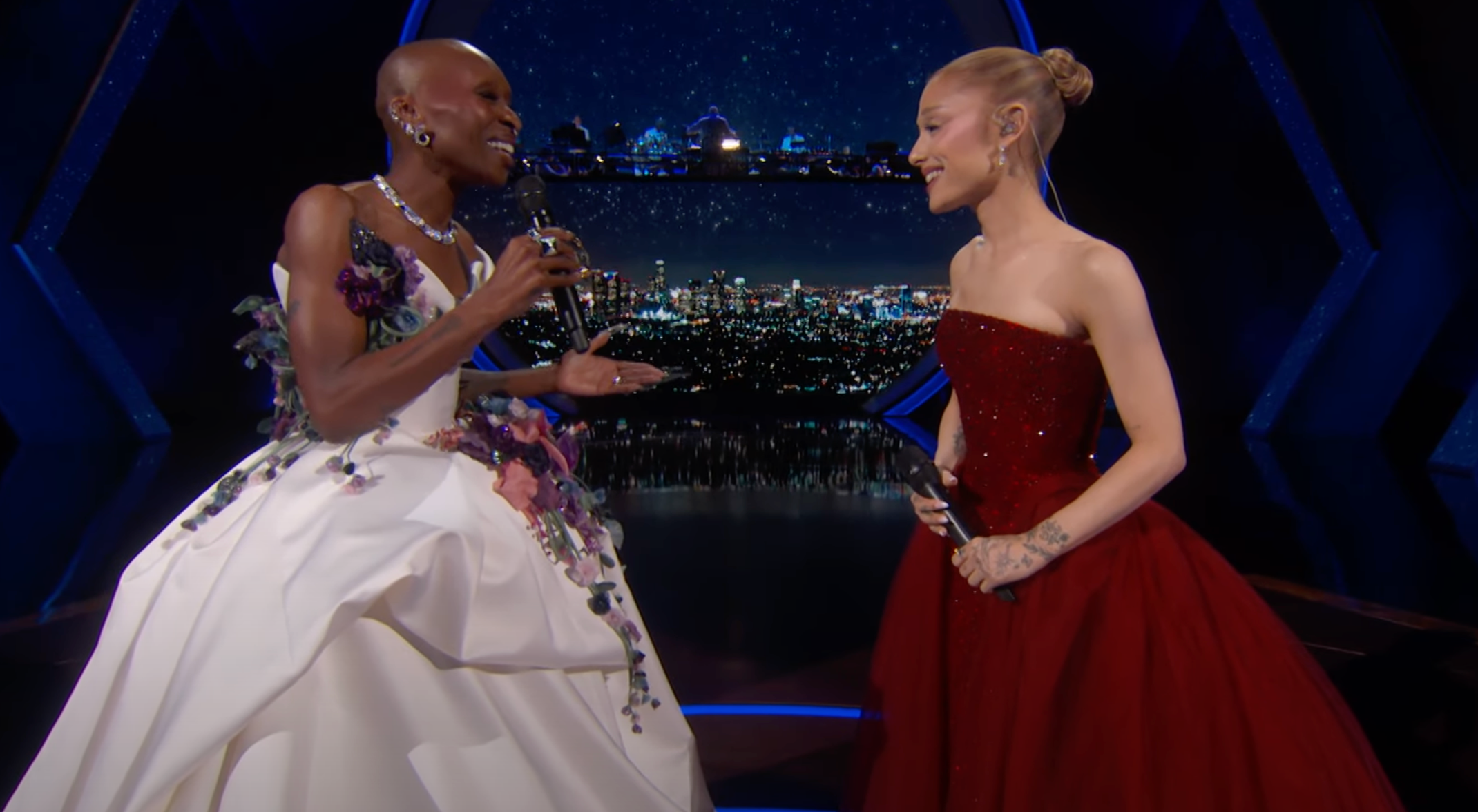
Cynthia Erivo and Ariana Grande sing at the Oscars – YouTube, Oscars
The Oscars’ trajectory is a narrative of decline. Voter incompetence—evident in neglected masterpieces and muddled judgments—combined with a misguided emphasis on identity over merit has transformed an institution once synonymous with excellence into a relic of its past.
Spielberg’s note rings true: a system that sacrifices its core principles for the sake of appearances risks losing its soul. As audiences abandon The Oscars and resonant films are sidelined, the Academy stands at a crossroads, its legacy diminished not by evolution, but by a failure to uphold the very standards that once made it great.
Did you watch The Oscars this year? Sound off in the comments and let us know your thoughts!

The Oscars mean nothing, even to most normies. A movie getting an Oscar these days is an anti-recommendation, because of the DEI requirements.
So many of their picks have been hard to watch that i assume the worse and don’t give them a chance.
We are still talking too much about the oscars, they dont deserve even negative attention
I haven’t watched the Oscars in ages. They used to inspire me to check out films that I missed since they were recognized for their excellence. Henry V is one such film that comes to mind. It’s really sad what they have done to themselves.