


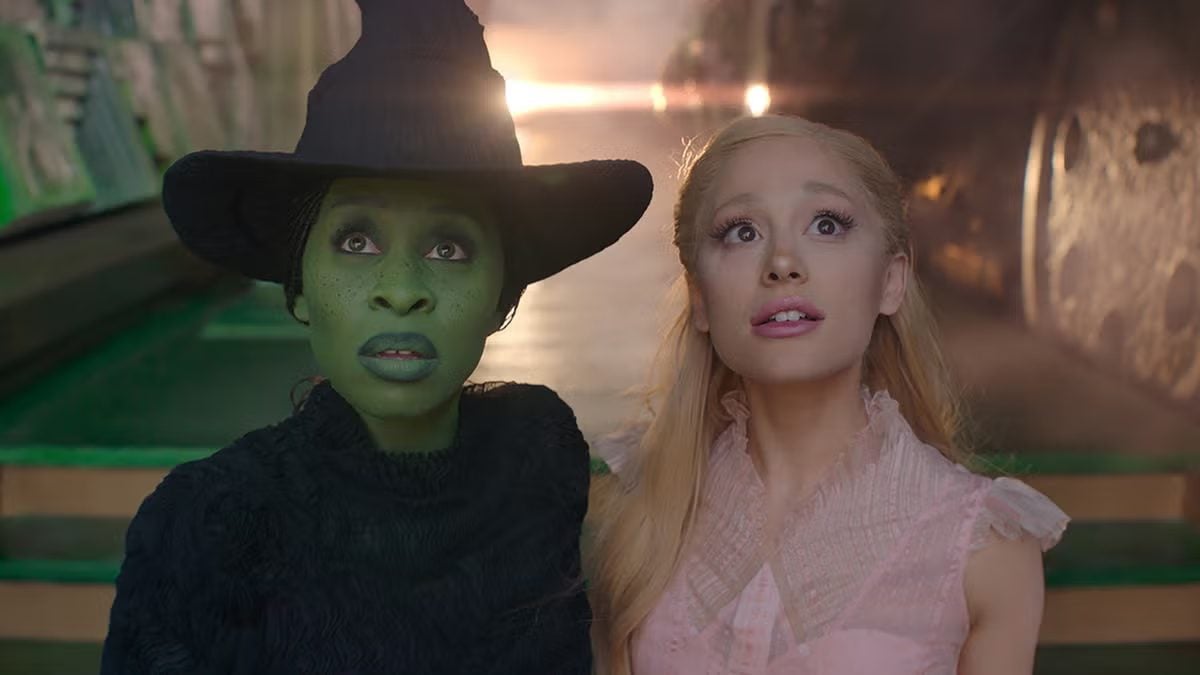
Wicked: For Good was completely snubbed at the Oscars, earning not one single nomination.
Universal Pictures went into awards season expecting Wicked: For Good to solidify the franchise as a long-term prestige powerhouse. Instead, the Oscars delivered a brutal reality check. The film walked away with zero Academy Award nominations, a stunning reversal from the first installment’s awards momentum and a clear signal that Hollywood’s patience has run out.
No nominations. Not for Best Actress. Not for Best Supporting Actress. Not for costume design, visual effects, or original song—despite the sequel adding two new musical numbers specifically designed to qualify for awards consideration, including one co-written by Cynthia Erivo herself. These additions were not subtle creative experiments. They were strategic — inserted to make awards recognition unavoidable. The fact that voters ignored them anyway speaks volumes.
This wasn’t a case of falling short in a few competitive categories. It was a complete rejection — the kind usually reserved for films the Academy wants to quietly pretend don’t exist.
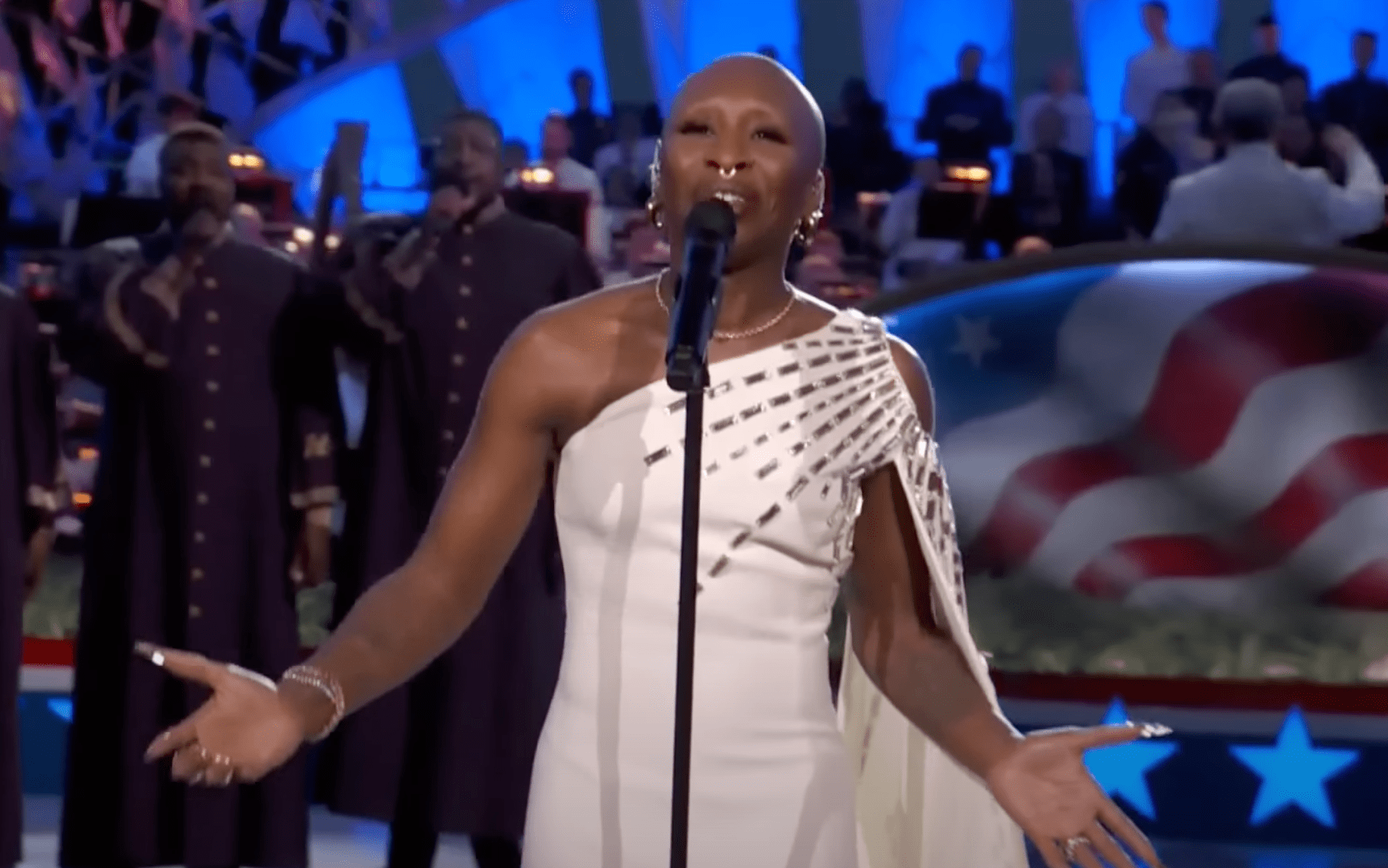
Cynthia Erivo performing at a concert – YouTube, Capital Concerts
READ: 2026 Oscar Nominations – ‘Sinners’ Sweeps and The Rock Snubbed
For a production that Universal clearly positioned as an awards contender, the snub was total—and unmistakable.
A Franchise That Lost Its Shine
From a financial standpoint, Wicked: For Good did not collapse with its $523 million global take. The film posted respectable box-office numbers and likely remained profitable. But that’s not the same thing as success—especially when measured against expectations. The sequel fell well short of the original Wicked film’s $756 million performance and never generated the same sense of momentum or cultural excitement.
In Hollywood accounting, “profitable” is often used to disguise disappointment — especially when a sequel was supposed to grow the brand, not merely limp across the finish line.
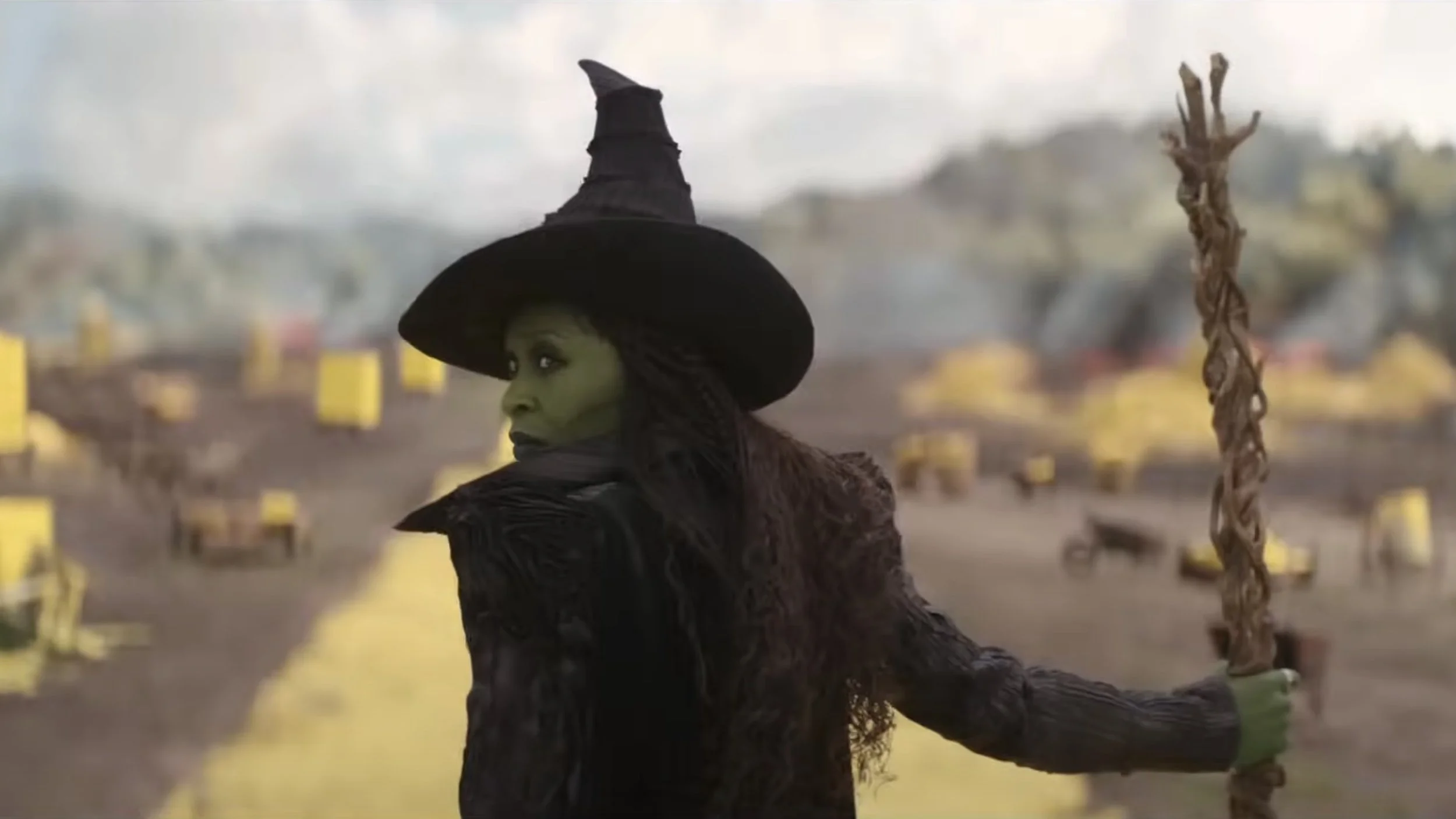
Cynthia Erivo as Elphaba in Wicked: For Good – Universal Pictures
Sequels need to sustain interest in a franchise. Wicked: For Good didn’t. Audience enthusiasm cooled quickly, repeat viewings declined, and the film’s longer-term legs simply weren’t there.
The Oscars shutout only confirms what many viewers were already signaling: this franchise lost its spark.
When the Press Tour Beccomes the Story
Part of that fatigue can be traced directly to the film’s marketing campaign. In the months leading up to release, the press tour for Wicked: For Good became increasingly difficult to ignore—and not in a good way.
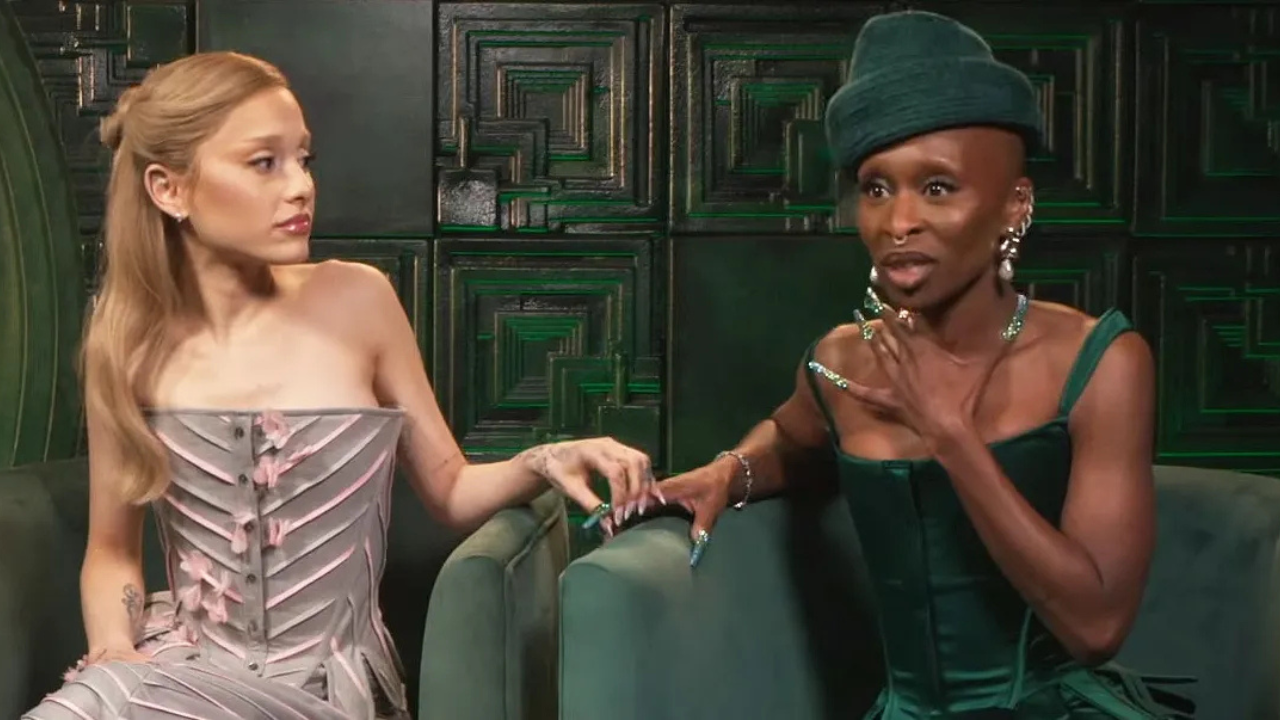
Cynthia Erivo and Ariana Grande on the Wicked Press Tour – YouTube, GLAAD
READ: Amazon Releases First Trailer for ‘Masters of the Universe’
Interviews featuring Ariana Grande and Erivo were dominated by prolonged crying, constant physical clutching, and an oddly performative emotional intensity that many viewers found uncomfortable rather than endearing. What was likely intended to project sincerity and artistic vulnerability instead came across as theatrical, co-dependent, and detached from how real audiences engage with movies.
Instead of talking about the story, the music, or the filmmaking, the conversation shifted to them. That shift rarely benefits a project—and it certainly didn’t here. These interviews didn’t invite audiences into the world of Wicked. Indtead, the press tour often felt like viewers were intruding on something intensely private — and vaguely uncomfortable.
The Structural Problem No One Wanted to Admit
There’s also a more fundamental issue that no amount of marketing could overcome: Wicked: For Good is built entirely around the second act of a stage musical. That act has always been darker, slower, and less musically iconic than the first. Stretching it into a full-length feature was a gamble—and one that didn’t pay off.
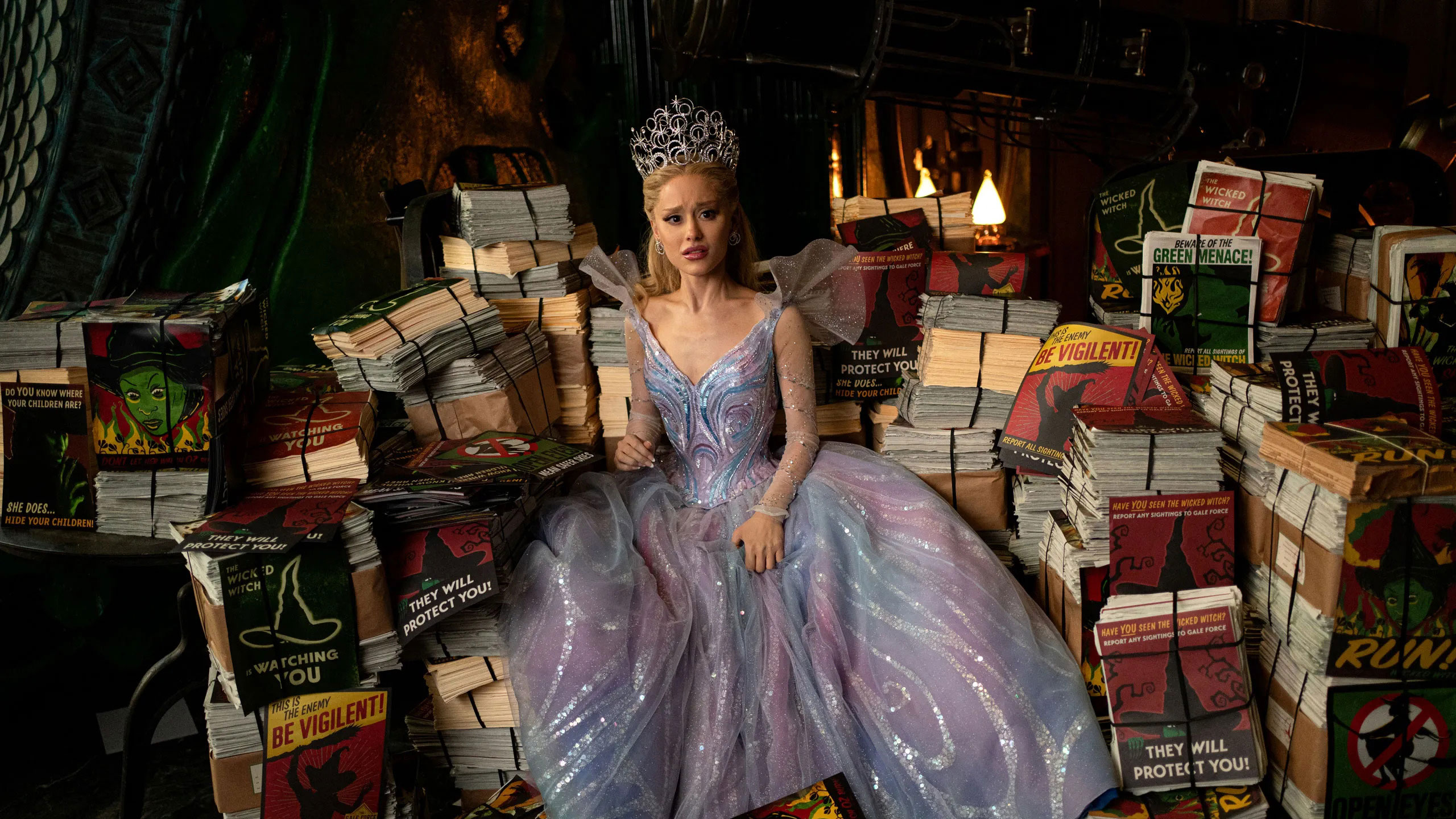
Ariana Grande sits among propaganda magazines in Wicked: For Good – Universal
The sequel lacks the joyful, instantly recognizable musical moments that made the original film so accessible. Instead, audiences were given a heavier tone, fewer standout songs, and extended narrative padding to justify the runtime. For casual viewers—especially those without deep attachment to the Broadway show—that imbalance proved fatal.
This wasn’t an unpredictable risk. The second act of Wicked has long been regarded as the weaker half — and expanding it into a standalone epic only magnified its limitations.
What works on stage doesn’t always scale to cinema. Wicked: For Good is now a textbook example of that mismatch.
Rejected by Audiences—and Now by the Industry
The Wicked Oscars snub isn’t just an awards footnote. It’s a verdict.
Hollywood loves success, but it loves momentum even more. The Academy’s complete disinterest sends a clear message: whatever prestige Universal believed this sequel carried has evaporated. The film failed to energize audiences, failed to elevate the franchise creatively, and failed to convince the industry that it mattered.
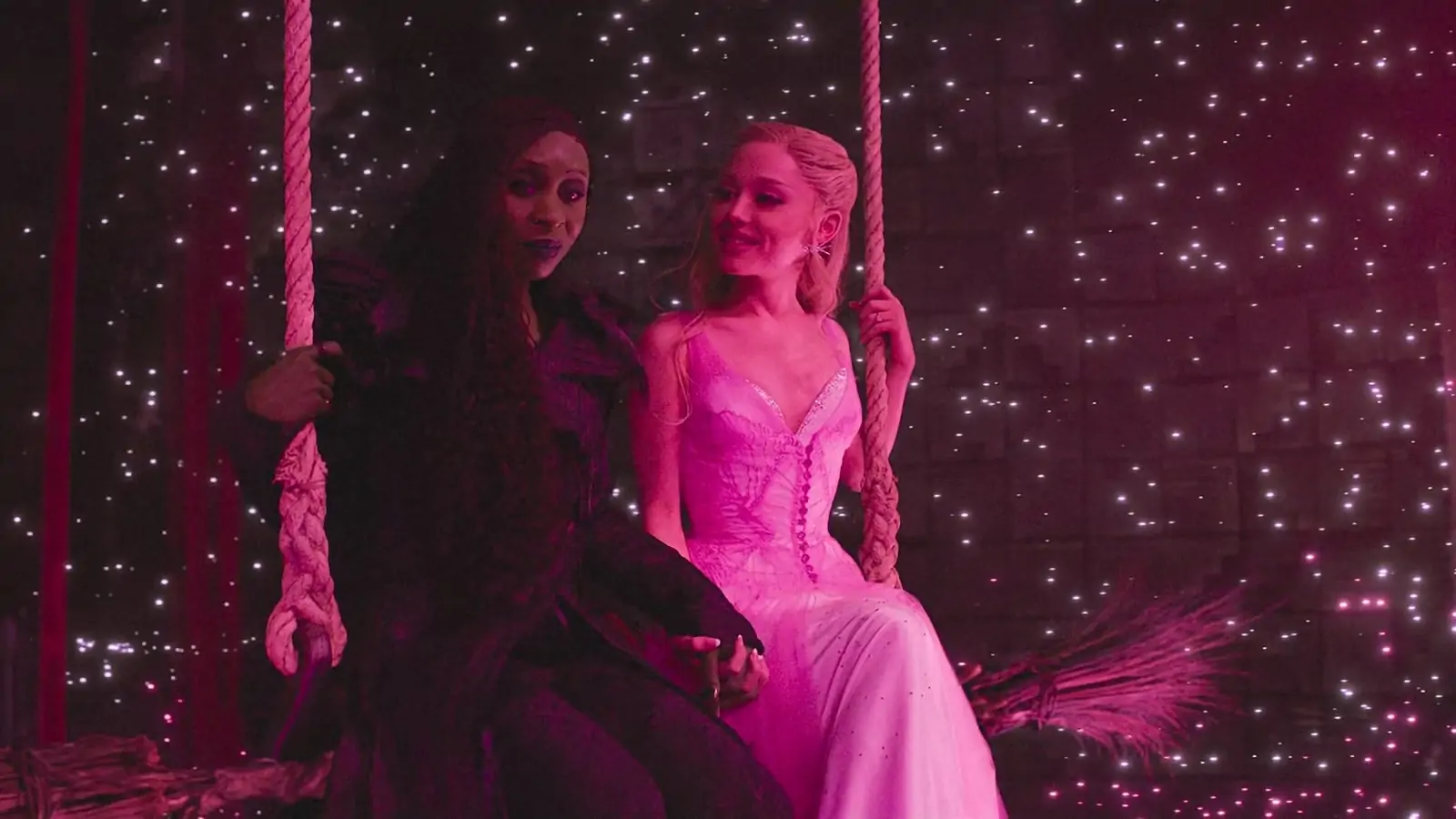
Elphaba and Glinda on a swing in Wicked: For Good – Universal
For viewers who disliked the movie—or who were exhausted by its marketing circus—the Oscars outcome feels validating. Wicked: For Good wasn’t misunderstood. It wasn’t unfairly targeted. It simply didn’t earn the accolades Universal expected.
Awards seasons don’t just celebrate success — they also signal when a project’s moment has passed. In this case, the message could not have been clearer. The first Wicked film felt like an event. The sequel feels like an overextension.
And now, with audiences disengaged and the Hollywood elite unmoved, the franchise finds itself in an uncomfortable position: profitable, but creatively stalled—and publicly humbled.
Are you surprised that Wicked: For Good was snubbed at the Oscars? Sound off in the comments and let us know!
UP NEXT: Dave Filoni Got Lucasfilm Position Because Genndy Tartakovsky Turned it Down
