



A leading industry analyst forecasts that theme park operators may still need up to three years to return to 2019 attendance and revenue levels amid ongoing challenges.
Dennis Speigel, CEO of International Theme Park Services, told CoStar News in August 2025 that even after opening new attractions and launching expansion plans, recovery remains incomplete. He said that it could still be two to three years before parks return to pre‑lockdown levels for attendance and revenue. He cited severe weather in 2025, lingering tariff‑driven uncertainty, and reduced consumer spending as major obstacles.

Universal Studios fans in front of the iconic globe – Photo Credit: Universal Orlando Resort
READ: Walt Disney World Provides Villains Land Development Update at Magic Kingdom
Florida theme‑park attendance remained approximately 13% below 2019 levels, gaps partly due to aggressive pricing and weaker international tourism.
Operational Pressures: Weather and Staffing
Speigel noted that unfavorable weather and a shortage of young seasonal workers—exacerbated by extended school calendars—have forced many regional parks to reduce operations to weekends during non‑peak periods, a shift not common in prior years.
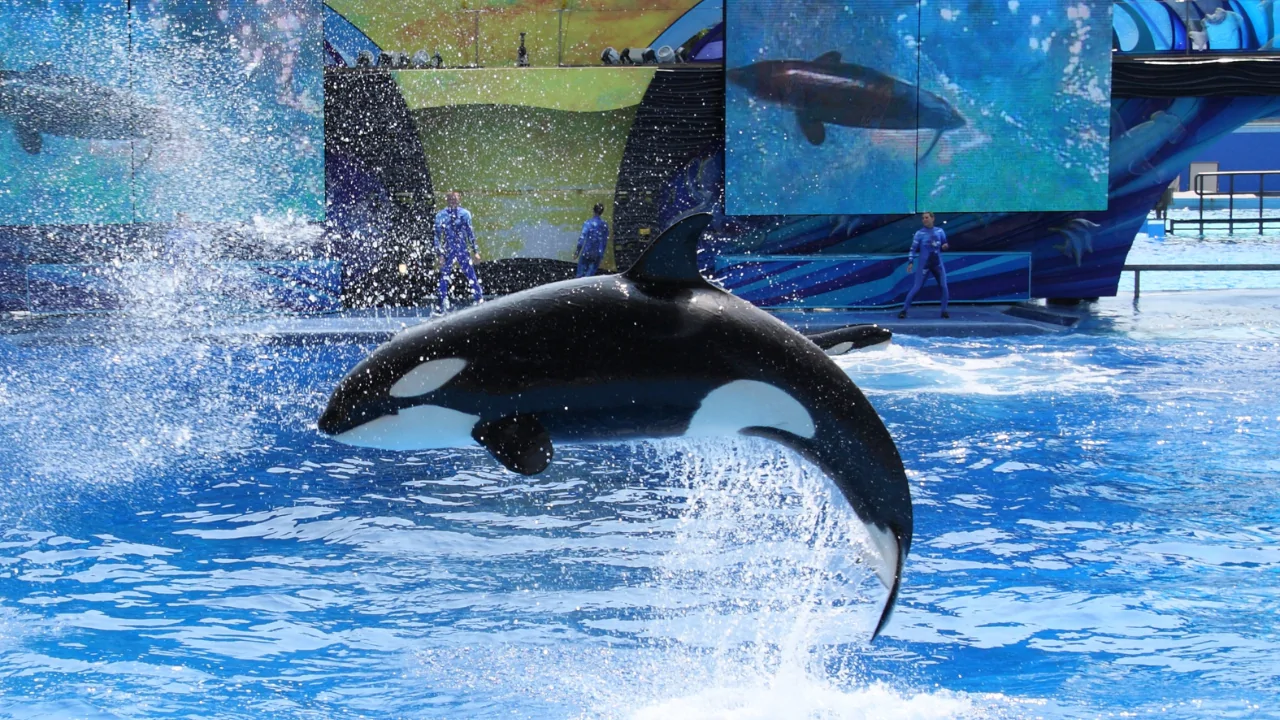
An orca killer whale at Sea World Orlando – Photo Credit: Denis Santana, CC BY-SA 2.0 <https://creativecommons.org/licenses/by-sa/2.0>, via Wikimedia Commons
Some parks that reside in more temperate environments and are open year-round have seen better numbers, but still not enough as high as pre-pandemic. So the issue goes deeper than the weather.
Impact on Consumer Behavior and Spending
According to The Wall Street Journal, many families are curbing theme‑park visits due to inflation and reduced discretionary income. Meanwhile, parks raising per‑capita revenue through premium offerings may be limiting attendance growth. Even discount‑oriented venues saw only modest gains, often paired with lower spending per visitor.

Empty Rivers of America facing the former riverboat dock at Magic Kingdom in Walt Disney World – Photo Credit: That Park Place
Speigel added, “Things like tariffs are causing a lot of uncertainty, to the point where people are saying, Maybe I should hold off on buying an annual pass to a theme park.”
Broader Industry Patterns: Revenue vs. Attendance
A report published by the Themed Entertainment Association and AECOM found that in 2022, global theme‑park revenues had generally surpassed 2019 levels—largely through premium pricing and app‑based enhancements—even as attendance lagged.
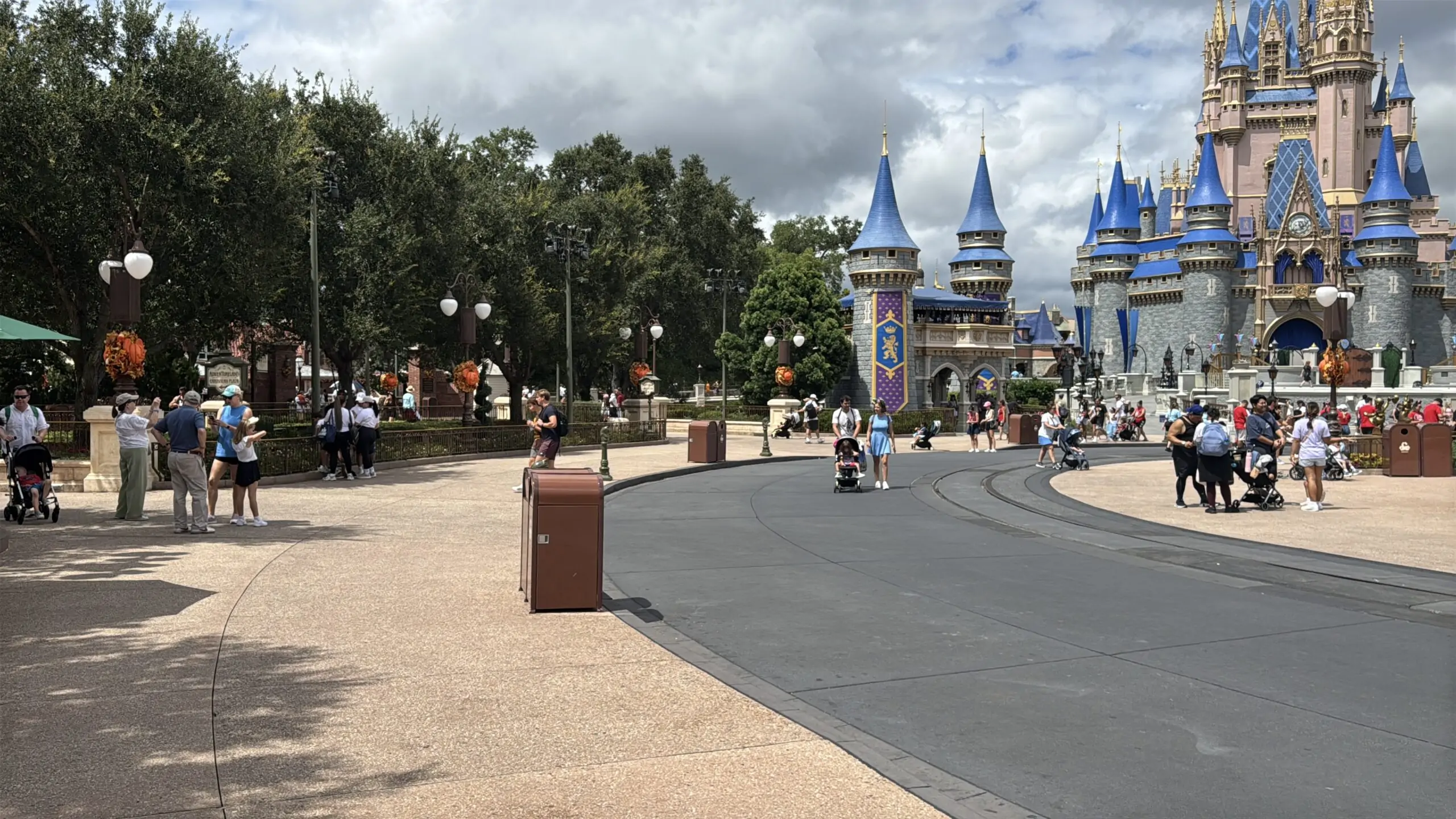
The hub of the Magic Kingdom in Walt Disney World on Labor Day 2025 – Photo Credit: That Park Place
The Magic Kingdom, for example, reached about 17.1 million visitors in 2022, still below its 2019 attendance.
Investments Continue Despite Headwinds
Major operators are pressing ahead with capital projects. Comcast opened Epic Universe at Universal Orlando Resort in May 2025. Universal also opened Horror Unleashed in Las Vegas and will be adding a Universal Kids Resort in Frisco, Texas.

The entrance to Super Nintendo World at Night – Photo Credit: NBC Universal
Meanwhile, Disney is implementing a decade‑long, $60 billion expansion plan across its Parks & Experiences division, including new developments in the U.S. and abroad.
Conclusion
Analyst projections suggesting “three more years” for full recovery appear credible and grounded in current data. While operators are aggressively investing, factors such as weather volatility, labor constraints, affordability concerns, and subdued international tourism continue to slow the rebound.
What do you think is causing the lower theme park attendance? Let us know your thoughts in the comments below!
UP NEXT: James Gunn Calls Peacemaker Season 2 a Prequel to Man of Tomorrow — Superman’s Future Isn’t for Kids
