


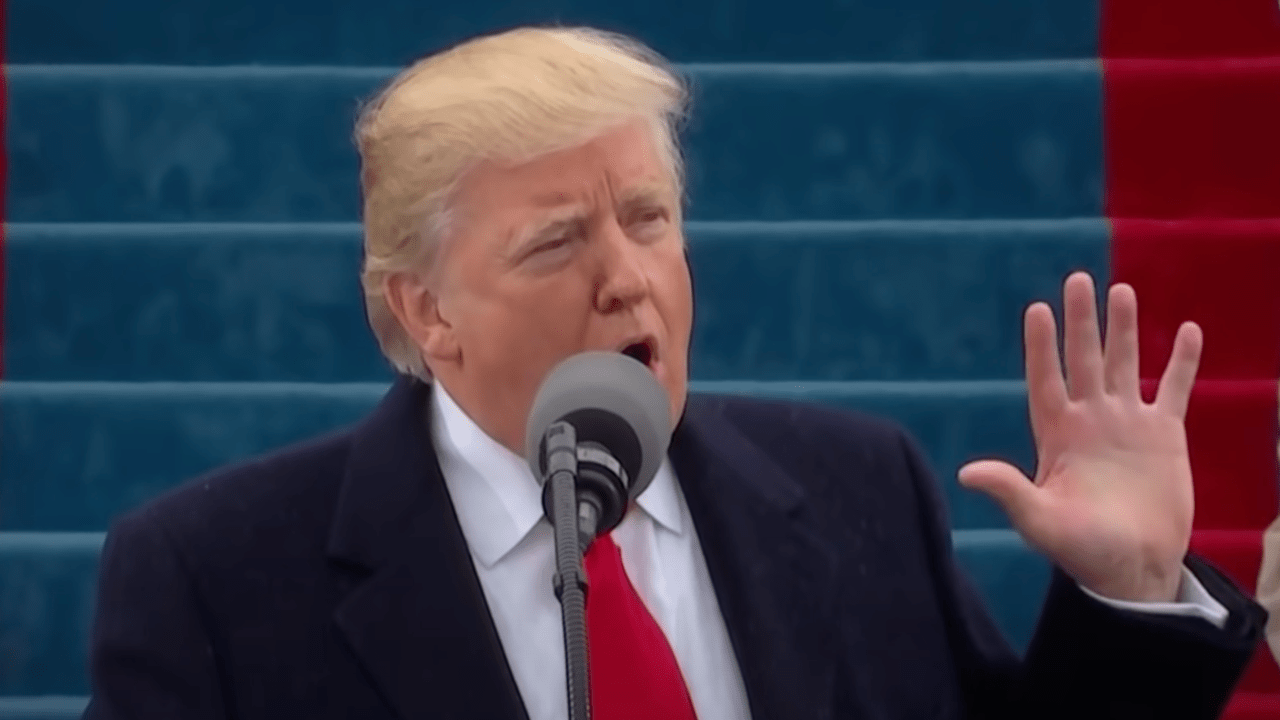
In an unexpected corporate pivot, several major U.S. companies are hurriedly dismantling their Diversity, Equity, and Inclusion (DEI) programs ahead of the second inauguration of President Donald J. Trump. This strategic retreat of ideologically captured companies, comes in light of the incoming administration’s vocal opposition to what they describe as “woke culture” and “anti-white racism,” with DEI initiatives at the forefront of their critique.
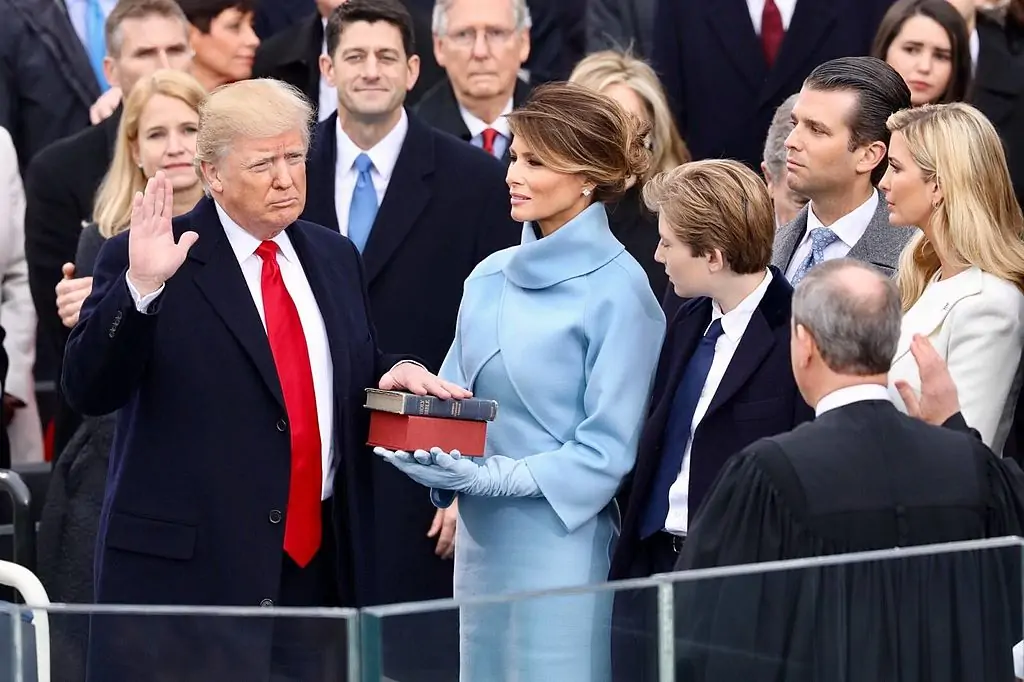
President Donald Trump being sworn in on January 20, 2017 at the U.S. Capitol building in Washington, D.C. Melania Trump wears a sky-blue cashmere Ralph Lauren ensemble. He holds his left hand on two versions of the Bible, one childhood Bible given to him by his mother, along with Abraham Lincoln’s Bible. Photo Credit: The White House, Public domain, via Wikimedia Commons
READ: Ezra Miller Blamed for Flash Box Office Failure as Variety Edits Comments to Trash the Fans
What’s more, they have the law and a recent Supreme Court decision on their side.
The Required Context
Since Donald Trump announced his intentions to “terminate every diversity, equity, and inclusion program across the entire federal government” during the course of his campaign, corporate America has been on high alert, with corporate lawyers scrubbing language and policy. The next Trump administration’s policy blueprint has explicitly targeted DEI initiatives and all institutions and corporations that have incorporated them.

The Nexus Mod of Donald Trump as Captain America in Marvel Rivals – YouTube, AsmonGold Clips
This includes labeling them as “woke culture warriors” and promising legal action against those deemed to violate civil rights laws by engaging in what they perceive as reverse discrimination. Expectation is that even those who change pre-emptively may have to answer for those violations as well.
The Corporate Response to Self Imposed Crisis
In response, companies like Walmart, Ford, Amazon, McDonald’s, and Meta have begun to scale back or completely remove their DEI policies.
Walmart, for instance, announced the cessation of its DEI goals, dropping the term from its corporate lexicon altogether. Similarly, Meta has dissolved its DEI team and ended its equity and inclusion training programs that studies have shown are incredibly divisive whenever and wherever they’re deployed.

A list of pledges by McDonald’s to eliminate DEI initiatives within its organization – YouTube, WHAS11
This wave of retractions, renames, and rebrands is not limited to these corporations. Posts on platforms like X have captured the sentiment, with users noting that companies are “dumping their policies because they know the Trump Justice Department will investigate and prosecute them.”
This will certainly surprise no one as the President-elect has expressly stated that in the past.
Avoiding Litigation
The obvious motivation behind these actions appears to be a desire to avoid the potential of destructive litigation and a PR nightmare that would damage any company’s reputation and give talking points to competitors.
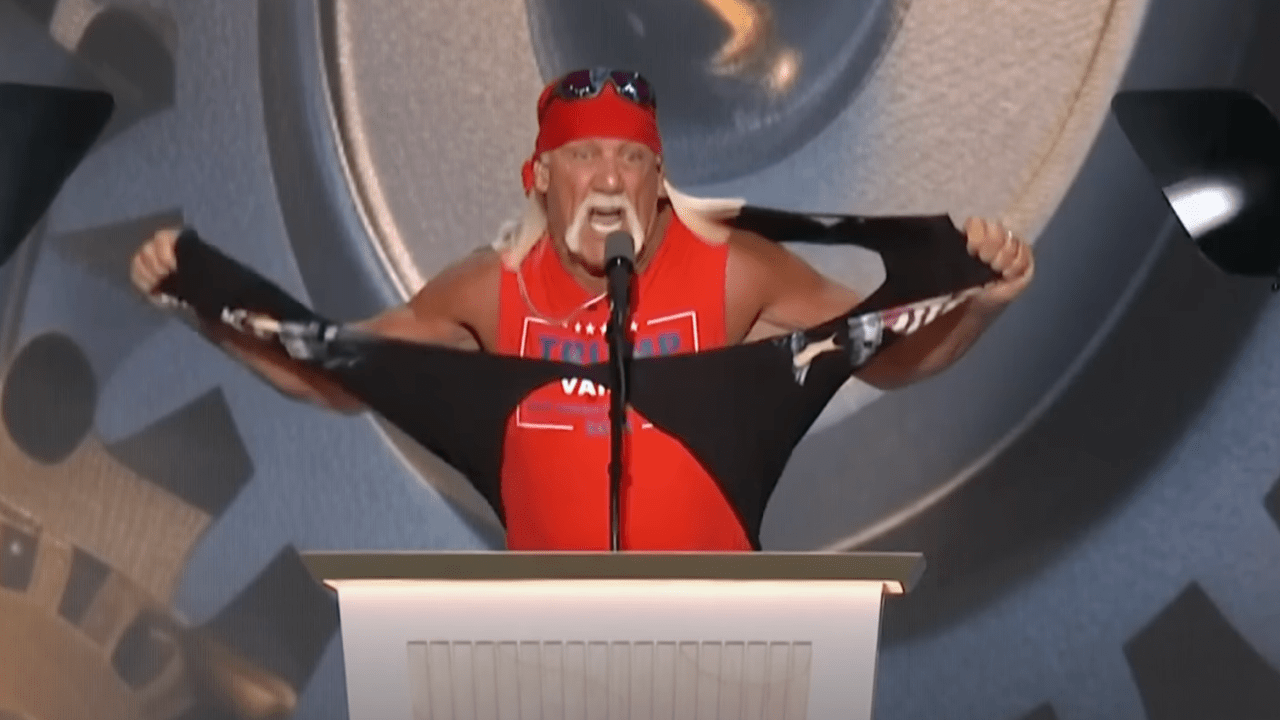
Hulk Hogan speaks at the RNC in support of Donald Trump – YouTube, Bloomberg Television
Trump’s first term was marked by an executive order against “race and sex stereotyping and scapegoating,” which was seen as an initial strike against DEI programs. This time, with a more aggressive stance, companies fear facing lawsuits under the guise of reverse discrimination or violations of Title VII of the Civil Rights Act, which prohibits discrimination based on race, color, religion, sex, or national origin.
That fear is well founded in that future administration appointees have publicly stated that the elimination of DEI is a top priority.
The Legal and Ethical Debate
The legality of many DEI programs has been a contentious topic, with groups like America First Legal, founded by former Trump administration officials, already challenging corporate diversity efforts in court.

A quote from Disney Parks Chair Josh D’Amaro about diversity within the company – Disney
These groups argue that such programs promote racial quotas, which are illegal under current U.S. employment law and under the aforementioned Title VII of the Civil Rights Act. On the other hand, leftist civil rights activists like the ACLU have warned that dismantling DEI would undo decades of progress toward the racist driven, lowest common denominator of equity.
Corporate Strategy and Public Perception
Companies are not just reacting to the legal risks of DEI under a second Trump term, but also to the broader political and social climate. Simply put, the pendulum is swinging back to common sense.
The shift is seen by some as corporations aligning with not only the new administration’s direction but with consumer sentiments as well. They are hoping to avoid becoming targets in a culture war that could extend into the boardrooms and global governments.
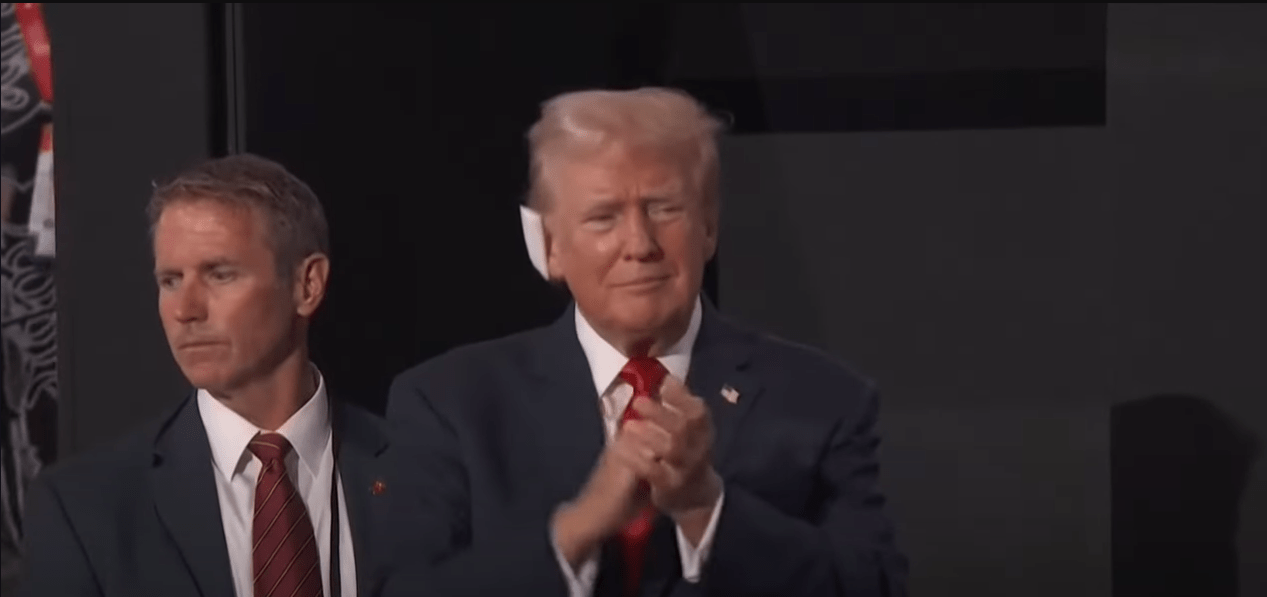
Donald Trump at the Republican National Convention 2024 via New York Post YouTube
READ: Disney Star Mandy Moore Lashes Out at Fans Critical of GoFundMe for Inlaws’ Fire Relief Campaign
However, this move has sparked a debate on both sides about whether businesses are retreating from their incredibly unpopular virtue signal commitments to the corrupt social justice sham in favor of political expediency and deflection of previous bad behavior.
Arguments can be made for both perspectives and yet, either way, more and more ideologically captured entitles are now in fear of previous illegal policies.
Future Implications
The dismantling of DEI programs could have long-term effects on corporate culture, employment opportunities for those being discriminated against by these policies, and the overall fight for merit based workplaces as required by law.
While the reasonable and law abiding see this as a necessary adjustment to legal realities, others view it as a step backward from feelings-based outcomes. As Trump prepares to take office, the business community certainly watches closely, wondering if this is the beginning of a new era merely for corporate governance or a complete repudiation of all anti-American practices trying to undermine culture from the ground up.
The Conclusion and Answers Around the Corner
There is no doubt, as January 20, 2025, approaches, the corporate landscape is visibly changing.
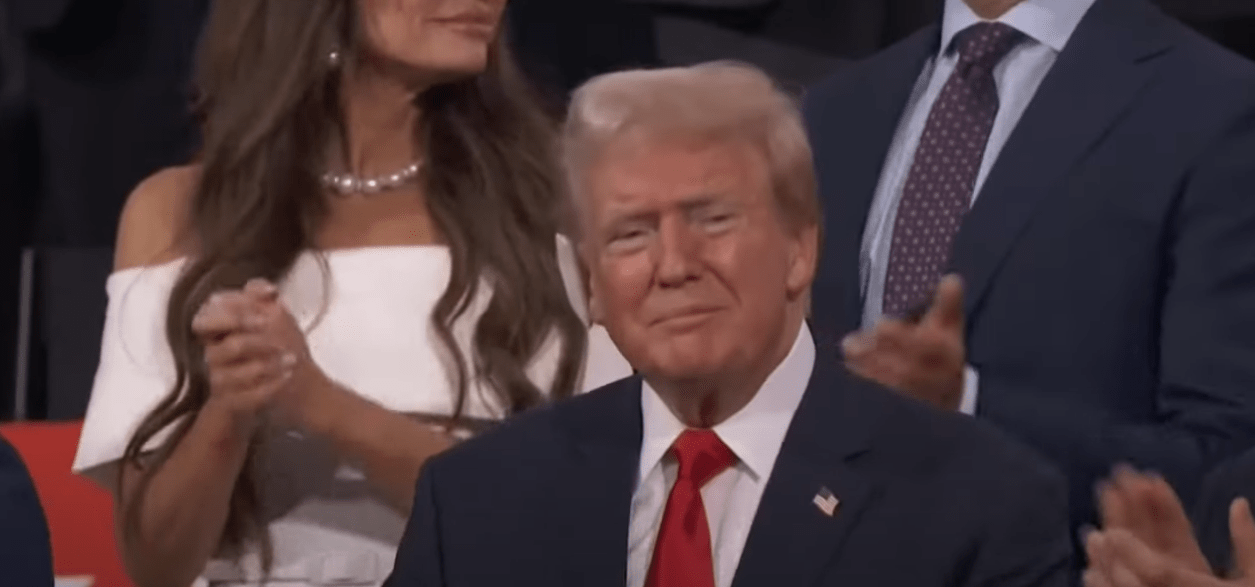
Donald Trump at the Republican National Convention 2024 via New York Post YouTube
The proverbial writing is on the wall when it comes to the Trump administration and DEI. Companies are making calculated decisions to eliminate DEI initiatives, driven by fear of litigation, the looming enforcement of established law, and a desire to navigate the new political and consumer landscape unscathed.
Questions remain whether this retreat is a strategic maneuver or a permanent “based” recalibration of corporate America remains to be seen, but it certainly marks a pivotal moment in U.S. business history and perhaps a greater sign of excellence to come.
Do you think the Trump administration will dismantle DEI initiatives in the United States? Sound off in the comments and let us know!
