



Square Enix created a ton of controversy with its new group customer harassment policy, with many seeing it as a threat to both the gaming community and the industry as a whole.
What is The Square Enix Group Customer Harassment Policy?
The “Group Customer Harassment Policy” is a new measure taken by Square to combat what it deems unacceptable behavior. The developer claims the policy will help with product improvement and quality.
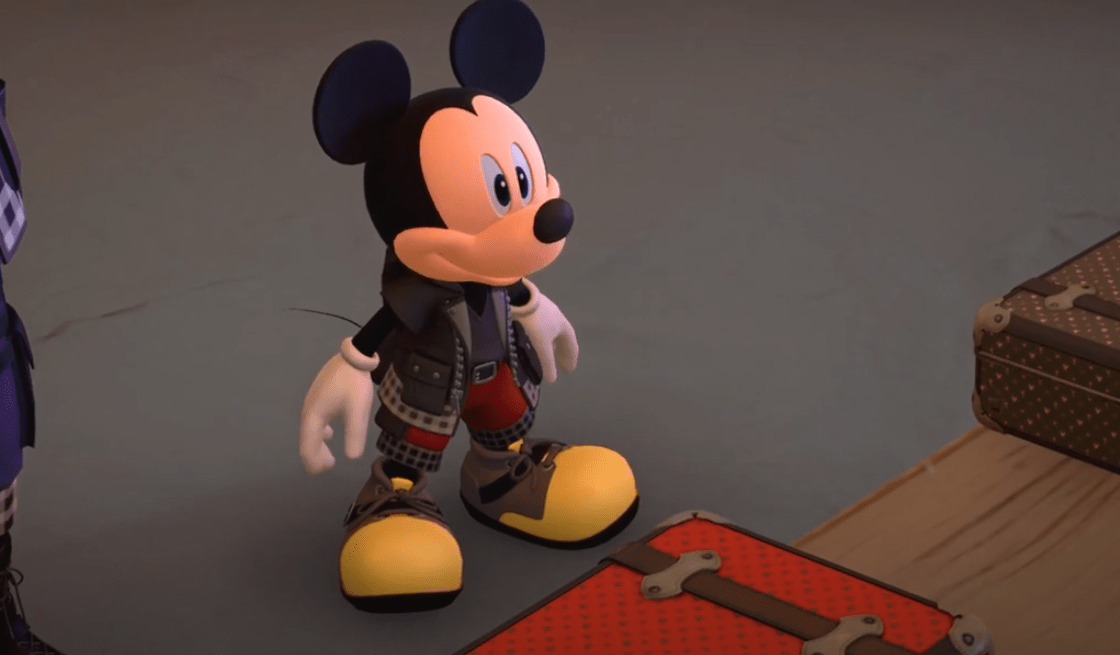
King Mickey in Kingdom Hearts 3 (2019), Square Enix
“Square Enix believes that the feedback, comments and requests received from our customers are essential to the advancement of our group’s products and services, therefore we are committed to strive to apply your voice in improving our products and services,” the Japanese developer said on the policy’s official page of the Square website. “At the same time, there are instances where certain customers take actions directly or through our support centers, or towards our group executives, employees, partners who are involved in the creation and distribution of our group products and services, that constitute ‘customer harassment,’ such as denial of personality, violence, defamation, intimidation, advance notice of wrongdoing, advance notice of obstruction of business, harassment. Such actions do not only prevent our employees and partners from engaging in their work with a sense of security but also causes disruptions to other customers. Square Enix will not tolerate harassment and will take action as necessary.”
The policy acknowledges that “feedback, comments, and requests” are vital for improving products and services. However, it uses questionable terms (such as “denial of personality” and “excessive pursuit or reprimand”) that suggest otherwise. While protecting employees from legitimate threats like violence or stalking is essential, these subjective categories open the door to potential abuse.
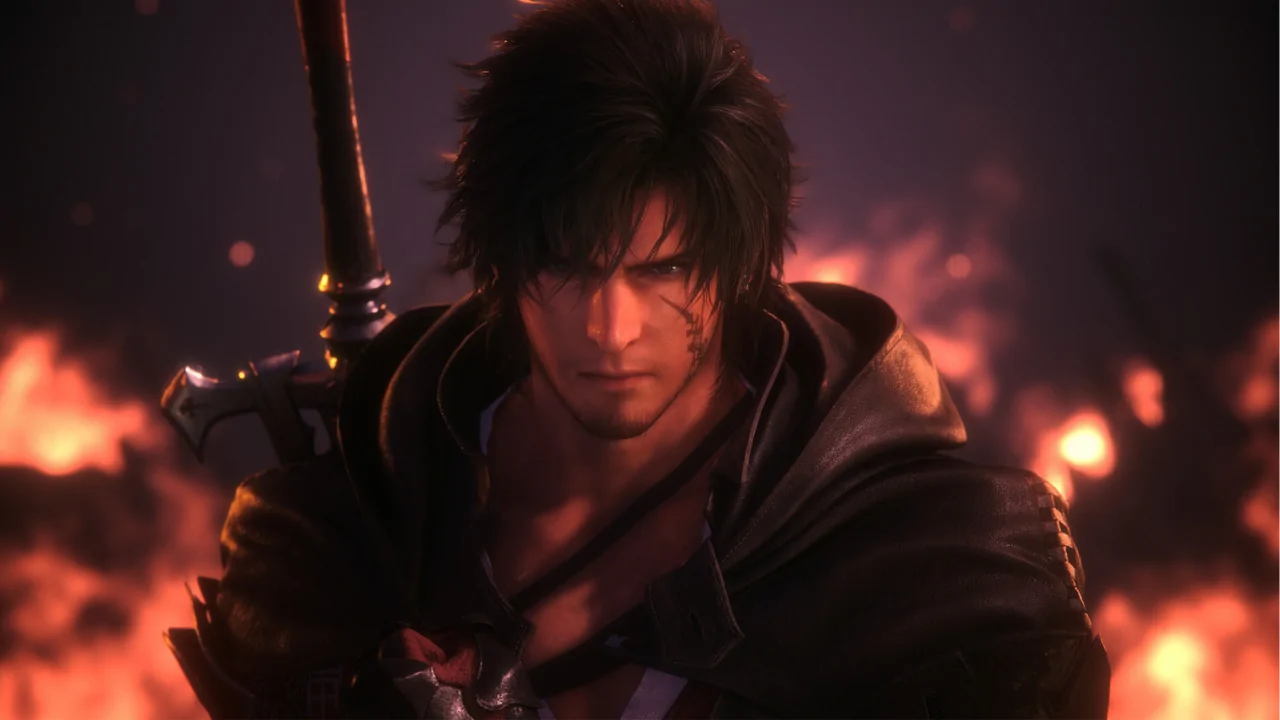
A screenshot from Final Fantasy XVI (2023), Square Enix
“Should Square Enix determine that an individual has engaged in an action against one of our employees or partners that exceeds socially acceptable behavior or is harmful, we reserve our right to cease providing support services or to refrain from providing our group’s products and services,” Square goes on to say. “Where such action is egregious or with malicious intent, Square Enix reserves its right to protect its employees and partners and to take legal action or criminal proceedings upon consulting the police and/or lawyers.”
Square Enix has made it clear it will “cease providing support services” to offenders and reserves the right to pursue “legal action or criminal proceedings.” This heavy-handed approach shifts the dynamic between gamers and developers, replacing open dialogue with a chilling fear of reprisal for any form of dissent.
What This Means for Critics
By creating this new policy, Square Enix can now declare anything as harassment, including legitimate criticism of its products. In doing so, Square can, in theory, press charges against critics under the claim of harassment.

A screenshot from Final Fantasy IX (2000), Square Enix
Square Enix’s new measures reflect a growing trend among corporations adopting DEI (Diversity, Equity, and Inclusion) policies that seem less about inclusivity and more about corporate image control. These policies often conflate genuine criticism with harassment, weaponizing subjective standards to silence dissenting voices.
Square Enix may publicly state that it values customer feedback, but this policy suggests otherwise. By lumping legitimate criticism alongside actual harassment, the company risks alienating the very fans who’ve supported its success for decades.
The inclusion of subjective offenses like “excessive pursuit or reprimand” blurs the line between constructive feedback and actual harassment. Who decides when a player’s complaints cross into these ambiguous territories? Square Enix, of course.
What This Means for Gaming
Many suggest that Square’s new policy is a violation of freedom of speech, as it limits feedback and open dialogue. A common critique has been that the policy feels less like a shield for staff and more like a sword aimed at the community. Harassment should be addressed through existing legal frameworks, not by creating subjective policies that chill open discussion.
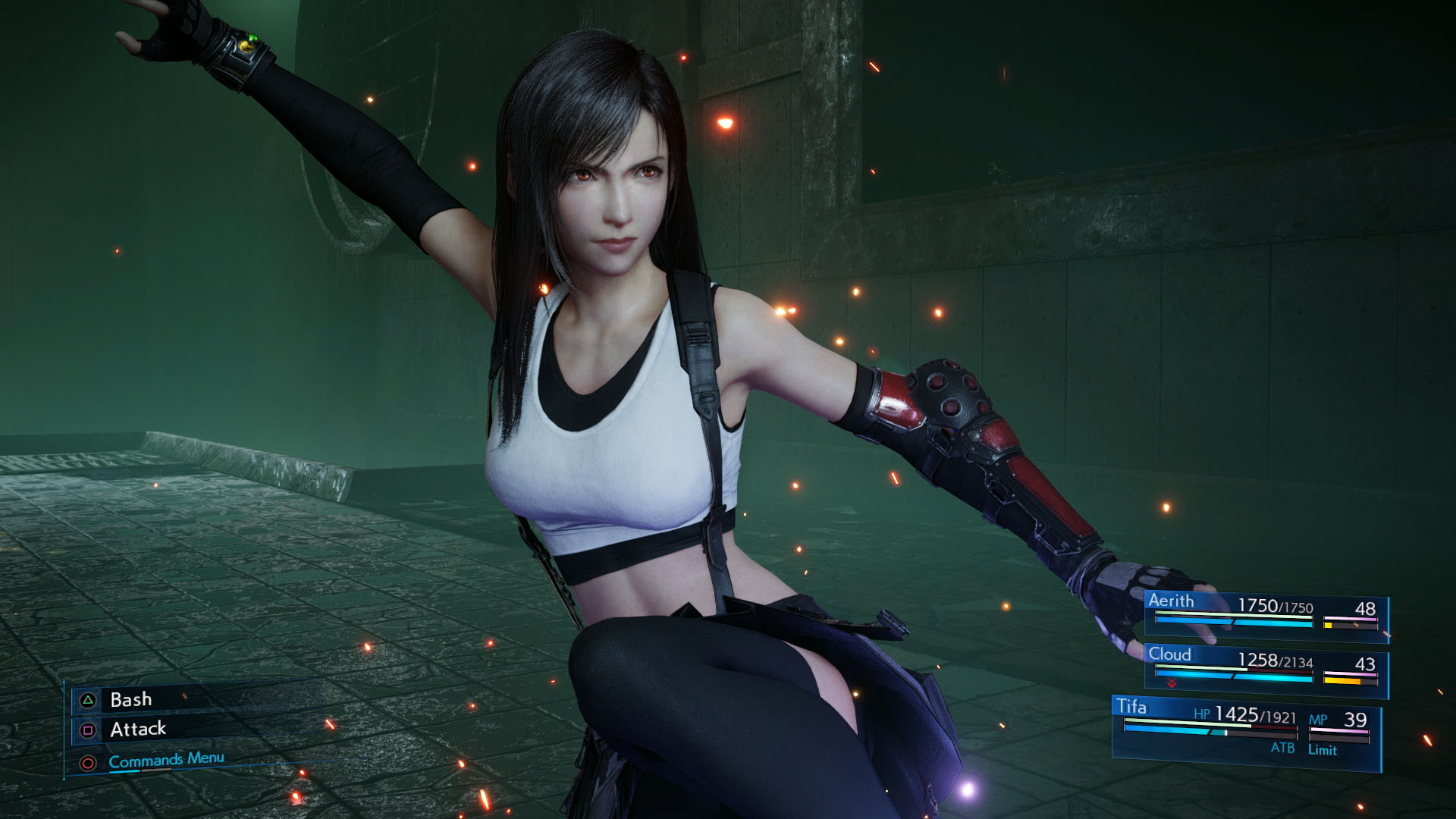
Tifa in Final Fantasy VII Remake (2022), Square Enix
Gaming thrives on passionate debates and constructive criticism. These exchanges foster innovation and help developers address issues that might otherwise go unnoticed. Square Enix’s policy risks undermining this dynamic, replacing it with a culture of fear.
What happens if other companies follow Square Enix’s lead? If vague policies and legal threats become the norm, the gaming industry’s collaborative spirit could erode. Developers and gamers have always shared a unique relationship, one built on trust, engagement, and shared passion.
Square Enix’s history is one of groundbreaking innovation fueled by fan enthusiasm. But by taking steps to silence dissent, it risks alienating the very audience that built its legacy.

A screenshot from Final Fantasy VII Rebirth (2024), Square Enix
For now, gamers are left wondering: Is it safe to criticize the games they love, or will even constructive feedback come with a legal warning?
How do you feel about this move by Square Enix? Will you continue to support its games going forward? Sound off in the comments and let us know your thoughts!
That Park Place Editor-in-Chief M. Montanaro Contributed to This Article
Raven Redgrave, AKA Writing Raven, is the co-host of the Gothic Therapy YouTube channel with her husband MasterOfTheTDS. The channel features a look at pop culture, entertainment, and gaming with insightful commentary, sharp critiques, and a dose of dark humor.
UP NEXT: Ezra Miller Blamed for Flash Box Office Failure as Variety Edits Comments to Trash the Fans
