



Ubisoft’s Assassin’s Creed Shadows has been a marketing disaster of epic proportions, plagued by missteps that have left both fans and Japanese audiences frustrated. From culturally insensitive decisions to baffling character choices, the game’s promotional campaign seems cursed—or perhaps just a testament to Ubisoft’s tone-deaf approach.
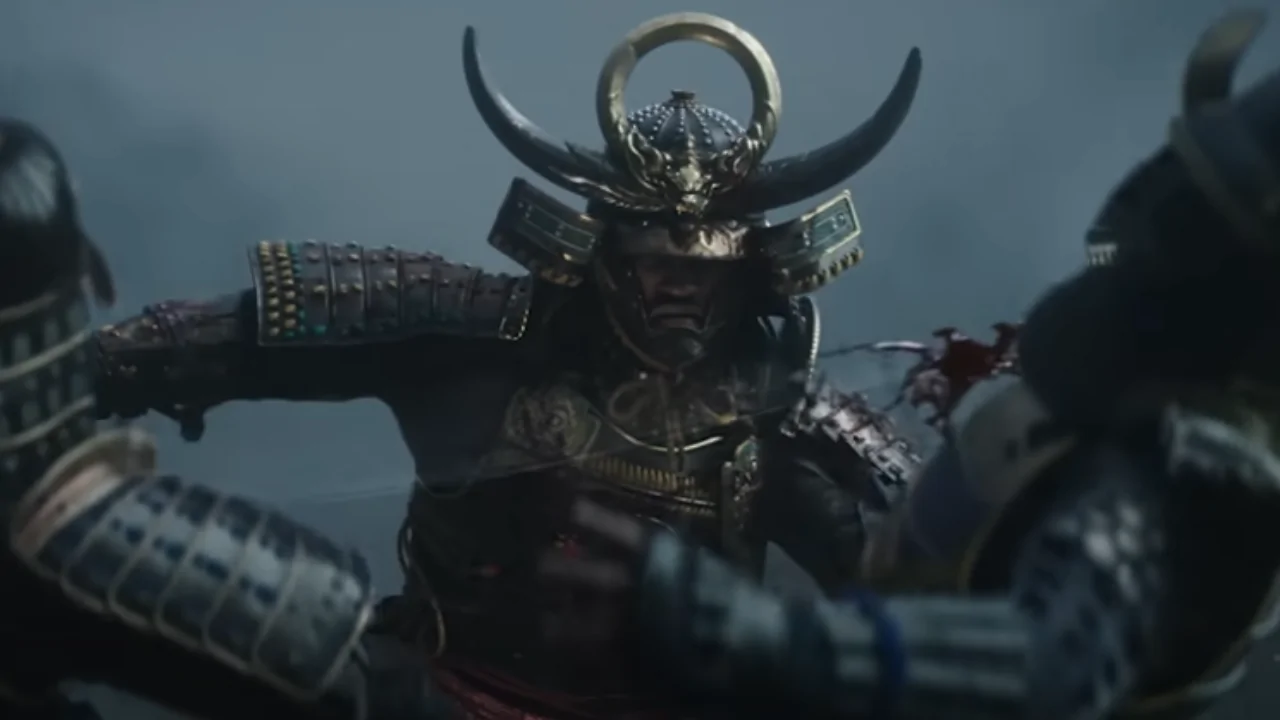
A screenshot from Assassin’s Creed Shadows (2024), Ubisoft
From the very beginning, with the cinematic trailer for Assassin’s Creed Shadows, Ubisoft managed to upset both fans and Japanese audiences. Its insistence on having Yasuke as the main protagonist became a major point of contention. This decision was controversial because not only is Yasuke’s historical relevance questionable, but credible sources indicate that Yasuke was neither a samurai nor a well-documented historical figure.
By choosing a character whose historical significance is dubious, Ubisoft angered long-time Assassin’s Creed fans. The franchise has traditionally featured fictional protagonists who interact with historical figures, yet here, players are expected to embody a relatively obscure individual with no real influence during the Oda Nobunaga period or on Japanese history as a whole.
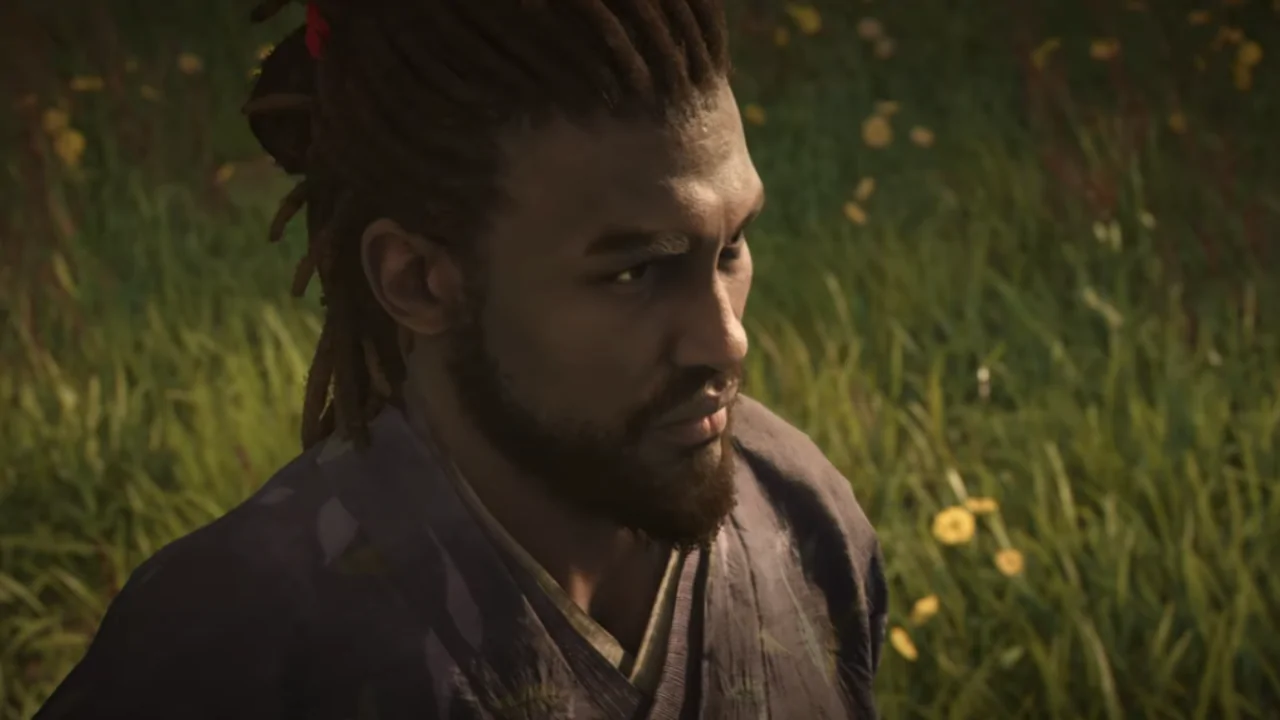
A screenshot from Assassin’s Creed Shadows (2024), Ubisoft
This left many fans asking, “Why Yasuke?” Especially when the game could have centered around one of the most renowned and legendary samurai in history—Miyamoto Musashi, a figure far better documented and celebrated in Japanese culture. Yet, for reasons that remain unclear, Ubisoft deemed Yasuke a more “culturally relevant” choice for a game set in Japan.
Questionable Experts, Unquestionable Failures
But the mishaps don’t end there. Ubisoft proudly claimed to have hired “experts” to ensure the game was as immersive and culturally accurate as possible. However, the two “experts” they introduced, Thomas Lockley and Sachi Schmidt-Hori, came from questionable backgrounds, leading to widespread criticism of their involvement.

Thomas Lockley via Lance E. Lee Podcast from Tokyo YouTube
Thomas Lockley, a historian and co-author of African Samurai: The True Story of Yasuke, was accused of fabricating details about Yasuke to support his narrative. It was also discovered that Lockley had edited his own Wikipedia page to include these fabricated details, sparking outrage among Japanese historians.
The backlash became so severe that Lockley deleted all his online accounts, and Nihon University, where he worked as an associate professor, launched an investigation into his actions.
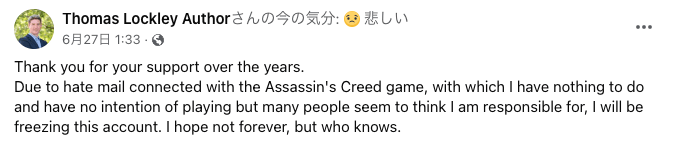
Thomas Lockley Author on Facebook
The investigation’s outcome remains unclear, but the damage to his reputation was undeniable.
Sachi Schmidt-Hori, on the other hand, is known for her research on Japanese monks and their alleged romantic relationships with male children. Her book, Tales of Idolized Boys: Male-Male Love in Medieval Japanese Buddhist Narratives, explores this highly controversial topic. Her selection as an expert for a game centered on the Sengoku period is baffling and raises serious questions about Ubisoft’s vetting process.

Screenshot of Sachi Schmidt-Hori and Ubisoft’s Brooke Davies discussing Assassin’s Creed Shadows
READ: Assassin’s Creed Shadows Delayed Again, Will This Game Be The End of Ubisoft?
One can’t help but question how and why these two were chosen to work on a historical period they clearly lacked expertise in. Yet we don’t even need to look at their backgrounds to see the glaring inaccuracies in Assassin’s Creed Shadows. A simple look at the gameplay footage reveals Ubisoft failed to correct basic historical errors, such as incorporating Chinese and Korean architectural styles into a Japanese setting. Paintings included in the game are from the wrong time periods entirely.
Where were these alleged “experts” when these elements were added? Considering the numerous inaccuracies, one might wonder if Ubisoft should demand their money back. Unless of course they were paid to simply stand up and say “Yasuke was a real black samurai,” and nothing else…
When fans, particularly Japanese audiences, pointed out these issues, Ubisoft responded by doubling down on the “importance” of Yasuke in Japanese history. They dismissed criticism as rooted in racism, ignoring the substantive points raised by players and historians alike. This was a spectacularly poor marketing move.
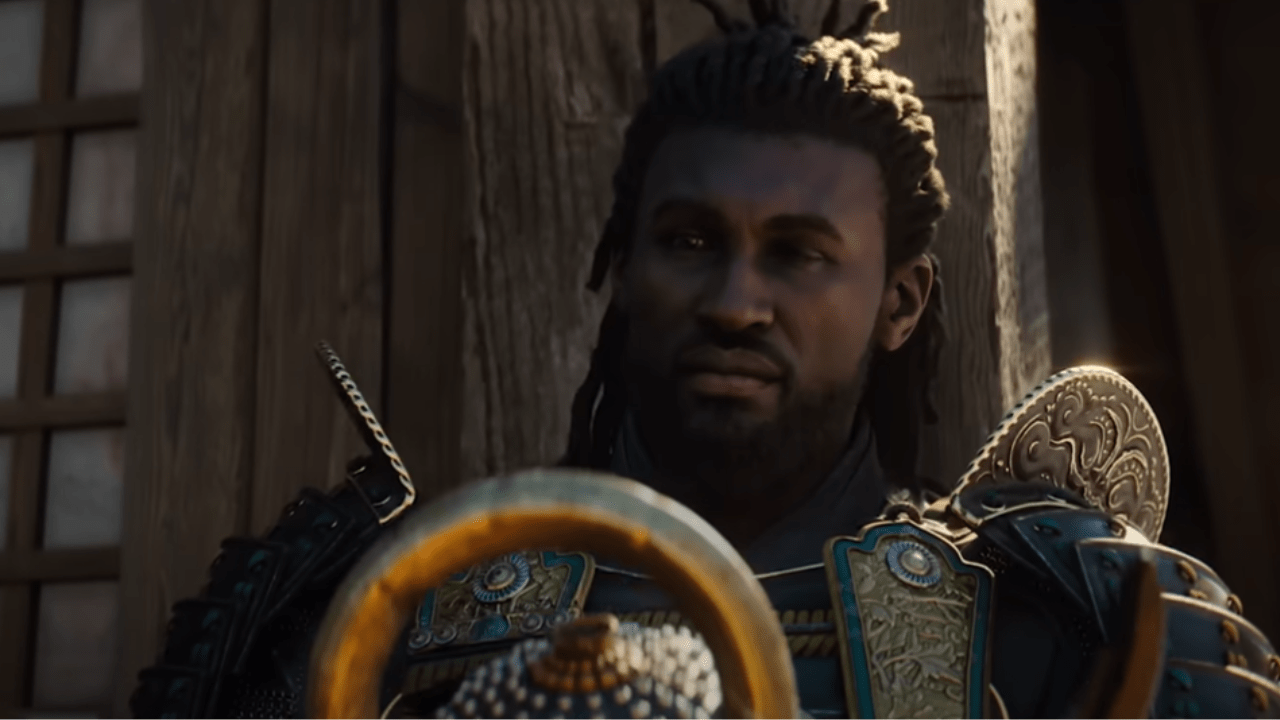
A screenshot from Assassin’s Creed Shadows (2024), Ubisoft
Unsurprisingly, this approach backfired. The controversy escalated when Satoshi Hamada, a member of Japan’s House of Councillors, acknowledged receiving numerous complaints about the game’s portrayal of Japanese history and culture. Hamada expressed intentions to bring these concerns before the National Diet, Japan’s legislative body, highlighting the game’s potential cultural insensitivity.
Ironically, Discussions arose about whether Assassin’s Creed Shadows could be considered “cultural appropriation.” Rumors circulated that the game might face censorship or, worse for Ubisoft, a ban on its release in Japan. A blow that Ubisoft didn’t want.
Marketing Mayhem: How Ubisoft Managed to Offend Everyone
And yet, Ubisoft kept making egregious missteps in its marketing efforts.
One of the most controversial examples was its plan to release and sell a figurine depicting Yasuke and Naoe, the second protagonist in the game, with Naoe perched on top of a half-destroyed torii gate.
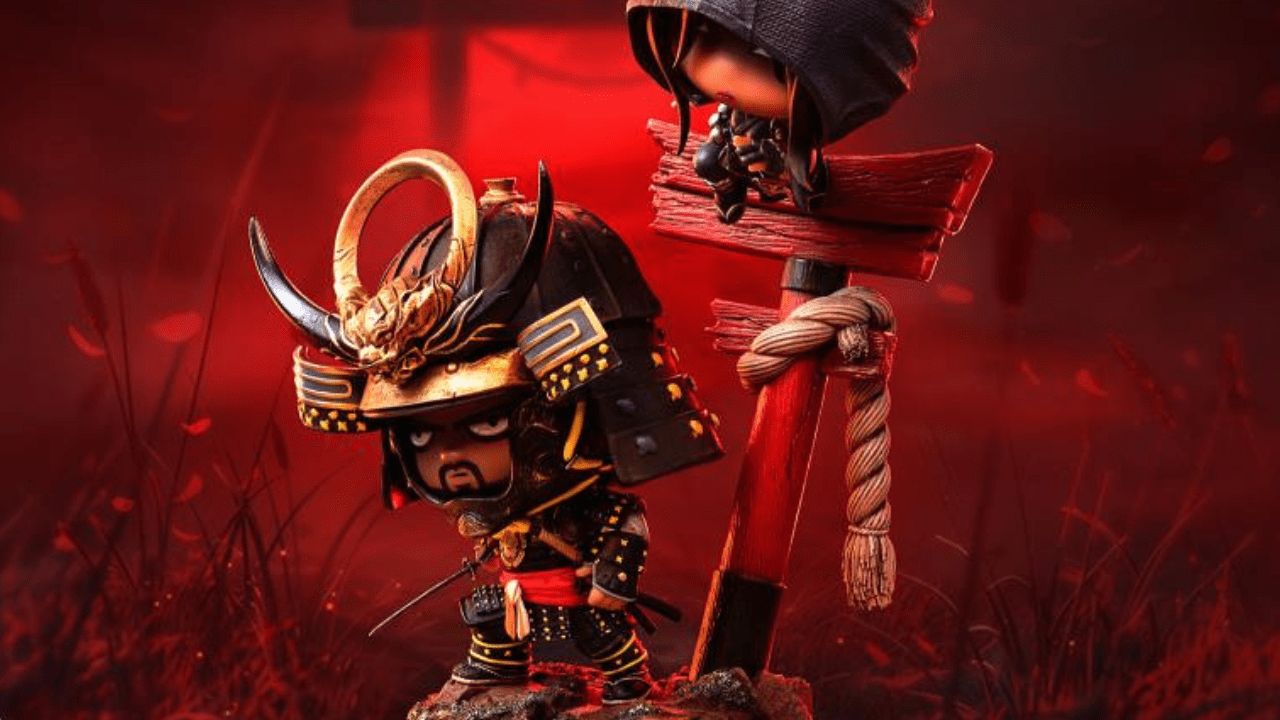
Assassin’s Creed Shadows Qlectors Yasuke & Naoe (2024), Pure Arts
This was no ordinary torii gate—it resembled one of the few pieces left standing after the atomic bombing of Nagasaki.
In Japan, this specific imagery is a solemn symbol of the horrors of nuclear devastation. The decision to use it as a decorative element for a collectible figurine was widely condemned as grossly insensitive (another thing their “historical experts” might have pointed out to them). After significant backlash, Ubisoft and its figurine partner, PureArts, announced they would withdraw the design and issue a replacement.
But the controversies didn’t stop there.
Ubisoft also marketed a katana sword, claiming it to be the type Yasuke would use in the game. Upon closer examination, fans quickly pointed out that the katana’s design was identical—or nearly identical—to that of Roronoa Zoro’s sword from the popular anime One Piece. This sparked allegations that Ubisoft had either plagiarized or outright resold a design connected to Eiichiro Oda’s intellectual property. The resemblance was so striking that fans demanded clarification, though Ubisoft has yet to publicly address these claims.
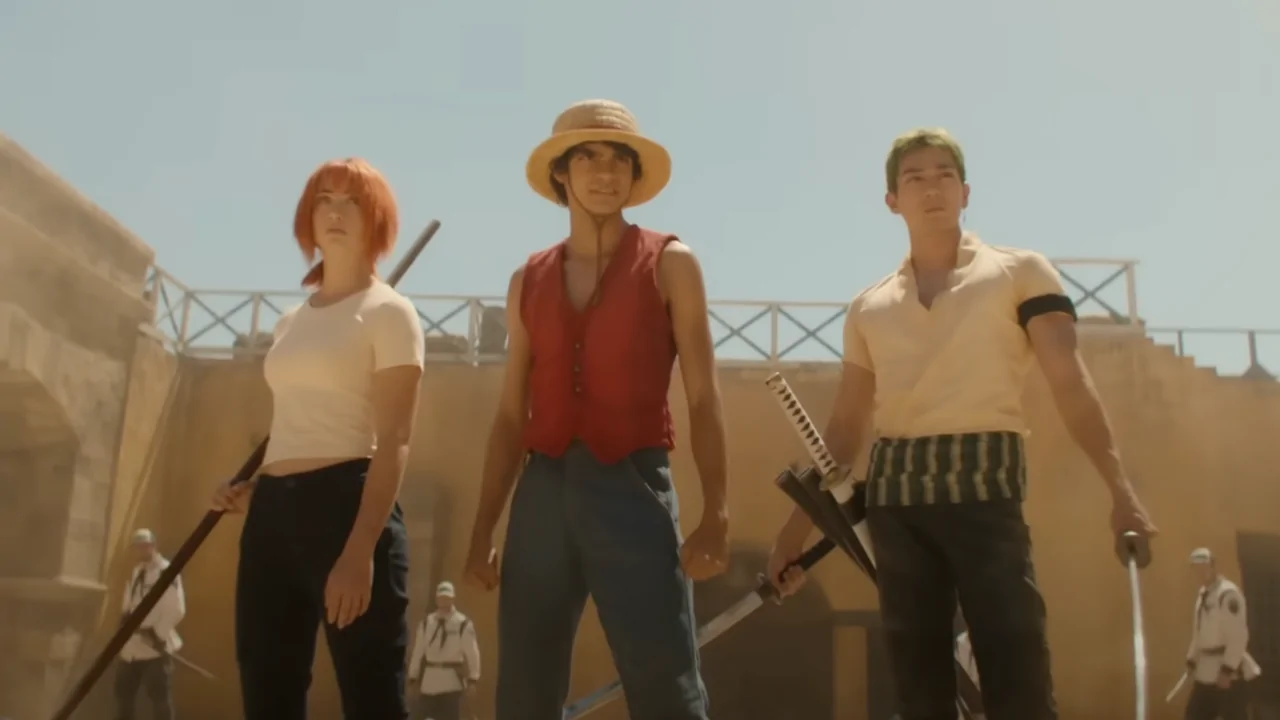
A screenshot of Nami, Luffy, and Zoro from the Netflix live action One Piece series – YouTube, Netflix
As if these weren’t enough, Ubisoft also stole a flag design from a Japanese historical reenactment group that focuses on the Sengoku period. The design was created by the Sekigahara Teppo-tai group and was clearly labeled as “not for commercial use.”
Despite being informed of this theft, Ubisoft has shown no willingness to remove the flag from the game or hold its developers accountable for this blatant disregard of intellectual property.
Adding further insult, Ubisoft included rap music during Yasuke’s in-game battles with samurai. While the company later announced the music would be removed, the damage was already done.
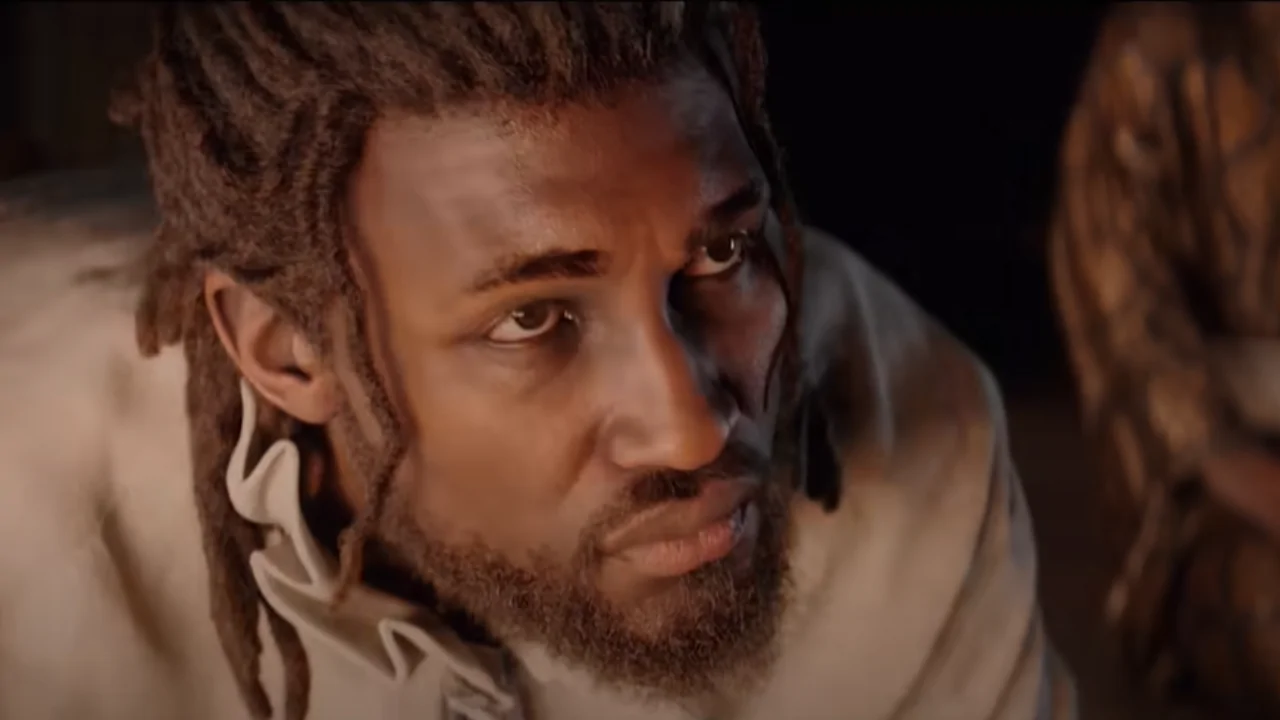
A screenshot from Assassin’s Creed Shadows (2024), Ubisoft
READ: Zack Snyder’s Rebel Moon VR Game Coming From Sandbox Despite Netflix Film Failures
Critics lambasted Ubisoft for their tone-deaf approach, as the use of rap music felt like an attempt to connect Yasuke, a historical figure from Africa (possibly Mozambique), to African American culture. This demonstrated Ubisoft’s apparent ignorance of Yasuke’s actual background and perpetuated a racist stereotype that all Black individuals are inherently tied to rap music.
By doing so, Ubisoft failed to acknowledge the diverse cultures and histories within the African diaspora, instead generalizing all Black people as Black Americans.
Each of these controversies, whether from laziness, ignorance, or deliberate decisions, only compounded Ubisoft’s growing reputation for cultural insensitivity and poor marketing judgment.
An Ignorance Too Deep to Ignore: Ubisoft’s Last Stand
But it doesn’t end here, ladies and gentlemen. Even as the release date for Assassin’s Creed Shadows draws closer, Ubisoft’s marketing team continues to demonstrate astonishing incompetence.
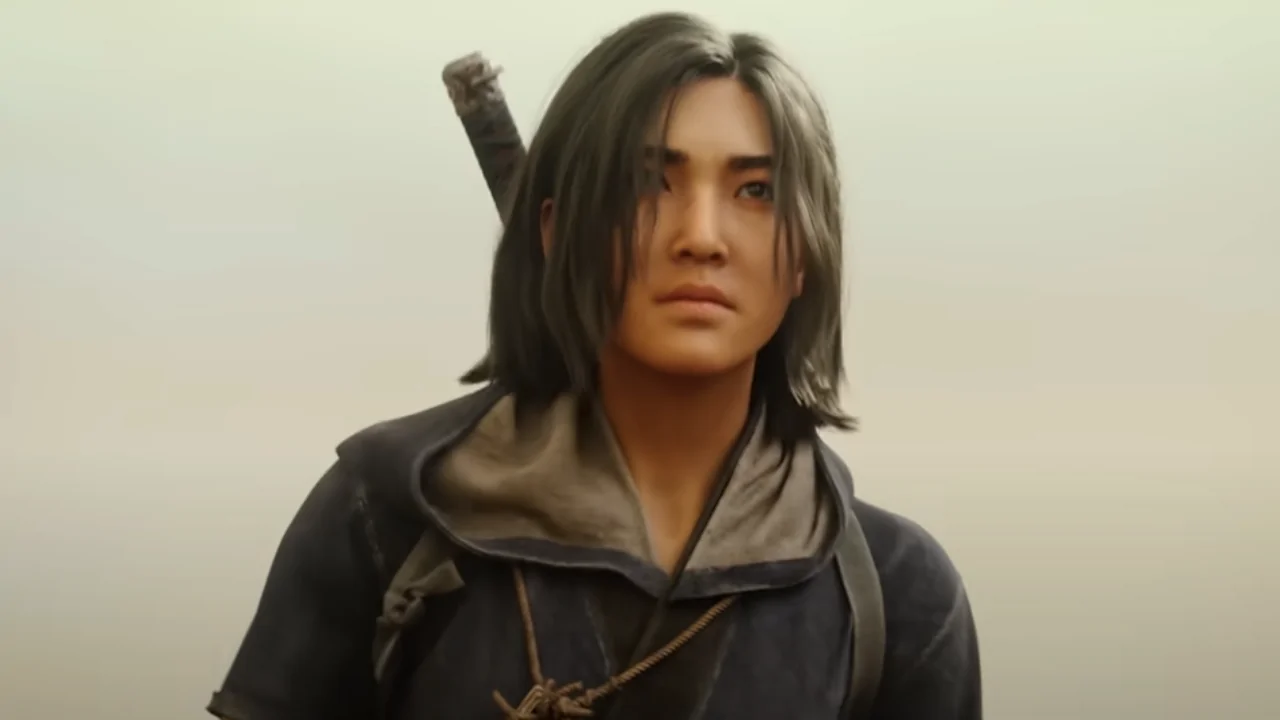
A screenshot from Assassin’s Creed Shadows (2024), Ubisoft
The latest debacle occurred when Ubisoft announced a delay for the game’s release, pushing it to March 20, 2025. A quick search on any laptop would reveal the significance of this date for Japan—it marks the 30th anniversary of one of the deadliest terrorist attacks in the nation’s history: the sarin gas attack on the Tokyo subway system.
For a company that employs over 18,000 people (including two supposed experts in Japanese history), this oversight is nothing short of appalling. Time and again, Ubisoft reiterates its commitment to creating a “historically” and “culturally” accurate game, yet its actions contradict these claims constantly.
This latest misstep raises one of two possibilities: either Ubisoft has some of the most ignorant employees in the industry—making its statements hollow and disingenuous—or it has employees who are fully aware of these insensitive blunders but are either indifferent or mean-spirited enough to let them happen.
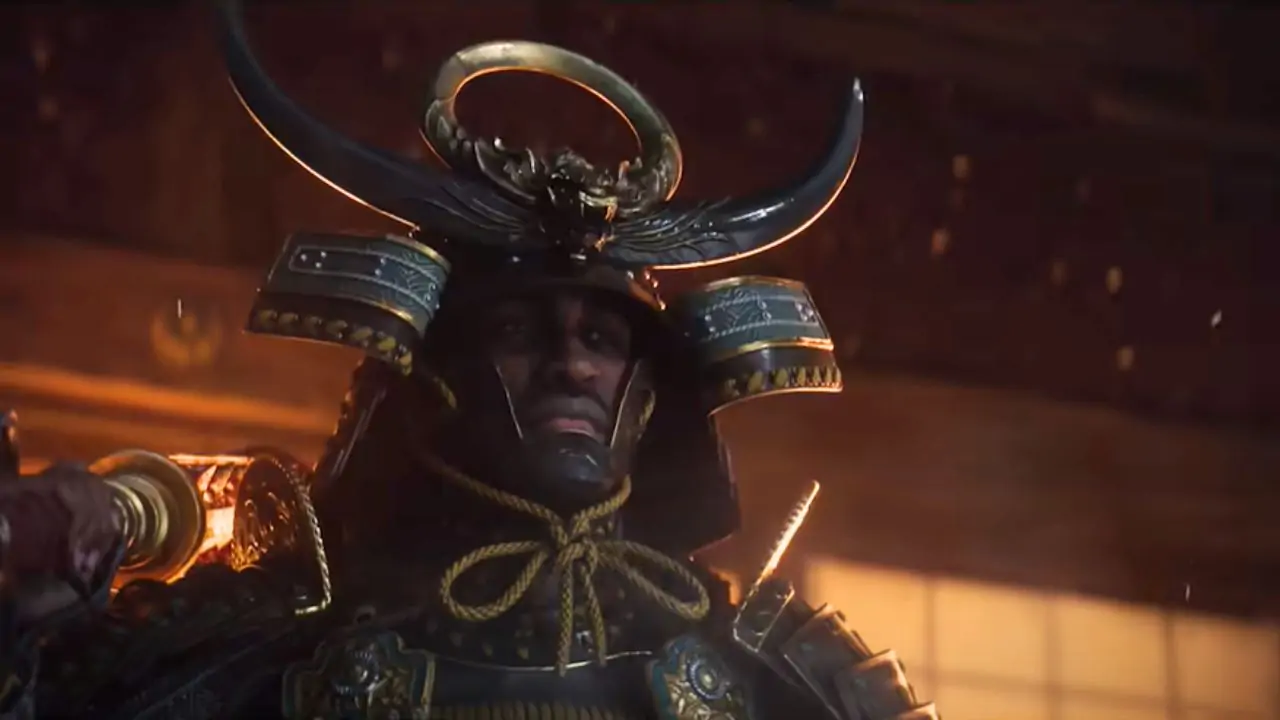
A screenshot from Assassin’s Creed Shadows (2024), Ubisoft
In either case, such people should not be entrusted with the responsibility of creating or marketing a game tied to such a culturally significant period.
This isn’t a case of isolated poor decisions—it’s the result of incompetence so deeply rooted that it’s become part of the company’s very fabric. A company gasping its last breath, stumbling through a final, failed spectacle for an audience that no longer cares, except to see it consumed by the flames of its own making.
Do you think Ubisoft will survive the release of Assassin’s Creed Shadows? Are the company’s repeated blunders ignorance or willful malice? Sound off in the comments and let us know!
